















Table of Contents
So, what exactly is overtourism?
When Does Tourism Exceed a Destination's Carrying Capacity?
Indicators for Identifying Overtourism
Signs of a City Struggling with Overtourism
When a City Is Developed Only for Tourists
The Stories of Cities Struggling with Overtourism
How Can We Check on a Destination Before We Travel?
How Can Travellers Become Part of the Solution?
The Concept of Tourism Redistribution
The Final Word: Balancing the Right to Travel with the Right to Live
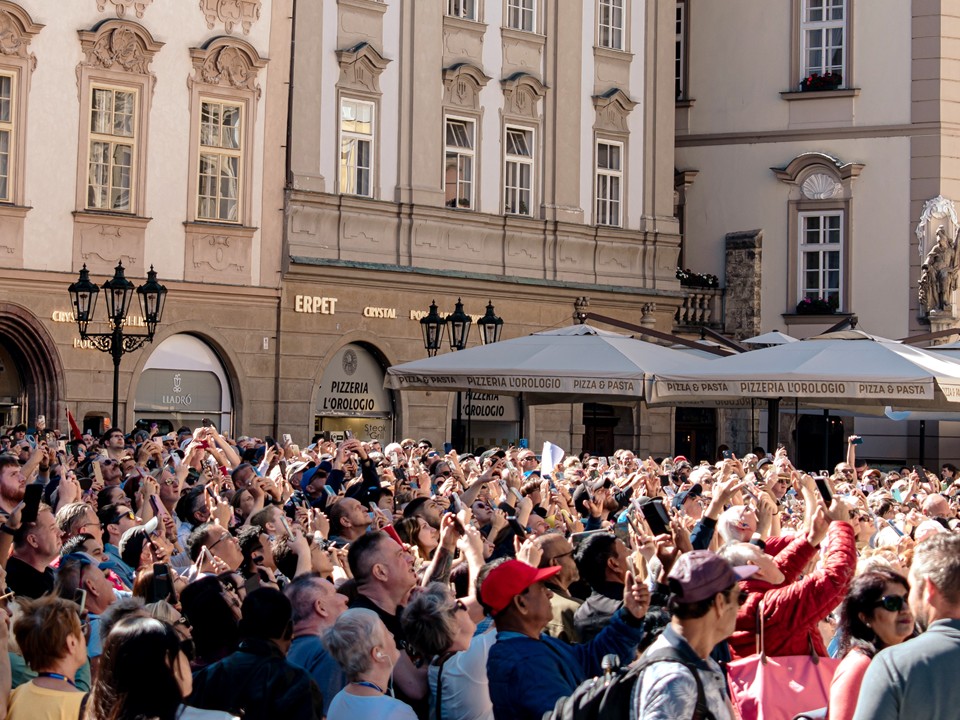
It was September 2025. I was standing in line to see Michelangelo’s David, right outside the Galleria dell’Accademia in Florence. By the time I got there, finding the end of the queue was almost impossible. The narrow street in front of the museum was packed with tourists. My ticket was for the 1:30–1:45 p.m. time slot, but it was a little after 3 p.m. by the time I finally reached the museum entrance.
I'd had enough of standing in the sun. In fact, the only thing I really remember from that visit is taking a photo of David. As for the experience itself? Not much of it has stayed with me.
That narrow street, that museum, and perhaps the entire city had reached their saturation point under the weight of so many tourists in September.
But what exactly is overtourism? What are the signs that a city has become overwhelmed by tourists? Where can we find these signs, and how do we recognise them? How can we use the concept of overtourism when making travel decisions? And, finally, what can be done to save a destination that has become a victim of its own popularity?
In this article, I'll try to answer these questions as simply as possible, sharing what I've learned from my own experiences and from exploring the literature on the subject.
So, what exactly is overtourism?
Overtourism is a situation in which tourism activities put so much pressure on a particular destination, at a particular time or place, that they begin to undermine the quality of life of local residents, the quality of the visitor experience, and the sustainability of natural and cultural resources.
Put simply, it's a situation in which everyone loses: local residents, tourists, and the environment.
But does every crowded destination suffer from overtourism? Absolutely not.
Before getting into the details, it's worth distinguishing between three commonly used terms in tourism: Popular Destination, Crowded Destination, and Overtouristed Destination.
Popular Destination: A destination that attracts high demand because of its natural and cultural attractions or tourism facilities. However, popularity doesn't necessarily mean that it puts unmanageable pressure on local resources or communities.
Crowded Destination: A destination that experiences a high concentration of tourists in a particular place or during a specific period. But being crowded doesn't, by itself, mean that a destination is suffering from overtourism or that lasting damage has occurred.
Overtouristed Destination: A destination where the pressure created by tourism activities has exceeded its management, environmental, social, or infrastructural capacity, leading to a noticeable decline in residents' quality of life or in the quality of the visitor experience.
In fact, overtourism occurs when the pressure generated by tourism exceeds a destination's Tourism Carrying Capacity.
Exceeding the Carrying Capacity Threshold happens when the number, density, timing, or type of tourist activities goes beyond what a destination can manage without causing significant harm to its environment, culture, infrastructure, or host community.
When Does Tourism Exceed a Destination's Carrying Capacity?
When we talk about a destination's Tourism Carrying Capacity, we're not talking about one fixed, universally accepted number. It depends on the geographical, environmental, economic, and social characteristics of each destination.
Based on my research, six main dimensions are generally considered when assessing a destination's carrying capacity:
- Physical Capacity
- Environmental Capacity
- Social & Cultural Capacity
- Economic Capacity
- Psychological Capacity
- Political & Institutional Capacity
Physical Capacity: The maximum number of people a space or piece of infrastructure can accommodate without creating unacceptable levels of congestion. This is probably the most tangible picture we have of overtourism. Crowded spaces and long queues are things we can all experience firsthand, right there and then.
Environmental Capacity: The level of pressure the natural environment can withstand from tourism activities without damaging ecosystems, increasing pollution, or depleting natural resources.
Social & Cultural Capacity: The level of tourist presence that can be accommodated without creating social tensions, disrupting local ways of life, or weakening local culture.
Economic Capacity: The point at which the costs associated with tourism, such as rising rents, inflation, and reduced access to public services for local residents, begin to outweigh its economic benefits.
Psychological Capacity: The level of crowding that residents and visitors can tolerate without experiencing dissatisfaction or a decline in their quality of life or travel experience.
Political & Institutional Capacity: The ability of local authorities and governing institutions to manage tourist flows, provide services, protect resources, and control the impacts of tourism.
Among these different dimensions of tourism carrying capacity, physical capacity is the most tangible, while social and cultural capacity is perhaps the most abstract. But here's the interesting part: some of the most damaging effects of overtourism actually emerge in dimensions that are much harder to see or feel in the moment, and whose consequences may remain hidden for quite some time.
Indicators for Identifying Overtourism

To assess and compare any phenomenon, we need indicators that help us measure it. Since I'm not trying to write an academic paper at PhD level, I'll limit myself here to introducing some of the indicators I've come across in articles and publications on the subject.
One of the most important and widely used indicators is Tourism Density, which measures the number of tourist overnight stays per square kilometre of a destination.
Another is Tourism Intensity, which measures the number of tourist overnight stays per local resident.
Seasonality is another indicator. It measures the share of tourist visits that take place during the busiest months of the year, compared with the total number of visitors throughout the year.
Next, we have Housing Pressure, which helps assess the share of short-term tourist accommodation in a destination's total housing stock.
Resident Satisfaction is another measure, reflecting how satisfied or dissatisfied the local community is with the impacts of tourism.
And finally, there's Visitor Experience Quality, which looks at factors such as crowding, waiting times, access to services, and visitor satisfaction.
Are these all the possible indicators for assessing overtourism? Certainly not. But these are some that, in my view, any non-specialist traveller can understand and relate to.
Since tourists themselves have an important role to play in addressing overtourism, I believe it's essential to simplify these concepts and make the different dimensions of the problem easier for them to understand.
Each of these indicators measures one or more dimensions of a destination's Tourism Carrying Capacity. For example, Tourism Density is closely related to a destination's Physical Capacity. Resident Satisfaction, on the other hand, relates to two dimensions: Social & Cultural Capacity and Psychological Capacity.
Signs of a City Struggling with Overtourism
The human mind loves putting things into categories. Perhaps it's because doing so makes information easier to remember and keep track of!
So, to make the subject easier to understand, I've grouped the signs of destinations struggling with overtourism into three broad categories:
- Environmental Indicators
- Urban Indicators
- Socio-cultural Indicators
Environmental Indicators
One of the signs is Waste Generation. The growing volume of waste produced by tourists, particularly plastic waste, food packaging, and rubbish from accommodation facilities, can put considerable pressure on a city's waste collection and recycling systems. I'm sure you've heard the news more than once about residents fed up with rubbish piling up on the streets and in public spaces.
The next sign is Water Stress. Increased water consumption by hotels, swimming pools, restaurants, and other tourism-related services can limit access to water for local residents and other economic sectors. This is particularly problematic in water-scarce regions, but even destinations with relatively abundant water resources aren't necessarily immune. Cape Town, South Africa, is a rather striking example. A city right next to the Atlantic Ocean, yet in 2018 it came dangerously close to running out of drinking water!
Another troubling sign is Ecosystem Degradation. This refers to damage to natural habitats, biodiversity, and ecological cycles caused by tourism development, visitor traffic, and the overexploitation of natural resources.
Akumal, one of Mexico's popular diving and snorkelling destinations on the Yucatán Peninsula, offers a telling example. A three-year study found that coral cover near a heavily used snorkelling area declined by around 79% between the summer of 2011 and the summer of 2014. During the same period, the monthly number of snorkellers had more than quadrupled.
Dahab, on Egypt's Red Sea coast, is another well-known destination for diving and snorkelling. A study of its shallow coral reefs found that around 84% of the coral colonies examined showed signs of damage, including breakage, partial colony mortality, or excessive algae growth.
The marine habitats of Ecuador's Galápagos Islands, the mangrove forests along Egypt's Red Sea coast, the coastal ecosystems of Porto de Galinhas in Brazil, and countless nature trails in national parks are just a few more examples of this kind of damage. Honestly, we don't have to look very hard to find them!
Noise & Light Pollution is the next sign I'd like to look at. Increasing noise from transport, nightlife, and tourism activities, combined with extensive artificial lighting, can disturb the peace and quiet of local communities and disrupt the natural behaviour of wildlife.
Take Hanoi, Vietnam, for example. The police may try to stop tourism activities from continuing past midnight in the Beer Street area, but the lives of local residents have probably already changed for good. At least, they won't return to the way they used to be until tourist behaviour or the area's tourism model changes.
The final sign in this category is Erosion of Natural & Heritage Sites. This includes the gradual deterioration of soil, vegetation, nature trails, and historic buildings caused by repeated foot traffic, physical contact, overcrowding, and inappropriate use of these spaces.
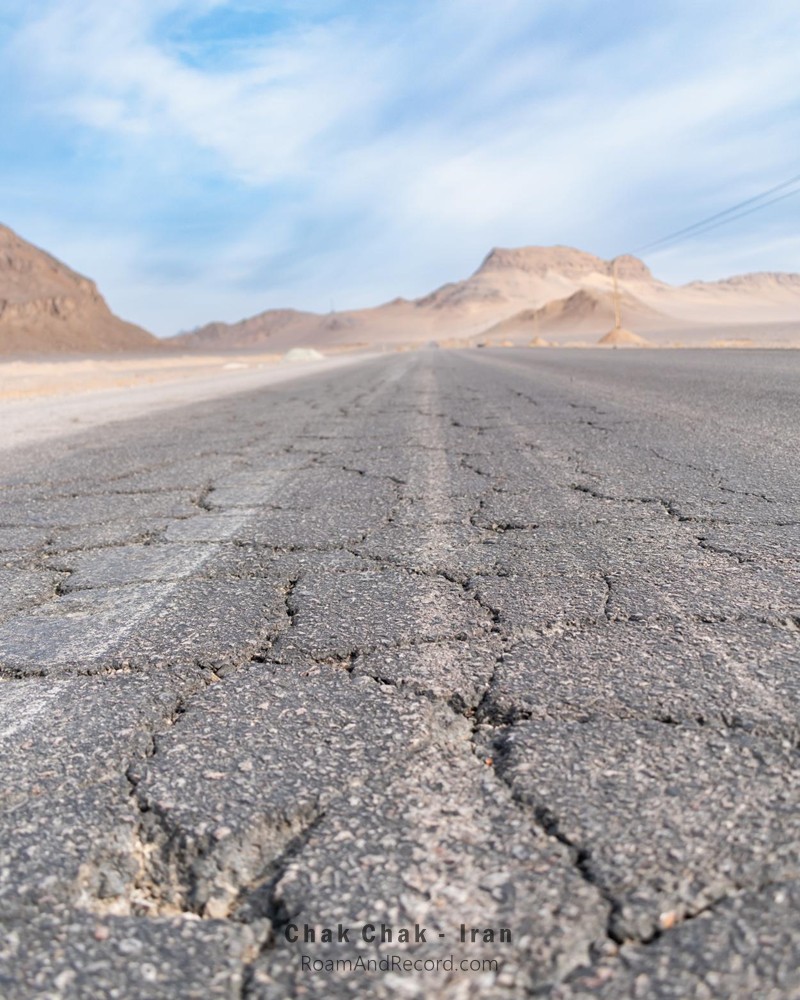
It pains me to use an example from my own country, Iran. If you visit the Ali Qapu Palace, next to Naqsh-e Jahan Square in Isfahan, you'll find all sorts of scribbles and graffiti on its plasterwork. Some thoughtless visitors have decided to leave their mark there, for reasons I'll probably never understand.
The problem has become so serious that, in my view, closing Ali Qapu's doors and temporarily taking it off Isfahan's tourist map might be the only way to prevent further damage!
Urban Indicators
Another category of signs that a destination is struggling with overtourism is Urban Indicators: signs that have a direct impact on the quality of life of the people who live there.
The first, and perhaps the most common, is Persistent Crowding. This happens when the growing concentration of tourists in streets, squares, historic districts and urban attractions makes it difficult for residents to access and use these spaces in their everyday lives. Venice, and Venice again! The crowds have become so overwhelming that local life in the historic centre has largely lost its meaning.
Traffic Congestion is another sign in this category. An increase in tourist buses, taxis, rental cars and other tourism-related vehicles can slow down traffic and add to pollution. The presence of tour buses around Paris's famous landmarks is one obvious example. Another is the excessive traffic around cruise ship terminals. Dubrovnik in Croatia, Kotor in Montenegro and Barcelona in Spain are a few places that immediately come to mind.
The next sign is Public Transport Pressure. Growing demand from tourists for metro services, buses and other forms of public transport can lead to overcrowding, delays and reduced access for local residents. During the busiest seasons, just take a look at the Colosseo metro station in Rome. You can almost read the pressure of it all on the faces of the people who live there.
And the last sign I want to mention in this category is Residential Touristification. This is the gradual transformation of homes, shops and local services into hotels, short-term rentals, restaurants and tourist-oriented businesses, changing the identity and residential character of a neighbourhood.
It may be hard to believe, but in a popular destination packed with visitors, not everyone in town works in tourism! Most people simply want to get on with their lives. If you've been following the news, you've probably read or heard about the protests against tourists in Barcelona. While some of the ways people have chosen to protest don't quite match the warm hospitality I've come to know from the Spanish people, I can fully understand the protests themselves and the reasons behind them.
Socio-cultural Indicators
The final category in my list of signs that a destination is struggling with overtourism is Socio-cultural Indicators. These are signs that may take longer to become visible, but their consequences can last for a very long time and, in some cases, may be impossible to reverse.
Resident Displacement is the first sign in this category. It refers to the gradual departure of local residents from tourist-heavy neighbourhoods as living costs rise, homes are converted to tourist accommodation and the neighbourhood becomes less suited to their everyday needs. And honestly, I can't understand what pleasure there is for an outside visitor in a destination without its local people!
Another sign is Housing Price Inflation and Short-term Rental Conversion. This refers to rising property purchase and rental prices as a result of growing tourist demand, property investment and competition between the short-term accommodation market and long-term residential housing.
When Airbnb entered the travel industry, it put a big smile on the faces of many travellers by making it possible to rent local homes and apartments directly from their owners. Few people imagined that this attractive, seemingly harmless idea could become a factor in worsening the housing crisis in some popular destinations. In cities such as Barcelona, Lisbon and Amsterdam, the financial appeal of short-term tourist rentals has encouraged some property owners to take their homes off the long-term rental market.
But the next sign, although harder to measure in numbers, may be the most important one in this category: Loss of Sense of Place and Belonging. This happens when residents gradually lose their emotional and cultural connection to their neighbourhood and city. It can be the result of public spaces becoming commercialised, local businesses disappearing, and the identity and way of life of the host community slowly changing.
To give examples of this, we'd need to get inside the hearts and minds of local people in cities such as Venice, Barcelona and Amsterdam, and in many other places struggling with overtourism, and listen to what they have to say. I feel that writing about this subject would take me beyond my limits as an outside observer!
When a City Is Developed Only for Tourists
Let's start with a sentence from just a few paragraphs ago: I honestly can't understand what pleasure there is for an outside visitor in a destination without its local people!
If a city gradually shifts its purpose from serving its residents to serving tourists, the destination itself will slowly lose its original meaning. What makes Rome's old neighbourhoods so appealing is the people who live there. Much of Paris's cultural value, too, comes from the Parisians who call it home.
But one of the deepest consequences of overtourism is the gradual transformation of a city's function and identity. It's usually a slow, almost invisible process in which urban spaces, economic activities, services and social relationships are gradually reshaped to meet the needs and interests of tourists, while the things that support residents' everyday lives are pushed to the sidelines. This process is known as Touristification.
One consequence is the Disappearance of Everyday Local Life. As tourism activities take over a neighbourhood, the ordinary routines and interactions of its residents gradually fade away. Daily shopping, commuting to work, meeting neighbours and spending time in public spaces all become less a part of everyday life.
Another consequence is Commercial Touristification: shops and services changing to meet the needs of tourists. Over time, everyday shops, repair workshops, local markets and services that residents depend on give way to souvenir shops, restaurants, cafés and businesses catering mainly to visitors.
Eventually, the combined effect of these changes can lead to a Loss of Local Identity. The distinctive cultural, social and economic character of a neighbourhood gradually weakens as culture becomes commercialised, services become standardised, and local traditions and activities are replaced by tourist-oriented patterns of consumption. In some cases, they may eventually disappear altogether.
What's important to understand about this urban transformation, or touristification, is that it happens gradually. It's a bit like getting older. We look in the mirror every morning and never notice how much older we've become since the day before. But all it takes is finding a photo of ourselves from twenty years ago in an old album. Suddenly, the reality of ageing hits us like a hammer!
The same thing happens to cities. Changes creep in little by little, and unfortunately, by the time the full scale of the damage becomes clear, the options for putting things right have become severely limited.
- Tourism Demand and Investment GrowthAs tourist numbers increase, investing in hotels, restaurants and short-term accommodation becomes more attractive and profitable.
- Housing and Commercial Market TransformationThe growing financial appeal of short-term rentals and tourism-related businesses puts increasing pressure on traditional businesses and local tenants.
- Functional and Social TransformationLocal shops and everyday services give way to tourist-oriented businesses, while some long-time residents and regular customers are gradually pushed out.
- Transformation into a Tourism Consumption SpaceThe neighbourhood may retain its historic appearance, but its main purpose shifts from everyday life and social interaction to sightseeing, shopping, photography and tourist entertainment.
A study published in the academic journal Cities examined commercial changes in Seville's historic centre between 2008 and 2023. The findings showed that 66% of the commercial premises included in the study had changed their business orientation during this period.
In another study, Agustín Cocola-Gant examined the effects of touristification on long-time residents of central Barcelona in 2023. In this field study, 81% of respondents said that shops they had regularly used had disappeared over the previous five years. As a result, many residents had to visit other neighbourhoods to meet their everyday needs.
A study published in October 2024 in Humanities and Social Sciences Communications used econometric models and comparisons between different neighbourhoods to show that areas of Hong Kong with high concentrations of tourists had less diversity in their local shops.
And then there's Venice: one of the most striking examples of the tension between a tourist city and a residential city. According to 2023 data from the Municipality of Venice, the population of historic Venice, including the islands of Murano, Burano and Torcello, stood at 56,165. Yet within the same geographical area, tourist accommodation capacity reached 60,638 beds.
When you can measure a problem and put it into numbers, it's much easier to grasp its true scale!
The Stories of Cities Struggling with Overtourism
With overtourism on the rise, finding examples to write about is no longer particularly difficult. Still, I'd like to focus on four cases that have received plenty of media attention, each offering an interesting and distinctive example of the issues we're exploring.
Venice: The Conflict Between Mass Tourism and Everyday Urban Life
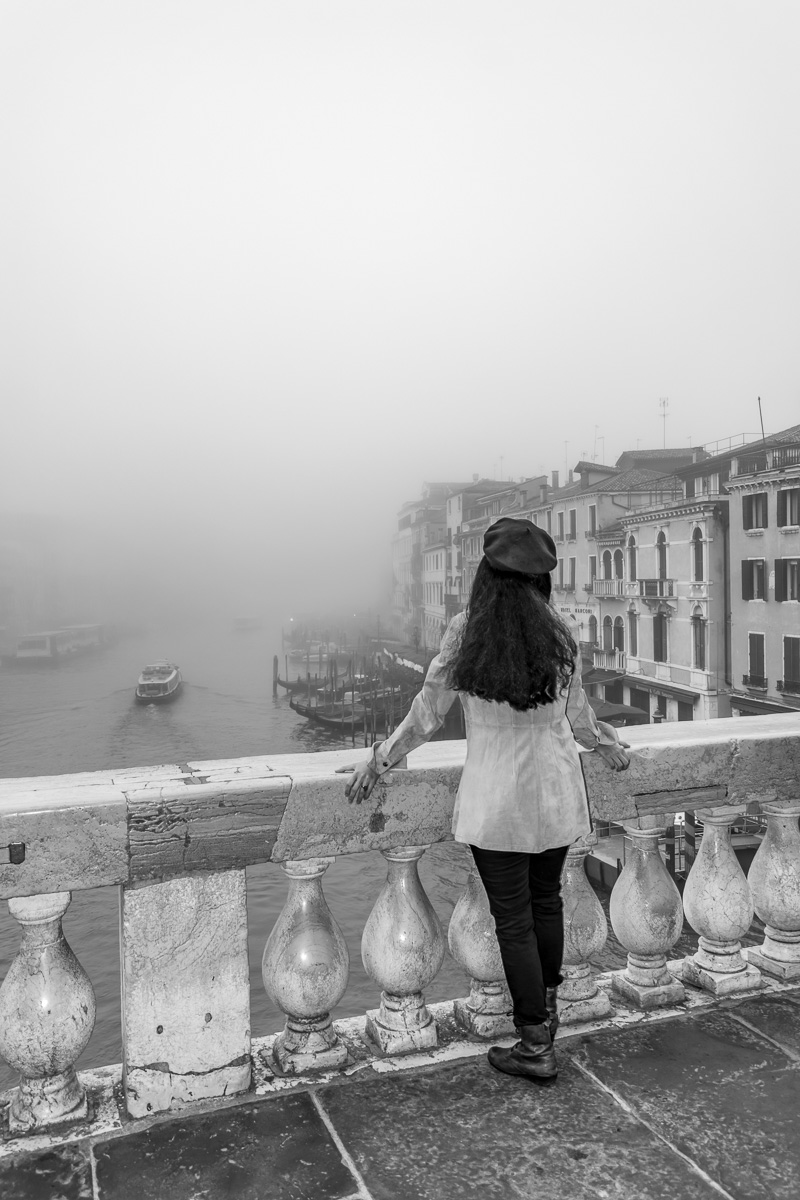
Venice is probably the best-known example of overtourism. I can hardly imagine reading a website, magazine or blog about sustainable tourism that hasn't covered the city and its tourism-related problems.
One of Venice's biggest challenges is the pressure created by Day-trippers. A significant proportion of visitors come to the city for just a few hours and leave without spending the night. Especially during peak visiting hours, these tourists put enormous pressure on St. Mark's Square, the Rialto Bridge, water transport and public spaces. Yet their economic contribution through accommodation and some other tourism services is more limited than that of visitors who stay overnight.
Another problem Venice is struggling with is Resident Population Decline. The population of the historic centre has fallen dramatically over the past few decades. Rising housing costs, the conversion of residential properties into tourist accommodation, changes in the nature of local services and the growing difficulty of everyday life are among the factors associated with this trend.
And finally, there's the Cruise Ship Controversy. The arrival of large cruise ships in the Venetian Lagoon had raised concerns not only about increased tourist numbers, but also about pollution, waves generated by passing vessels and the vulnerability of the lagoon's ecosystem.
Of course, Venice's authorities have also introduced measures to address these problems. In 2021, Italy banned large cruise ships from entering the San Marco Basin and the Giudecca Canal, redirecting them to alternative routes. A daily Access Fee has also been introduced for day-trippers.
But can these measures solve the problem on a larger scale? That's a question best left to the experts, and, of course, to time. In the end, only time will tell how effective these measures have really been.
Barcelona: The Conflict Between the Tourist Accommodation Market and Residents' Right to Housing
Barcelona is an example of a city where tourism has become more than a matter of crowded streets. It has turned into a social and political issue. Much of the public protest in the city centres on tourism's impact on the housing market, residential neighbourhoods and the cost of living.
The expansion of short-term tourist accommodation, particularly in historic neighbourhoods, has raised concerns about the shrinking supply of homes available for long-term rent and rising rental prices.
According to a study published by the European Economic and Social Committee (EESC) in 2025, the number of licensed tourist apartments in Barcelona rose from 632 in 2010 to 9,606 in 2014. The study also found that between 2012 and 2016, in neighbourhoods with a higher concentration of tourist apartments, the growth in their numbers was accompanied by a 7% increase in residential rents and a 17% rise in property sale prices.
Another challenge Barcelona is facing is Pressure on Historic Neighbourhoods. Areas such as the Gothic Quarter and Barceloneta have come under pressure from high tourist concentrations, changes in the nature of local businesses and the expansion of tourist accommodation. Gradually, these changes are upsetting the balance between residential, commercial and tourism-related activities in these neighbourhoods.
Amsterdam: Tackling Excessive Tourism Through Policies and Restrictions
Amsterdam is a somewhat different case. The issue isn't necessarily a shortage of housing or the disappearance of local communities. The problem goes beyond the number of tourists. It's also about a particular kind of tourism, often associated with excessive alcohol consumption, nightlife, overcrowding in the historic centre and inappropriate behaviour by some visitors.
Under its Tourism in Balance policy, the Municipality of Amsterdam has introduced a range of measures to curb Excessive Tourism. These include restricting permits for new hotels and additional accommodation capacity; regulating short-term rentals of residential properties; imposing limits on noisy entertainment tours and late-night tourist groups; limiting the number of river and sea cruise ships; controlling disruptive commercial and leisure activities in the city centre; and encouraging tourists to explore different parts of the city rather than concentrating almost entirely on the historic centre.
The city's tourism management strategy also sets specific numerical targets to control the overall volume of tourism. One of Amsterdam's policy goals is to prevent the annual number of tourist overnight stays from exceeding 20 million.
Maya Bay: Suspending Tourism to Restore a Natural Ecosystem
Maya Bay became one of Thailand's most famous natural attractions after appearing in the 2000 film The Beach, starring Leonardo DiCaprio.
But the problems at Maya Bay gradually went beyond tourist overcrowding and turned into an environmental crisis. At the height of its popularity, around 5,000 tourists visited the bay every day. The arrival of countless boats, recreational activities and the constant presence of visitors had damaged the coral reefs, marine life and coastal environment.
This time, the decision was a little harder, and certainly more decisive. It was rather like my fondest wish for Ali Qapu Palace, next to Naqsh-e Jahan Square in Isfahan!
In June 2018, the Thai government decided to close Maya Bay to allow its natural ecosystem to recover. What was initially intended as a temporary closure lasted more than three years. Finally, on January 1, 2022, the area reopened to tourists after signs of environmental recovery had been observed.
Of course, reopening the bay didn't mean going back to the way things were. A new visitor management system was introduced, along with specific restrictions. Visitor numbers were capped, with only 375 people allowed in during each time slot. Boats were banned from entering the bay, and the docking area was moved to the other side of the island. Swimming in the bay was also prohibited, and limits were placed on how long visitors could stay.
How Can We Check on a Destination Before We Travel?
Now let's turn to our responsibilities as travellers. Every small action we take can add up, drop by drop, alongside the small actions of others, until together they create an ocean of positive change. So, for now, let's put aside the question of what I can do on my own. I've written about this before. If you're still not convinced, I'd encourage you to read my earlier piece, One Swallow Does Not Make a Summer – Can My Small Choices Really Make a Difference in Sustainable Tourism?
The first, and perhaps most important, thing we can do as travellers is to look into a destination's situation before setting off. This doesn't mean crossing certain places off our travel lists. It simply means understanding what's happening there and making informed, responsible decisions.
We'll come back to what we can actually do once we've looked into the situation. For now, I want to focus on what we should know about the state of tourism in our chosen destination before packing our bags and heading out.
And if you think this kind of assessment sounds like too much time and effort, just think about those few hours you last spent standing in a queue outside a museum! Somehow, we always find time for the things that matter.
Seasonal Tourist Density
This is the first thing to look into: how crowded is our chosen destination likely to be at the time of our visit?
Tourist numbers aren't the same throughout the year. Many destinations experience a significant increase in visitors during particular seasons, public holidays, and international events. Before travelling, let's try to find answers to a few simple questions:
- Which are the busiest and quietest months of the year at our destination?
- Does our travel date coincide with any public holidays or local festivals?
- Do the main attractions experience heavy crowds at certain times of the day?
- Does the destination still offer sufficient services and facilities during the low season?
One useful tool that can help us answer some of these questions is Google Maps. If the Popular Times feature is available for a particular place, it can give us valuable insights into its busiest and quietest hours.
We can also explore travel trends and destination information through Google Travel. Eurostat provides useful statistics on nights spent at tourist accommodation establishments and seasonal tourism patterns across European countries.
Finally, we can turn to UN Tourism for further information. Some of the statistics on international tourist arrivals and tourism trends across different destinations can be found in the reports and datasets published by this organisation.
Listening to Local Residents
Before travelling to a destination, it might be worth taking a look at what local residents think about the state of tourism in their city or town. Of course, some destinations, Barcelona for example, and the protests of their residents, are already making headlines. But what are the key questions we should be looking to answer?
- Are local residents happy with the growing number of tourists?
- Are they protesting against rising rents or a shortage of housing?
- Are local businesses benefiting from tourism, or are they feeling the pressure too?
- Do residents feel that their city or neighbourhood has lost some of its original character?
To get a better sense of things, we can turn to Reddit, Tripadvisor, local social media groups and pages, as well as independent local newspapers and media outlets.
Of course, we're not expected to read every comment or conduct an academic study before each trip! The idea is simply to get a general sense of how local residents feel about tourism and how they see its impact on their everyday lives.
Believe me, there's always more to a destination than the pretty pictures we see on Instagram.
Checking the Latest News on Tourism Restrictions & Regulations
When the problems caused by overtourism begin to affect a destination, one of the signs can be found in the introduction of new tourism restrictions. Keeping an eye on recent regulations and decisions made by local authorities and tourism organisations can give us a clearer picture of what's happening at our destination.
Here are some questions worth looking into:
- Has access to certain attractions been restricted or placed under visitor quotas?
- Have any fees or charges been introduced for daily visitors, entering the city, or using certain attractions?
- Have new restrictions been imposed on short-term rentals, hotel operations, or cruise ship arrivals?
- Have any natural or historical sites been temporarily closed?
- Do visitors need to book in advance or obtain an entry permit to visit certain attractions?
Looking for Signs of Social Discontent
Local dissatisfaction is one of the most important early warning signs that tourism may be getting out of balance at a destination. A place might still be highly attractive to visitors and even economically successful, while its host community is left bearing the social costs.
Before travelling, it's worth checking a few things:
- Have there been public protests against mass tourism?
- Are residents complaining about rising rents and a shortage of housing?
- Have there been calls to restrict tourist behaviour in public spaces?
- Have local businesses or civic groups raised concerns about the negative effects of tourism?
- Are local media reporting tensions or conflicts between tourists and residents?
Looking into these signs probably isn't all that difficult. A quick look at a few local news outlets might be all it takes to find out what's going on at our chosen destination.
Checking the Destination's Environmental Conditions
Just because a popular destination is beautiful, attractive, and well-loved by tourists doesn't necessarily mean its environment is in good shape. Sometimes, the picture-perfect scenery hides problems such as water shortages, pollution, soil erosion, and habitat destruction. So, before travelling, it's worth looking into a few things:
- What is the state of local water resources, and how severe is water stress in the destination?
- Are there restrictions on visiting beaches, forests, or protected areas?
- Have there been reports of air or water pollution or increasing volumes of waste?
- Are natural habitats or wildlife species under pressure from tourism activities?
- Are there any programmes in place to restore ecosystems or protect natural resources?
Reports from organisations such as UNEP, the European Environment Agency, Protected Planet, Global Forest Watch, and similar institutions can be useful starting points.
Making Use of Sustainable Tourism Reports
This one goes a little beyond the usual pre-trip checklist. Reading sustainable tourism reports is less of a one-off exercise and more of a habit worth developing. Many of the problems facing tourist destinations can be found hidden between the lines of these reports.
Rather than focusing solely on visitor numbers and economic revenue, these reports also look at indicators such as pressure on natural resources, residents' satisfaction, quality of life, waste management, and economic sustainability.
Just as a few photos of Venice on Instagram might tempt us to visit the city, reading a report about the challenges it faces might give us pause for thought and encourage us to make more responsible decisions before setting off.
How Can Travellers Become Part of the Solution?
Now, let's imagine we've identified the signs of overtourism at a destination. So, what should we do? Give up travelling altogether? Stay at home and settle for watching documentaries about faraway places?! Of course not!
This is where we get to the solutions: small choices that can make a big difference.
These aren't all the possible solutions, of course. They're more like categories I've put together after going through various articles and reports. And if you've been following and thinking about everything we've explored so far, perhaps you'll be able to come up with a few ideas of your own.
Travelling During Quieter Periods (Off-Season Travel)
Travelling during quieter seasons, days, or hours can help reduce overcrowding, make better use of existing infrastructure, and ease the seasonal pressure on a destination.
Of course, this isn't possible for everyone. Holidays come with their own limitations, and not all of us have the luxury of being full-time travel bloggers! But the point is to make better choices whenever we have some flexibility and can pick a more suitable time to travel.
Quite often, our choices are shaped by whatever happens to be trending. Sometimes, if we pause for a moment and resist the urge to rush, we can make more responsible decisions that also fit better with our everyday lives and schedules.
Staying Longer Instead of Taking Short Trips
Longer stays can reduce the number of return journeys and frequent transfers, while giving us more time to get to know the local community and spreading our spending more widely across the destination. Of course, the environmental impact also depends on factors such as how we travel and how much we consume.
In general, the longer we stay, the more we can help ease some of the pressures of tourism by travelling less often and building a deeper connection with the places we visit. This isn't an absolute rule that applies in every situation, but it can be a useful principle to guide our choices.
The more we behave like guests in the places we visit, rather than hurried sightseers ticking off attractions, the closer our travel experiences come to being truly sustainable.
Supporting Local Businesses
The greater the share of tourism revenue that stays within the local community, the more economic benefits reach the people who live there. Buying from local producers, eating at independent restaurants, hiring local guides, and staying in locally owned accommodation all help keep a larger share of tourism income within the host community.
As travellers, at the very least, we can use our everyday choices to support local businesses rather than always putting our money into large international chains such as McDonald's, Starbucks, and KFC.
In my article on Carbon Footprint, I even used some numbers to show how choosing local food over a McDonald's burger in Phuket, Thailand, can offer us a more interesting culinary experience, be a more environmentally sustainable choice, and cost less at the same time.
Respecting Local Rules and Regulations
Following local rules on nature conservation, cultural heritage, residential areas, dress codes, photography, and public behaviour helps prevent environmental damage and disruption to residents' everyday lives.
Every place has its own customs and ground rules. You can sunbathe by the pool in your swimsuit, but you can't walk into a church dressed the same way. At a nightclub, you can shout, jump around, and take endless selfies with just about everything in sight. But in a museum, silence is part of the deal if you want to coexist peacefully with your surroundings!
Taking the Pressure Off Popular Attractions
I know sunset is the best time to take photographs on Phuket's beaches. But with a little planning, you can enjoy the golden hour at sunrise, too.
I know visiting the Louvre is a dream for many travellers. But believe me, Paris also has lesser-known museums with some truly remarkable collections and exhibits.
Visiting attractions during quieter hours, exploring alternative routes, and looking beyond the usual handful of famous sights can help spread tourist flows more evenly across both space and time.
By taking some of the pressure off heavily visited attractions, you're not only helping protect these places but also making your own travel experience more rewarding.
I've written about one such experience, my early-morning walk through Venice, in a piece titled A Morning Walking Tour of Venice, where I explore this very idea.
The Concept of Tourism Redistribution
Tourism redistribution is a concept in sustainable tourism that refers to a range of policies and measures designed to guide visitors away from overcrowded destinations and attractions towards less-visited areas, alternative routes, and quieter times of the year. The aim is to ease the pressure on popular destinations while spreading the economic benefits of tourism more widely.
But before looking at ways to redistribute tourism, I'd like to briefly address an important question: Why does everyone flock to the same places? (Tourism Concentration)
The answers I found can be grouped into five categories.
Media Exposure:
Attractions that receive more attention in films, the media, and on social media tend to become more appealing to visitors. One example I mentioned earlier in this article is Maya Bay in Thailand. After appearing in the 2000 film The Beach, starring Leonardo DiCaprio, the bay became one of Thailand's most famous natural attractions.
And here's a personal example. After watching Roman Holiday, starring Audrey Hepburn and Gregory Peck, I even started dreaming about Rome at night! And the funny thing is, the film was made back in 1953 — more than seventy years ago!
The Social Media Effect:
When bloggers and influencers keep posting images of the same attraction, each trying to outdo the others, that destination can quickly become the next big trend. Before long, having a photo of yourself there becomes a must for their followers, too. And spare a thought for the poor destination when it turns out to look nothing like its Instagram pictures!
Easy Access:
It's only natural that destinations with better transport links attract more visitors. Being close to airports, railway stations, major roads, and hotels can increase the concentration of tourists in certain areas. But in many cases, the reverse is also true: the influx of tourists makes investment in new tourism infrastructure economically viable!
Concentration of Tourism Services:
When hotels, restaurants, tour operators, and visitor facilities are clustered in one area, they tend to draw even more tourists to that same spot. A closer look at why this happens is beyond the scope of this article, though. Does a tourist attraction encourage tourism services to grow around it, or does the planned development of those services draw tourists to a particular place? It's the classic chicken-and-egg question!
Repetitive Travel Patterns:
Many tourists travel as part of organised tours. These are packages that tour operators run regularly, following a set itinerary for a particular destination. Given the group-based nature of these services, the places included in such tours tend to be much the same, with itineraries largely decided in advance.
That said, with the growing interest in sustainable tourism, we're now seeing considerably more variety in the way tours are designed and planned.
These were some of the reasons why tourism tends to concentrate in particular places. But now let's turn to the second question: How can we redistribute tourism?
The solutions I came across in various reports and articles can be grouped into four main categories:
Introducing Alternative Routes:
Tour operators and tourism planners can design and promote routes that guide visitors away from crowded tourist paths and towards lesser-known neighbourhoods, attractions, and experiences. These might include smaller museums, churches further from the city centre, less famous historic buildings, and places of that kind.
Encouraging Visits to Smaller Towns Around Popular Destinations:
Rather than trying to keep tourists away from popular destinations, this approach encourages them to explore nearby towns and villages as well, or even stay there overnight. The idea is to spread the economic benefits of tourism across the surrounding areas while reducing the concentration of visitors in the main city.
Reducing Pressure on Iconic Sites:
Here, the focus is on a particular attraction. Measures such as timed-entry reservations, visitor capacity limits, promoting complementary attractions, and suggesting quieter visiting hours can help ease the pressure on that site. The aim is to spread visitors across different times of the day or among related attractions.
Diversifying Tourism Experiences:
This means offering activities that go beyond visiting well-known attractions. Food tourism, nature-based experiences, cultural trails, discovering local arts and crafts, and visiting traditional workshops are just a few examples.
Of course, redistributing tourism isn't necessarily a guaranteed solution. If an alternative town or region lacks proper transport infrastructure, waste management systems, sufficient water resources, or the capacity to accommodate more visitors, the same problems may simply spread there.
In other words, instead of solving the problem, we might just be moving it from one place to another!
The Final Word: Balancing the Right to Travel with the Right to Live
We all have the right to travel. I don't think anyone, especially in today's world, can seriously deny that. After all, we live in a world built around the idea of rights, and one of the major paradigm shifts between the old and modern worlds has been the move from a culture of duties to one of rights. But people who live in tourist destinations have a right to live their lives, too. We can only say that sustainable tourism has truly been achieved when we have both tourism and sustainability — in other words, when we strike a balance between tourists' right to travel and residents' right to live.
According to Article 7 of the World Tourism Organization's Global Code of Ethics for Tourism, access to the world's resources and attractions, and the freedom to travel, are rights that should be available to everyone. At the same time, these rights must be exercised within the laws and regulations of the host country.
Of course, restrictions on tourists are only justifiable when they're necessary to protect the environment, cultural heritage, residents' quality of life, or visitors' safety — and when they're applied proportionately, transparently, and on the basis of evidence. Political agendas, and sometimes racial motives, have no place in sustainable tourism. Restricting travel for citizens of particular countries or followers of specific religions is miles away from the principles and foundations of sustainability.
Travelling and discovering other cultures and places are part of our freedom of movement and human interaction. But that doesn't mean we have unlimited access to every place, at any time, regardless of the rules.
If we're looking for fairer solutions, perhaps instead of shutting tourism down altogether, we could turn to measures such as timed-entry reservations, visitor caps, appropriate pricing, restrictions on traffic during peak hours, and spreading visitors across different locations. These can help keep the pressure on tourist destinations under control.
After all, we have only one planet, and we're only going to live once. So we should enjoy it while respecting it.