My Notes on
H U N G A R Y


The Scent of a Country
What is the sensory identity of Hungary?
What is the sensory identity of Hungary?
What if Hungary were a single sensation? It would be a dance of contradictions—the sharp red of paprika set against the pale turquoise of Lake Balaton. Its scent drifts somewhere between the sulfur of thermal springs and the lavender of Tihany, cut with the wild mint of the Puszta plain.
On the tongue, it settles between the weight of gulyás and the bite of sauerkraut, with a metallic undertone of mineral water beneath it all. And the sound of it? The cry of a Romani violin, the hush of wind over open grassland, the clink of glasses echoing off warm bathhouse walls.
On the tongue, it settles between the weight of gulyás and the bite of sauerkraut, with a metallic undertone of mineral water beneath it all. And the sound of it? The cry of a Romani violin, the hush of wind over open grassland, the clink of glasses echoing off warm bathhouse walls.
Nature's Lines
What shapes a nation's borders?
What shapes a nation's borders?
What truly draws the lines of a nation? Is it the sheer face of a mountain, the meandering grace of a river, the vast expanse of a sea, or the human scars of a wall or road?
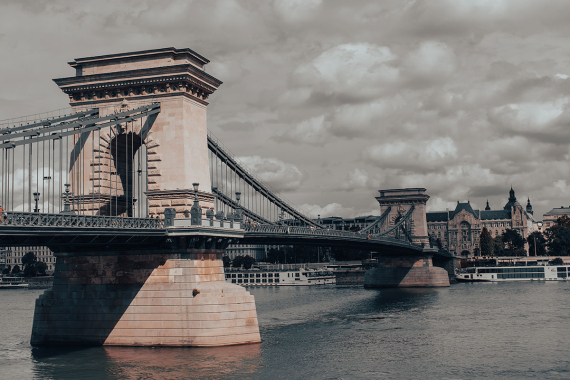
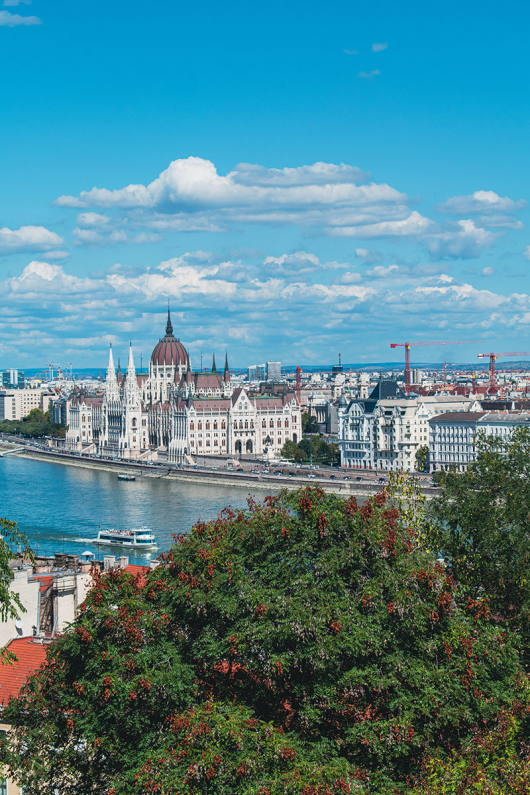
In this land, two great forces of nature have played the architect. To the north and east, the Carpathian Mountains sweep in a grand, protective arc, cradling the vast basin below. Then there is the Danube, slipping through the rocky gorges of the Little Carpathians to cleave the very heart of the country, famously dividing Budapest into its twin halves: the hilly Buda and the flat Pest. And far to the south, the Sava River quietly traces the final edge of this natural cradle.
In this land, two great forces of nature have played the architect. To the north and east, the Carpathian Mountains sweep in a grand, protective arc, cradling the vast basin below. Then there is the Danube, slipping through the rocky gorges of the Little Carpathians to cleave the very heart of the country, famously dividing Budapest into its twin halves: the hilly Buda and the flat Pest. And far to the south, the Sava River quietly traces the final edge of this natural cradle.
Beyond the Tourist Image
Where does Hungary contradict the image tourists have of it?
Where does Hungary contradict the image tourists have of it?
In Budapest, Vajdahunyad Castle is often mistaken for Dracula’s castle. Yet the truth is more curious: built for the 1896 Millennium Exhibition, it is essentially a romantic copy of the original castle in Transylvania, Romania—and was never a historic castle in its own right.
The same gap exists in the idea of “cheap Hungary.” Budapest may once have carried that reputation, but today, prices in its most tourist-heavy districts have risen sharply. Travel, I often find, begins where the image ends: in those small discrepancies between what we expect to see and what is actually there.
The same gap exists in the idea of “cheap Hungary.” Budapest may once have carried that reputation, but today, prices in its most tourist-heavy districts have risen sharply. Travel, I often find, begins where the image ends: in those small discrepancies between what we expect to see and what is actually there.
The Map That Isn’t There
What does the official map of Hungary leave out?
What does the official map of Hungary leave out?
What the official map of Hungary seldom shows is the land that haunts it from beyond the border. They call it Greater Hungary—the territories that belonged to the Hungarian crown before the Treaty of Trianon in 1920, a signature that stripped away nearly two-thirds of the country’s soil and 63 percent of its people, and left a scar known simply as the Trianon Trauma.
The Carpathian Basin, and the Hungarian-speaking pockets within it—Transylvania above all, now in Romania—still live in Hungarian memory, part of its cultural bloodstream. To travel there is, for many, to come face-to-face with a Hungary that no longer exists on paper, but refuses to disappear from the heart.
The Carpathian Basin, and the Hungarian-speaking pockets within it—Transylvania above all, now in Romania—still live in Hungarian memory, part of its cultural bloodstream. To travel there is, for many, to come face-to-face with a Hungary that no longer exists on paper, but refuses to disappear from the heart.
Fluid Frontiers
Where do borders blur?
Where do borders blur?
Which corner of the map feels like a world away?
When I step into the border town of Sopron, the Austrian spirit is so palpable I can almost feel Vienna humming beneath my feet. Further east, I find the Crișana region suspended in a state of beautiful ambiguity, holding a dual identity between Romania and Hungary. In the frontier enclave of Hajdúszoboszló, Romanians feel so profoundly at home that many have simply drifted across the line to settle in towns like Battonya, quietly redrawing the cultural map with their presence.
Travel deeper into the east, and the plains of Kunság fiercely guard the independent, nomadic soul of the ancient Cumans. Eventually, the land surrenders entirely to the Puszta—a boundless, breathless expanse of sweeping grass and infinite skies, standing as Europe’s very own Pampas.
When I step into the border town of Sopron, the Austrian spirit is so palpable I can almost feel Vienna humming beneath my feet. Further east, I find the Crișana region suspended in a state of beautiful ambiguity, holding a dual identity between Romania and Hungary. In the frontier enclave of Hajdúszoboszló, Romanians feel so profoundly at home that many have simply drifted across the line to settle in towns like Battonya, quietly redrawing the cultural map with their presence.
Travel deeper into the east, and the plains of Kunság fiercely guard the independent, nomadic soul of the ancient Cumans. Eventually, the land surrenders entirely to the Puszta—a boundless, breathless expanse of sweeping grass and infinite skies, standing as Europe’s very own Pampas.
Destination Digest
At the Table, in the Queue
What do Hungarians talk about in everyday life?
What do Hungarians talk about in everyday life?
Everyday conversation in Hungary tends to stay close to life itself: the food people cook, their gardens, their work, and the small routines that fill the day. Even in a bakery queue, conversation may turn to the kind of bread or pastry on offer—and to a useful detail for travelers: meat often means pork. If you do not eat pork, it is wise to ask before buying a filled pastry.
At the dinner table, the tone is more restrained. Conversation tends to remain polite and avoids subjects considered crude or disrespectful, including certain references to animals. I have always found these small rules of conversation revealing: a culture often shows itself not in what people announce, but in what they quietly leave unsaid.
At the dinner table, the tone is more restrained. Conversation tends to remain polite and avoids subjects considered crude or disrespectful, including certain references to animals. I have always found these small rules of conversation revealing: a culture often shows itself not in what people announce, but in what they quietly leave unsaid.
The Accent of Intimacy
What transforms a foreign word into a gesture of belonging?
What transforms a foreign word into a gesture of belonging?
We travel, in part, to learn the small passwords that turn a stranger into a neighbor. In Hungary, I've found, that key is not a single phrase but a certain musicality of courtesy. Tessék?—spoken with a rising inflection for "Pardon?" and a falling one for "Here you are"—is infinitely gentler than the stark Mi? (What?), which can feel like a door slamming shut. There is the formal sunshine of Jó napot kívánok!, the quiet grace of Köszönöm, and the indispensable Bocsánat!—a soft apology that parts a crowded tram better than any elbow ever could.
Yet the deepest lesson lies in how you address a person. To call an elderly István not by his given name alone, but as Pista bácsi, is to wrap respect in an intimacy that no phrasebook can fully teach. It acknowledges his age, his place, and his story, all in a single, affectionate syllable. In those few sounds—a question that invites repetition, a greeting that honors the daylight, an apology that makes space, a name that becomes a gesture—your own foreign accent begins to sound less like a barrier and more like an attempt at home.
Yet the deepest lesson lies in how you address a person. To call an elderly István not by his given name alone, but as Pista bácsi, is to wrap respect in an intimacy that no phrasebook can fully teach. It acknowledges his age, his place, and his story, all in a single, affectionate syllable. In those few sounds—a question that invites repetition, a greeting that honors the daylight, an apology that makes space, a name that becomes a gesture—your own foreign accent begins to sound less like a barrier and more like an attempt at home.
Thresholds of Trust
What are the boundaries of Hungarian hospitality?
What are the boundaries of Hungarian hospitality?
To be invited into a Hungarian home is to be granted a quiet, profound honor—a true threshold of trust. Crossing it requires a certain grace: I arrive bearing wine, chocolates, or an odd number of blooms, leaving my shoes at the door to shed the outside world. At the table, I taste a little of everything, knowing that to refuse a dish is to quietly reject the host’s heart. I leave my glass half-full when I’ve had my share, and offer a heartfelt “Nagyon finom volt!”—it was wonderfully delicious—as the meal draws to a close.
Yet, this warm embrace has its invisible boundaries. I have learned never to arrive unannounced, to be strictly punctual, and to wait for permission before using first names, honoring the dignified reserve that makes their eventual warmth so deeply felt.
Yet, this warm embrace has its invisible boundaries. I have learned never to arrive unannounced, to be strictly punctual, and to wait for permission before using first names, honoring the dignified reserve that makes their eventual warmth so deeply felt.
Small Customs, Quiet Rules
What everyday habits might surprise a traveler in Hungary?
What everyday habits might surprise a traveler in Hungary?
Travel is often less about monuments than about the small rules nobody thinks to explain. In Hungary, even an ordinary greeting can have its own logic: Hello is commonly used when saying goodbye, while Szia is the familiar way to say hello.
There is also an old silence around beer glasses. Do not clink them in a toast—a custom associated with the memory of the thirteen Hungarian revolutionary leaders executed by Austria in 1849. With wine or pálinka, however, you can raise your glass and say Egészségedre!—“to your health.”
Some habits are quieter still. Blowing your nose loudly in public is perfectly acceptable, while sniffing repeatedly may be considered impolite. Smiling at strangers is not particularly common either. It is less a sign of coldness than a way of respecting personal space.
And then there are the little things: never leave bread upside down on the table, and when giving flowers, avoid an even number. Such customs may seem insignificant, but they are often where a place reveals itself most honestly—not in what it displays for visitors, but in the ordinary gestures of everyday life.
There is also an old silence around beer glasses. Do not clink them in a toast—a custom associated with the memory of the thirteen Hungarian revolutionary leaders executed by Austria in 1849. With wine or pálinka, however, you can raise your glass and say Egészségedre!—“to your health.”
Some habits are quieter still. Blowing your nose loudly in public is perfectly acceptable, while sniffing repeatedly may be considered impolite. Smiling at strangers is not particularly common either. It is less a sign of coldness than a way of respecting personal space.
And then there are the little things: never leave bread upside down on the table, and when giving flowers, avoid an even number. Such customs may seem insignificant, but they are often where a place reveals itself most honestly—not in what it displays for visitors, but in the ordinary gestures of everyday life.
Everyday Hungary
What simple scene reveals a country more truly than its museums?
What simple scene reveals a country more truly than its museums?
To know Hungary, sometimes a single everyday moment speaks more clearly than any gallery. At Lehel Market in Budapest, shopping, conversation, and ordinary life mingle without ceremony.
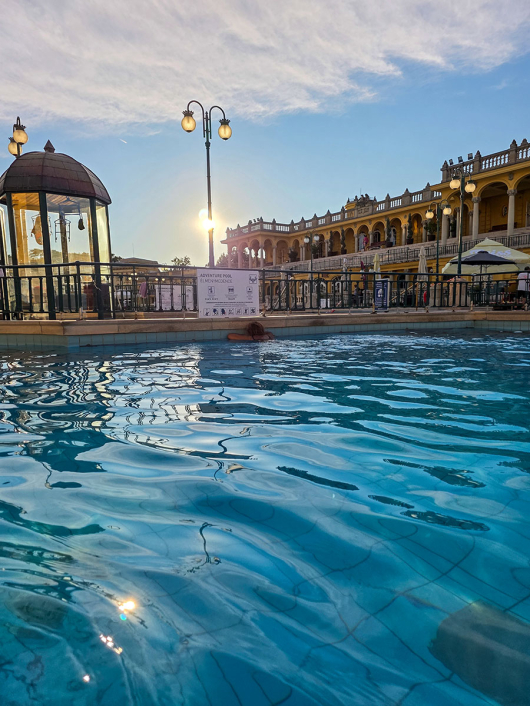
The thermal baths turn hot springs into a quiet social rite, woven into the fabric of the city. Even on a bus, a young person rising for an idős bácsi—an elderly gentleman—offers a small, living portrait of respect. And a gas station, of all places, can reveal how modernity and older beliefs still share the same ground, how the present has not wholly set the past aside.
The thermal baths turn hot springs into a quiet social rite, woven into the fabric of the city. Even on a bus, a young person rising for an idős bácsi—an elderly gentleman—offers a small, living portrait of respect. And a gas station, of all places, can reveal how modernity and older beliefs still share the same ground, how the present has not wholly set the past aside.
Cities of Hungary so far
A Slow Fortune
Where does waste end and life begin?
Where does waste end and life begin?
In Hungary, they will tell you, without a trace of irony, that time is money—Az idő pénz—as if the West's most relentless commandment had been etched into their own stones. And yet, to waste time, in their reckoning, is synonymous with sheer pointlessness. But watch them settle into a dinner: the meal unfurls not as a transaction, but as an unhurried liturgy, a ritual that flatly refuses to be rushed.
Life, it seems, finds its true currency not in the minutes we save, but in those we willingly steep in the thermal baths, where the hot water becomes less a cure for the body than a medium for conversation. They observe a névnap, a name day, with the same quiet ceremony as a birthday, and they pour pálinka not as a private indulgence, but as an offering to the circle gathered round—a gesture that says: this taste is only real when shared.
The distinction, I begin to suspect, is not between what is productive and what is idle, but between what keeps us solitary and what draws us nearer. The hurry of the clock may save us time, but the slowness of custom, it turns out, is what saves us from ourselves.
Life, it seems, finds its true currency not in the minutes we save, but in those we willingly steep in the thermal baths, where the hot water becomes less a cure for the body than a medium for conversation. They observe a névnap, a name day, with the same quiet ceremony as a birthday, and they pour pálinka not as a private indulgence, but as an offering to the circle gathered round—a gesture that says: this taste is only real when shared.
The distinction, I begin to suspect, is not between what is productive and what is idle, but between what keeps us solitary and what draws us nearer. The hurry of the clock may save us time, but the slowness of custom, it turns out, is what saves us from ourselves.
Echoes of the Steppe
What ancient myths still guide the Hungarian soul?
What ancient myths still guide the Hungarian soul?
When I search for the ghosts of Hungary’s past in its present, I am drawn first to the legend of the Csodaszarvas, the Wondrous Stag. Ancestral twins Hunor and Magor are said to have chased this mythical creature across the steppes until it led them to the Pannonian Basin, the very soil they were destined to call home. To me, this is more than a mere fairy tale; it is the bedrock of the national soul, an enduring testament to the belief that a homeland is divinely ordained—a mystical, unbreakable tether to the earth.
Woven through this origin myth is a lingering, almost palpable yearning for an Aranykor, a Golden Age. In the folklore and quiet rhythms of daily life, I sense an idealized reverence for their nomadic forebears. It is a culture beautifully haunted by the memory of a glorious, untethered past, carrying that ancient nostalgia seamlessly into the modern world.
Woven through this origin myth is a lingering, almost palpable yearning for an Aranykor, a Golden Age. In the folklore and quiet rhythms of daily life, I sense an idealized reverence for their nomadic forebears. It is a culture beautifully haunted by the memory of a glorious, untethered past, carrying that ancient nostalgia seamlessly into the modern world.
Heroes Between the Lines
Which local heroes never made it into the history books?
Which local heroes never made it into the history books?
Hungarian folklore has its own heroes, some of whom never quite found a place in official history. King Matthias Corvinus is perhaps the most famous. Unlike the historical Renaissance king, the Matthias of legend is a wise and just ruler who sometimes disguises himself and walks among his subjects, quietly testing the fairness of those who rule in his name.
Then there is the Táltos, an ancient shaman-like figure gifted with supernatural powers and imagined as a guardian of the community—a figure largely absent from the histories written by kings and states.
And there is the Garabonciás: a mysterious, wandering student said to carry a magical book and possess the power to curse crops. He belongs to that darker corner of folklore where knowledge can be both a gift and a threat.
Perhaps this is what folklore does best: it keeps alive the people and fears that official history leaves behind.
Then there is the Táltos, an ancient shaman-like figure gifted with supernatural powers and imagined as a guardian of the community—a figure largely absent from the histories written by kings and states.
And there is the Garabonciás: a mysterious, wandering student said to carry a magical book and possess the power to curse crops. He belongs to that darker corner of folklore where knowledge can be both a gift and a threat.
Perhaps this is what folklore does best: it keeps alive the people and fears that official history leaves behind.
Behind the present surface of Hungary’s towns, the history of vanished places sometimes lingers. Tabán, in Budapest, was once a dense Balkan quarter, largely Serbian in character. In the twentieth century it was cleared for reasons of crowding and public health; its people scattered, and today only a church and a handful of old buildings keep the memory of that world alive.
Elsewhere, the Cold War settlement of Szentkirályszabadja emptied gradually after the Soviet forces withdrew—not through sudden catastrophe, but through the quiet end of the presence for which the town had been built. These ruins remind us that the absence of people can shape a landscape as deeply as their presence once did.
Elsewhere, the Cold War settlement of Szentkirályszabadja emptied gradually after the Soviet forces withdrew—not through sudden catastrophe, but through the quiet end of the presence for which the town had been built. These ruins remind us that the absence of people can shape a landscape as deeply as their presence once did.
The Shape of Absence
How do silent disappearances still define a country’s towns?
How do silent disappearances still define a country’s towns?
A Rehearsal for Arrival
How do we arrive before we arrive?
How do we arrive before we arrive?
We imagine arriving in a new place with empty hands and open eyes—yet the most vivid landings are those preceded by a quiet rehearsal. Before Hungary, I think, we are best advised to surrender first to the harrowing, close-breathing intimacy of László Nemes's Son of Saul, if only to grasp how history's worst tragedies are lived in the span of a single gasp; and then to the stark, ritualistic choreography of Miklós Jancsó's The Round-Up and The Red and the White, which turn the plains into a vast chessboard of occupation and defiance, preparing our eyes for a landscape that has never forgotten its own weight.
On the page, the geography deepens. Magda Szabó's The Door teaches that loyalty is not a sentiment but a ferocious, grinding art; Imre Kertész's Fatelessness finds a strange, vacant poetry in the very mechanics of nothingness; Ferenc Molnár's The Paul Street Boys reminds us that all great wars begin on a playground; and Géza Gárdonyi's Eclipse of the Crescent Moon wraps the nation's birth in siege and romance. For the sheer breath of the land, let Sándor Petőfi's verses ride the wind across the Puszta, while Béla Tarr's meditative Journey on the Plain drains the colour and the haste from your pulse, leaving only the slow, horizontal ache of an infinite horizon.
And then, at last, the music: the defiant, swaggering lilt of the Rákóczi-nóta and the solemn, almost aching prayer of the Himnusz—two melodies that are less songs than testimonies, carrying the quiet ferocity of a people who turned survival into a kind of hymn. By the time the plane begins its descent, I find I am no longer a tourist catching up to a foreign land; I am merely a traveller, finally arriving at a place I have already walked through, in shadow and in sound.
On the page, the geography deepens. Magda Szabó's The Door teaches that loyalty is not a sentiment but a ferocious, grinding art; Imre Kertész's Fatelessness finds a strange, vacant poetry in the very mechanics of nothingness; Ferenc Molnár's The Paul Street Boys reminds us that all great wars begin on a playground; and Géza Gárdonyi's Eclipse of the Crescent Moon wraps the nation's birth in siege and romance. For the sheer breath of the land, let Sándor Petőfi's verses ride the wind across the Puszta, while Béla Tarr's meditative Journey on the Plain drains the colour and the haste from your pulse, leaving only the slow, horizontal ache of an infinite horizon.
And then, at last, the music: the defiant, swaggering lilt of the Rákóczi-nóta and the solemn, almost aching prayer of the Himnusz—two melodies that are less songs than testimonies, carrying the quiet ferocity of a people who turned survival into a kind of hymn. By the time the plane begins its descent, I find I am no longer a tourist catching up to a foreign land; I am merely a traveller, finally arriving at a place I have already walked through, in shadow and in sound.
The Hidden Steppe
What secret origin myth defines the Hungarian soul?
What secret origin myth defines the Hungarian soul?
Beneath the polished veneer of Central Europe, I find that Hungarians harbor a fiercely held, hidden myth of their own making—one that often escapes the casual observer. Through the foundational legend of the brothers Hunor and Magor, they trace their bloodline to the formidable Huns, believing their very name, Magyar, springs from this untamed, Eastern root.
To the stranger, they are Europeans; to themselves, they are the distant heirs of Scythians, Turks, Iranians, and Sumerians. This profound, almost mystical memory is given wings by the Turul, their mythical falcon. In the Hungarian imagination, this celestial bird watches over the ancient royal bloodline, a silent guardian of divine right and a soaring reminder of a glorious, shadowy past that the West has long forgotten, but which beats steadily in the Hungarian heart.
To the stranger, they are Europeans; to themselves, they are the distant heirs of Scythians, Turks, Iranians, and Sumerians. This profound, almost mystical memory is given wings by the Turul, their mythical falcon. In the Hungarian imagination, this celestial bird watches over the ancient royal bloodline, a silent guardian of divine right and a soaring reminder of a glorious, shadowy past that the West has long forgotten, but which beats steadily in the Hungarian heart.
Our Stories from Hungary
-
24 Easy and Quick Tips for Stunning Travel Portraits
-

The Art of Enough: Finding Joy in Simple Photography
-

Explore Magnificent Photographs: 20 Handpicked Online Galleries
-

Beyond Stereotypes: Unveiling the Enchantment of Iran
-
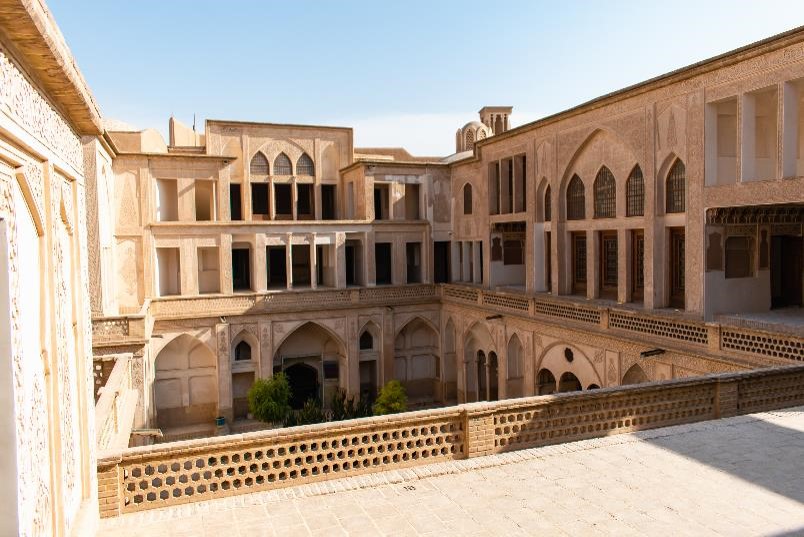
Sunken courtyards of Kashan
-
The Old Weaver's Hidden Smile
-

One Lens, One Pen: The Hatching of "Roam & Record"
Beyond the Famous
Which places are worth skipping, and which hidden corners are worth the journey?
Which places are worth skipping, and which hidden corners are worth the journey?
Some of Budapest’s most famous sights are not always the most rewarding. The Széchenyi Baths and New York Café can feel overcrowded and overpriced, while cleanliness may fall short of expectations. The Central Market Hall, especially upstairs, has become something of a tourist maze. At Lake Bokodi, the so-called Floating Village is mostly a collection of private cottages that visitors cannot actually enter. Vajdahunyad Castle, meanwhile, is essentially an exhibition-era replica, and the Labyrinth beneath Buda Castle may disappoint anyone expecting a genuine cave experience.
But Budapest rewards those willing to look beyond the postcard. In Székesfehérvár, the underground Pince-kápolna, with its stories of secret ceremonies during wartime and the Communist era, feels like a fragment of history hidden beneath the city. In Sopron, Taródi Castle—known as Bagolyvár, or Owl Castle—has the strange, almost enchanted atmosphere of a private dream. And in Buda, Mansfeld Péter Park offers a quiet view toward Parliament.
For a more local Budapest, I would choose Fény Street Market over the more tourist-oriented Central Market Hall, Rudas Baths for its rooftop hot tub, and Bartók Béla Avenue for its cafés and galleries. These places may not shout for attention, but they reveal something more valuable: the city as it is when nobody is posing for a postcard.
But Budapest rewards those willing to look beyond the postcard. In Székesfehérvár, the underground Pince-kápolna, with its stories of secret ceremonies during wartime and the Communist era, feels like a fragment of history hidden beneath the city. In Sopron, Taródi Castle—known as Bagolyvár, or Owl Castle—has the strange, almost enchanted atmosphere of a private dream. And in Buda, Mansfeld Péter Park offers a quiet view toward Parliament.
For a more local Budapest, I would choose Fény Street Market over the more tourist-oriented Central Market Hall, Rudas Baths for its rooftop hot tub, and Bartók Béla Avenue for its cafés and galleries. These places may not shout for attention, but they reveal something more valuable: the city as it is when nobody is posing for a postcard.
Places Kept
Which corners of a city do locals still keep for themselves?
Which corners of a city do locals still keep for themselves?
In Budapest, some corners still belong more to daily life than to the guidebook. The quieter reaches of Margaret Island, the still garden of Mansfeld Péter Park, the little-seen underground chapel of Pince-Kápolna—these are the city’s private rooms. Tabán, with its old streets and neighborhood cafés, has kept a share of ordinary Budapest intact. And for a true step away from the city, the Buda Hills remain: walking paths, the Cogwheel Railway, the Children’s Railway—a landscape many visitors never enter at all.
The Road That Arrives
When does movement become dwelling?
When does movement become dwelling?
We are used to roads that promise a destination, a Point B to justify the drudgery of Point A. But Hungary, I’ve found, keeps a few secrets for the unhurried eye. Road 33, for instance, isn’t merely an asphalt line across the Great Alföld; it is a pilgrimage through the immense, grassy silence of Hortobágy, where the horizon refuses to close and the air hums with an antiquity older than any city.
Equally, the winding curves of the Danube Bend do not simply connect the painterly alleys of Szentendre, the castle-crowned heights of Visegrád, and the monumental piety of Esztergom. They loop them together in a slow conversation between river and rock, turning the shortest distance into a lingering glance. And consider the long, 230-kilometre haul from Budapest to Debrecen—most would call it a transfer; I suspect it is a ritual of shedding. Inch by inch, the urban pulse fades, and the vast plain takes over, leaving you to discover that the real arrival occurred somewhere past the halfway mark, when the road finally convinced you to stop looking forward.
Equally, the winding curves of the Danube Bend do not simply connect the painterly alleys of Szentendre, the castle-crowned heights of Visegrád, and the monumental piety of Esztergom. They loop them together in a slow conversation between river and rock, turning the shortest distance into a lingering glance. And consider the long, 230-kilometre haul from Budapest to Debrecen—most would call it a transfer; I suspect it is a ritual of shedding. Inch by inch, the urban pulse fades, and the vast plain takes over, leaving you to discover that the real arrival occurred somewhere past the halfway mark, when the road finally convinced you to stop looking forward.
Quiet Capitals
Where are Hungary's true capitals?
Where are Hungary's true capitals?
Beyond the grand political theater of Budapest, I find that Hungary’s true capitals are scattered across its quieter, sun-warmed provinces. In the west, Sopron reigns as the sovereign of Kékfrankos, its cellars breathing the deep, ruby spirit of Blue Frankish wine. Nearby, Villány claims the mantle of the nation’s Bordeaux, a lush enclave where reds flow as richly as the soil. Further east, the air in Kecskemét is sweet with apricots, earning it the rightful title of Hungary’s Orchard.
Yet, these realms are not merely of the earth, but of the mind and the stones. When I wander through Eger, with its layered past and scholarly grace, I see why it is revered as the Athens of Hungary. Within the capital itself, Óbuda serves as the archaeological soul, where ancient stones speak louder than modern streets. And down in the south, Pécs—a city that awakened its artistic spirit upon being named the European Capital of Culture in 2010—stands as the true, beating heart of the nation's creative life.
Yet, these realms are not merely of the earth, but of the mind and the stones. When I wander through Eger, with its layered past and scholarly grace, I see why it is revered as the Athens of Hungary. Within the capital itself, Óbuda serves as the archaeological soul, where ancient stones speak louder than modern streets. And down in the south, Pécs—a city that awakened its artistic spirit upon being named the European Capital of Culture in 2010—stands as the true, beating heart of the nation's creative life.
When the Season Turns
When should you see Hungary at its best?
When should you see Hungary at its best?
Some places reveal themselves only at the right hour. Visit Mansfeld Péter Park at sunset, when the last light catches Parliament across the Danube. In summer, Margaret Island is at its most peaceful at dawn, or in that brief blue hour between day and night.
For me, early autumn—from September to October—is perhaps the sweetest time to travel through Hungary: warm days, softer light, and the grape harvest in Eger and Tokaj. Hungarians have a charming name for those unexpected warm days of autumn: Vénasszonyok nyara—“the old women’s summer,” their version of what we call an Indian summer.
Winter belongs to another kind of traveler: those who come not despite the cold, but because of it, looking for snow, silence, and the particular beauty of a country seen under a colder sky.
For me, early autumn—from September to October—is perhaps the sweetest time to travel through Hungary: warm days, softer light, and the grape harvest in Eger and Tokaj. Hungarians have a charming name for those unexpected warm days of autumn: Vénasszonyok nyara—“the old women’s summer,” their version of what we call an Indian summer.
Winter belongs to another kind of traveler: those who come not despite the cold, but because of it, looking for snow, silence, and the particular beauty of a country seen under a colder sky.
Taste of Place
Which foods only make sense in their own climate and class?
Which foods only make sense in their own climate and class?
In Hungarian cooking, some tastes are unfinished without the land and the social history that made them. Bogrács—kettle goulash—was the food of shepherds and hunters on the Great Hungarian Plain: a stew simmered in an iron pot over an open fire, a mark of rural work and life outdoors.
Tokaji, by contrast, belongs to the peculiar climate of Tokaj-Hegyalja and to grapes touched by Botrytis cinerea; a wine once poured for Europe’s courts, and still known as the wine of kings, the king of wines. Pálinka comes from another economy altogether: a fruit brandy that farmers distilled from surplus orchard fruit, turning what might have been waste into drink and livelihood—something born of the yard, the garden, and the village.
Tokaji, by contrast, belongs to the peculiar climate of Tokaj-Hegyalja and to grapes touched by Botrytis cinerea; a wine once poured for Europe’s courts, and still known as the wine of kings, the king of wines. Pálinka comes from another economy altogether: a fruit brandy that farmers distilled from surplus orchard fruit, turning what might have been waste into drink and livelihood—something born of the yard, the garden, and the village.
The Feast That Doesn't Pose
When is a meal a ceremony, not a choice?
In Hungary, I’ve found, the most authentic dishes are seldom the ones held up to the camera. They arrive not by order, but by occasion—quietly, as if the meal itself were less a recipe than a date kept with the calendar. These are foods that do not perform; they simply preside.
Take Töltött káposzta, the stuffed cabbage. You will never see it on a romantic dinner for two; it is the rugged anchor of weddings, brought out at midnight in a steaming cauldron to hold the dancers upright until dawn. At Christmas, it returns to the table, not for its elegance, but because its coiled green leaves are taken to promise both wealth and wellness in the year ahead—a hope wrapped in a parcel of pork and patience.
Then there is the translucent, quivering Kocsonya—a cold meat jelly that tastes precisely like a grandmother's winter Sunday preserved in aspic. In Miskolc, they tell a wry local legend about a frozen frog unearthed in its depths, as if to remind us that even the most solemn comfort food must keep a sense of humour. Down by the river in Baja, the spicy fish soup is an all-male ceremony over an open fire, served with matchstick-thin noodles, its exact proportions a fiercely guarded family heirloom. And on New Year’s Eve, the humble lentil stew appears on every table, not for its flavour, but because its tiny, round shapes wink back at us like edible currency—a silent, hopeful bite against the hunger of an unknown year.
These are not tastes to be sampled, I think, but rituals to be kept. To eat them is to stop being a spectator and to sit, for a brief while, at Hungary’s private table.
Take Töltött káposzta, the stuffed cabbage. You will never see it on a romantic dinner for two; it is the rugged anchor of weddings, brought out at midnight in a steaming cauldron to hold the dancers upright until dawn. At Christmas, it returns to the table, not for its elegance, but because its coiled green leaves are taken to promise both wealth and wellness in the year ahead—a hope wrapped in a parcel of pork and patience.
Then there is the translucent, quivering Kocsonya—a cold meat jelly that tastes precisely like a grandmother's winter Sunday preserved in aspic. In Miskolc, they tell a wry local legend about a frozen frog unearthed in its depths, as if to remind us that even the most solemn comfort food must keep a sense of humour. Down by the river in Baja, the spicy fish soup is an all-male ceremony over an open fire, served with matchstick-thin noodles, its exact proportions a fiercely guarded family heirloom. And on New Year’s Eve, the humble lentil stew appears on every table, not for its flavour, but because its tiny, round shapes wink back at us like edible currency—a silent, hopeful bite against the hunger of an unknown year.
These are not tastes to be sampled, I think, but rituals to be kept. To eat them is to stop being a spectator and to sit, for a brief while, at Hungary’s private table.
Threads of Memory
Which Hungarian crafts are fading?
Which Hungarian crafts are fading?
In the quiet corners of Hungary, I find that some ancient arts still pulse with life, woven seamlessly into the daily rhythm of the countryside. The vibrant, floral blooms of Matyó and Kalocsa embroidery continue to brighten the local markets, with Matyó’s intricate stitches rightfully enshrined in UNESCO’s intangible heritage. I am equally moved by Halasi lace; born in 1902, its delicate threads remain a signature of national grace, often exchanged as the finest of diplomatic gifts. Even the earthy craft of felt-making and the indigo depths of kékfestés endure, though the latter flickers like a candle in the wind.
Yet, as I wander into the more remote hamlets, I sense a quiet fading. The humble arts of reed and straw weaving, the meticulous tangling of horsehair, and the deep cuts of traditional wood carving are slipping into the shadows. With the passing of the master craftsmen, only a handful of families in some villages keep these ancestral fires from going out. It becomes clear to me that this is not merely the loss of beautiful objects. As these weathered hands grow still, we are losing something far more profound: the intimate local knowledge, the collective memory, and the very soul of the rural landscape.
Yet, as I wander into the more remote hamlets, I sense a quiet fading. The humble arts of reed and straw weaving, the meticulous tangling of horsehair, and the deep cuts of traditional wood carving are slipping into the shadows. With the passing of the master craftsmen, only a handful of families in some villages keep these ancestral fires from going out. It becomes clear to me that this is not merely the loss of beautiful objects. As these weathered hands grow still, we are losing something far more profound: the intimate local knowledge, the collective memory, and the very soul of the rural landscape.
What to Bring Home
What can keep me connected to Hungary after I leave?
What can keep me connected to Hungary after I leave?
If I want to stay connected to Hungary after a journey, I would rather bring home something that carries a little of the place than another souvenir destined for a shelf. A bottle of apricot or plum *pálinka* carries the scent of autumn orchards and the old stories of this unruly Hungarian spirit. Embroidered cloth or table linen, patterned in the traditions of Matyó or Kalocsa and made through workshops working directly with village women, carries another kind of memory.
There are hand-thrown Mezőtúr ceramics from the Kunság, bright with colour; indigo-dyed *Kékfestés* textiles from Szentendre; and finely crafted objects made from buffalo horn, pearls, or mammoth ivory, reminders of Hungarian crafts that are slowly disappearing. A small collection of Hungarian spices—sweet and hot paprika, caraway, and saffron—may be even more evocative. Each time I cook with them, Hungary briefly returns to the kitchen.
And perhaps the most lasting choice is something made by a local artist who has taken an old Hungarian motif and given it a contemporary form. The best things I bring home are not souvenirs of where I have been. They are small ways of keeping the journey alive.
There are hand-thrown Mezőtúr ceramics from the Kunság, bright with colour; indigo-dyed *Kékfestés* textiles from Szentendre; and finely crafted objects made from buffalo horn, pearls, or mammoth ivory, reminders of Hungarian crafts that are slowly disappearing. A small collection of Hungarian spices—sweet and hot paprika, caraway, and saffron—may be even more evocative. Each time I cook with them, Hungary briefly returns to the kitchen.
And perhaps the most lasting choice is something made by a local artist who has taken an old Hungarian motif and given it a contemporary form. The best things I bring home are not souvenirs of where I have been. They are small ways of keeping the journey alive.
A Second Country
Where, a short trip from the capital, does another Hungary begin?
Where, a short trip from the capital, does another Hungary begin?
Forty minutes from Budapest is enough. Szentendre is an artists’ village of cobbled streets, galleries, and museums, Mediterranean in mood, and once a refuge for painters and thinkers under communism. Farther still, Krishna Valley in Somogyvámos overturns the expected picture altogether: a self-sufficient eco-village with a Hindu temple and a Hare Krishna community, set in the heart of a Christian-majority land.
Hévíz offers another revision—a natural thermal lake where one can swim even in winter, a different face of Hungary’s long affair with water and healing, beside Balaton but not quite of it.
Hévíz offers another revision—a natural thermal lake where one can swim even in winter, a different face of Hungary’s long affair with water and healing, beside Balaton but not quite of it.
The Capital's Shadows
Where does a nation truly dream?
Where does a nation truly dream?
We travel, we are told, for capitals—the glittering seats of power and prestige. Yet I’ve come to suspect that a country’s true rhythm is rarely found in its official heart. It beats, instead, in the towns the capital quietly condescends to ignore. Take Debrecen, Hungary's second city: in the years after the Berlin Wall fell, it became less a provincial outpost than a secret trapdoor into a raw, alternative DIY scene, shaking off the silence of the old regime one distorted chord at a time. And then there is Pécs, dismissed by the polished denizens of Budapest with a faint smirk and a shrug—"provincial." And yet, within that very label lies its quiet triumph: it hosts the country’s oldest university group dedicated to experimental electronic music and media arts. To the capital’s eye, it is a backwater; to the attuned ear, it is a laboratory.
Further south, cradled by the gentle shores of Lake Balaton, the village of Ozora proves that the underground is not a matter of geography, but of intention. Each year, it transforms into one of the world’s largest sanctuaries for psychedelic trance—less a festival, I think, than a temporary, pulsing nation for the global counterculture, where a sleepy rural landscape becomes an interactive canvas for the uninitiated. Up north, at Bánk, the Bánkitó festival gathers the young, the restless, and the locally-minded into a fiercely DIY space where political and social concerns are not brushed aside but woven into the very fabric of the music. These are not places one visits to see the sights; they are places one visits to overhear a country dreaming in its own quiet, defiant dialect.
Further south, cradled by the gentle shores of Lake Balaton, the village of Ozora proves that the underground is not a matter of geography, but of intention. Each year, it transforms into one of the world’s largest sanctuaries for psychedelic trance—less a festival, I think, than a temporary, pulsing nation for the global counterculture, where a sleepy rural landscape becomes an interactive canvas for the uninitiated. Up north, at Bánk, the Bánkitó festival gathers the young, the restless, and the locally-minded into a fiercely DIY space where political and social concerns are not brushed aside but woven into the very fabric of the music. These are not places one visits to see the sights; they are places one visits to overhear a country dreaming in its own quiet, defiant dialect.
The Second Layer
Who is Hungary truly for?
Who is Hungary truly for?
To the traveler who steps away from the grand, bustling avenues of Budapest, Hungary reveals itself as a quiet paradise. I have found its true magic belongs to those seeking the gentle steam of thermal baths, the embrace of the natural world, and the unhurried pulse of local life. It is a haven for the wanderer who looks beyond the polished veneer of famous monuments to uncover the "second layer" of a place: the hidden, sun-dappled courtyards, the hushed, subterranean chapels, and the intimate corners that yield their secrets only to the patient eye.
Yet, for the spirit in search of a relentless, neon-lit thrill, this land can feel like a profound misstep. If I were to judge a destination by the roar of crowded nightclubs, the excess of lavish parties, and the chaotic blur of a bar crawl, I would surely be left wanting. In tranquil enclaves like Szarvas, the rhythm of the day is not scored by heavy bass, but by the turning of the seasons, the distant ringing of the church bell, and the deep, restorative grace of silence.
Yet, for the spirit in search of a relentless, neon-lit thrill, this land can feel like a profound misstep. If I were to judge a destination by the roar of crowded nightclubs, the excess of lavish parties, and the chaotic blur of a bar crawl, I would surely be left wanting. In tranquil enclaves like Szarvas, the rhythm of the day is not scored by heavy bass, but by the turning of the seasons, the distant ringing of the church bell, and the deep, restorative grace of silence.
The Calendar of the People
Which local traditions never make the tourist calendar?
Which local traditions never make the tourist calendar?
Some of Hungary’s most genuine celebrations are missing from the tourist calendar because they belong to a different one—the calendar of everyday life.
In southern Hungary, the Busójárás of Mohács welcomes spring with frightening wooden masks and shaggy sheepskins, sending winter up in flames. Its roots reach back to stories of frightening Ottoman occupiers, and the tradition is now on UNESCO’s Intangible Cultural Heritage list. In the villages of the Káli Basin, the Valley of Arts feels less like a festival than a temporary way of life: concerts in house courtyards, pottery workshops, and theatre performances in hay barns. It is Hungary at its slowest and most unhurried.
Bánkitó, by the lake, has much the same intimacy. With music, theatre, and conversations about society, it feels less like a commercial event than a long weekend shared by a gathering of creative friends.
On 20 August, as Hungary celebrates its national day and St. Stephen, the Feast of the New Bread marks the end of the harvest with freshly baked bread. And in July, Literary Night in Nagykörű, held alongside the local fish-sausage festival at the Tájház, reveals something deeper: the quiet bond between people, river, food, and inherited tradition.
Perhaps these are the celebrations I would seek most—the ones that do not perform Hungary for visitors, but simply belong to the people who live there.
In southern Hungary, the Busójárás of Mohács welcomes spring with frightening wooden masks and shaggy sheepskins, sending winter up in flames. Its roots reach back to stories of frightening Ottoman occupiers, and the tradition is now on UNESCO’s Intangible Cultural Heritage list. In the villages of the Káli Basin, the Valley of Arts feels less like a festival than a temporary way of life: concerts in house courtyards, pottery workshops, and theatre performances in hay barns. It is Hungary at its slowest and most unhurried.
Bánkitó, by the lake, has much the same intimacy. With music, theatre, and conversations about society, it feels less like a commercial event than a long weekend shared by a gathering of creative friends.
On 20 August, as Hungary celebrates its national day and St. Stephen, the Feast of the New Bread marks the end of the harvest with freshly baked bread. And in July, Literary Night in Nagykörű, held alongside the local fish-sausage festival at the Tájház, reveals something deeper: the quiet bond between people, river, food, and inherited tradition.
Perhaps these are the celebrations I would seek most—the ones that do not perform Hungary for visitors, but simply belong to the people who live there.
The Sound of Hungary
Lost in the Desert Sky
Keyhan Kalhor
Flower’s Reward
Mehran Mobini
Konj-e-Kharabat
Gholam Hossein Fathi
Keep Roaming
Contact@roamandrecord.com
We are waiting for your kind messages