









What Lies Behind a Cup of Coffee?
Maybe many of you, like me, begin your day with a fresh coffee. My own ritual goes like this: first I grind the beans, switch on the espresso machine, fill the portafilter basket and level it off, lock the portafilter into place, and press the steam button. I pull a double espresso with a thick head of crema, and a great morning, for me, is one that holds a coffee with plenty of foam. For so many of us, coffee is nothing more than a small morning habit—a few quiet minutes before the day’s demands rush in.
But if we look just a little closer, behind this simple cup hides a multitude of strange and marvellous stories. There’s the story of a farm in the highlands of Ethiopia, Brazil, Colombia, or Vietnam—a story of soil, water, fertiliser, machinery, labourers, processing plants, ocean-going ships, trucks, shops, and all the energy that goes into turning a tiny coffee bean into the drink sitting in your cup. That story is exactly what the notion of a carbon footprint tries to lay bare.
Let me be clear about one thing. I’ve reached for the example of coffee only to make the tale feel real. I don’t know about you, but I can’t easily give up my morning coffee.
The Invisible Cost of Everyday Things
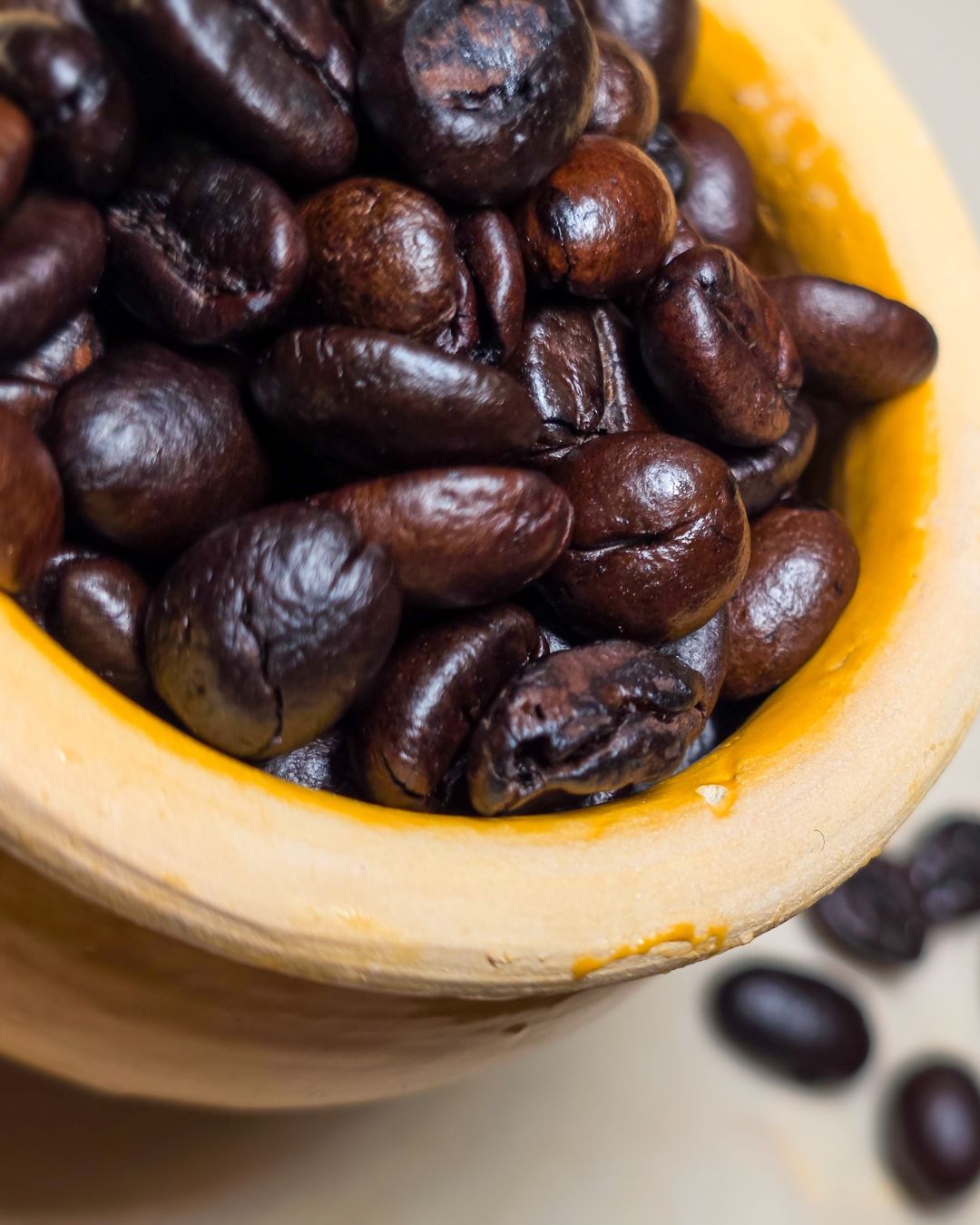
We tend to see the environmental impact of things only at the moment of consumption. When we drink a cup of coffee, we might think merely of the taste, the hot water used, the mug or paper cup that held it. But the great bulk of that coffee’s environmental burden has already occurred long before it reaches our home. A single coffee bean may travel thousands of kilometres to arrive in a drinker’s hands: grown in Brazil, say, processed there, shipped across the ocean to Europe or Asia, roasted in a factory, packaged, trucked to a shop, and only then bought, brewed, and sipped. Each stage consumes energy and releases a measure of greenhouse gases into the atmosphere. So the essential question becomes: can something as small as a cup of coffee leave a mark on the Earth? The answer, I’m afraid, is yes—not because one cup by itself alters the planet, but because of the billions of similar little choices, repeated each day by billions of people. According to the International Coffee Organization, the world consumes roughly ten million tonnes of green coffee a year. When you hold that staggering figure in mind, the collective weight of all those small choices suddenly becomes visible. The crucial distinction is right here: what we see is a cup of coffee; what unfolds behind the curtain is a global chain of resource extraction and carbon release. Damn it—the more I write, the more bitter the coffee at my elbow tastes. Fortunately, I’ve always loved the bitterness of my coffee.
A carbon footprint is the total quantity of greenhouse gases released, directly and indirectly, by an activity, a product, an organization, or a single person. That activity could be almost anything: making a mobile phone, putting up a building, taking a flight, growing food—even drinking a cup of coffee. The footprint is usually measured in kilograms or tonnes of carbon dioxide equivalent, written as CO₂e. Not all greenhouse gases warm the world equally. The most important ones are carbon dioxide, methane, nitrous oxide, and a range of industrial gases. To compare their effects, scientists translate everything into a common currency: the equivalent amount of carbon dioxide. Methane, for instance, has roughly 28 to 34 times the warming power of CO₂ over a hundred-year span; nitrous oxide packs about 273 times the punch. So when we say a product has a carbon footprint of 5 kilograms of CO₂e, we mean the combined warming influence of its various gases is the same as releasing 5 kilograms of pure carbon dioxide. I have talked so long about carbon dioxide that the coffee beside me seems to be darkening as I speak.
Almost everything we do asks for energy, and that energy is drawn from a whole array of sources—oil, natural gas, coal, and the renewables we’re slowly turning toward. Even acts that don’t seem to burn fuel by themselves can carry a hidden trail of emissions. Take a mobile phone: in use, it sips only a little electricity, but its creation involves the mining of metals, factories that assemble tiny parts, journeys across oceans, and layers of packaging. This is where we have to learn to tell the difference between what is direct and what is indirect. Direct emissions are those a deed gives off at once—the petrol burning in a car, the gas flaming on a stove, the jet fuel consumed high above the clouds. Indirect emissions, by contrast, unfurl quietly within the supply chain. When we drink a coffee, the carbon cost is not only the boiling of water; it is everything that came before—the farming, the shipping, the wrapping, the power that ran the roasters, the processing that turned a cherry into a bean.
From the Soil to the Coffee Cherry
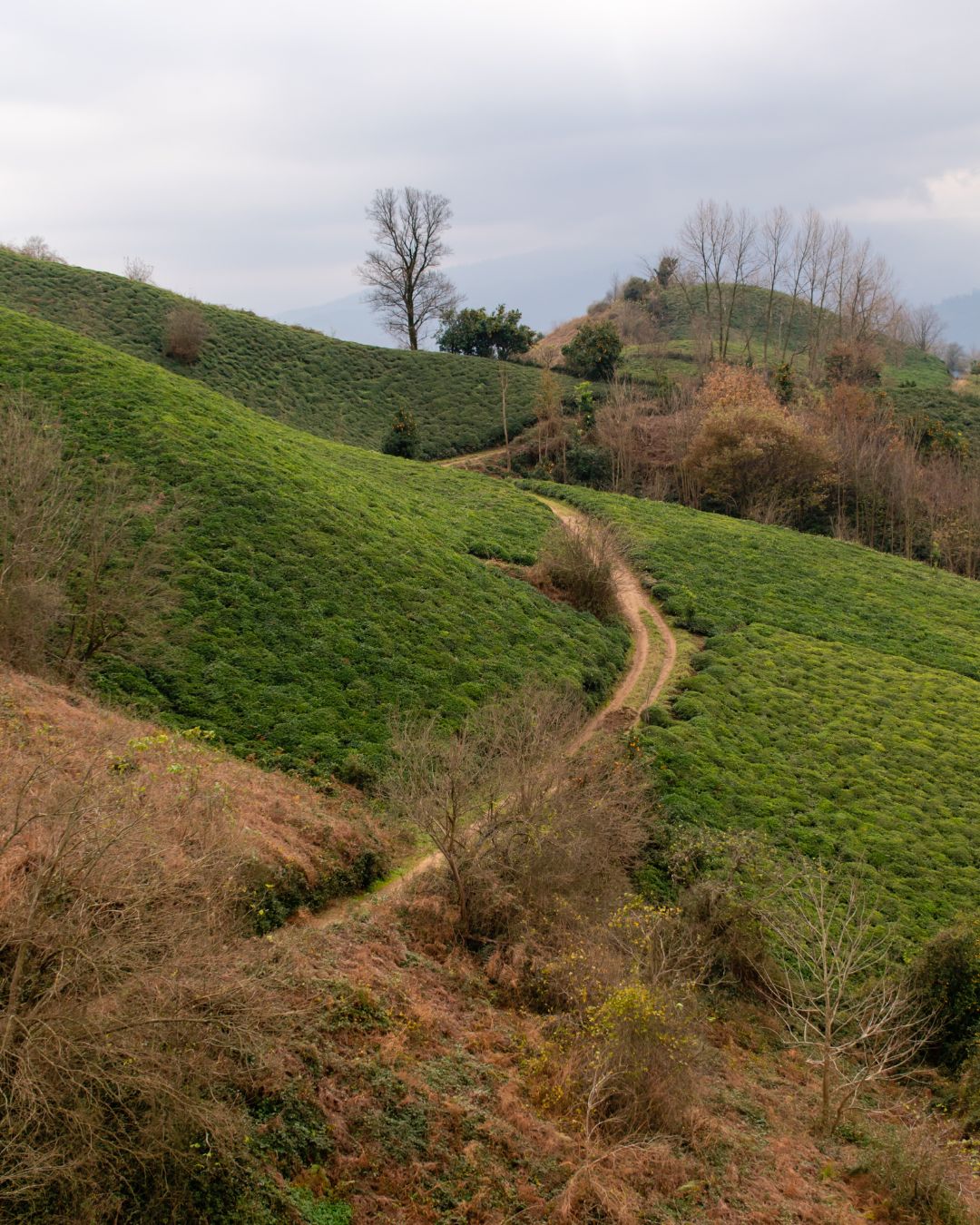
It begins with the land. Coffee usually grows in the tropical belt between the Tropic of Cancer and the Tropic of Capricorn—what the world calls the coffee belt. Countries like Brazil, Vietnam, Colombia, Ethiopia, and Indonesia number among the largest producers. But raising coffee leaves its mark on the earth. One of the heaviest sources of carbon emissions in farming is the simple act of changing how land is used. When forests are cleared to make way for crops, the carbon locked inside the trees is released, and the land’s ability to draw down CO₂ shrinks.
Land-use change is a major driver of global greenhouse gas emissions; according to the IPCC, agriculture, forestry, and other land use together account for about 22 percent of all human-caused greenhouse gases. (Slowly, slowly, the blame for every forest felled seems to be settling upon this one little cup of coffee of mine!)
Coffee also thirsts for water. By some water-footprint studies, producing a single ordinary cup demands around 140 litres—enough, I realise with a start, that a few more cups might fill a small swimming pool. That figure embraces the growing of the plant, the processing of the bean, the washing, and the transport, though the exact number shifts from farm to farm and method to method. Chemical fertilisers, especially the nitrogen-based ones, are another hefty source of emissions. When nitrogen fertiliser breaks down in the soil, it gives off nitrous oxide—a gas with a ferociously high warming effect. But there are gentler ways: shade-grown cultivation, regenerative farming, lighter use of chemicals, thoughtful soil care, and the safeguarding of biodiversity can all reduce the footprint. On many sustainable farms, the shade trees not only nurse a riot of life but also lock away more carbon. I can still take comfort in this: somewhere along the chain, a handful of people are trying, quietly, to lighten the burden of sins my morning coffee carries.
Harvested, Processed, Roasted
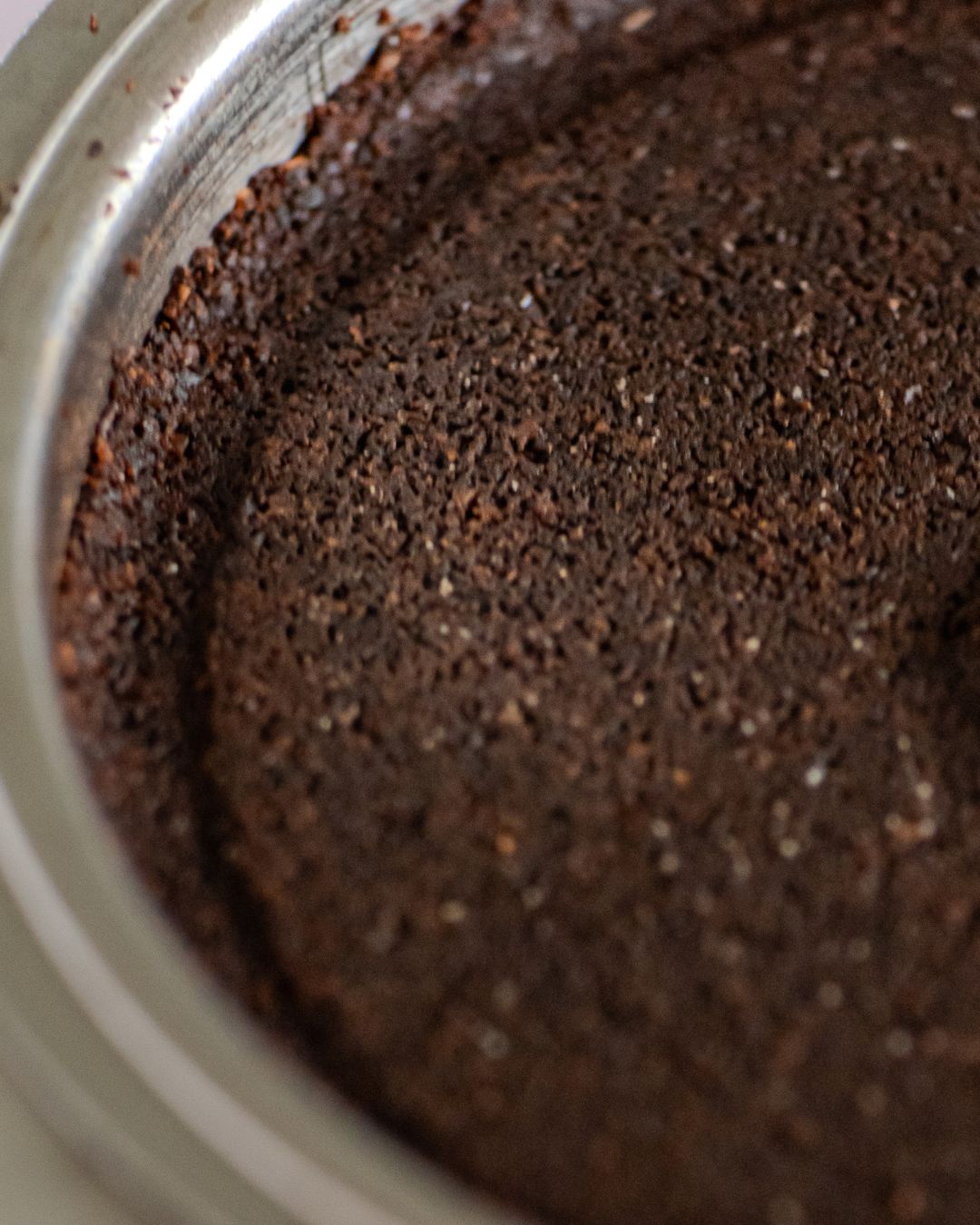
Once the coffee cherries have ripened, the harvest begins. Picking may be done by hand or by machine, but in many producing countries hand-picking is still the norm, because it allows for a more careful selection of the truly ripe fruit. After that, the bean must be separated from the cherry. Two main ways exist: the dry method, where the fruit is left to shrivel in the sun—gentler on energy, though it asks for a great deal of space and the right weather—and the washed method, which uses water to strip away the layers, yielding a cleaner, brighter cup but at a far higher water cost. Processing, drying, roasting, packaging—all of them hunger for energy. Roasting, in particular, is a notable source of emissions, since the beans are heated to fierce temperatures. It is beginning to feel as though everything in the world is conspiring to turn this single cup of coffee into something I should feel guilty about. I like my coffee dark.
A Long Journey to Your Cup
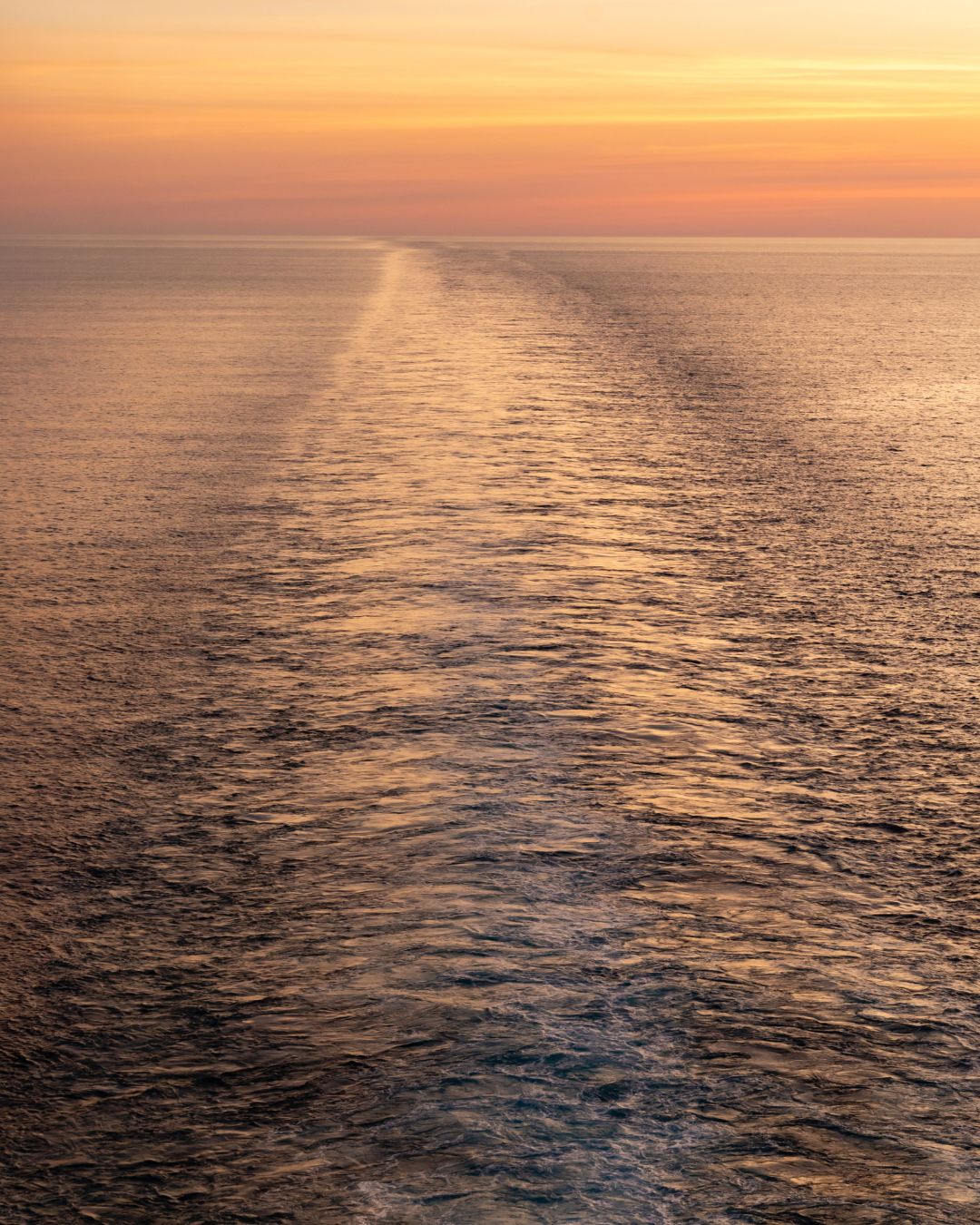
A single bean may then travel thousands of kilometres. The chain of transport strings together trucks, trains, cargo ships, and, in special cases, aeroplanes. Sea freight is far lighter in carbon than air freight, but when millions of tonnes of a product are on the move, the cumulative weight of those emissions is not small. The greater the distance, generally, the more fuel is burned, the more energy is needed for storage, and the higher the emissions climb. And yet distance alone is not the whole story. A far-off product shipped by sea may leave a softer mark than a nearby one hauled by ageing, half-empty trucks. The final stage is the consumer, but the emissions do not stop there (carbon dioxide, it seems, has no intention of releasing its grip on my morning cup). This stage takes in the packaging, the journey to the shop, the power that runs the coffee machine, the water it uses, and the fate of the waste. The spent grounds have their own tale to tell: if they end up in a landfill, starved of oxygen, they can give off methane; but if they are composted, they can slip back into the natural cycle. Before I begin the next paragraph, I take a sip of my coffee.
The Carbon Hidden in Everything
Fortunately, it isn’t only about coffee; almost everything we touch tells a similar story. A simple cotton T-shirt may carry within it the water that grew the cotton, the energy that spun the fibre, the dyes, the miles of transport—and a single pair of jeans can swallow thousands of litres of water before it ever reaches a wardrobe. A tiny mobile phone trails a giant chain behind it: the mining of rare metals, the chip-fabrication plants, the electricity that hummed through the factories, and a globe-spanning dance of freight. Much of a phone’s carbon cost is already locked in before you even take it out of the box. This is where the notion of embodied carbon takes on its meaning: all those emissions that came into being before you ever used the thing. In a building, for example, embodied carbon takes in the quarrying of cement, the forging of steel, the hauling of materials, and the din of construction. The idea matters enormously in architecture, because sometimes the greatest share of a building’s total emissions has already been laid down before anyone moves in. As if the coffee cup were not enough, I’m now beginning to see the very walls and ceiling of my house as ghostly shapes of carbon dioxide.
The Carbon Footprint of Travel
The link between a carbon footprint and travel, too, runs deep. Tourism is one of those human hungers that is fiercely bound to energy. By the estimates of the UN World Tourism Organization and various studies, tourism accounts for roughly 8 percent of the world’s greenhouse gas emissions, and the largest slice of that comes from how we move. The aeroplane is among the most carbon-thick ways to travel; a single long-haul flight can pour out hundreds of kilograms of CO₂ for every passenger aboard. A round trip between distant cities can, for instance, outweigh the emissions of weeks and weeks of ordinary daily driving. As a rough pattern, trains tend to have the lightest mark along many corridors, buses are relatively lean in carbon, a private car depends on how many souls are inside and what kind of vehicle it is, and the plane almost always lays down the heaviest trail of all. And now I find myself glancing at my travel mug, which—wherever I happen to be, in whatever vehicle—is almost always cradled in my hands, full of fresh, hot coffee.
A traveller’s footprint is never just the ticket. Transport usually takes the lion’s share, but where you lay your head at night matters too. Hotels swallow enormous amounts of energy for air conditioning, heating, lighting, and laundry, and various studies suggest that, depending on their category and level of service, they can be responsible for several dozen kilograms of CO₂ per room per night. Food adds its own weight: the growing of ingredients, the transport, the cold storage, the cooking—each step emits. Yet local, seasonal food tends to travel a shorter chain. Leisure pursuits—cruises, recreational vehicles, motorised adventures—can also swell the tally of a journey. And to that list I must add the cup of coffee I hold at the hotel breakfast table.
Travel Lighter, Not Less
As I said at the start of these reflections, I’m not about to give up my morning coffee so easily. But is the goal to erase every last trace? The honest, realistic aim is not to scrub all impacts to zero overnight, but to pare them down as far as we can. A useful rule of thumb: first reduce, then make amends. It’s better, in other words, to fly less, choose trips closer to home, and trim our energy use, and only then think about compensating for whatever remains. Carbon offsetting means investing in projects that either cut emissions or draw carbon back down—reforestation, renewable energy, and the like. But the approach has its limits: some projects may deliver less than they promise, or may quietly become a substitute for real cuts. Buying carbon credits, then, should never turn into a licence to go on living a high-consumption life. And trust me—a single cup of coffee, by any sane accounting, hardly counts as high-consumption at all.
A traveller can lighten their carbon footprint with a handful of simple but real shifts: choose a nearer destination, for sometimes the most beautiful experiences wait just a short distance away; travel slow—instead of a few hurried, bite-sized trips, linger longer in one place and let it sink into you; lean on public transport, because on many routes the train and the bus are the gentler choices for the climate; cut down on short-haul flights, which often punch far above their weight in emissions per kilometre; pick accommodation that takes energy, water, recycling, and environmental policies seriously; eat local, because food is part of the culture of travel but it can also be part of travelling responsibly; and reduce waste by carrying a reusable bottle, a cloth bag, and buying less, but with more care.
Every Choice Leaves a Mark

A cup of coffee is never just coffee. That little cup is a gathering of soil, water, energy, technology, human labour, and a whole world-spanning weave of transport. A plane ticket is never just a seat; behind it lie the extraction of oil, the refining of fuel, the building of aircraft, airports, flight paths, and the silent release of greenhouse gases. To travel responsibly means learning to see these hidden stories, and knowing that our choices have already travelled a long road before we ever reach our destination.
Let’s come back to that first cup of the morning. The cup sits on the table, but damn it, it is no longer just a drink. We know its story now: the story of the soil of a farm, the story of the water’s every drop, the story of the energy in factories, the story of the ships that crossed oceans, the story of the human beings who worked along the chain. Let me answer, with a rough rule of thumb, the question we began with. A simple espresso carries a carbon footprint somewhere between 30 and 150 grams of CO₂e. For other coffee drinks, that figure can rise to as much as 600 grams. So if we’re about to down our cup (and I am, in fact, about to do just that), we do it a little more knowingly now. A carbon footprint reminds us that no choice floats entirely free of the earth. Every choice leaves a mark, sometimes small, sometimes immense. But when billions of small choices are laid side by side, they shape the future of the planet.
If you, too, are at this moment draining the last drops from your cup, just as I am—here’s to it, drink it in good health.