












A Legend Called Luxury
For a moment, picture luxury travel: Via Privata Fratelli Gabba in Milan, a Mercedes-Maybach S-Class, and a traveler pulling into the grounds of Bvlgari Hotel Milano—a hotel at €1,100 to €2,000 a night. That’s my mental image of luxury; I’ve had a close-up taste of something like it in Vienna!
For years, luxury travel has been associated with overconsumption, and sustainable travel with simplicity and giving up comfort. Out of this contrast, a legend has taken shape:
“Luxury travel can’t be sustainable, and sustainable travel isn’t luxurious.”
I’m not against luxury travel; I have a problem with consumerism—something I tackle in my article The Art of Enough: Finding Joy in Simple Photography. But the definition of luxury in the twenty-first century is changing. Wealthy travelers are after deep, authentic, meaningful experiences more than consumption. Soon, perhaps, the quality of the experience will be a greater luxury than the number of flights. So if you’ve inherited an old house in a historic village from your ancestors, don’t rush to sell it!
The Price of More Consumption

For decades, luxury tourism rested on a simple belief: more consumption means a better experience—bigger hotels, more amenities, and more distance from the real life of the destination. In that view, nature was little more than a backdrop for consumption.
Tourism may account for 8 to 10 percent of the global economy, but it also accounts for roughly 8 percent of greenhouse gas emissions. Its carbon emissions reached about 4.5 billion tonnes of CO₂ equivalent in 2013. (I take this up in What Does a Carbon Footprint Mean? (A Morning Coffee Story).)
On the other hand, luxury has often been tied to showing off social status. In 1899, Thorstein Veblen called this “conspicuous consumption”: consumption meant to display social standing, not to meet a need. In tourism, too, quick trips for the photo, stays in famous hotels, and endless flights can sometimes turn travel into a display of consumption rather than an experience of a place. (I take this up in The Instagram Picture and the Fragile Truth Behind It.)
Redefining Luxury
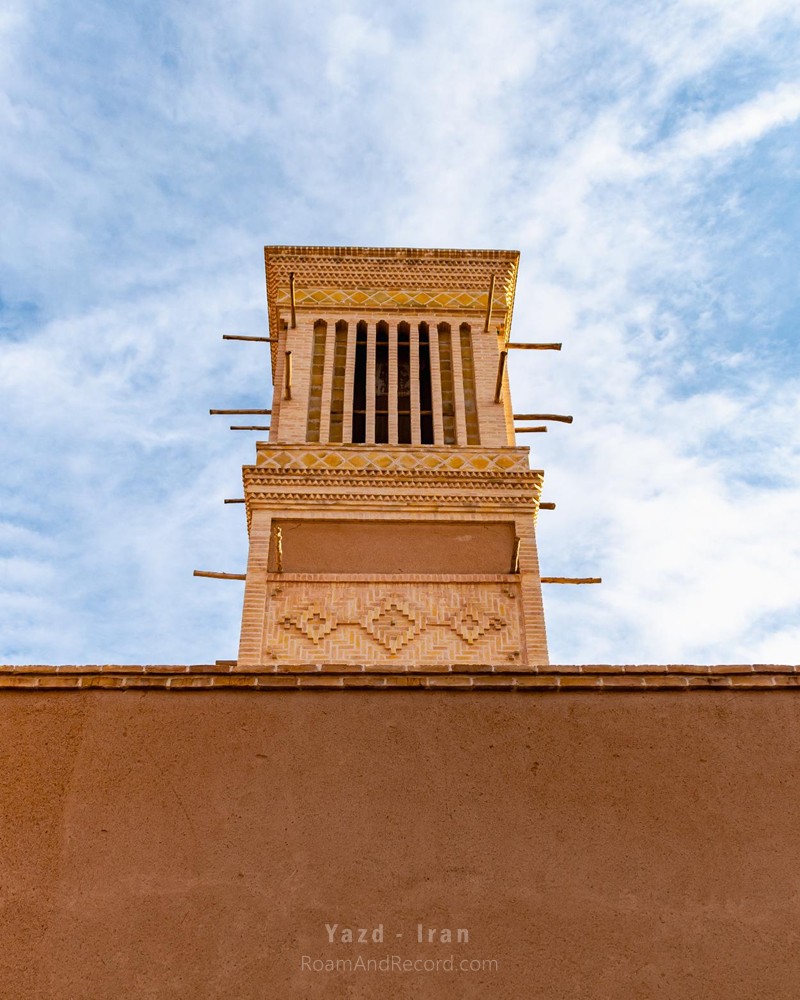
One common misunderstanding is that we equate sustainability with giving up comfort—when in fact it means causing less harm and getting more value from the experience. A small forest lodge with local architecture, local food, and clean energy may be more luxurious than a massive, high-consumption hotel—even that old ancestral house in a historic village!
We need to distinguish luxury from consumerism. If luxury once meant having more things, today it can mean having the things that are harder to find: silence, time, untouched nature, real food, and human connection.
Picture two travelers: one takes three short trips a year, with multiple flights; the other devotes one long trip to a small stay and a deep connection with the destination. The second may spend more, but leaves a lighter footprint. Maybe the new luxury rests on four things: calm, authenticity, connection to place, and quality over quantity. And while you’re at it, it wouldn’t hurt to read Charles Taylor’s The Ethics of Authenticity.
Price Is No Gauge of Sustainability
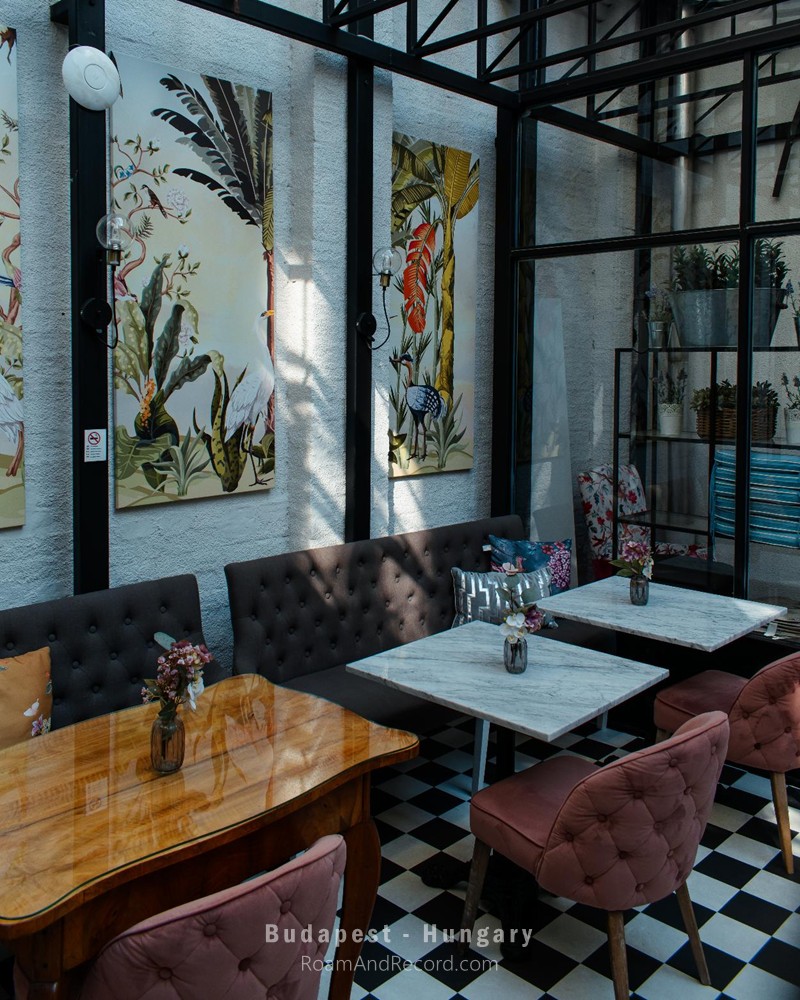
Does luxury travel always do damage? No. What decides a trip’s impact isn’t the price tag but the mode of transport, the energy and water use, where the food comes from, and how the traveler behaves. A five-star hotel running on clean energy and managing its resources sensibly can be more sustainable than a cheap place that guzzles everything in sight. Cheaper, after all, doesn’t automatically mean gentler.
Hotels account for roughly 1 to 2 percent of global CO₂ emissions. Luxury hotels tend to burn through more energy—but precisely for that reason, they also have more room to change and to shrink that footprint.
Luxury with a Lighter Footprint
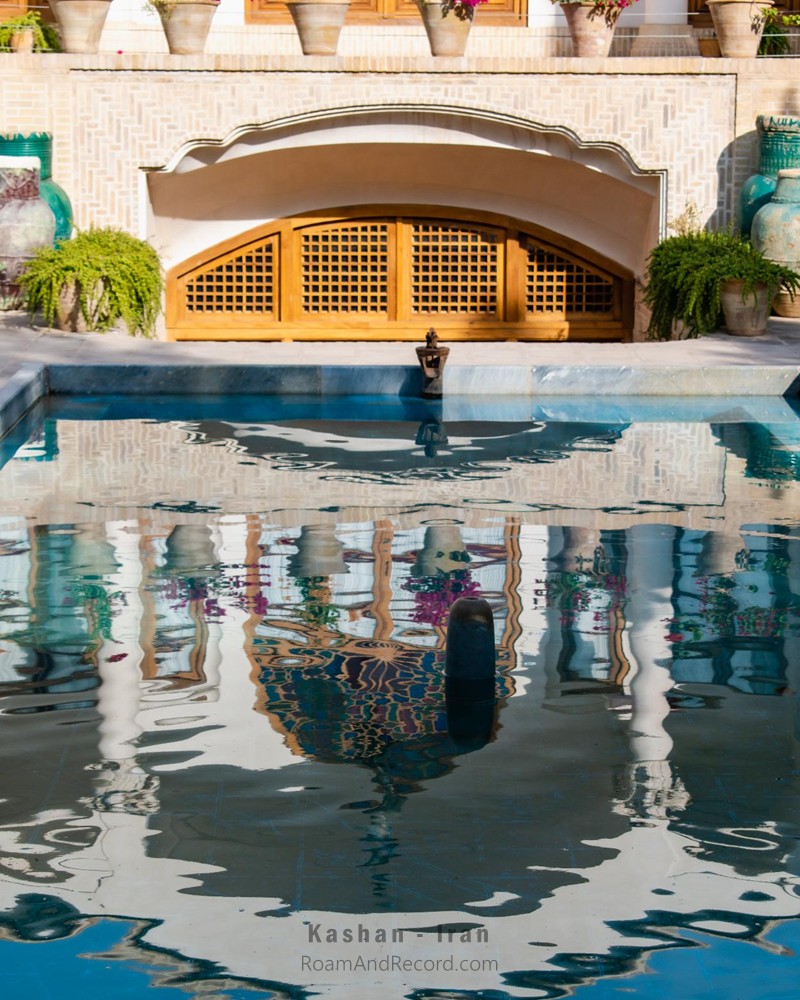
Sustainable luxury means keeping the comfort and the beauty while dropping the unnecessary, destructive parts of luxury. Maybe the value of a trip isn’t set by the size of the suite but by watching the sunrise in the silence of nature, eating local food, or staying in architecture that fits its surroundings.
Renewable energy, smart water management, local materials, and financial support for conservation all show that luxury and responsibility can sit at the same table. On a trip like that, the traveler is no longer just a consumer; they’re a partner in protecting the destination.
The Cost You Don’t See
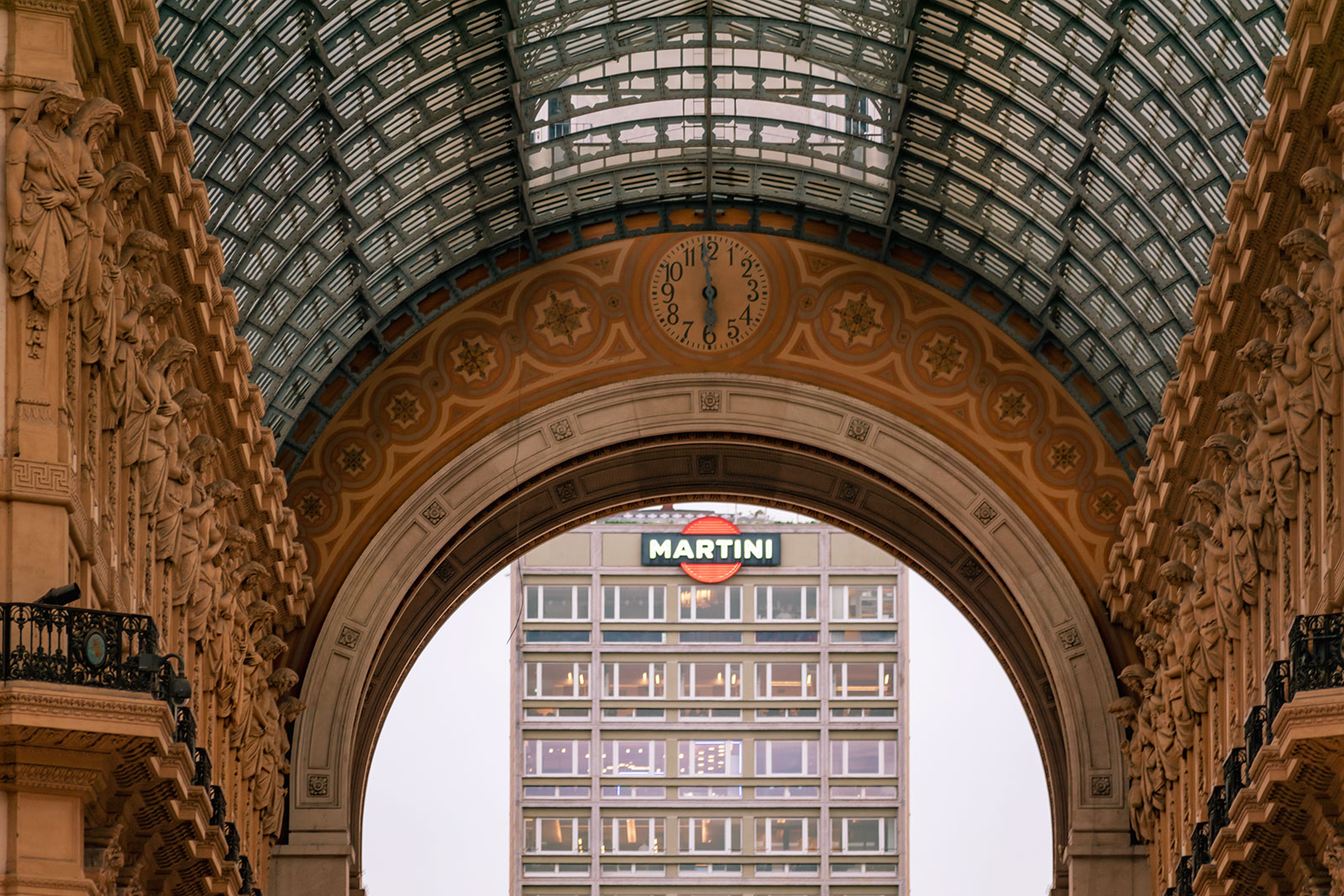
Here’s the paradox of cheap travel: paying less doesn’t necessarily mean doing less harm. Cheap flights and quick trips fuel mass tourism; the traveler pays less, but the destination picks up the tab—in crowds, waste, pressure on resources, and damage to nature. Venice, Barcelona, and Bali are familiar examples of this contradiction.
Meanwhile, the meaning of comfort has shifted too. Today, silence, local food, empty space, and a connection to how people actually live may be more luxurious than a bigger room. Wealthy travelers, too, can change the direction of the tourism industry through their choices—from clean energy to conservation. Sometimes the power of a single choice matters more than the number of people making it.
The Choices That Make the Difference
The biggest challenge in luxury travel is transport: intercontinental flights, short hops, and private jets. The fix may be simpler than we imagine: travel less, stay longer, and give ourselves more time to get to know the place.
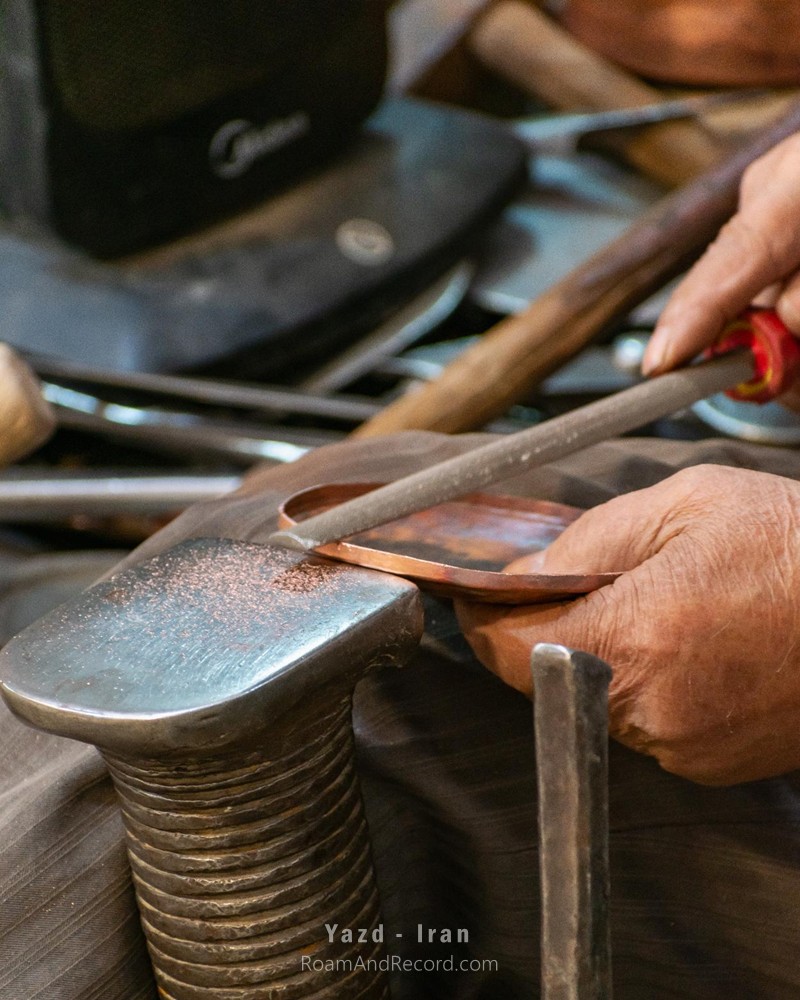
Sustainable luxury isn’t only about nature; the local community should get a share of it too. Hiring local people, supporting local crafts, and preserving local culture turn a trip from an experience of consumption into a two-way relationship.
There was a time, perhaps, when we measured wealth by what we consumed; today, time, calm, and a deep connection to a place can be the new markers of luxury. That’s exactly the gap between slow travel and the rushed, high-consumption kind.
A Legacy for After We’re Gone
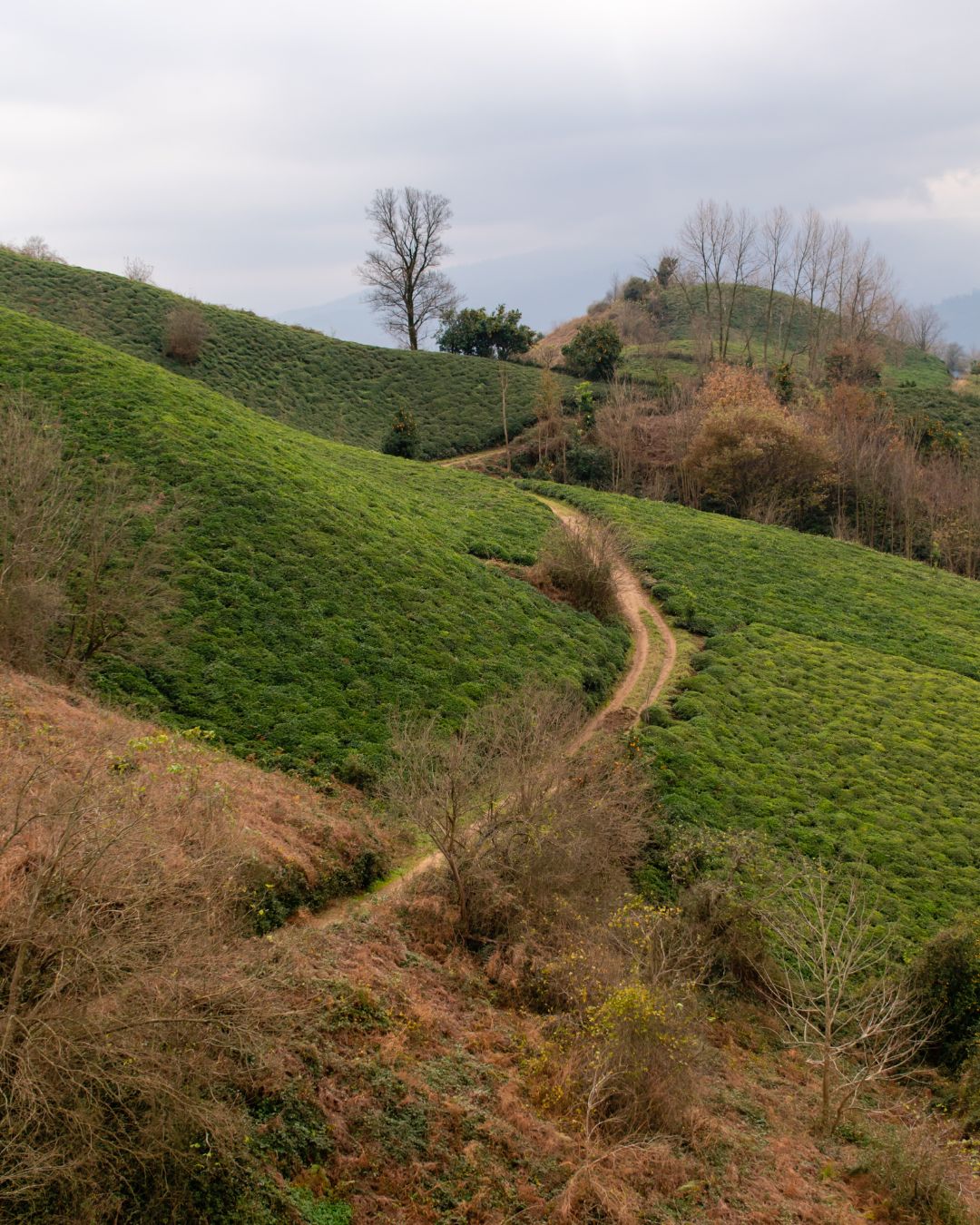
Maybe the real shift in luxury travel is a change in how we define success: not more consumption, but a deeper experience with the least possible damage. True luxury means enjoying the beauty of the world without taking anything away from it. The future of luxury travel isn’t more travel; it’s better travel—the kind that leaves its beauty intact for the generations after us.