My Notes on
S I N G P O R E
The Taste of Air
How does a place imprint itself on your senses?
How does a place imprint itself on your senses?
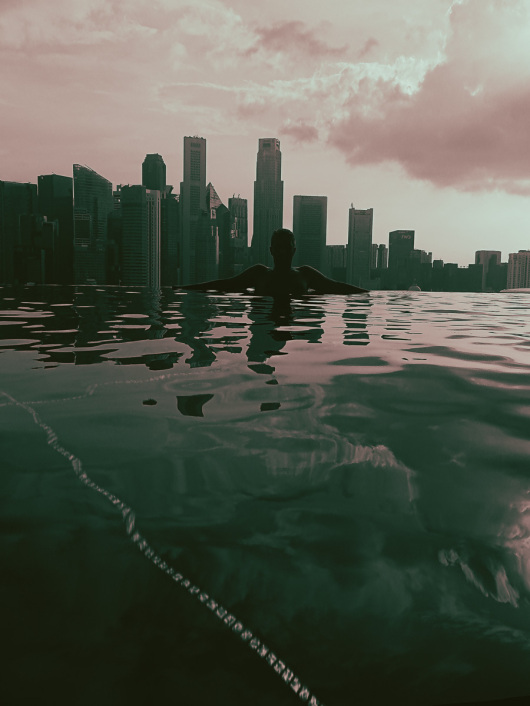
I catch the layered soundscape—the clipped, musical lilt of Singlish threading through the automated polyglot of MRT announcements, all humming beneath the low, unrelenting drone of air-conditioning. The air, saturated with tropical heat, carries a volatile mix: the durian’s pungent, rebellious funk, or else the familiar, grounding warmth of freshly roasted coffee and spice.
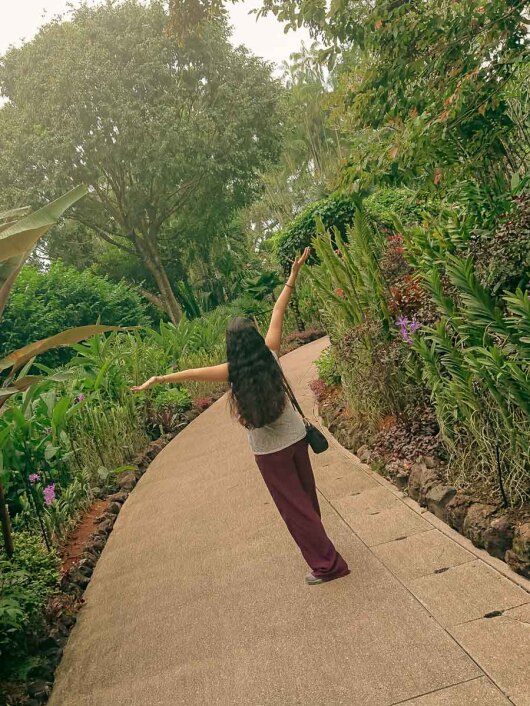
Here, a shocking, dense green presses relentlessly against grey city concrete. And the taste? It arrives with a bite of kaya toast—that perfect, salty-sweet contradiction—or the creamy, almost sulfuric shock of durian on the tongue. In the end, a city is never seen; it is inhaled, overheard, and swallowed.
Here, a shocking, dense green presses relentlessly against grey city concrete. And the taste? It arrives with a bite of kaya toast—that perfect, salty-sweet contradiction—or the creamy, almost sulfuric shock of durian on the tongue. In the end, a city is never seen; it is inhaled, overheard, and swallowed.
A Boundary of Tides
What truly defines a border?
What truly defines a border?
When I stand at the water’s edge, I realize that the sea, not soil, is the true architect of this place. To the north lies the Johor Strait, a natural divide from Malaysia; to the south, the Singapore Strait.
This island was not forged by towering mountains or mighty rivers, but by its strategic perch at the tip of the Malay Peninsula, commanding the vital Strait of Malacca. It is a realm shaped entirely by the water.
Yet, the lines we draw on maps were ultimately anchored by human hands—the Anglo-Dutch Treaty of 1824, and later accords in 1927 and 1995, tracing the deep channels of the Johor Strait. Here, I see that a border is never merely a wall; it is a bridge of tides.
This island was not forged by towering mountains or mighty rivers, but by its strategic perch at the tip of the Malay Peninsula, commanding the vital Strait of Malacca. It is a realm shaped entirely by the water.
Yet, the lines we draw on maps were ultimately anchored by human hands—the Anglo-Dutch Treaty of 1824, and later accords in 1927 and 1995, tracing the deep channels of the Johor Strait. Here, I see that a border is never merely a wall; it is a bridge of tides.
The Other Singapore
What lies beyond the image of Singapore?
What lies beyond the image of Singapore?
Pulau Ubin is almost the opposite of the Singapore I had imagined: a hyper-modern, immaculate city of glass towers and Gardens by the Bay.
On Ubin, the pace changes. Tin-roofed wooden houses, old boats, forest paths, and the last kampongs remain. For many residents, even electricity and running water are not a given. Just ten minutes by boat from Changi, the island feels as though it has slipped through a crack in time.
Perhaps that is what travel is for: not simply to confirm the image we carry with us, but to discover what exists quietly behind it.
On Ubin, the pace changes. Tin-roofed wooden houses, old boats, forest paths, and the last kampongs remain. For many residents, even electricity and running water are not a given. Just ten minutes by boat from Changi, the island feels as though it has slipped through a crack in time.
Perhaps that is what travel is for: not simply to confirm the image we carry with us, but to discover what exists quietly behind it.
The Shadow Coordinates
What do a nation’s omissions reveal about its soul?
What do a nation’s omissions reveal about its soul?
I’ve always found that a city reveals itself most clearly in what it chooses to omit. Singapore’s official map—so meticulous in charting its orchid-draped gardens and sleek financial towers—turns curiously vague when my eye drifts south. There, Pulau Senang, Pulau Pawai, and Pulau Sudong sit as mute military blanks, islands you cannot visit, where the only stories are of live firing and reclaimed silence. To the east, Pulau Tekong swells with territory wrested from the sea, a fortress of conscription whose drills never make it into the tourist brochures.
The state’s polished narrative hums with progress and multiracial grace. It says almost nothing about the prisons that once haunted those shores, or the visceral crack of gunfire across the straits. Even Geylang—a lawful enclave of neon and desire—is brushed aside in the official portraits. These are the city’s shadow coordinates, the gaps that give its brightness such acute depth. A nation, like a person, is defined not just by its face, but by what it turns away from the light.
The state’s polished narrative hums with progress and multiracial grace. It says almost nothing about the prisons that once haunted those shores, or the visceral crack of gunfire across the straits. Even Geylang—a lawful enclave of neon and desire—is brushed aside in the official portraits. These are the city’s shadow coordinates, the gaps that give its brightness such acute depth. A nation, like a person, is defined not just by its face, but by what it turns away from the light.
Talk at the Table
What do people talk about over a meal?
What do people talk about over a meal?
At the hawker centre or kopitiam, conversation is usually practical and brief. Where should we eat next? Which stall is better? Then come the familiar subjects: the heat, the sudden rain, the cost of living, the endless queues—and sometimes the MRT or the traffic.
Nothing grand, nothing rehearsed. Just small talk shaped by everyday life. Perhaps this is one of the quiet pleasures of travel: sitting at a table or waiting in line, and discovering a place through the ordinary things people talk about.
Nothing grand, nothing rehearsed. Just small talk shaped by everyday life. Perhaps this is one of the quiet pleasures of travel: sitting at a table or waiting in line, and discovering a place through the ordinary things people talk about.
Destination Digest
Islands Within
Where does a city hide its other selves?
Where does a city hide its other selves?
When I step onto Pulau Ubin, or seek out the mainland’s last kampong at Lorong Buangkok, I feel I’ve slipped through a tear in time’s fabric. The frantic precision of the MRT and the towering geometry of HDB blocks dissolve into dirt paths, untamed wildlife, and the languid pulse of a bygone era. It is a world away.
Yet, I need not leave the island to cross a border. On a Sunday, I wander into Little India. Amidst the vibrant throng of migrant workers and the intoxicating energy of the streets, the air shifts. The meticulous cityscape fades, and I find myself breathing the air of another country entirely. In these margins, the city reveals its many souls.
Yet, I need not leave the island to cross a border. On a Sunday, I wander into Little India. Amidst the vibrant throng of migrant workers and the intoxicating energy of the streets, the air shifts. The meticulous cityscape fades, and I find myself breathing the air of another country entirely. In these margins, the city reveals its many souls.
The Secret Hinges
What secret password grants entry to a city's private heart?
What secret password grants entry to a city's private heart?
To walk through Singapore is to realize that belonging is not a passport but a pronunciation. The true cartography of the island is drawn not in street names, but in a handful of sonic talismans: Lah, softening every statement into a shared shrug; Can, that short, affirmative pulse of possibility; Uncle and Auntie, terms that transform strangers into surrogate kin, offering deference with a smile. To Chope a hawker table with a packet of tissues is to claim a temporary kingdom, while Shiok—that visceral release of pure pleasure—and Makan, the open invitation to eat, ground you in the rhythm of the everyday.
Yet the real rite of passage happens at the coffee stall. Stumbling through "Kopi-C siew dai"—coffee with evaporated milk, light on sugar—is not merely an order; it is a coded handshake. The distance between outsider and insider evaporates in that single, clumsy utterance. Catching the hawker's eye with a respectful nod, you shed the tourist's hesitance and step briefly into the skin of a regular. These words are less vocabulary than vibration—the small, secret hinges on which the city swings open to welcome you in.
Yet the real rite of passage happens at the coffee stall. Stumbling through "Kopi-C siew dai"—coffee with evaporated milk, light on sugar—is not merely an order; it is a coded handshake. The distance between outsider and insider evaporates in that single, clumsy utterance. Catching the hawker's eye with a respectful nod, you shed the tourist's hesitance and step briefly into the skin of a regular. These words are less vocabulary than vibration—the small, secret hinges on which the city swings open to welcome you in.
The Architecture of Welcome
What is the silent language of hospitality?
What is the silent language of hospitality?
To cross the threshold of an Asian home is to step into a sacred geometry of respect. I always leave my shoes at the door, shedding the dust of the outside world. I bring a modest offering—perhaps fruit or sweets—mindful of culture's silent languages: never a clock or knife to a Chinese host, and never pork or wine to a Muslim friend. Punctuality, too, is offered as a quiet tribute.
Yet, this warmth is bounded by invisible fences. I have learned to guard personal space, to keep public affection muted, and to let my achievements speak softly. If a host gently declines my invitation twice, I know to step back; true grace lies in knowing when not to push. Ultimately, all these delicate rituals converge on a single, universal altar: the shared meal. Here, across the table, the world shrinks, and strangers become kin.
Yet, this warmth is bounded by invisible fences. I have learned to guard personal space, to keep public affection muted, and to let my achievements speak softly. If a host gently declines my invitation twice, I know to step back; true grace lies in knowing when not to push. Ultimately, all these delicate rituals converge on a single, universal altar: the shared meal. Here, across the table, the world shrinks, and strangers become kin.
Unwritten Rules
What habits surprise a traveler?
What habits surprise a traveler?
Some places reveal themselves through their unwritten rules. In Singapore, I noticed them in the small things: marking a table with a packet of tissues to claim a seat, standing in long, orderly queues even for the simplest things, arriving almost unfailingly on time, and keeping a respectful distance from strangers.
Bargaining is rarely part of the scene, except in a few street markets. Even greetings tend to be brief and direct. At first, these habits can feel unfamiliar, almost rigid. But after a while, I began to see another side of them: a quiet social agreement about space, time, and consideration for others.
Perhaps every city has its own choreography. You only notice it when you stop and watch.
Bargaining is rarely part of the scene, except in a few street markets. Even greetings tend to be brief and direct. At first, these habits can feel unfamiliar, almost rigid. But after a while, I began to see another side of them: a quiet social agreement about space, time, and consideration for others.
Perhaps every city has its own choreography. You only notice it when you stop and watch.
The Memory Beneath the City
What memories still shape Singapore?
What memories still shape Singapore?
Singapore’s kiasu spirit—the fear of being left behind—can be felt in the fierce competition, the long queues, and a certain constant watchfulness. Perhaps some of it comes from the memories of migration, the Japanese Occupation, and the separation of 1965, when uncertainty was not an abstract idea but part of everyday life.
And yet, alongside this competitive instinct, the kampong spirit survives: the old sense of neighborhood and looking out for one another. You can still glimpse it in small acts of help, in shared spaces, and beneath the void decks of public housing.
Perhaps a city is never entirely new. It carries its past quietly, in habits and gestures, even when its skyline has changed.
And yet, alongside this competitive instinct, the kampong spirit survives: the old sense of neighborhood and looking out for one another. You can still glimpse it in small acts of help, in shared spaces, and beneath the void decks of public housing.
Perhaps a city is never entirely new. It carries its past quietly, in habits and gestures, even when its skyline has changed.
Cities of Singapore so far
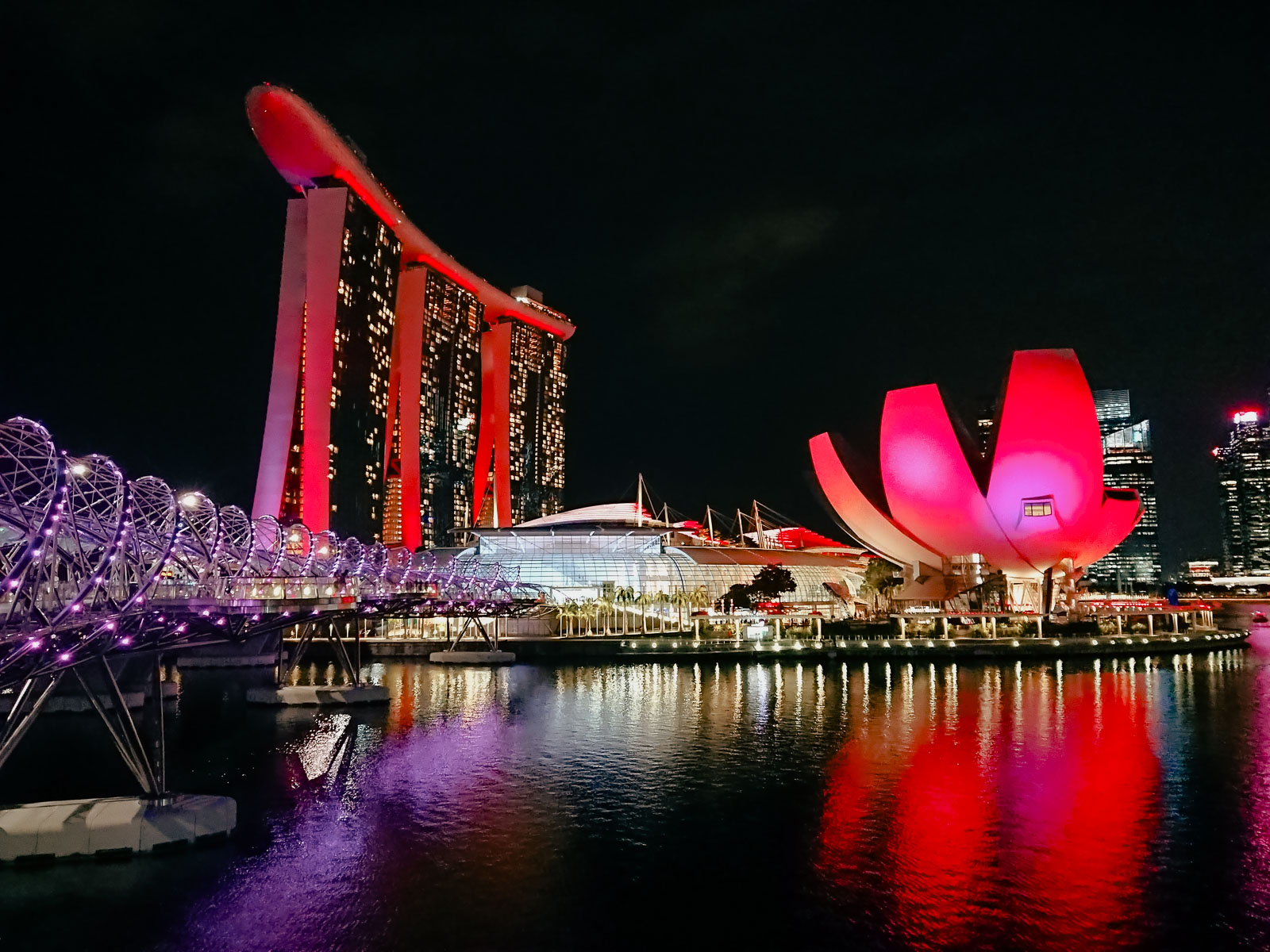
The Uncurated Stage
Where does a city keep its unguarded pulse?
Where does a city keep its unguarded pulse?
I have come to see that a city’s truest autobiography is seldom stamped in glass. Forget the soaring galleries and the pristine gardens. The real manuscript is written at the hawker centre during the noon torrent: a queue that enforces its own quiet democracy, a tissue packet planted on a table like a sovereign flag, and an order of noodles rattled off like a private incantation. Strangers share battered trays, exchanging brief grace notes of “uncle” and “auntie,” then scatter back into the heat—a fleeting, beautiful choreography of shared hunger.
Wander a few blocks to the void deck, those bare concrete amphitheaters beneath the towering HDB flats. Here, the unvarnished drama of daily life plays out without a single plaque: elderly men plotting over chess, children claiming the grey floor as their canvas of chalk, and migrant workers easing their tired limbs onto the cool cement. No guidebook directs you here. No museum label interprets these scenes.
The grand monuments speak of ambitions; these forgotten floors speak of breathing. The former is the face the city puts forward for the world; the latter is the rhythm it keeps to itself when no one is watching—unpolished, uncurated, and vividly, irreplaceably alive.
Wander a few blocks to the void deck, those bare concrete amphitheaters beneath the towering HDB flats. Here, the unvarnished drama of daily life plays out without a single plaque: elderly men plotting over chess, children claiming the grey floor as their canvas of chalk, and migrant workers easing their tired limbs onto the cool cement. No guidebook directs you here. No museum label interprets these scenes.
The grand monuments speak of ambitions; these forgotten floors speak of breathing. The former is the face the city puts forward for the world; the latter is the rhythm it keeps to itself when no one is watching—unpolished, uncurated, and vividly, irreplaceably alive.
The Currency of Moments
How do we truly live?
How do we truly live?
In this city of relentless momentum, I often wrestle with the ghost of kiasu—that quiet, pervasive dread of missing out. To waste time, I have come to realize, is not merely to linger or wander without a map. It is the agonizing delay, the aimless drift that leaves you feeling you have let a precious opportunity slip through your fingers.
Yet, to truly live is an entirely different art. It is found in the slow, deliberate savoring of a rich meal, or the patient endurance of a long queue for something genuinely worth having. It is the unhurried laughter shared with loved ones, and the quiet efficiency of a life lived with purpose. When I sit down to simply rest without a goal, a familiar guilt sometimes whispers that I am falling behind. But I am learning that living well is not just about optimizing every second; it is about choosing which moments are truly worthy of our fleeting time.
Yet, to truly live is an entirely different art. It is found in the slow, deliberate savoring of a rich meal, or the patient endurance of a long queue for something genuinely worth having. It is the unhurried laughter shared with loved ones, and the quiet efficiency of a life lived with purpose. When I sit down to simply rest without a goal, a familiar guilt sometimes whispers that I am falling behind. But I am learning that living well is not just about optimizing every second; it is about choosing which moments are truly worthy of our fleeting time.
Custodians of the Quiet
Whose hands truly uphold a city?
Whose hands truly uphold a city?
Official histories, I've noticed, are always quick to install war heroes—figures like Lim Bo Seng—on their pedestals, their sacrifices neatly carved into the national ledger. Yet the pulse of a place beats in a far quieter, humbler register. I think of the old kopi uncle, whose wrist seems calibrated to the city's metabolic rhythm, pulling his brew through its silk sock before the sun has even thought of rising. I think of the nocturnal cleaners, spectral figures whose brooms sweep away yesterday's debris so that the world might wake to a brand-new face.
I recall the busker in MacRitchie, coaxing an otherworldly cry from a common carpenter's saw, his notes dissolving into the tropical canopy like a secret shared only with the monkeys. And then there are the local Taoist goddesses—Lin Gu Niang and her kind—protectors of a single lane or an HDB corner, whose shrines are crowded with whispered anxieties but absent from any glossy brochure. The famous ones defend the borders; these anonymous souls cradle the interior. Their names may never grace a memorial, but it is they who weave the city's quiet, continuous now—one cup, one sweep, one wandering tune at a time.
I recall the busker in MacRitchie, coaxing an otherworldly cry from a common carpenter's saw, his notes dissolving into the tropical canopy like a secret shared only with the monkeys. And then there are the local Taoist goddesses—Lin Gu Niang and her kind—protectors of a single lane or an HDB corner, whose shrines are crowded with whispered anxieties but absent from any glossy brochure. The famous ones defend the borders; these anonymous souls cradle the interior. Their names may never grace a memorial, but it is they who weave the city's quiet, continuous now—one cup, one sweep, one wandering tune at a time.
Beneath the manicured serenity of this island lies a heavy, unspoken history. As I walk these tranquil streets, I am reminded of the shadows of the past: the brutal Sook Ching massacres during the Japanese occupation, and the bloody racial riots of 1964. These are not mere footnotes; they are the ghosts that still shape the present.
This collective trauma illuminates the city’s rigid, almost anxious embrace of multiracialism and its deep-seated dread of social fracture. When I observe the immaculate, meticulously controlled metropolis of today, I see more than just urban planning. I see a profound, deliberate response to the chaos of yesterday. The pristine order we so admire is, in truth, a beautiful fortress built against the memory of blood.
This collective trauma illuminates the city’s rigid, almost anxious embrace of multiracialism and its deep-seated dread of social fracture. When I observe the immaculate, meticulously controlled metropolis of today, I see more than just urban planning. I see a profound, deliberate response to the chaos of yesterday. The pristine order we so admire is, in truth, a beautiful fortress built against the memory of blood.
The Architecture of Memory
What haunts this perfection?
What haunts this perfection?
The Fragile Exception
What is the secret fear that fuels a nation's success?
What is the secret fear that fuels a nation's success?
I have come to recognize that the most potent national myths are those whispered, not proclaimed. Singapore's foundational legend, the one it tells itself in the small hours, is not about prosperity but about precarity. "We are exceptional," the logic runs, "because we are utterly exposed." Stripped of oil, water, or the vast hinterlands that cradle other lands, this island has willed itself into existence on the twin pillars of meritocracy and discipline. The world looks upon the gleaming skyline and sees a miracle. But the locals, I suspect, see something else entirely: a tightrope stretched over a chasm, where the slightest tremor could send everything tumbling.
To the outsider, the city is a monument to triumph; to the insider, it is a fragile house of cards, built over a vulnerability that never quite vanishes. The tourist snaps the glittering facade; the citizen keeps a wary eye on the horizon. This constant consciousness of being a tiny, precious exception in a volatile sea is not just history—it is the country's hidden fuel and its private, restless ache.
To the outsider, the city is a monument to triumph; to the insider, it is a fragile house of cards, built over a vulnerability that never quite vanishes. The tourist snaps the glittering facade; the citizen keeps a wary eye on the horizon. This constant consciousness of being a tiny, precious exception in a volatile sea is not just history—it is the country's hidden fuel and its private, restless ache.
Stories Before Singapore
Can a place be entered through its stories?
Can a place be entered through its stories?
Before visiting Singapore, I like to meet it first through its stories. Ilo Ilo, by Anthony Chen, offers an intimate glimpse of everyday life, while Crazy Rich Asians shows a more glamorous, heightened Singapore.
For fiction, How We Disappeared by Jing-Jing Lee opens a window onto the shadows of the past, while Lee Kuan Yew’s The Singapore Story gives a more political account of the nation’s making.
Then there is music: Home by Kit Chan, with its quiet sense of belonging, and Majulah Singapura, the national anthem, carrying the voice of a young nation.
And perhaps poetry brings the city closest. Edwin Thumboo’s poems about the Merlion turn one of Singapore’s most familiar symbols into something more reflective—a way of seeing the city through memory, myth, and place.
Sometimes, the best way to begin a journey is not with a map, but with a story.
For fiction, How We Disappeared by Jing-Jing Lee opens a window onto the shadows of the past, while Lee Kuan Yew’s The Singapore Story gives a more political account of the nation’s making.
Then there is music: Home by Kit Chan, with its quiet sense of belonging, and Majulah Singapura, the national anthem, carrying the voice of a young nation.
And perhaps poetry brings the city closest. Edwin Thumboo’s poems about the Merlion turn one of Singapore’s most familiar symbols into something more reflective—a way of seeing the city through memory, myth, and place.
Sometimes, the best way to begin a journey is not with a map, but with a story.
Our Stories from Singapore
-

Is Sustainable Tourism Only for Backpackers?
-
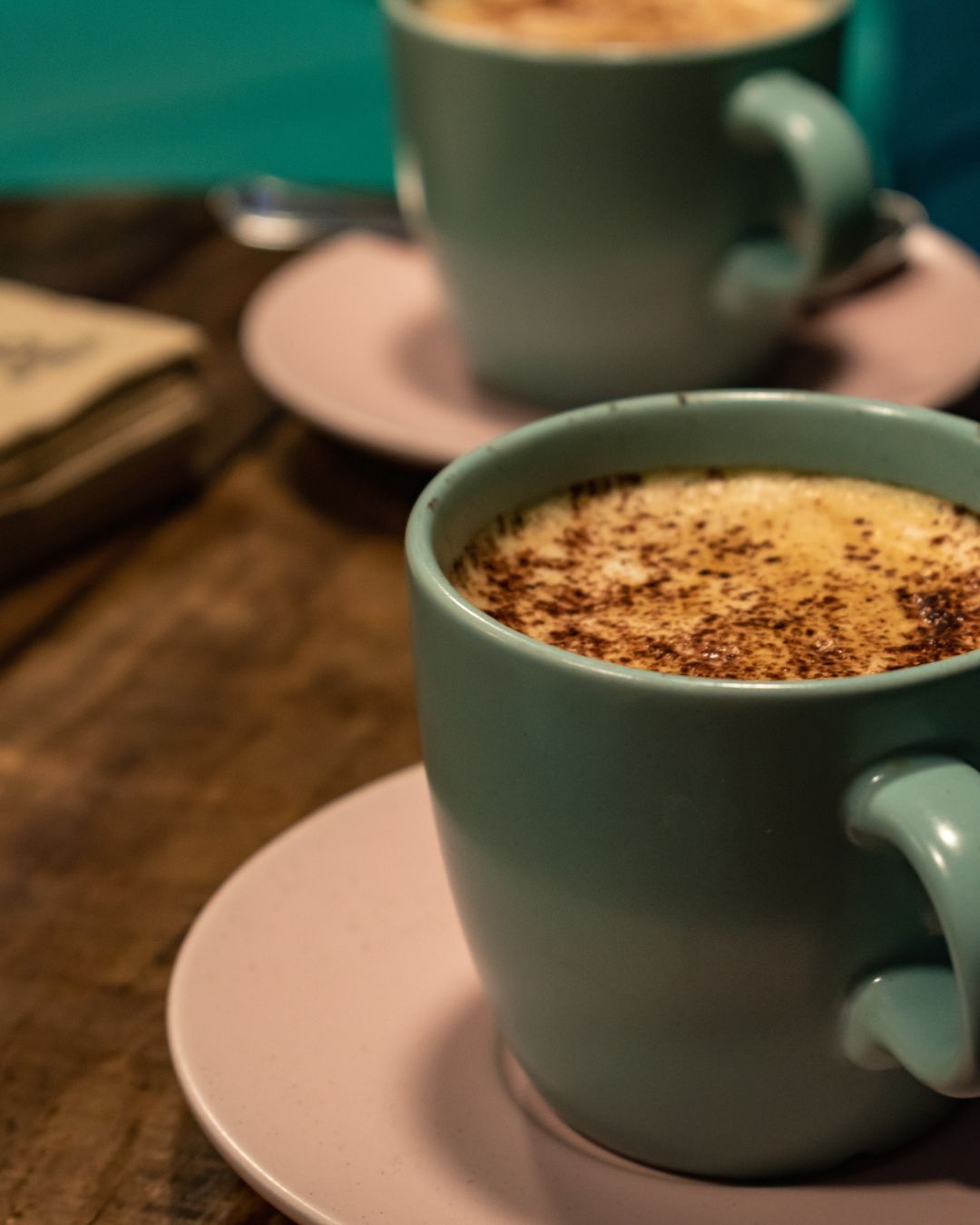
What Does a Carbon Footprint Mean? (A Morning Coffee Story)
-
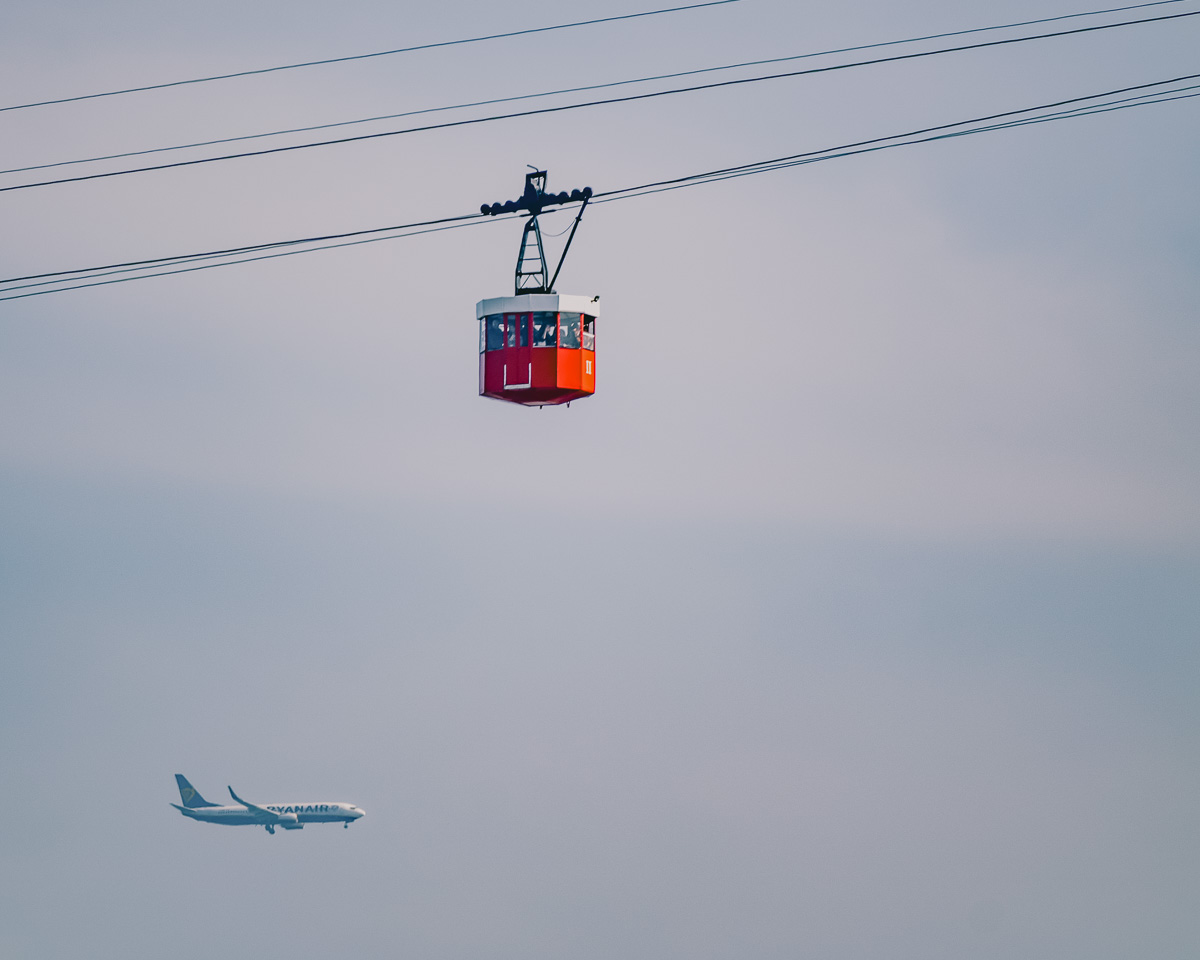
An Introduction to Sustainable Travel
-
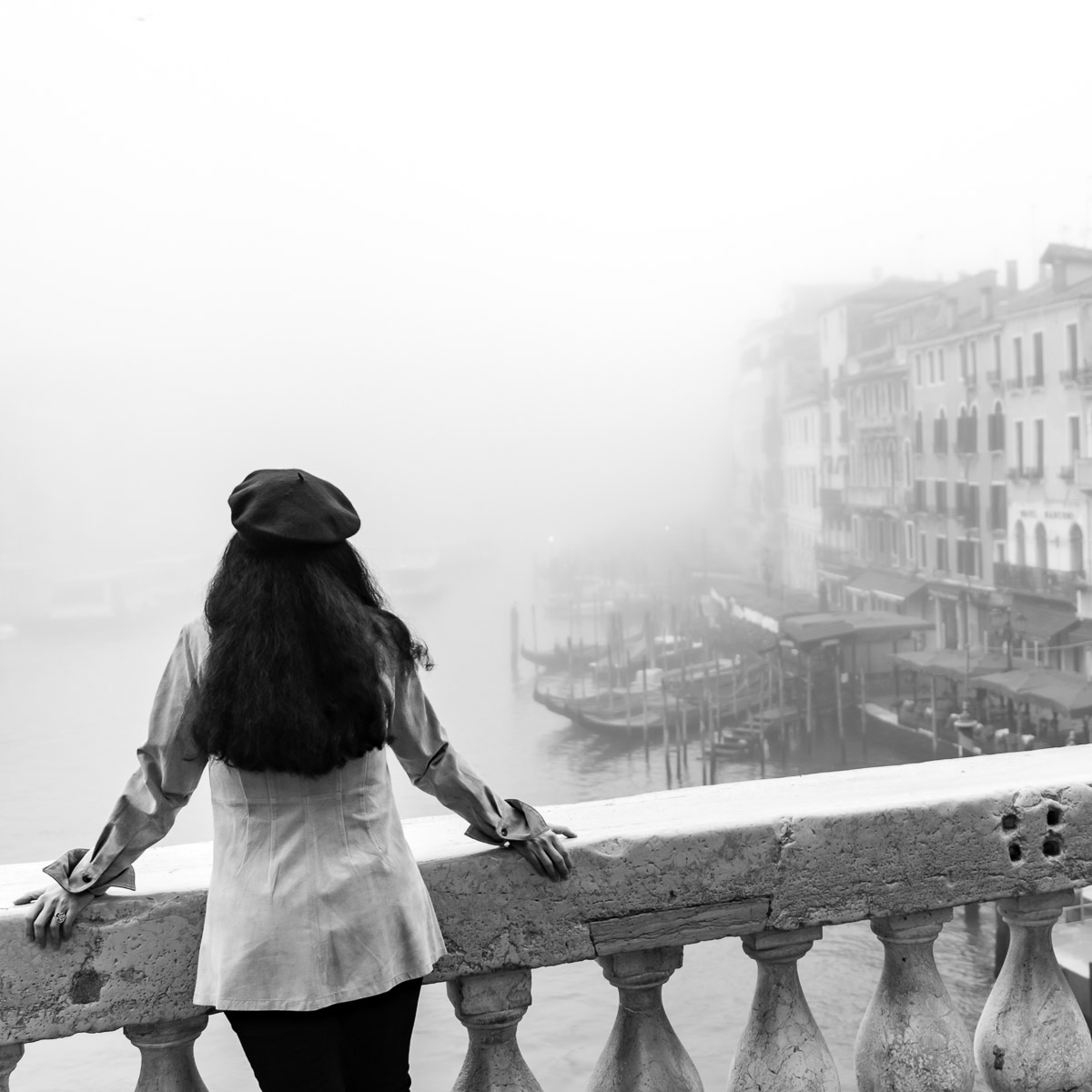
The Instagram picture and the fragile truth behind it
-
24 Easy and Quick Tips for Stunning Travel Portraits
-

The Art of Enough: Finding Joy in Simple Photography
-

Explore Magnificent Photographs: 20 Handpicked Online Galleries
-

Beyond Stereotypes: Unveiling the Enchantment of Iran
-
Sunken courtyards of Kashan
A Shield of Smiles
What hides behind the laughter?
What hides behind the laughter?
When I listen to the locals laugh at themselves, I hear more than just punchlines; I hear the nervous heartbeat of a nation. They gleefully mock their own kiasu spirit—that desperate fear of missing out—and the quirky ritual of chope, staking a claim at a hawker centre with a mere packet of tissue. They chuckle at the extreme competition and the so-called "ugly Singaporean" behaviors that occasionally flare up in the daily grind.
Yet, as I watch them smile, I realize this national humor is a beautifully crafted shield. Beneath the self-deprecation lies a profound, unspoken anxiety. The laughter masks a very real terror of failure and the fragility of their hard-won security. In joking about their flaws, they are actually soothing their deepest fears of falling behind in a world that offers no second chances.
Yet, as I watch them smile, I realize this national humor is a beautifully crafted shield. Beneath the self-deprecation lies a profound, unspoken anxiety. The laughter masks a very real terror of failure and the fragility of their hard-won security. In joking about their flaws, they are actually soothing their deepest fears of falling behind in a world that offers no second chances.
Beyond the Crowds
Is the famous always worth seeing?
Is the famous always worth seeing?
Some of Singapore’s best-known attractions can feel strangely distant from the city itself. Sentosa, with its crowded and expensive beaches, and parts of Gardens by the Bay can sometimes feel more like tourist stages than places to linger.
I would rather look elsewhere. On Pulau Ubin or Lazarus Island, the pace slows and the city seems to fall away. And then there is Haw Par Villa—a strange, vivid, almost surreal place that feels less polished and far more local.
Perhaps travel begins when we stop asking where everyone goes, and start asking where we might feel something.
I would rather look elsewhere. On Pulau Ubin or Lazarus Island, the pace slows and the city seems to fall away. And then there is Haw Par Villa—a strange, vivid, almost surreal place that feels less polished and far more local.
Perhaps travel begins when we stop asking where everyone goes, and start asking where we might feel something.
Where Cultures Meet
Where does Singapore’s real identity live?
Where does Singapore’s real identity live?
Katong and Joo Chiat feel like Singapore’s unofficial capital of Peranakan culture and food. Here, laksa, brightly painted shophouses, and layers of heritage tell a story that cannot be found in government buildings or financial districts.
This is not the political centre of Singapore, but perhaps something more intimate: the living heart of a hybrid identity, where different cultures met, mixed, and became something uniquely their own.
This is not the political centre of Singapore, but perhaps something more intimate: the living heart of a hybrid identity, where different cultures met, mixed, and became something uniquely their own.
The Uncharted Sanctuaries
Where do locals go when they want to escape the official narrative?
Where do locals go when they want to escape the official narrative?
I've often felt that the Singapore most visitors see is a carefully curated stage. The real backstage, the places the city keeps for its own, are hidden in plain sight—quiet sanctuaries that no glossy brochure would ever think to list. Take Kampong Lorong Buangkok, the last traditional village clinging to its existence amid the relentless march of concrete. Here, zinc roofs and wooden walls stubbornly refuse to surrender to the future. Chickens scratch the earth, and the air smells not of ambition, but of jasmine and patience. Or Coney Island, where the wild casuarinas whisper secrets to the sea, and the only soundtrack is the crunch of gravel underfoot.
Then there are the hawker centres that never make it into the culinary guides. Changi Village, for instance—remote enough to feel like a different island entirely, where locals queue for nasi lemak as if it were a sacred rite. And Tiong Bahru, stripped of its weekend tourists, reveals its true soul in the off-peak hours: the quiet rhythms of the elderly sipping coffee, the unhurried gossip of aunties, the dim sum stalls that hum with a deep, unpretentious warmth. These are the city's unofficial hearths—places not meant to be seen, but to be felt.
Then there are the hawker centres that never make it into the culinary guides. Changi Village, for instance—remote enough to feel like a different island entirely, where locals queue for nasi lemak as if it were a sacred rite. And Tiong Bahru, stripped of its weekend tourists, reveals its true soul in the off-peak hours: the quiet rhythms of the elderly sipping coffee, the unhurried gossip of aunties, the dim sum stalls that hum with a deep, unpretentious warmth. These are the city's unofficial hearths—places not meant to be seen, but to be felt.
The Space Between
Where does the journey truly end?
Where does the journey truly end?
In a city obsessed with the efficiency of arrival, I often seek out the poetry of the in-between. Walking the Southern Ridges, suspended on the undulating wooden spine of the Henderson Waves, I realize the path is not merely a means to an end; it is the destination itself. Here, movement becomes a quiet meditation, a graceful hovering between the forest canopy and the sky.
On other days, I let my bicycle carry me along the Eastern Corridor, tracing the East Coast Park Connector all the way to Pasir Ris. The rhythmic rush of the sea and the unbroken embrace of greenery transform a simple transit into a pilgrimage. It is a gentle reminder that we do not merely travel to arrive. We travel to feel the salt on our skin, to watch the water, and to lose ourselves in the beautiful, unhurried drift of the journey.
On other days, I let my bicycle carry me along the Eastern Corridor, tracing the East Coast Park Connector all the way to Pasir Ris. The rhythmic rush of the sea and the unbroken embrace of greenery transform a simple transit into a pilgrimage. It is a gentle reminder that we do not merely travel to arrive. We travel to feel the salt on our skin, to watch the water, and to lose ourselves in the beautiful, unhurried drift of the journey.
In the Off-Hours
When does a city shed its armor and reveal its private pulse?
When does a city shed its armor and reveal its private pulse?
I've learned that the true character of a place is not written in its daylight hours, but in the margins of its clock. Dawn at Changi Boardwalk, when the sky blushes a tentative pink and the sea breathes in long, slow sighs—here, the city has not yet put on its official face, and the only witnesses are the joggers and the early birds who know this secret intimacy. Or East Coast Park at first light, where the coconut palms sway against a waking horizon, and the distance between solitude and the sky feels like it belongs entirely to you.
Then comes the gift of an unexpected rain—a sudden, generous downpour that clears the hawker centres of their predictable crowds. In that cool, washed interlude, the stalls seem to exhale; the queue for that bowl of laksa shrinks, and the chilli crab tastes different when the world outside is softened by water and half-light. And nightfall brings its own transformation. The void decks of the HDB flats, bare concrete stages by day, become intimate gathering places where neighbours share the evening's stillness. The local night markets—those transient constellations of light and smell—hum with a relaxed, conspiratorial energy. The midnight hour, it turns out, is when the city remembers it is simply a collection of people, not a show.
Then comes the gift of an unexpected rain—a sudden, generous downpour that clears the hawker centres of their predictable crowds. In that cool, washed interlude, the stalls seem to exhale; the queue for that bowl of laksa shrinks, and the chilli crab tastes different when the world outside is softened by water and half-light. And nightfall brings its own transformation. The void decks of the HDB flats, bare concrete stages by day, become intimate gathering places where neighbours share the evening's stillness. The local night markets—those transient constellations of light and smell—hum with a relaxed, conspiratorial energy. The midnight hour, it turns out, is when the city remembers it is simply a collection of people, not a show.
Where does a world truly begin?
A World Around the Corner
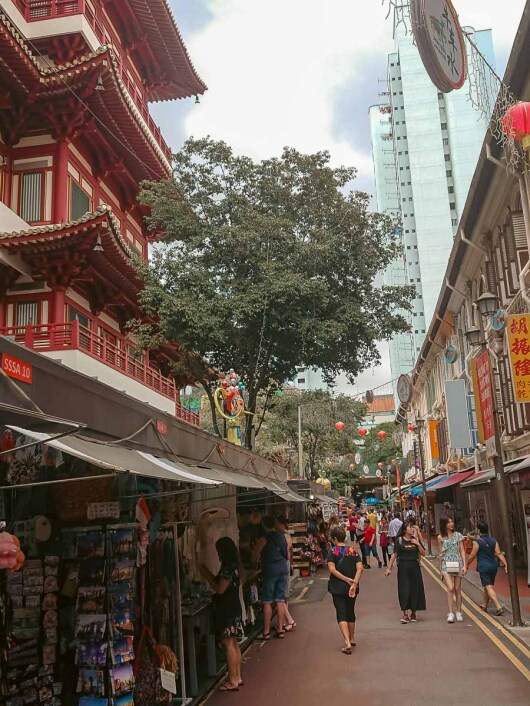
In this compact island, I have learned that the most profound borders require no passport. Just a few steps from the crimson lanterns of Chinatown, the very air shifts. The breeze thickens with the intoxicating perfume of cardamom and jasmine, and the quiet symmetry of Chinese shrines yields to the soaring, vibrant chaos of Hindu gopurams. Language, palate, and pulse are entirely rewritten.
Or I might wander east to Katong, slipping away from the glass-and-steel center. There, the pastel facades of Peranakan shophouses rise like delicate confections, whispering a hybrid history of the Straits. In these invisible frontiers, I am reminded that we need not cross an ocean to find a new world; sometimes, an entirely new universe begins just around the corner.
Or I might wander east to Katong, slipping away from the glass-and-steel center. There, the pastel facades of Peranakan shophouses rise like delicate confections, whispering a hybrid history of the Straits. In these invisible frontiers, I am reminded that we need not cross an ocean to find a new world; sometimes, an entirely new universe begins just around the corner.
The Taste of Care
What do a city's simple meals reveal about its care for the soul?
What do a city's simple meals reveal about its care for the soul?
I've come to believe that a place reveals its deepest warmth not in its grand feasts, but in the quiet rituals of its everyday fare. The Kaya toast breakfast—those crisp, golden slices slathered with coconut jam, accompanied by soft-boiled eggs that spill their molten hearts at the touch of a spoon, and a cup of kopi that arrives with the force of a gentle alarm—this is not merely a meal. It is a daily sacrament, the ritual that anchors the morning in the chaos of the city. It whispers: You are here. You are home.
Then there is bak kut teh, that peppery, garlicky broth of pork ribs that seems to know the language of exhaustion. On days when the body aches or the spirit falters, this is the remedy that arrives without fanfare—a humble bowl that works its quiet magic not through sophistication, but through an almost medicinal honesty. It is the taste of someone who cares enough to simmer the bones for hours. These are not the dishes that grace glossy magazines. They are the flavours that cradle the tired, that start the ordinary day, that remind you that the city, beneath its glass and steel, still remembers how to heal with a spoonful of broth and the familiar embrace of a morning ritual.
Then there is bak kut teh, that peppery, garlicky broth of pork ribs that seems to know the language of exhaustion. On days when the body aches or the spirit falters, this is the remedy that arrives without fanfare—a humble bowl that works its quiet magic not through sophistication, but through an almost medicinal honesty. It is the taste of someone who cares enough to simmer the bones for hours. These are not the dishes that grace glossy magazines. They are the flavours that cradle the tired, that start the ordinary day, that remind you that the city, beneath its glass and steel, still remembers how to heal with a spoonful of broth and the familiar embrace of a morning ritual.
A Taste of the Tropics
What does the climate put in our glass?
What does the climate put in our glass?
In Singapore’s heat and humidity, drinks such as barley water, chrysanthemum tea, and coconut water are more than simple refreshments. They belong to an older understanding of how food and drink should respond to the body and the climate.
In the traditional Chinese medicine view, they are often associated with cooling the body and restoring balance amid tropical heat. You are more likely to encounter them in local and working-class settings than in polished tourist spaces.
Sometimes, the character of a place is not found in its monuments, but in what people reach for when the afternoon becomes unbearably hot.
In the traditional Chinese medicine view, they are often associated with cooling the body and restoring balance amid tropical heat. You are more likely to encounter them in local and working-class settings than in polished tourist spaces.
Sometimes, the character of a place is not found in its monuments, but in what people reach for when the afternoon becomes unbearably hot.
The Fading Pulse
What vanishes when the hands stop making?
What vanishes when the hands stop making?
When I trace the intricate lines of Peranakan beadwork or watch the nimble hands in a surviving rattan workshop, I feel the steady pulse of a living tradition. These crafts are not mere artifacts; they are memory woven into form, stubbornly breathing in the modern age.
Yet, just beyond these vibrant sanctuaries, the shadows lengthen. The quiet art of shaping a traditional songkok, the delicate folding of handmade Chinese paper lanterns, and the ancient, rhythmic weaving of old rattan are slipping into silence. They are the fragile ghosts of a slower time, dissolving into the relentless tide of the new. In their fading, I realize we are losing not just objects, but the very soul of the hands that shaped them.
Yet, just beyond these vibrant sanctuaries, the shadows lengthen. The quiet art of shaping a traditional songkok, the delicate folding of handmade Chinese paper lanterns, and the ancient, rhythmic weaving of old rattan are slipping into silence. They are the fragile ghosts of a slower time, dissolving into the relentless tide of the new. In their fading, I realize we are losing not just objects, but the very soul of the hands that shaped them.
What Stays Behind
What keeps a journey alive after we return?
What keeps a journey alive after we return?
A jar of kaya, a packet of local kopi, a piece of Peranakan tile, or even a small tin of Tiger Balm can become a quiet bridge to Singapore.
I prefer these to the usual tourist magnets. They carry something less obvious: a taste, a scent, a texture, a small fragment of everyday life. Long after the photographs have faded into the thousands on a hard drive, a spoonful of kaya or the familiar aroma of kopi can suddenly bring back a street, a morning, a humid afternoon.
Perhaps the best souvenir is not the one that reminds us where we went, but the one that briefly makes us feel we are there again.
I prefer these to the usual tourist magnets. They carry something less obvious: a taste, a scent, a texture, a small fragment of everyday life. Long after the photographs have faded into the thousands on a hard drive, a spoonful of kaya or the familiar aroma of kopi can suddenly bring back a street, a morning, a humid afternoon.
Perhaps the best souvenir is not the one that reminds us where we went, but the one that briefly makes us feel we are there again.
For the Right Traveler
Who is Singapore really for?
Who is Singapore really for?
Singapore can feel like paradise if you love street food, order, safety, cultural variety, and infrastructure that simply works. It is a place where almost everything has its rhythm—and where the edges of everyday life are carefully managed.
But for the traveler who comes looking for chaos, raw adventure, truly wild nature, or spontaneous travel on a shoestring, Singapore may feel like the wrong turn.
Perhaps there is no such thing as a perfect destination. There are only places that fit the traveler we happen to be.
But for the traveler who comes looking for chaos, raw adventure, truly wild nature, or spontaneous travel on a shoestring, Singapore may feel like the wrong turn.
Perhaps there is no such thing as a perfect destination. There are only places that fit the traveler we happen to be.
The Boat to Yesterday
What lies beyond the edge of the official map?
What lies beyond the edge of the official map?
Fifteen minutes by bumboat from Changi Point, and the future dissolves into the past. Pulau Ubin is not a museum—it is a living, breathing counterpoint to everything the city's gleaming towers represent. Here, wooden shacks stand as they have for decades, their zinc roofs patched with the patience of necessity. The jungle reclaims its territory with a quiet ferocity, and the air smells not of ambition, but of earth and salt and the slow decay of fallen leaves.
This is the Singapore that never made it into the brochure. No MRT lines carve their way through this landscape; the only transport is the squeak of a borrowed bicycle and the steady rhythm of your own breath. The official narrative speaks of progress and precision; Ubin speaks of impermanence and the gentle negligence of time. The wetlands pulse with life—mudskippers and kingfishers going about their ancient business, oblivious to the skyline that looms faintly across the strait. In this forgotten pocket, modernity's dazzling promise is turned on its head: the city of the future, seen from here, looks like a curious mirage, while this humble, fading island feels like the truer, quieter heart of the place.
This is the Singapore that never made it into the brochure. No MRT lines carve their way through this landscape; the only transport is the squeak of a borrowed bicycle and the steady rhythm of your own breath. The official narrative speaks of progress and precision; Ubin speaks of impermanence and the gentle negligence of time. The wetlands pulse with life—mudskippers and kingfishers going about their ancient business, oblivious to the skyline that looms faintly across the strait. In this forgotten pocket, modernity's dazzling promise is turned on its head: the city of the future, seen from here, looks like a curious mirage, while this humble, fading island feels like the truer, quieter heart of the place.
Behind the Facade
Where does the real city breathe?
Where does the real city breathe?
When I wander through Katong and Joo Chiat, I step into a living postcard of Peranakan soul—pastel shophouses standing like sentinels of a hybrid heritage, their facades whispering stories of Chinese and Malay union. Here, food is memory, and every tile tells a tale.
But for the unvarnished truth, I go to Geylang. There, beneath the neon glow, life unfolds in its raw, unpolished rhythm—24-hour eateries serving comfort at dawn, a testament to the city's beating, unpretentious heart.
And then comes the seventh lunar month, when the Hungry Ghost Festival claims the streets. I watch from a void deck as paper offerings curl into ash, reaching the ancestors. Food is left on makeshift altars, and getai singers belt out ballads to empty chairs reserved for spirits. This is not performance for tourists; it is the city's true lunar calendar, pulsing with ancient belief. In these moments, I see Singapore not as a gleaming future, but as a place still deeply, devotionally haunted by its past.
But for the unvarnished truth, I go to Geylang. There, beneath the neon glow, life unfolds in its raw, unpolished rhythm—24-hour eateries serving comfort at dawn, a testament to the city's beating, unpretentious heart.
And then comes the seventh lunar month, when the Hungry Ghost Festival claims the streets. I watch from a void deck as paper offerings curl into ash, reaching the ancestors. Food is left on makeshift altars, and getai singers belt out ballads to empty chairs reserved for spirits. This is not performance for tourists; it is the city's true lunar calendar, pulsing with ancient belief. In these moments, I see Singapore not as a gleaming future, but as a place still deeply, devotionally haunted by its past.
The Sound of Singapore
Lost in the Desert Sky
Keyhan Kalhor
Flower’s Reward
Mehran Mobini
Konj-e-Kharabat
Gholam Hossein Fathi
Keep Roaming
Contact@roamandrecord.com
We are waiting for your kind messages