













Do Small Choices Matter in Sustainable Travel?
It was a lovely morning on Thailand’s Phi Phi Island. After breakfast at Phi Phi CoCo Beach Resort, I headed toward the western hills near Phak Nam Bay. Along the way, I bought two bottles of water, two fruit smoothies in disposable cups, two coffees in disposable cups, and two bowls of Thai noodles in disposable containers. By the end of the day, I had generated at least four pieces of disposable packaging. I hadn’t littered, but I was still responsible for the waste.
Similar routines are part of almost every trip. So, what difference can one person’s choices really make?
“I’m just one person; it doesn’t matter.”
This familiar mindset overlooks a simple truth: social and environmental crises aren’t the result of individual choices alone, but of billions of choices added together. One person cannot pollute the oceans, but billions can—and unfortunately, they do. Sustainable travel begins with this simple understanding: being small, and making small choices, doesn’t mean being zero.
The Environmental Impact of Individual Choices
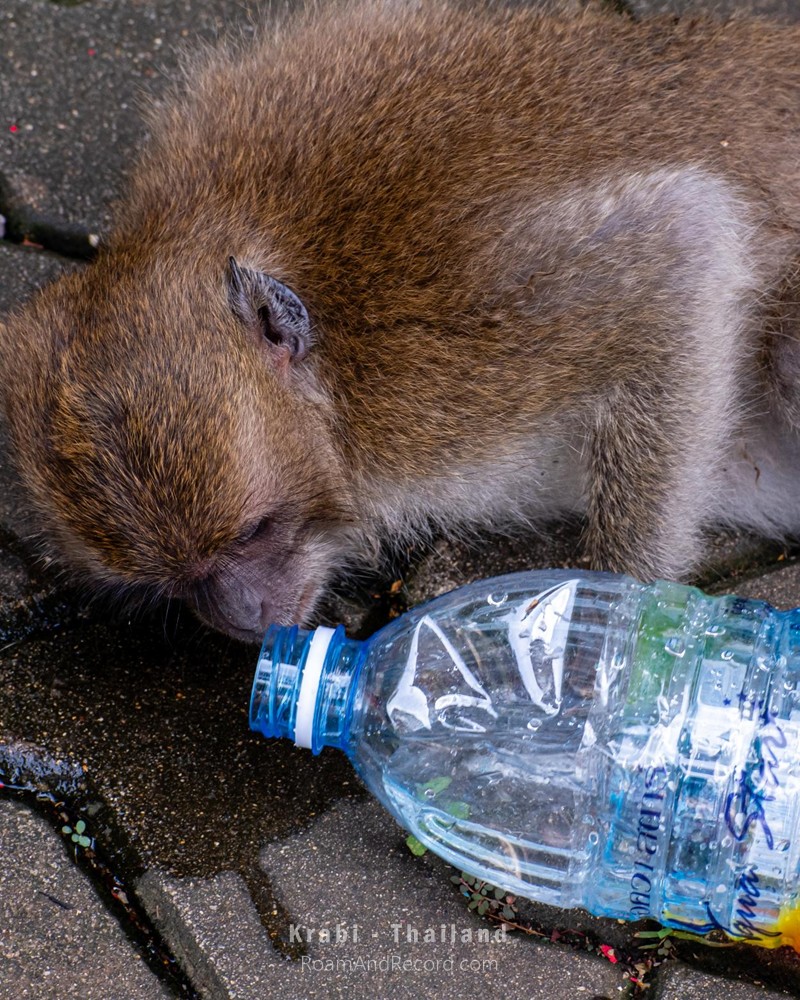
Believing that the world’s problems are too big for our small actions to matter is one of the environment’s greatest enemies. We tend to view our actions in isolation, forgetting that our planet reflects the combined choices of 8 billion people. Two years ago, a technician installing a mosquito screen at our house outside Tehran noticed our empty swimming pool (5 × 7 meters, about 1.5 meters deep) and asked why we didn’t fill it. I explained that, amid the country’s drought, it didn’t feel ethical. His response was telling:
“You’re just one person; it won’t make a difference. Others will fill theirs anyway.”
That conversation revealed a mindset behind many environmental problems. Instead of asking whether one person’s actions matter, we should ask: What if all 8 billion people made the same small choice?
How Consumer Choices Influence Environmental Change

In Iran, we tend to blame the government for everything and expect change to come from above. This mindset, rooted in a century of political history, sees us as subjects rather than citizens who can shape change. Democracies aren’t immune either, as Nietzsche’s _Übermensch_ or Trump’s rise in American democracy remind us. Governments and major industries bear significant environmental responsibility: energy is the largest source of greenhouse gas emissions, transport accounts for about 15% of direct global emissions, and tourism contributes roughly 8–10%. Yet these industries don’t operate in a vacuum; they respond to consumer demand. While marketing shapes our choices, informed consumers can resist it.
When millions choose greener accommodation, fly less, and buy sustainable products, markets must respond: supply follows demand. If we asked shops to refill reusable bottles instead of buying disposable ones, businesses would adapt. Many European cities already provide public drinking fountains. During my recent trip to Valencia, I particularly enjoyed the design and abundance of fountains in the old town.
The Cumulative Impact of Small Choices in Tourism
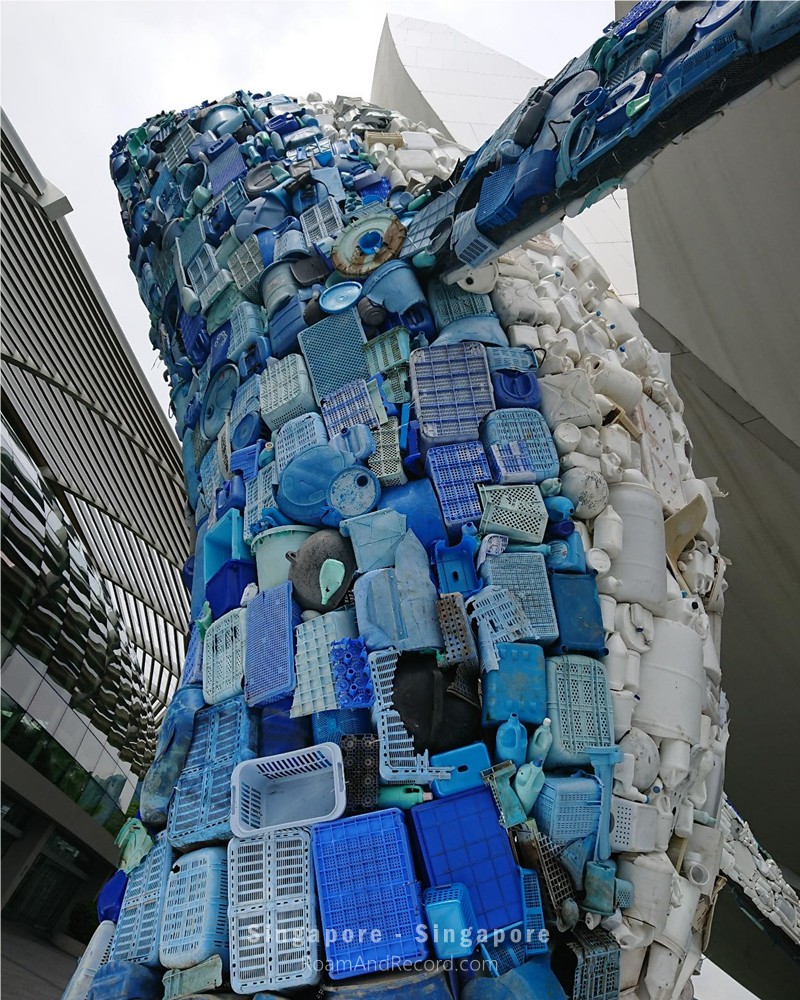
In environmental studies, cumulative impact means small actions, repeated over time and at scale, can produce significant effects. Around 1.3 billion tourist trips take place annually. If half of those travelers used just one fewer plastic bottle per trip, 650 million fewer bottles would be produced each year. According to the International Civil Aviation Organization (ICAO), tourism accounts for 2–3% of CO₂ emissions, alongside other aviation-related warming effects, including nitrogen oxides, water vapor, and contrail clouds. Small changes in the habits of billions of air passengers could help slow global warming.
When individual choices become habits over time and cultural norms at scale, their collective impact can be enormous.
Every Ocean Begins with a Drop

Rumi (Mowlana Jalaluddin Mohammad Balkhi) expresses this idea beautifully: “Don’t say everyone’s at war—what good will my peace do? You’re not just one; you’re a thousand—light your own lamp.” From the Persian proverb “drop by drop, it becomes a sea” to English, French, Spanish, and countless other cultures, the message is universal: oceans are made of drops.
One action alone cannot solve a global problem, but without individual actions, no collective solution is possible. One tourist cannot stop pollution, yet change must begin with individual travelers. Many major environmental movements—from reducing plastic bags and adopting renewable energy to organic farming and protecting endangered species—began with small groups and individual choices, grew into wider movements, and eventually pushed governments to act.
The Damage We Don’t See
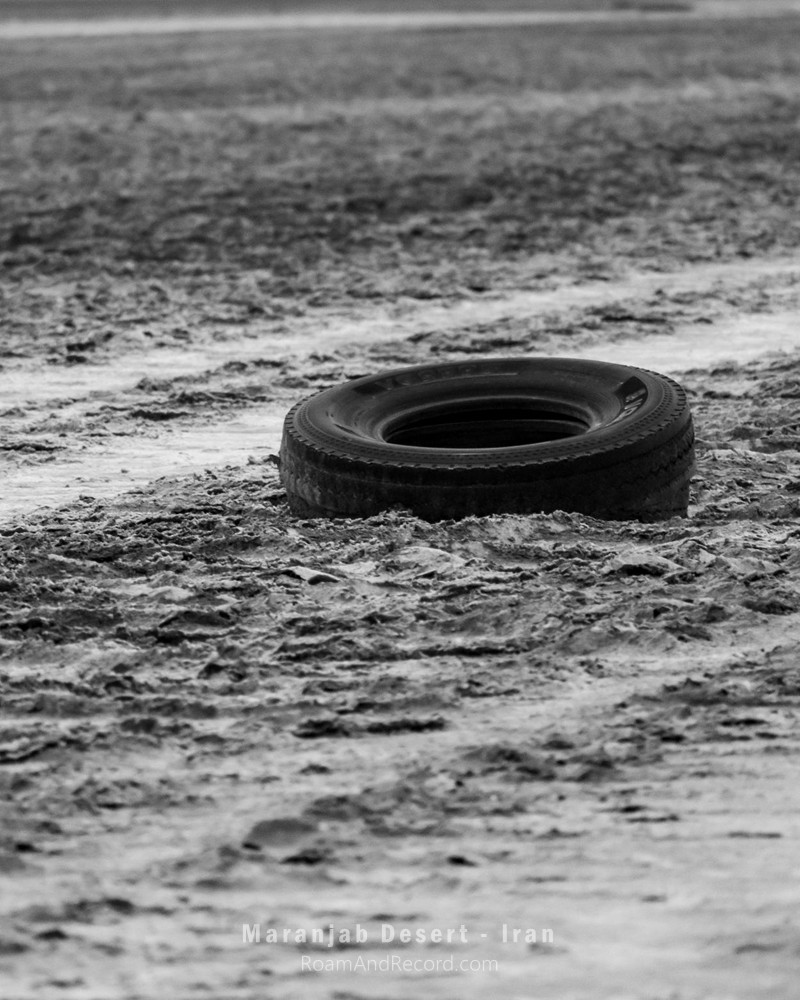
As a child, I loved driving with my father along Do Hezar Road through the dense Hyrcanian forests of northern Iran. The winding road felt otherworldly, but within a few years, its edges filled with plastic bags, bottles, dumped trash, and burnt shrubs. For years, this visible destruction shaped my understanding of environmental damage.
My first visit to Dubai challenged that view. Everything looked spotless, yet the UAE’s Environmental Performance Index score was just 51.6 out of 100. It ranked 129th in climate change, 161st in waste management, and 157th in per-capita waste generation, with particularly poor per-capita greenhouse gas emissions performance. Environmental damage isn’t always visible. Dubai’s polished appearance conceals the costs of an oil-and-gas-based economy, energy-intensive air conditioning, desalination, private-car dependence, and high per-capita resource consumption.
Beyond Trash: The Hidden Footprint of Travel
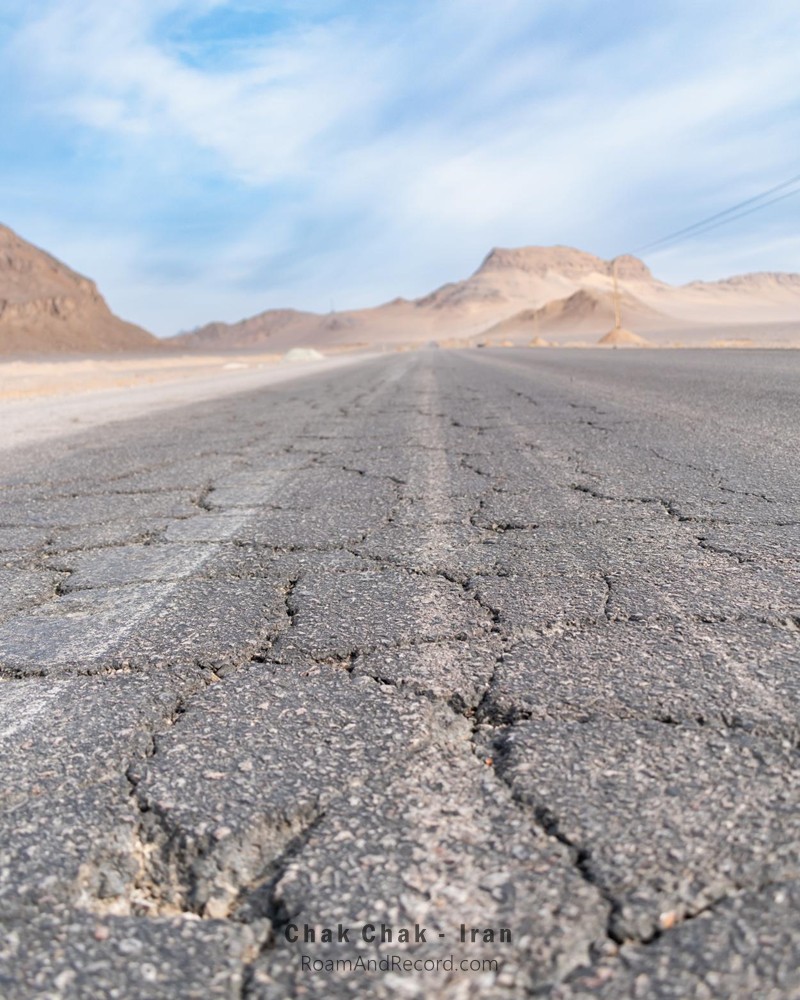
A trip’s environmental footprint goes beyond waste to include transport emissions, hotel energy use, and water consumption—often its most significant impacts. Transportation accounts for the largest share of tourism’s carbon footprint, and short-haul flights can be particularly emissions-intensive. Where rail connections are practical, trains are generally the more climate-friendly choice for short and medium distances, provided you plan ahead.
But context matters. Traveling from Tehran to Kish by train would require multiple transfers between trains, cars, and ships. Compared with a roughly two-hour flight, that complicated route could consume far more energy and generate a much larger carbon footprint.
The Hidden Costs of Staying Somewhere

A trip’s hidden footprint also includes accommodation. Hotels consume energy for air conditioning, lighting, and hot water, while tourists can use more energy and water than locals, particularly in dry regions, through pools, long showers, and frequent linen changes. Unlike the visible trash in northern Iran’s forests, carbon emissions and excessive energy and water use are less obvious but equally consequential for our planet’s future.
Simple choices add up: turn off the AC when leaving your room, take shorter showers, reuse towels and sheets, and walk instead of constantly using ride-hailing apps. These small, sustainable habits are drops that together make an ocean.
Eat Local, Leave a Lighter Footprint
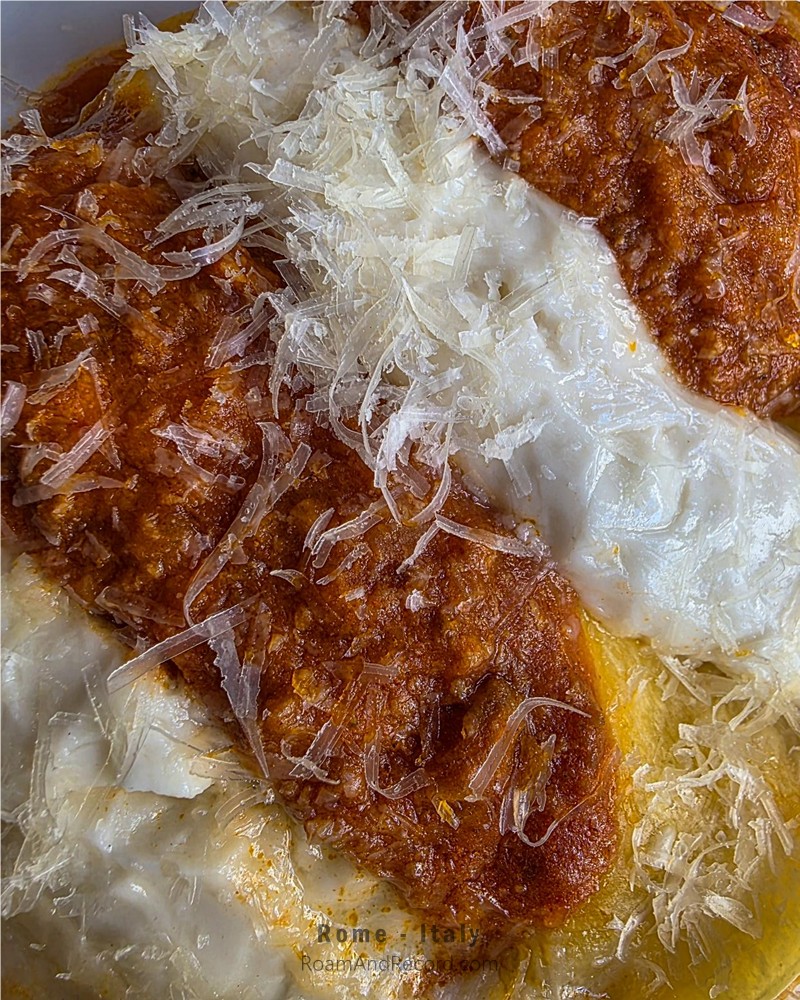
Food is central to travel, but every bite carries environmental costs through water, soil, energy, transportation, and greenhouse gas emissions.
A few months after flights resumed, I was in Phuket, Thailand, comparing prices outside Hard Rock Cafe. A BBQ Bacon Cheeseburger cost around 700 baht, while the night before I’d paid about 150 baht for local rice with chicken and vegetables. Their estimated carbon footprints were 7.5 kg and 0.9 kg respectively—the burger’s footprint was roughly eight times higher, despite costing nearly five times more. It also had little connection to Thai culture or the local economy.
Sustainable choices aren’t always harder; sometimes, making the less sustainable choice makes less sense.
Balance on the Plate, Change on the Planet
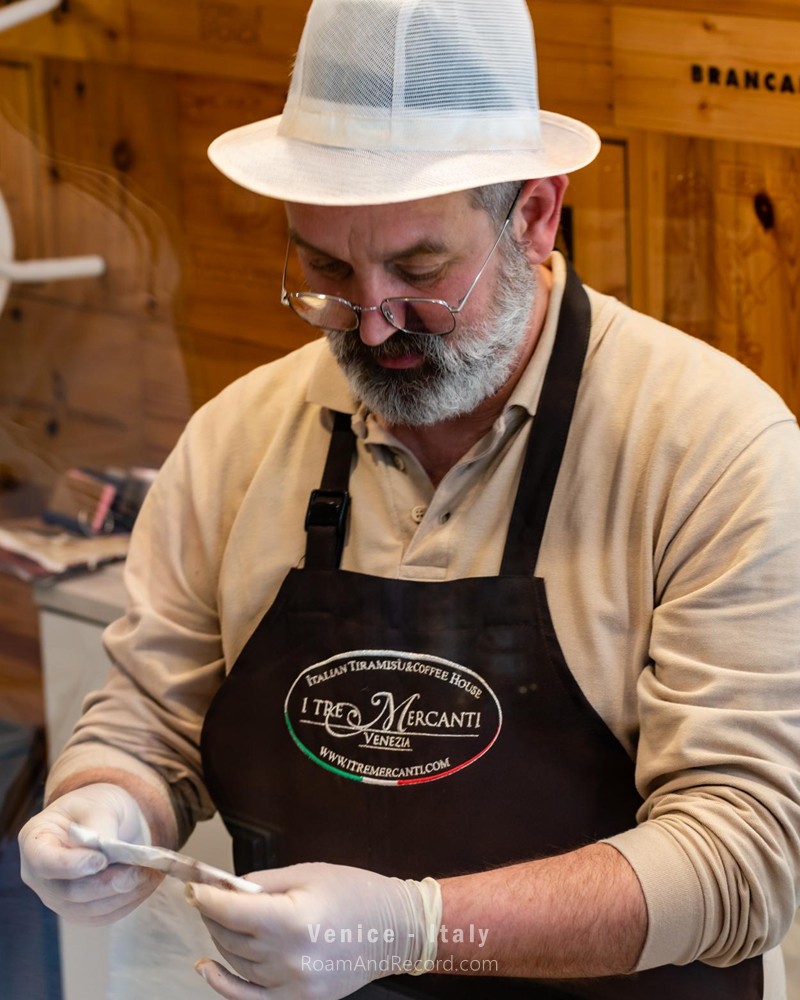
You’ve probably seen claims that producing a kilogram of beef takes around 15,000 liters of water, compared with under 2,000 liters for legumes, or that beef’s carbon footprint can be 10–50 times higher than that of plant proteins. I’m not giving up meat unless my doctors tell me to. I don’t consider extreme vegetarianism ethical, though I’ll explore that in another piece. I believe in balance—for both health and environmental sustainability. Meat, especially beef, uses far more resources and generates more emissions than plant proteins, so I simply try to eat less beef.
Likewise, choosing local food over chain restaurants disconnected from a destination’s culture is another small choice that, multiplied across travelers, can help create meaningful change.
Souvenirs That Give Back to the Place

Most of us buy souvenirs for ourselves or friends. I confess: looking at the magnets covering my fridge, I feel a little embarrassed, knowing many were probably made in countries unrelated to the places I visited.
But the past is past. Choosing locally made souvenirs supports local artisans, reduces environmental impacts, and keeps more money in the local economy. The people who welcome us on our travels deserve a better, more comfortable life.
I’ll explore souvenirs and sustainable travel in a separate piece.
When One Million Small Choices Add Up

Numbers make cumulative impact tangible. Imagine **one million travelers** making these small choices:
- Save energy: Turning off lights and adjusting AC or heating saves 1–3 kWh per person daily—1–3 GWh of electricity and roughly 400–1,200 tons of CO₂ avoided each day.
- Reduce plastic: Using a reusable bottle prevents 5–10 plastic bottles per traveler per week—5–10 million bottles, or 150–300 tons of plastic.
- Skip disposable cups: Bringing your own cup prevents 5–10 million disposable cups**.
- Choose public transport: Replacing a 10-km car or taxi trip avoids 1–2 kg of CO₂ per person—1,000–2,000 tons collectively. Walking can reduce emissions even further.
- Reuse hotel linens: Each avoided wash saves 30–60 liters of water—30–60 million liters across one million travelers.
- Waste less food: Leaving 200–300 grams less food uneaten per meal prevents 200–300 tons of food waste, along with the water and energy used to produce it.
- Eat local: Choosing local over imported or heavily processed food can reduce its carbon footprint by 20–50%; in the Thai burger example, the reduction reached about 90%. A million substituted meals could avoid hundreds to thousands of tons of CO₂.
- Support local businesses: Spending just $10 more per traveler with local businesses injects $10 million directly into the local economy.
These examples show that the cumulative impact of small choices is real and measurable. And this is only a community of one million. With over 8 billion people and around 1.3 billion tourist trips annually, the potential is enormous.
Small Choices, Lessons That Travel

Almost eighteen years ago, on our honeymoon, my wife and I visited Garmeh, a village in Iran’s Lut Desert that Maziar was trying to revive. Walking through its palm groves, we met two children, then about seven or eight, who greeted us in English—words they had learned by imitating foreign tourists. This isn’t about whether English is good or bad, but about how travelers influence local learning. Beyond formal rules, people learn by observing and imitating others. Psychology calls this the _modeling effect_: we copy behaviors that are visible and come from people we trust or identify with.
A tourist’s small choices can therefore model positive habits and responsible behavior for local communities and fellow travelers. Social media influencers have a similar cultural impact, though, unfortunately, their influence is often negative—a topic I explore separately alongside social responsibility online.
When Travelers Change Demand, the Market Follows

When demand changes, markets respond. Two decades ago, hotel environmental certifications were largely marketing tools; today, hotels compete for green credentials. A global Booking.com survey found that 43% of travelers would pay more for certified sustainable accommodation, while 74% want tourism to adopt sustainable options faster. As travelers grew more concerned about plastic pollution, hotels replaced miniature toiletries, plastic straws, and single-use packaging with refillable dispensers and reusable alternatives. Certifications such as Green Globe, EarthCheck, and GSTC-aligned labels have also become powerful attractions for customers.
Towel-reuse programs are now standard in hospitality. Studies show that 72% of guests are willing to participate, while 44% would pay an average of €2.15 more per day. Personally, if I’m helping a hotel save money, I’d rather receive a discount than pay extra—and, as a hotel owner, I’d reward guests who participate. Demand for local food, low-carbon transport, and authentic experiences is also growing. The market speaks the language of money, and that money is in travelers’ pockets. Their choices can help reshape tourism.
Progress, Not Perfection

One major obstacle to sustainable tourism is the perfectionism trap: if we can’t do everything perfectly, we do nothing. From Aristotle’s “golden mean” to pragmatists William James and John Dewey, philosophers have emphasized that progress comes through small, steady steps—not ideal conditions. Sustainable travel isn’t about eliminating our environmental footprint, but reducing harm and maximizing positive impacts. One example is the _local multiplier effect_: research suggests that around 68 cents of every dollar spent at a local business stays in the community, compared with less than 43 cents spent at international chains and foreign-owned hotels.
Although 40–50% of travelers want to travel sustainably, many hesitate because they feel confused or believe their efforts won’t matter. Breaking the perfectionism trap means overcoming inaction, embracing responsibility, and turning small choices into collective change.
From Small Homes to a Global Movement

The modern eco-lodge and community-based homestay emerged from the sustainable tourism movement. In 1960s Italy, farmers began welcoming travelers into their homes and farms for extra income, making rural life part of the travel experience. In the 1980s, ecotourism’s growth in countries such as Costa Rica, Kenya, and Ecuador inspired eco-lodges designed to reduce environmental harm, protect nature, and involve local communities. Following the Brundtland Commission’s 1987 report _Our Common Future_, the model spread worldwide.
This global tourism movement began with small, individual decisions—not governments or major corporations.
You’re Not Just One
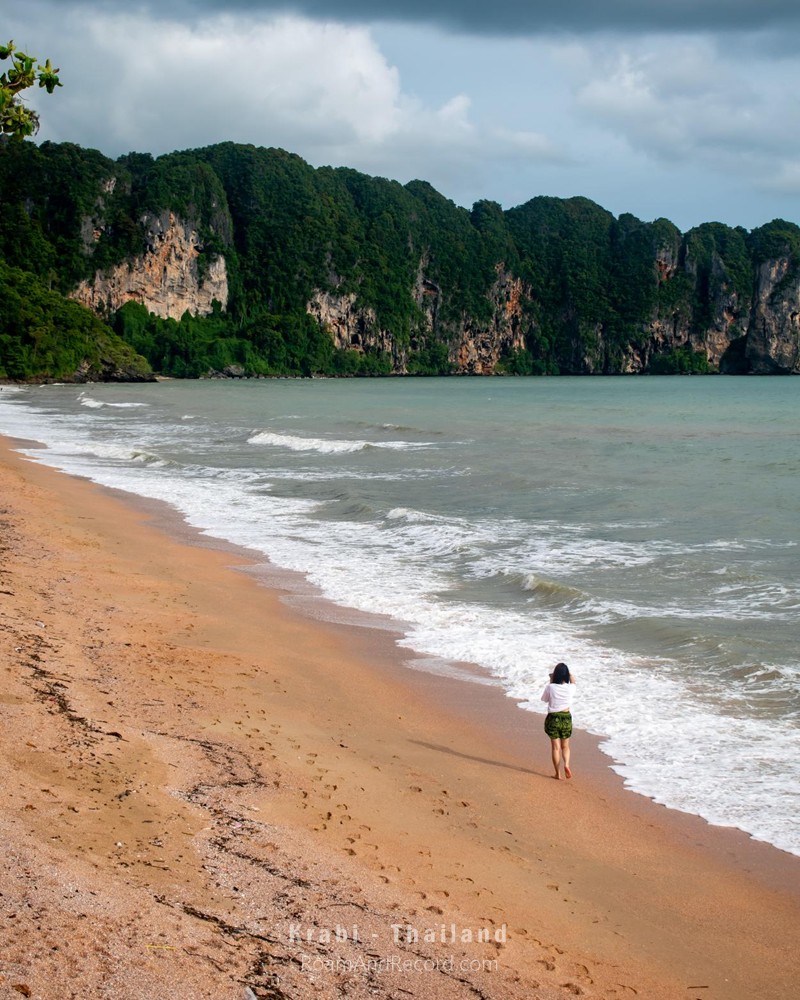
Rather than a technical conclusion, I’ll return to Rumi’s words:
“Don’t say everyone’s at war—what good will my peace do? You’re not just one; you’re a thousand—light your own lamp.”
Perhaps this couplet best sums up everything I’ve said. Whether Rumi meant that others are working for change or that doing good multiplies our strength, the message remains the same: small, positive actions can have a powerful collective impact.
We’re not just one. We’re a thousand, a million, a billion.