My Notes on
S R I L A N K A
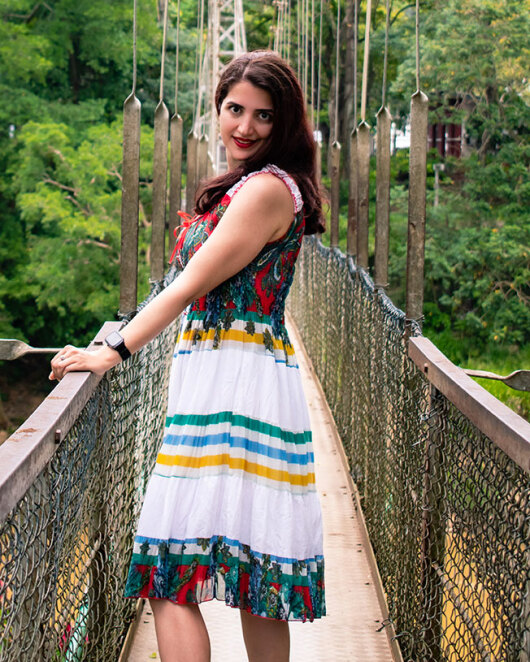
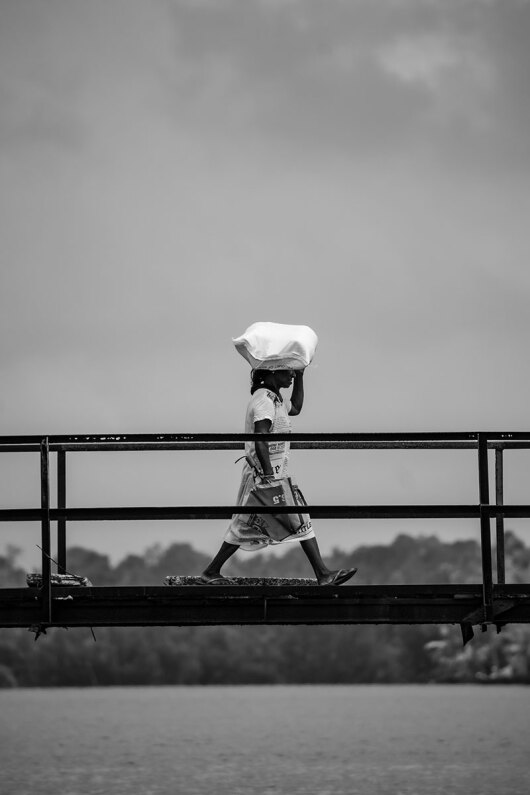
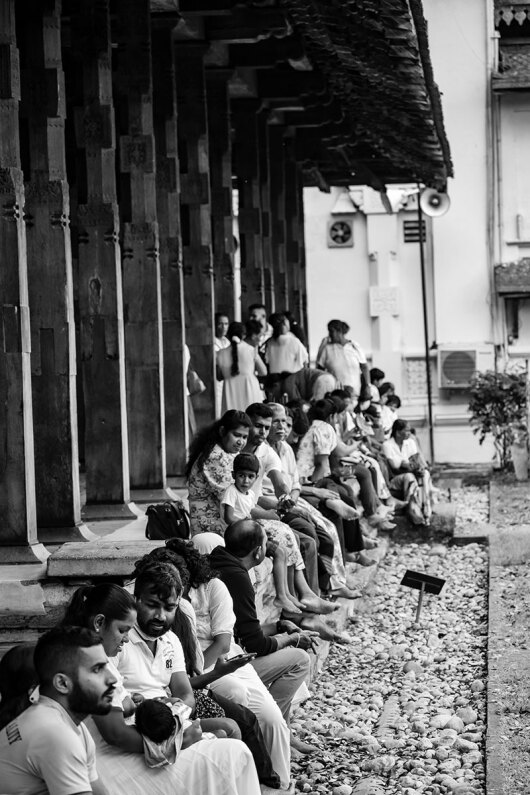
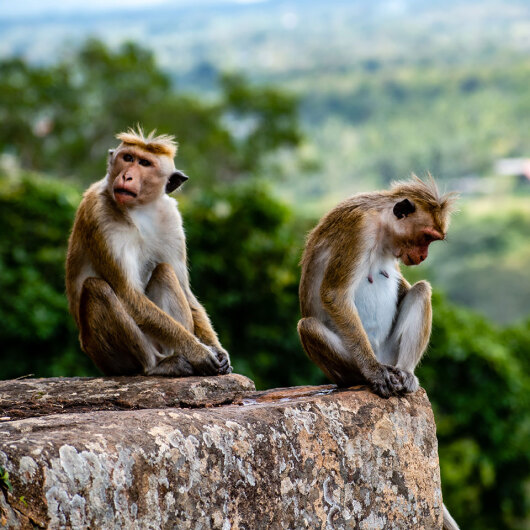
We are the real countries, not the boundaries drawn on maps with the names of powerful men.
Michael Ondaatje
The English Patient
Sri Lanka, in Four Senses
What does Sri Lanka feel like beyond its postcard views?
long after you leave: the sounds, the smells, the colours, and the taste of a place.
There is the hypnotic metallic rhythm of trains winding through the mountains, the restless chorus of tuk-tuks weaving through traffic, and the delicate chime of Buddhist temple bells. Together, they form a soundtrack that is at once chaotic and strangely soothing.
The air carries the warm, sweet fragrance of authentic Ceylon cinnamon, mingled with the scent of rain-soaked earth after the monsoon and curry leaves sizzling in coconut oil. These are the smells of an island that seems to turn even the ordinary act of cooking into a quiet ritual.
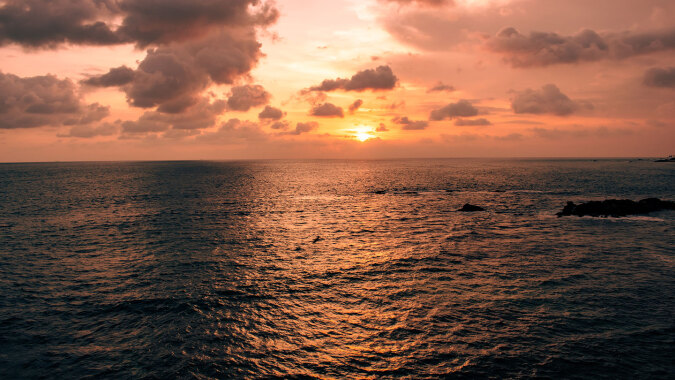
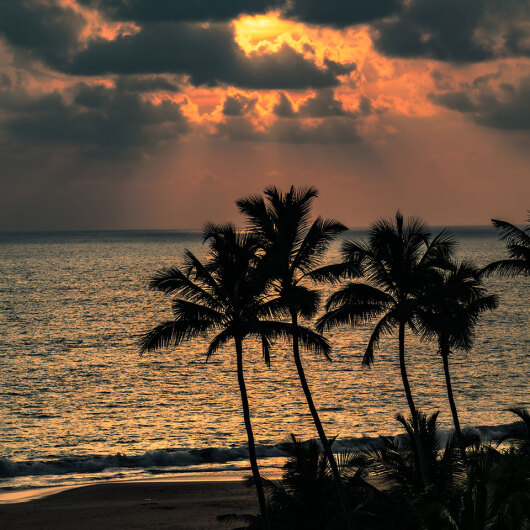
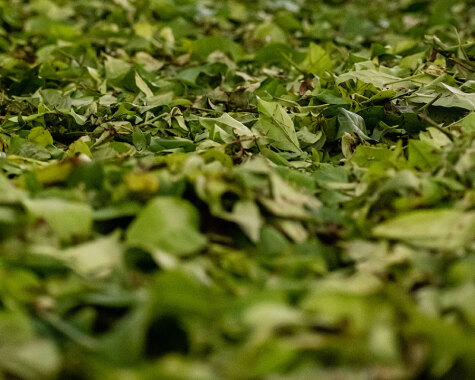
Then come the colours: endless emerald-green tea plantations climbing the hillsides, saffron-orange robes moving slowly through temple grounds, and the deep, untamed blue of the Indian Ocean. Each seems to belong to a different world, yet somehow they share the same horizon.
And finally, the taste. Sri Lankan food is earthy, complex, and unapologetically fiery. In the north, Jaffna crab curry delivers a fierce, lingering heat, softened by the cool sweetness of fresh coconut water. Nothing is quite as simple as it first appears here—not even a meal.
Perhaps this is how an island becomes a place you remember: not through a checklist of landmarks, but through sensations that quietly find their way into your memory.
An Island Between Worlds
What makes Sri Lanka different from the island we imagine?
A narrow stretch of sea separates Sri Lanka from India, yet the two have never been entirely apart. Across the Palk Strait lies Adam’s Bridge, or Ram Setu, a chain of limestone shoals that seems to reach toward the Indian mainland. Geographically, it is a boundary; in mythology and history, it is almost an umbilical cord, binding the island to the subcontinent. Here, separation and connection have always shared the same horizon.
Further inland, the Central Highlands rise into mist and forest. The Knuckles Mountain Range, with its folded ridges and hidden valleys, once offered natural protection to the Kingdom of Kandy, helping it resist Portuguese and Dutch expansion. In Sri Lanka, geography was never merely scenery; it could be a refuge, a fortress, or a last line of resistance.
Yet the island also unsettles the imagination of those who visit it. In Nuwara Eliya, the tropical heat gives way to chilly mornings, mist-covered hills, Tudor-style cottages, and manicured golf courses. Known as Little England, this highland town feels like an unexpected fragment of the British countryside misplaced in the Indian Ocean.
The southern coast offers another contradiction. In places such as Hikkaduwa, the promise of an untouched tropical paradise meets beach bars, crowded resorts, and the visible pressures of coastal erosion. The postcard survives, but reality keeps intruding.
Perhaps Sri Lanka’s character lies precisely in these contradictions: an island connected yet divided, tropical yet temperate, idyllic yet imperfect. To understand it, one must look beyond the image—and allow the landscape to tell a more complicated story.
The Island’s Unfinished Story
What remains beyond the story a country tells about itself?
In postwar Sri Lanka, the tourist brochures promise a peaceful island of palm-fringed beaches, tea-covered hills, and Buddhist temples. But travel, if it means anything more than collecting beautiful images, must also ask what those images leave out.
In the northern Vanni region, around Mullaitivu and Kilinochchi, the landscape carries memories that rarely fit the official picture of national triumph. This was the setting of the final, devastating months of the civil war in 2009. Behind the promise of peace lie civilian suffering, damaged buildings, and the unresolved legacy of the so-called No Fire Zones. For families still searching for loved ones who disappeared during the conflict, the war has never entirely ended. Their unanswered questions remain a dark space in the country’s public memory, a reminder that a victory can close a chapter without resolving its story.
Travel farther north, however, and Sri Lanka seems to cross an invisible border. The Jaffna Peninsula, with its predominantly Tamil culture, Hindu kovils, brightly coloured temple towers, and distinctive cuisine, feels closer in spirit to Tamil Nadu in southern India than to the Buddhist south of the island.
Language, ritual, and food establish their own geography here. The rhythms change, the flavours shift, and familiar assumptions begin to fall away. Though separated from India by a narrow stretch of sea, Jaffna seems to inhabit a cultural world of its own.
Perhaps the truest map of Sri Lanka is not the one printed in a guidebook. It is the one drawn between what a country remembers, what it chooses to forget, and the lives that continue beyond its official borders.
The Small Rituals of Belonging
What turns a stranger into a guest?
In Sri Lanka, some of the most revealing conversations happen not in parliament or television studios, but in the modest kade—the little corner shops where men gather over plain cups of tea to debate cricket and the latest political turmoil. A plate of short eats, those savoury bakery snacks, gives everyone an excuse to linger. The arguments may last for hours, but beneath them lies something quieter: the everyday need to belong to a conversation, a neighbourhood, a country.
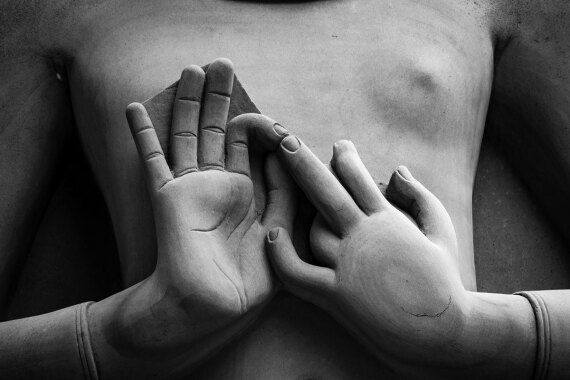
For a traveller, another small ritual can open a door. Ayubowan, the traditional Sinhala greeting, means “May you live long.” Accompanied by a gentle bow of the head, joined palms, and a smile, it carries more warmth than a dozen rehearsed pleasantries. You may still be a stranger, but you are no longer quite so distant.
Sri Lankan hospitality often feels instinctive and communal. Lose your way, and someone may stop to help; sometimes, several people will join the effort. Yet kindness does not mean that every boundary disappears. Hospitality here comes with an unspoken understanding: respect what others hold sacred.
The head is regarded as the most sacred part of the body, so touching another person’s head, even a child’s, is considered deeply disrespectful. At Buddhist sites, turning your back on a Buddha statue for a photograph or pointing your feet towards a person or shrine can cause genuine offence.
Perhaps the art of travelling well lies in this balance: accepting the kindness offered to you while learning where your own habits might cross an invisible line. A greeting may open the door, but respect is what allows you to enter.
The Island Between the Stops
Where does the real Sri Lanka reveal itself?
One small habit often puzzles visitors to Sri Lanka: the head wobble, a gentle, floating movement from side to side that seems to resist a straightforward translation. Depending on the moment, it can mean yes, no, perhaps, I understand, or simply, thank you. Just when you think you have deciphered it, the meaning shifts again. Life here also seems to follow its own island time, where plans remain flexible and rushing feels like a foreign language.
To understand the country, I would rather linger at a roadside kade or wait beside a red public bus than spend another hour in a museum. These are places where everyday Sri Lanka unfolds without a curator: the scent of spices drifting through the air, music crackling from loudspeakers, and people from different walks of life sharing the same small patch of shade.
Perhaps a country reveals itself most honestly not through the monuments it preserves, but through the ordinary scenes it barely notices. You just have to slow down long enough to see them.
The Luxury of Being Late
What does it mean to waste time?
In Sri Lanka, life often seems to begin where the clock loses its authority. It is found in a cup of tea shared with a neighbour, in watching the sun sink behind the tea plantations, or in following the rhythms of the monsoon and the moon rather than the hands of a watch.
What we call wasting time may look different from here. Rushing towards the next destination, ticking off another attraction, and leaving no room for an unexpected conversation can mean missing the very things that make a place worth visiting.
Perhaps this is the quiet wisdom of island time: slowness is not a flaw to be corrected, but a privilege to be embraced. Sometimes, the most meaningful part of a journey happens when we stop trying to get somewhere and allow ourselves, for a little while, simply to be there.
Destination Digest
The Heroes Between the Lines
Whose stories shape a nation, and whose are forgotten?
Every country inherits stories that do more than explain its past; they shape how people see themselves and one another. In Sri Lanka, the Mahavamsa, the ancient Buddhist chronicle, and the Hindu epic Ramayana remain part of a complex cultural memory. Interpretations of these traditions have influenced ideas of belonging, sometimes reinforcing tensions over land, identity, and the place of Tamil and Muslim minorities in the national story.
Yet some of the island’s most important figures rarely appear in its grand narratives. Consider the Tamil plantation workers whose labour helped make Ceylon tea famous around the world. Behind every cup lies a history of hard work, inequality, and lives lived far from the glamour of the label. Their contribution is unmistakable, even when their names are missing from the national roll call of heroes.
Further north, the mothers of the disappeared continue to demand answers about loved ones lost during the civil war. Through years of protest and uncertainty, their persistence has become a quiet expression of dignity and resistance.
Perhaps a country’s character is revealed not only by the legends it celebrates, but by the people it leaves in the margins. To understand Sri Lanka, one must read between the lines—and listen to those whose stories have yet to find their place in the national memory.
The Silence of the Streets
What can a city’s silence reveal about its past?
Some of Sri Lanka’s history is written not in monuments, but in the wounds its cities still carry. The 1983 anti-Tamil pogrom known as Black July and the bloody end of the civil war in 2009, particularly the battle of Mullivaikkal, left scars that time has yet to erase. In northern cities such as Jaffna, bullet-marked buildings and a conspicuous military presence offer glimpses of a past that guidebooks rarely explain. Changes in the population tell another, quieter story. A visitor may pass through these streets without knowing what happened here, yet something lingers in their stillness—a history felt before it is understood.
The Island Between Two Rhythms
What should you read and hear before arriving in Sri Lanka?
Before visiting Sri Lanka, I would turn to two art forms that seem to speak in different voices. Shehan Karunatilaka’s The Seven Moons of Maali Almeida, a Booker Prize-winning novel, leads us into a dark, absurd world of civil war, corruption, and political chaos, where even death cannot escape the island’s troubled history.
Then I would listen to W. D. Amaradeva’s contemplative melodies, which echo the island’s spiritual depth, before letting the exuberant rhythms of baila take over. There is something moving about this music: a refusal to let hardship have the final word. Perhaps Sri Lanka is best understood somewhere between grief and celebration, where laughter becomes its own quiet act of survival.
Beyond the Postcards
What is worth discovering in Sri Lanka beyond its famous sights?
Sri Lanka has places that look better in photographs than they feel in person. Nine Arch Bridge in Ella can become a stage for crowds chasing the same perfect shot, while parts of Sigiriya risk feeling more like a tourist circuit than a living landscape. I would rather leave room for places that ask less of the camera and give more to the traveller: Gal Oya National Park, where elephants may swim between islands, or the mist-covered villages of the Knuckles Mountain Range, where the island seems to breathe at its own pace.
Some of the most revealing places are not attractions at all. They are quiet stretches of coast near Tangalle, or a secluded beach around Mirissa, where the day still belongs to the sea rather than the restaurant menu. And then there are the kade—small neighbourhood shops where people stop for tea, conversation, and the ordinary business of being together. They may tell us more about Sri Lanka than any monument.
Even the journey can become the destination. The train from Kandy to Ella, built originally to carry tea, winds through terraced plantations, waterfalls, and deep green valleys. Watching the landscape unfold from an open doorway, I begin to understand that the best of Sri Lanka may not be a place to arrive at, but a moment when we stop rushing to arrive anywhere.
The Joke Beneath the Laughter
What do Sri Lankans laugh at when they are afraid?
In Sri Lanka, few jokes carry the weight of the white van. In popular culture, it has become a chilling symbol of abduction and enforced disappearance, especially during and after the civil war. When someone warns, “Behave yourself, or the white van will come for you,” the punchline conceals a history of fear, surveillance, and impunity. Other jokes target island time or the country’s daredevil bus drivers. These are different kinds of laughter, but both reveal a familiar human instinct: to make a joke of what we cannot easily change. In Sri Lanka, humour can be more than entertainment; sometimes, it is how people learn to live with the absurdity of everyday life.
Where the Island Changes
When does Sri Lanka begin to feel like another country?
Every island has its own hidden capitals. For surf culture and unhurried beach life, Arugam Bay feels more like the real centre of the east than any official map suggests. For the scent and history of Ceylon’s spices, I would turn to Matale, away from Kandy’s tourist crowds.
Even the weather can redraw the map. When the southwest monsoon brings rain between May and September, the east coast—Trincomalee or Pasikuda—may offer sunshine, calm seas, and a different season altogether.
Then there is Elephant Pass. Cross it north towards Jaffna and the island seems to shift beneath your feet: Sinhala gives way to Tamil, Buddhist shrines and colonial façades to vivid Hindu kovils, and familiar rice-and-curry dishes to fiery seafood, including Jaffna crab curry with its South Indian echoes. This invisible border reveals something a postcard cannot: Sri Lanka is not one single story, but several worlds sharing the same island.
Cities of Sri Lanka so far
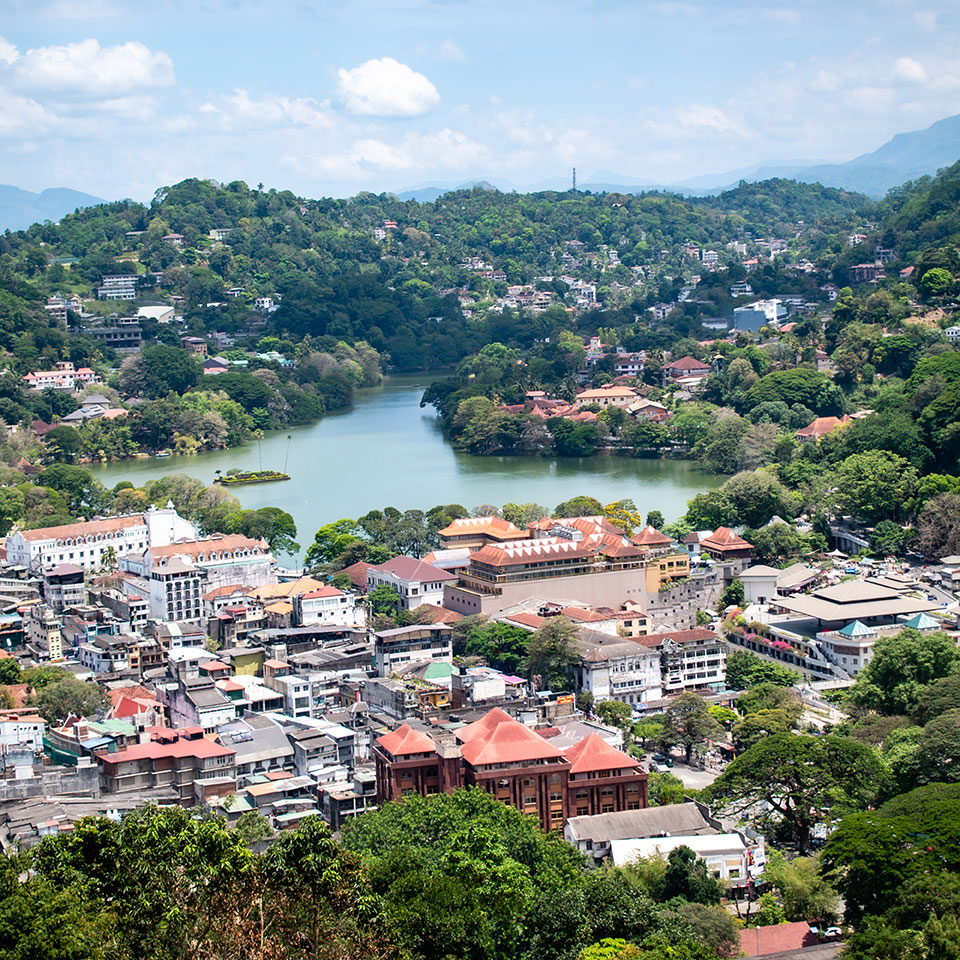
A Taste of Belonging
What do Sri Lankans eat when no one is watching?
In Sri Lanka, food often tells you who you are and where you belong. Toddy, a sweet, fermented sap tapped from palm trees, carries the memory of rural and working-class life, usually far removed from the polished world of luxury hotels. Lamprais, by contrast, reflects the island’s Dutch colonial past: rice cooked with meat and vegetables, wrapped in a banana leaf and baked, a tradition particularly cherished within the Burgher community and urban households.
Then there is kiribath, or milk rice, which is less a meal than a ritual. Served at birthdays, auspicious beginnings, and the monthly Poya observance, it marks moments when ordinary life opens onto something sacred. And kottu roti, despite its fame among visitors, belongs just as naturally to the late-night streets, where the clatter of metal blades signals a hard day ending and a small reward beginning. To understand Sri Lanka through food, I would look beyond the menu and ask when, and with whom, a dish is eaten.
The Things Our Hands Remember
Which crafts survive, and which are slipping away?
In Sri Lanka, some traditions still find a place in everyday life, while others are slowly disappearing with the hands that keep them alive. Around Kandy, Dumbara weaving transforms natural fibres into intricate patterns, carrying knowledge passed from one generation to the next. Rural cooperatives also help sustain handloom textiles, allowing an old skill to remain part of the present rather than a relic behind museum glass.
Further south, however, Beeralu lace tells a more fragile story. Introduced and shaped during the Portuguese and Dutch colonial eras, this delicate coastal craft, particularly associated with Galle, struggles against declining demand and an ageing community of artisans. As fewer young people take up the work, each unfinished pattern seems to hold a little more uncertainty. I find myself wondering whether a craft truly disappears when its last maker puts down the thread—or much earlier, when a society no longer sees a reason to carry it forward.
What the Island Leaves Behind
What can you bring home that still feels like Sri Lanka?
I have never been drawn to souvenirs that could have come from anywhere. In Sri Lanka, I would look for things that carry a place within them: true Ceylon cinnamon, with its delicate, fragrant layers and sweeter warmth than the common cassia; a single-estate tea shaped by the altitude and character of places such as Uva or Nuwara Eliya; or even a traditionally handmade graphite pencil, an unassuming object that connects the traveller to the patient work of local hands.
But perhaps the most enduring souvenirs are neither objects nor things we can pack. They are the smells and tastes that return years later, without warning. I imagine the scent of fresh curry leaves crackling in hot coconut oil, mingling with the island’s humid air—the invisible signature of a Sri Lankan kitchen. Then there is pol sambol: freshly grated coconut, red chilli, onion, lime, and dried fish, a fiery, earthy mixture that can transform the simplest plate of food.
Long after the journey ends, a smell can open a door that memory seemed to have closed. Perhaps that is what makes a souvenir meaningful: not its price or appearance, but its power to take us back, for a moment, to somewhere we once felt alive.
Where the Island Changes
When does Sri Lanka begin to feel like another country?
Just thirty minutes from Colombo or the airport, Negombo feels like a journey into another world. Dutch-era canals, grand Catholic churches, and a lively fishing culture give this coastal town a distinctly Latin-Asian character, far removed from the Buddhist-Sinhalese rhythms and administrative pulse of the capital. Here, the island seems to have changed countries without crossing a border.
Further inland, the Knuckles Mountain Range tells a different story. Its mist-shrouded forests, rugged trails, and untamed landscapes bear little resemblance to the familiar posters of a sun-drenched tropical paradise. The region is associated with Sri Lanka’s ancient Vedda people, whose Indigenous heritage challenges the polished image of an island packaged for tourism. Here, nature is not a backdrop for the traveller; it is a force that refuses to be tamed.
Then there is Mannar, a quiet, dusty town in the island’s northwest. It opens a window onto the distinctive world of Tamil Catholic fishing communities, while its striking baobab trees hint at centuries-old maritime connections with Africa and the Arab world. These trees seem like witnesses to journeys that official histories and conventional guidebooks rarely tell in full.
Perhaps Sri Lanka is not one island, but several worlds pressed together—each with its own faiths, memories, and rhythms, waiting just beyond the familiar map.
Sri Lanka can feel like paradise to those who travel slowly, lovers of railway journeys, and seekers of spiritual meaning. It rewards those willing to surrender their schedules, watch the landscape unfold beyond a train window, and let a conversation, a roadside stall, or an unexpected encounter become the purpose of a day. There is a certain beauty in its disorder: the bargaining, the sudden kindness of strangers, the improvised rhythms of everyday life. Here, the journey rarely follows the plan, but sometimes that is precisely the point.
Yet the same island can become an exhausting mistake for those who need everything to run like clockwork. Time here has a rhythm of its own, and timetables can feel more like suggestions than promises. Those accustomed to immaculate luxury, carefully insulated from the world—as in the secluded resorts of the Maldives—may find Sri Lanka too unpredictable, too crowded, too alive. Its chaotic traffic, tropical heat, and relentless humidity demand a patience that not everyone wishes to cultivate.
Perhaps the question is not whether Sri Lanka is paradise, but what kind of paradise we seek. Some travellers want the world to accommodate them; others want to be unsettled by it. Sri Lanka offers little guarantee of the former, but plenty of opportunities for the latter. It is not an island for everyone—and perhaps its charm lies precisely there.
Paradise Is a Matter of Pace
Who finds paradise here, and who finds it a mistake?
Our Stories from Sri Lanka
-
24 Easy and Quick Tips for Stunning Travel Portraits
-
The Art of Enough: Finding Joy in Simple Photography
-
Explore Magnificent Photographs: 20 Handpicked Online Galleries
-
Beyond Stereotypes: Unveiling the Enchantment of Iran
-
Sunken courtyards of Kashan
-
The Old Weaver's Hidden Smile
-
One Lens, One Pen: The Hatching of "Roam & Record"
When the Island Keeps Time
What reveals a country’s soul beyond its tourist calendar?
In Sri Lanka, some of the most revealing moments happen on days that barely register on a tourist’s itinerary. Poya, the Buddhist observance of the full moon, is one of them. Visitors may know its name, but to understand its place in the island’s life, it helps to venture beyond the main roads, into villages where the rhythm of the day still follows the moon.
On Poya, Buddhist devotees dress in white and make their way to temples. The sale of alcohol is prohibited, and many businesses close or reduce their activity. For a day, ordinary routines yield to prayer, reflection, and religious observance. The island seems to lower its voice, as though time itself has agreed to pause.
There are no elaborate spectacles designed for cameras, no carefully staged performances for visitors. Instead, there is something quieter and perhaps more revealing: a society briefly organising its day around a shared belief rather than consumption or convenience.
I find something compelling in this kind of interruption. Travel often teaches us to count experiences—temples visited, festivals witnessed, photographs taken—when what matters most may be the moment that asks us to stop counting. Poya is not simply another cultural event to add to a calendar; it is part of the calendar by which many Sri Lankans understand their lives.
Beyond the island’s beaches, colourful festivals, and familiar postcard images lies this quieter pulse. To encounter it is to glimpse a Sri Lanka that does not perform for tourists, but simply carries on being itself.
The Sound of Sri Lanka
Lost in the Desert Sky
Keyhan Kalhor
Flower’s Reward
Mehran Mobini
Konj-e-Kharabat
Gholam Hossein Fathi
Keep Roaming
Contact@roamandrecord.com
We are waiting for your kind messages