
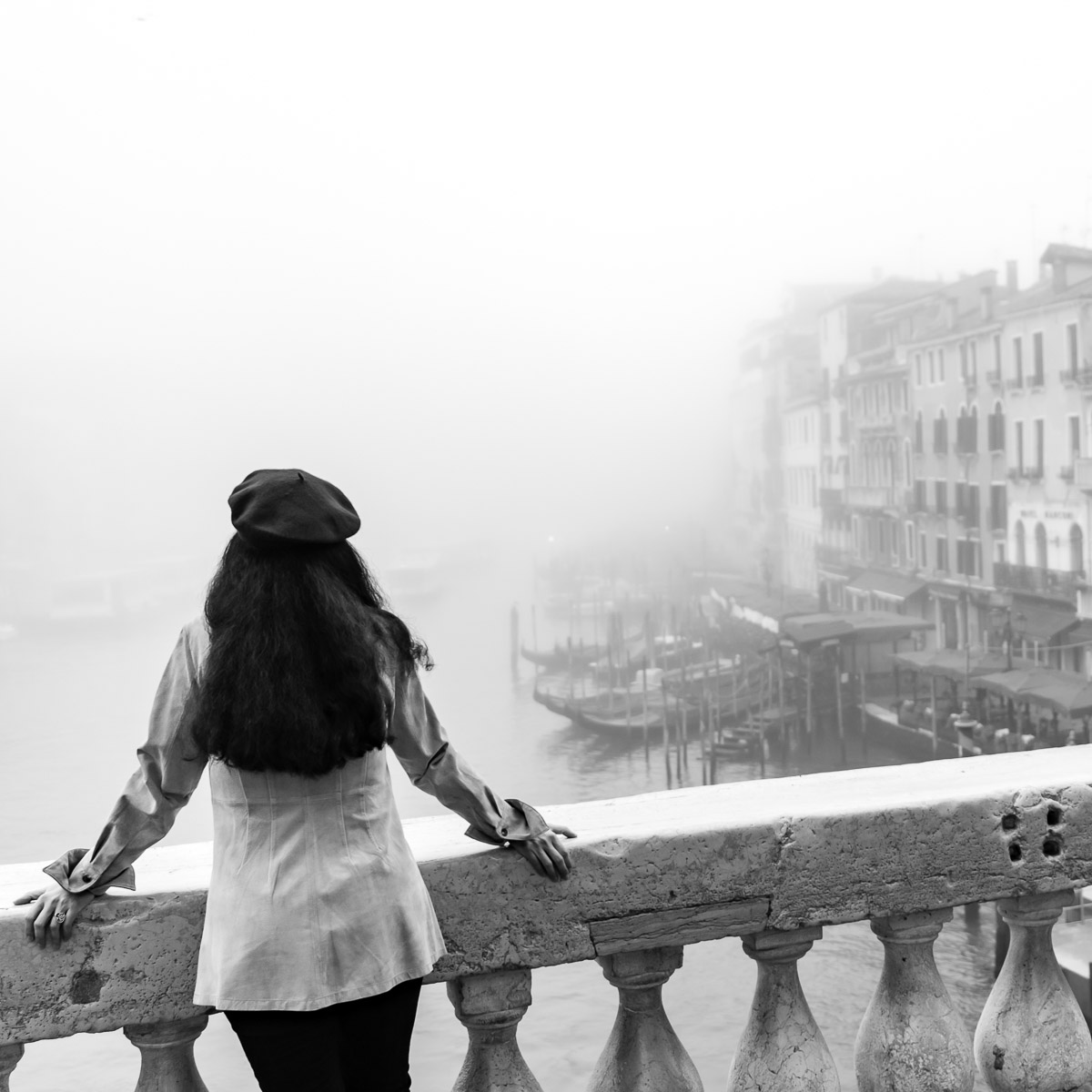
It was afternoon when we reached Santa Lucia Station. We stepped out. The Grand Canal was right in front of us. We had to cross the Ponte degli Scalzi. Our hotel sat next to a small square, Campo Nazario Sauro. It was the Santa Croce Boutique Hotel. We checked in fast. We went to our rooms. We splashed water on our faces. Then we walked toward the Rialto Bridge.
I had seen many pictures of that bridge. They were on Instagram and travel pages. They looked beautiful. It was nearly sunset. The light was good. When we reached the bridge, the dream broke. There was a line to cross it. It was like a protest march. People were everywhere. It was my first time in Venice. Everything fell apart at first sight. I had come ready for a ten. We got less than a one.
The Instagram picture and the fragile truth behind it try to hide the pressure. They try to hide the wear and the change. They cover it with filters and lies.
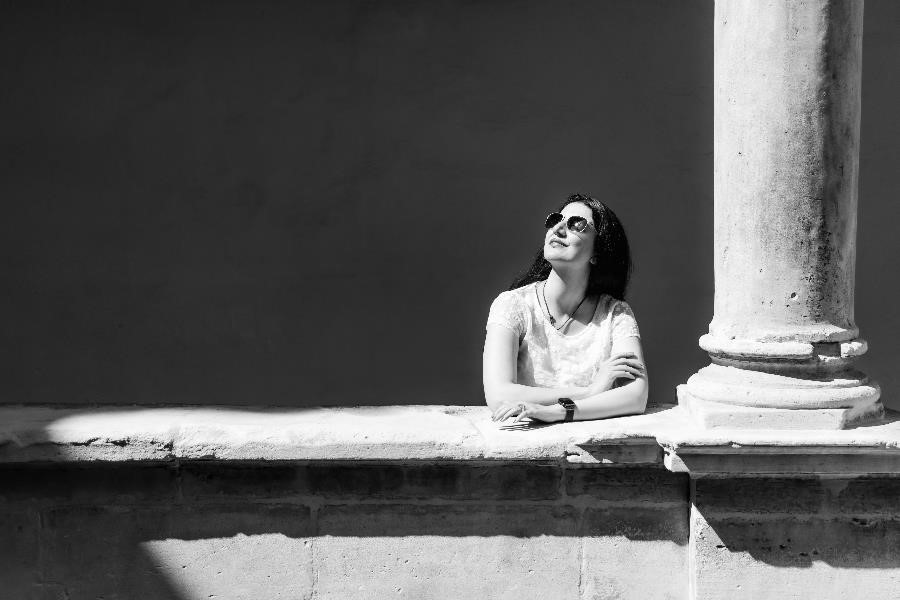
A beautiful photograph can be the strongest invitation. It makes people want to visit a place. A turquoise beach. A narrow road winding through thick woods. A stone village on a mountainside where every yard is another house's roof. A great old building in the golden evening light. These can put a million people into a travel dream in a few hours. From a marketing view, that looks perfect. Is it not? Does a businessman not want more customers for more sales?
But behind many of these dream pictures there is a harder story. The story of places that became famous through images. Slowly, they began to suffer. The tourist arrives and finds nothing like the photograph. Their experience does not match what they saw.
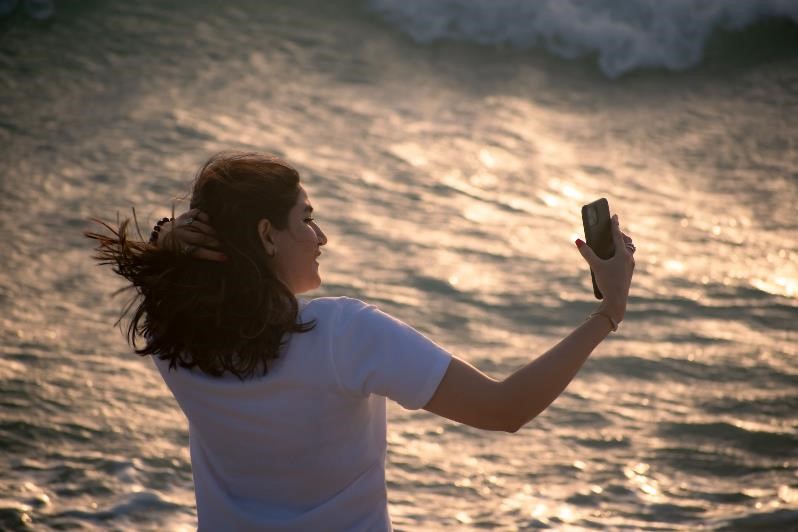
Tourism today is a visual thing more than ever. Many people no longer pick a place by history or culture or nature. They pick it by likes and hashtags and shared images. A desire grows. A place can become famous on social media before it is known on a map. Many people know the name of a spot but not the country it sits in.
One question matters. Does everything that looks beautiful give you that beautiful experience? Does it even have the strength to be seen by millions?
The narrow alleys with brick walls and wooden windows. The tight, tangled canals. The grand churches. The square courtyards. The small and large bridges of Venice. In late March, they did not have that strength. The air was still cold. Three months remained until the busy season (High Season).
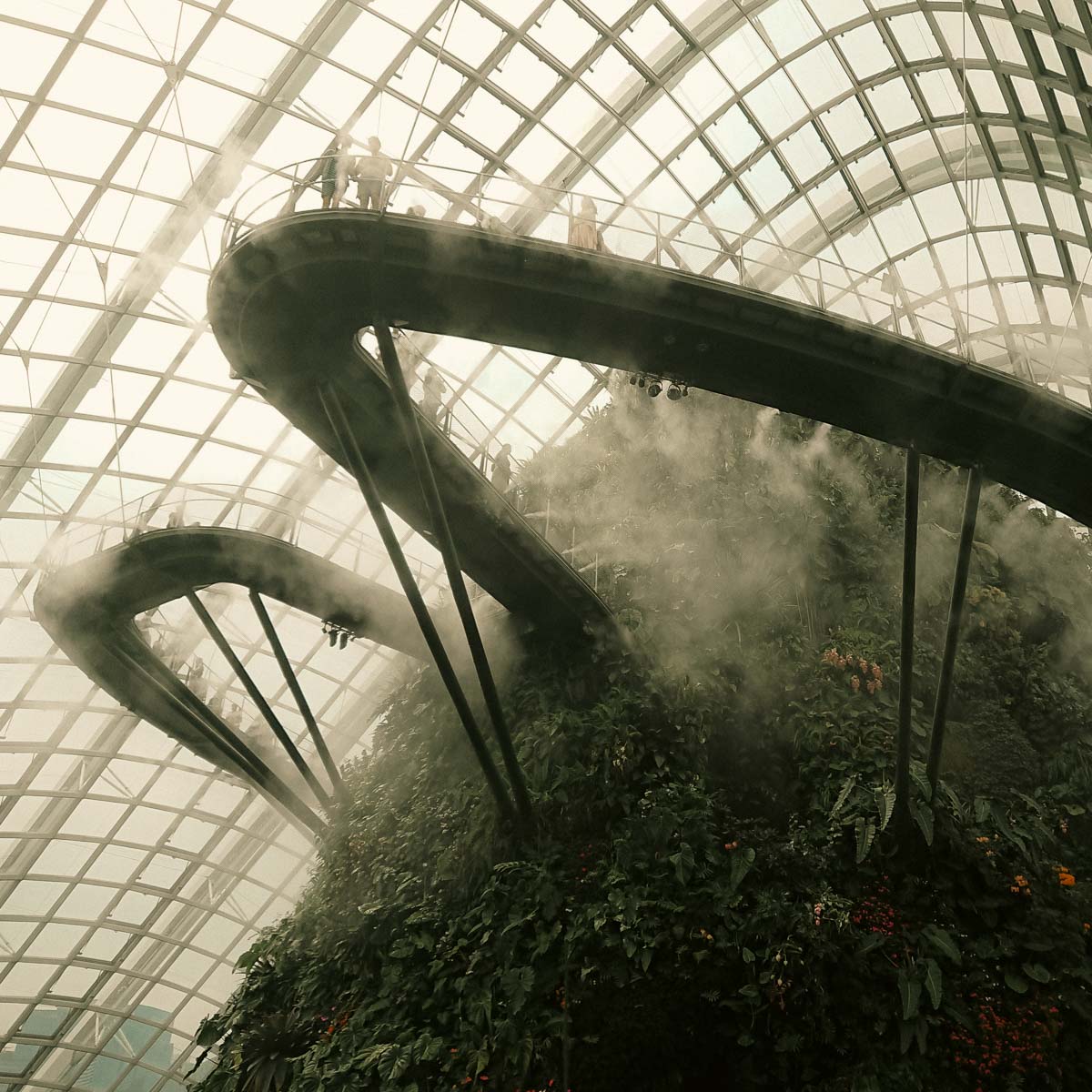
In the past, people chose where to travel from novels and films. They used guidebooks. They listened to friends. They saw official tourism ads. After Dan Brown’s The Da Vinci Code, visits to Rosslyn Chapel in Scotland went up fast. The Beach by Alex Garland made Maya Bay a famous destination. After watching Roman Holiday, who did not want to go to Rome? I saw the film after my trip to Rome. After watching it, I wanted to go back. I wanted to return to that pure Italian experience. I wanted to see those people again. The ones who do everything with their whole heart, even saying a simple sentence. If you have seen Eat Pray Love or read the book, you will want to visit those places.
Getting to know a destination slowly, through culture and feeling, gave you a first understanding. You arrived with a shared sense of the place. But today, algorithms make the choices. Social media decides. A UN World Tourism Organization report says before the pandemic, international trips reached nearly one and a half billion in 2019. That growth came with the digital shift. It came with a change in how people get inspired.
Platforms like Instagram have turned living destinations into visual products. A place’s worth is no longer measured by its history or ecosystem or its tie to the local community. Everything is measured by how well it can become a striking image. A waterfall. An old street. A natural cliff. Online, they become just a photo background. Nothing of the fragile natural or cultural system shows in the picture.
The gap between a photograph and the real place is the gap between earth and sky. It stays that wide all year.
A picture captures one single moment in time and space. A tourist place lives through time. A photograph of a beach may be taken at sunrise. It may be taken in the low season. The trash may have been cleaned up. The best angle was chosen. The lens settings were adjusted. Color filters were added.
The real beach on a crowded summer day is different. It holds hundreds of tourists. Plastic use rises. Water supplies strain. The plants around it get trampled. There is noise everywhere.
If you see my pictures of West Railay Beach, it looks like a piece of heaven. Everything seems dreamlike. The earth and sky look joined. But in the daylight, that dreamlike place feels more like a public bath than a view of endless beauty.
A photograph freezes time. Tourism leaves its marks across time. Studies in tourism psychology show that online images shape expectations. They can even affect how satisfied a traveler feels.
Three things build an unreal picture. Camera angle. It can cut out hundreds of people. It can hide ugly buildings. It can make a small space look large. Timing. Many famous images are shot at sunrise, in the quiet morning hours, or in a special season. Tourists who go to recreate that image often meet very different conditions. Digital editing. Higher color saturation. More contrast. Removing unwanted things. All this makes a place look more attractive than it is.
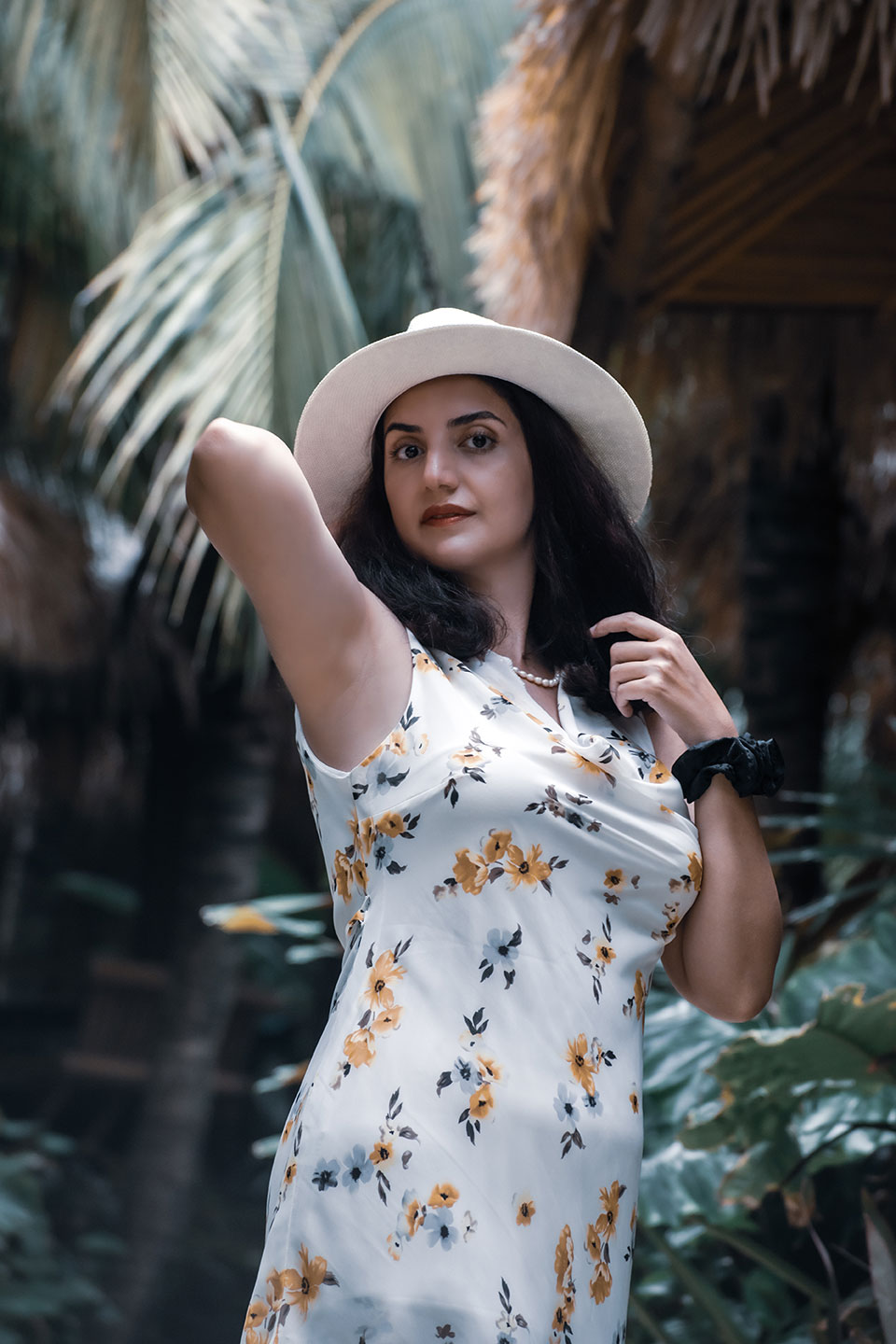
Among the guilty, I sit in the first row. Right now I think of all my own picture edits. It is all right. We humans are a mass of flaws.
The result of this visual trick is this: the viewer travels to a digital version of reality. A version that is unreal, yet appetizing.
A few years ago, you could look at a photograph and know it was real. It had stood before the camera.
Generative AI changed that.
A responsible traveler checks the source. He checks the time it was taken. He looks at other users' pictures. He looks at maps, reviews, and independent reports. The world is full of deceit. To find a true experience, a man must go to sources without pictures.
In the age of AI, media literacy is no longer an option. For any aware traveler, it is necessary.
There are four kinds of capacity.
Physical capacity. Roads, toilets, parking lots, trash systems. How much they can handle.
Environmental capacity. What nature can take. Waste, erosion, changes to animal homes.
Social capacity. How much the locals can accept.
Economic capacity. What the region's economy can use without becoming dependent or destroyed.
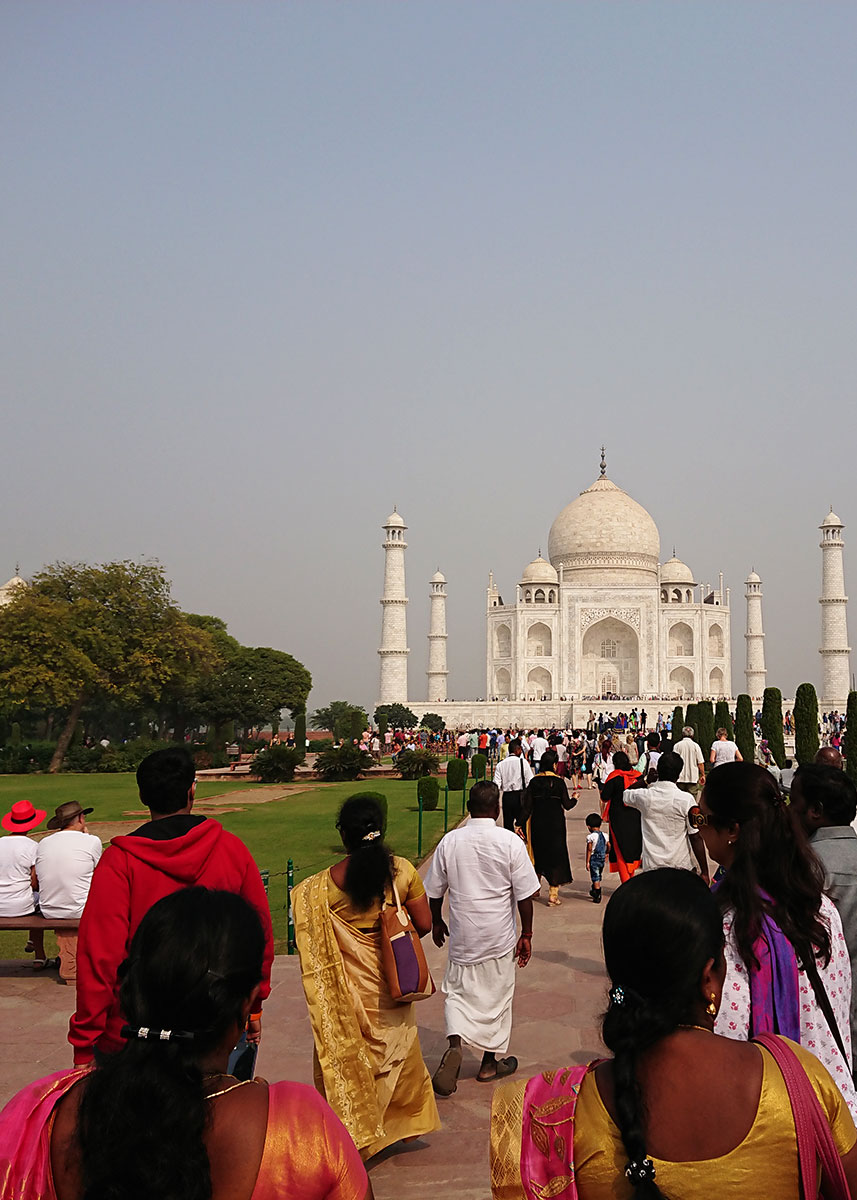
Behind the famous Instagram spots, the truth is hard. In many of these places the traveler no longer finds peace or discovery. He waits. He waits for a photograph. Tourists stand hours for a frame empty of other people. Natural paths turn into photo lines. The experience shrinks to the picture.
Walking down from Prague Castle you find a fine viewpoint. Old Prague, the river, Charles Bridge—all of it lies below. In September, to stand at the edge of the wall and take in the view you must wait at least half an hour. That season I gave up on St. Vitus Cathedral. The line was a kilometer long.
Photo tourism makes new trails. Thousands move to the same spot for the same shot. Vegetation is trampled. Soil packs hard. Erosion quickens. The land cannot heal itself. In the mountains, just walking again and again keeps water from soaking into the ground. The surface wears away.
Places once wild and clean now get plastic bottles, food wrappers, tissues, human waste. Every year about eleven million tons of plastic go into the oceans. Tourism is not the whole cause. But along coasts and in wild country it carries a good share.
Tourism in fragile country puts heavy pressure on local resources. A tourist uses more water than a local. The hotel, the pool, the laundry, the entertainments—it all adds to his daily take. In some dry lands, more tourism has set tourists and locals fighting for the same water.
A beach with clear water, white sand and a blue sky. Outside the frame there may be plastic waste, untreated sewage and coastal erosion. The beautiful picture tells a lie. It gives you half the truth.
The photograph of a misty forest. It feels calm. But too many people can break animal habitat, change the trails, bring noise.
Many villages famous on social media are sold as "the real life." But more tourists can turn local houses into lodgings. Old work fades. The local culture shifts. It performs for the visitor.
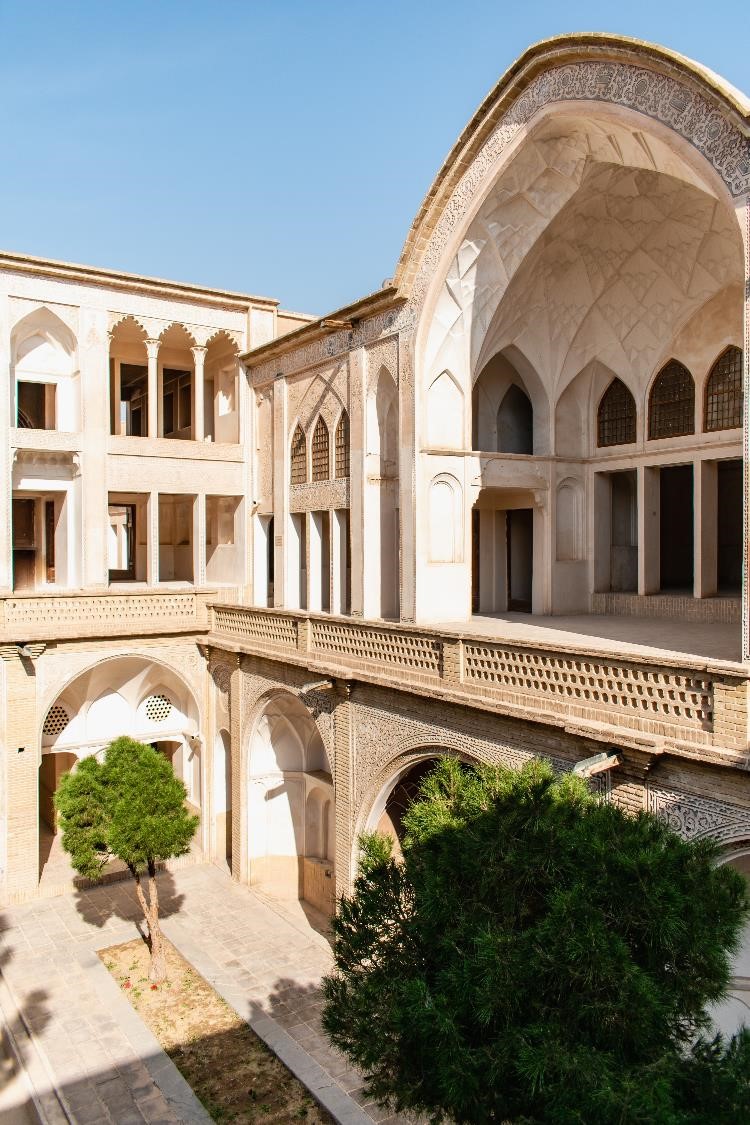
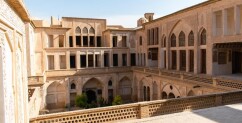
Abyaneh village near Kashan in Isfahan, Iran was one of these untouched, fine places. Time passed. The professionals and the amateurs came. Now it is a false photo set. The old women in their white flowered dresses sit from morning to night on the mud-brick platform in front of their houses. They wait for a tourist to come and pay for a picture. Life no longer runs true in that red village. I am not even sure all those old women belong to the place.
There is a difference between seeing a place and consuming it. Seeing is connection, learning, respect. Consuming is using it only to make a personal experience or a photograph. Today many villages in the world are consumed by us. They are not seen.
Photo tourism hits local communities hard. In many popular places, tourist demand pushes property prices up. Look at old European cities. Short-term rentals have made it hard for locals to live in the center. The platforms can bring money. But in crowded districts, homes for living vanish. Rents rise. The neighborhood changes. It is simple supply and demand. Demand goes up. Supply does not. Prices climb.
Culture is alive when it means something to the people. Too many tourists can turn it into a show. Ceremonies are performed for them. Crafts change. Traditions are watered down to please.
Lesedi Cultural Village in South Africa is one of these false shows. People there wear local dress and play at being natives. At the end of the tour they dance for you. Nothing real is left in it.
Another problem with tourism is economic leakage. The money does not stay in the community. It leaves. International hotel chains, big transport companies, foreign agencies—they take a large share. Radisson Blu, Marriott, Four Seasons, InterContinental—they are everywhere. And many hotels owned by these giants wear fine local names.
Studies in developing countries show the leakage can run high. Sometimes more than half the tourist's money leaves the local economy.
Real places that fell to their own fame tell the story of the crisis.
Venice has about a hundred thousand people in its center. Millions visit every year. The crowds are heavy. The infrastructure strains. Housing prices rise. The permanent population shrinks.
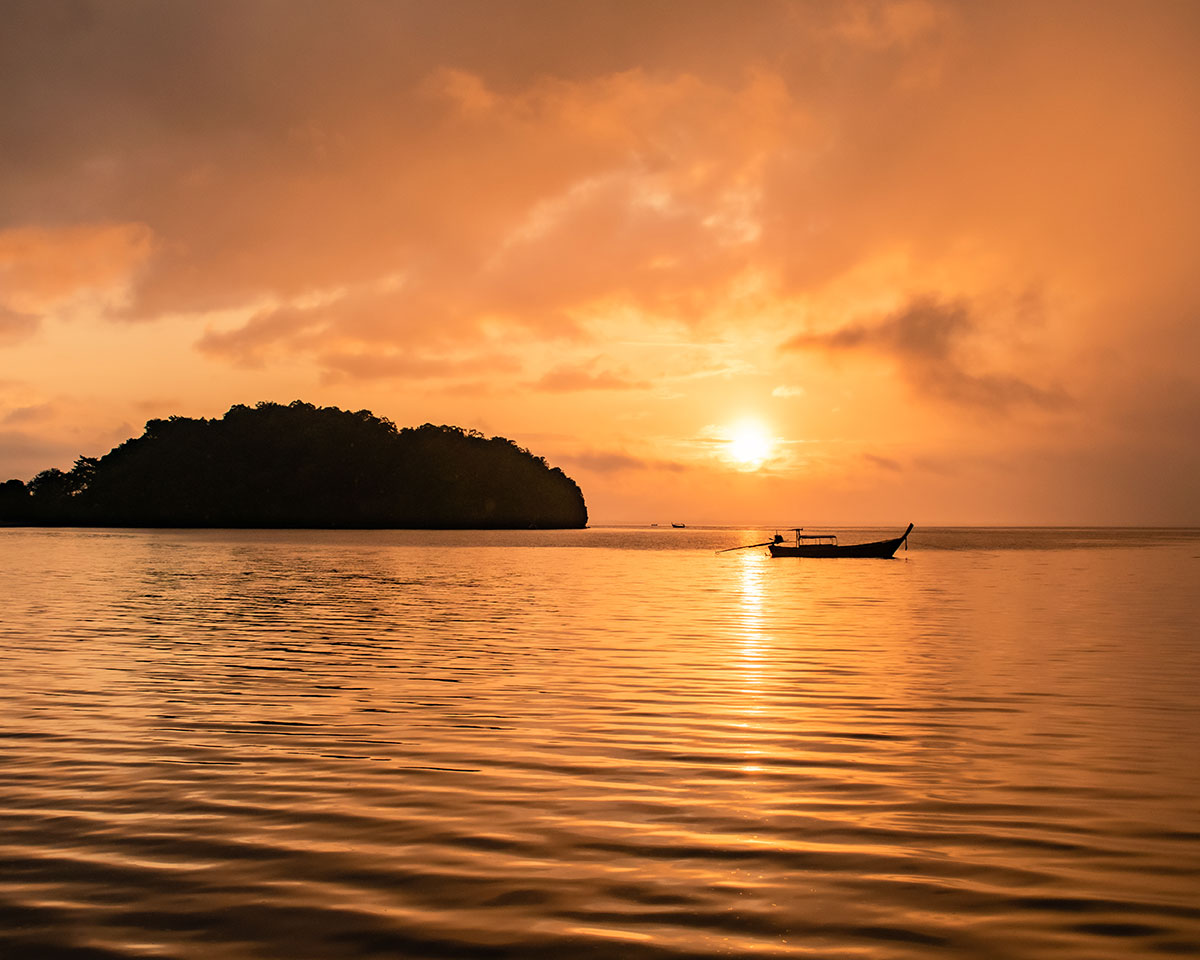
Some Thai islands became famous. Then the coral died. The waste piled up. The water ran short. Maya Bay had so many visitors they closed it for a time. The ecosystem needed a chance to heal.
Bali shows the pressure of tourism on water. Fast growth meant more hotels, more villas, more pools. They drank the water. In some places tourism and farming fought over it.
Machu Picchu now limits entry. It protects the stones, controls the crowds, slows the erosion.
Iceland's wild country took in too many people. The trails broke down. The thin plant cover suffered. They had to build controlled paths.
One of the biggest contradictions of modern tourism is this: we fall in love with nature and travel to see it. But our presence, in great numbers, can destroy that same nature.
The difference between a consumer tourist and a responsible traveler comes down to one question. Do I only want to take something from the place? Or do I want to leave something behind?
Those who introduce destinations have great power. One successful post can steer thousands to a spot. It can change how they act. So making content must carry responsibility.
The answer to the question "Should we introduce every beautiful place?" is not always yes. Some natural places have no capacity. They hold sensitive species. Wide publicity harms them. Sometimes protecting a place matters more than making it famous. Sometimes, instead of taking a picture of a tourist spot, it is better to choose older, gentler ways of passing on a message. Perhaps if we keep our audience small, we do more good for the culture, the history, the environment, the economy of a region.
The world is not always a competition. I know these words sound strange to the modern ear—the ear used to signs outside shops that say: "Buy one, get two." But nature does not understand economic competition. Its pace is slow. The flow of life in it is different.
There is a great difference between a content maker and a travel narrator. A content maker may only want attention, views, likes. A responsible narrator answers to the audience and the place.
People with maturity, empathy, and a sense of duty do not need to make others jealous with loud displays of success or wealth or travel. They do not get their worth from the approval of others. If they show a place, they show its beauty and its limits. They tell you the right season, the crowds, the costs, the problems, its true capacity.
They know one image can change the acts of thousands. One recommendation can decide the fate of an ecosystem or a community.
Honesty, even when it takes the shine off the content, builds trust. Trust is capital. No number of likes or followers can replace it.
The finest travel photograph may not be the one that stirs the most envy. It may be the one that tells the truth with respect. It invites people to see, to understand, and to travel with care.
A good photographer does not cut the ugly out of the frame. He finds meaning inside the real thing. Beauty. A story. That is the difference between art and loud advertising.
A professional knows beauty is not only a blue sky, an empty beach, a perfect street. The worn walls of an old city, the lines on a fisherman's face, a crowded local market, rain, fog, dust, even trash that speaks of a wrong human act—all of it is part of the place. The artist does not cut these things. He chooses the angle, the light, the right time, the composition. He makes an image that pleases the eye and stays true.
We connect more deeply with a picture we believe. Authenticity builds trust. Trust lasts longer than a moment's wonder.
The real art in travel is not to build a dream world. It is to see the hidden beauty in the real one. You do not deny the flaws. You do not deny the mess.
Every perfect picture has a hidden story. Behind a beautiful photograph there may be a fragile ecosystem. A local community changing. A piece of history that cannot be replaced.
The traveler's most important skill may be this: seeing what the photograph does not show.
You cannot stop people from making beautiful images. You can warn the viewer.
Seeing the unseen is an art. It draws the line between care and neglect.
We tear our throats for our rights. We beat our chests. I wish we paid that same fierce attention to our duties. I wish they mattered just as much.