A U S T R I A

The Sensory Geography
True Identity of Austria
True Identity of Austria
Austria is a country where the western mountains, the eastern plains, the Danube, and the cultural borderlands of Central Europe all meet. Around 60 percent of its territory is mountainous, part of the Eastern Alps, while the east of the country has a far more open, drier, plain-like character.
Austria sounds like a train waltzing along the rails through forests and mountains. It smells of wet wood and fresh mountain grass, with notes of fresh coffee. Austria is dark green, straw yellow, and vineyard brown. Austria tastes of cheese with fresh bread and a glass of white wine. Austria is not just Vienna. It is a sweep of land from the western Alps to the wide eastern plains.
Austria sounds like a train waltzing along the rails through forests and mountains. It smells of wet wood and fresh mountain grass, with notes of fresh coffee. Austria is dark green, straw yellow, and vineyard brown. Austria tastes of cheese with fresh bread and a glass of white wine. Austria is not just Vienna. It is a sweep of land from the western Alps to the wide eastern plains.
Between Alps and Empire
What Natural or Historical Border Made Austria?
What Natural or Historical Border Made Austria?
Mountains have shaped almost two-thirds of Austria. The Danube, of course, is a serious rival to the Alps. The Danube runs from west to east through the country, linking Austria to the great network of Central Europe.
Austria today is smaller than the image the word “Habsburg” conjures in the mind. But the traces of that empire still remain in the architecture, the cities, the railways, the palaces—even in the cultural fabric of the country.
Austria today is smaller than the image the word “Habsburg” conjures in the mind. But the traces of that empire still remain in the architecture, the cities, the railways, the palaces—even in the cultural fabric of the country.
Where the Alps Give Way
Which Part of the Country Contradicts the Tourist’s Mental Image?
Which Part of the Country Contradicts the Tourist’s Mental Image?
Tourists usually imagine Austria as mountains. But in the east you meet a different landscape: vineyards, farmland, low-lying villages, shallow lakes, reed beds, open plains, and drier air. Burgenland, along Lake Neusiedl, has an entirely different cultural landscape; the region is part of a cross-border cultural landscape with Hungary, which UNESCO has placed on the World Heritage list. The Weinviertel is another good example—a region northeast of Vienna known more for vineyards and wine villages than for mountains. Its wine route stretches for about 400 kilometers.
The Other Austrias
Which Region Feels Like Another Country Entirely?
Which Region Feels Like Another Country Entirely?
Vorarlberg — as if Switzerland has slipped into Austria
If you had to choose one region that feels most “un-Austrian,” Vorarlberg would be a strong pick. It sits at the westernmost edge of the country, tucked between Germany, Switzerland, Liechtenstein, and Lake Constance. Vorarlberg has a strikingly distinct architectural culture: local wood, clean lines, glass, contemporary design. Even a village bus stop can become an architectural project. The region’s modern architecture movement took shape in the 1960s and is now considered one of the best-known examples of contemporary rural architecture in Europe.
Burgenland — as if Hungary has been grafted onto Austria
The east of the country carries a different mood. Vineyards, plains, Lake Neusiedl, and a multicultural heritage have turned Burgenland into one of the most eastern, most Central European faces of Austria. The region joined Austria in 1921, and its past remains deeply bound to the historical world of Hungary.
Carinthia — as if Austria has drifted toward the Balkans and Slovenia
Carinthia, in the south, especially near the Slovenian border, shows a different face. The historic presence of Slovenes, the bilingual signs, and the region’s linguistic heritage all make clear that today’s political border is not necessarily a cultural one.
If you had to choose one region that feels most “un-Austrian,” Vorarlberg would be a strong pick. It sits at the westernmost edge of the country, tucked between Germany, Switzerland, Liechtenstein, and Lake Constance. Vorarlberg has a strikingly distinct architectural culture: local wood, clean lines, glass, contemporary design. Even a village bus stop can become an architectural project. The region’s modern architecture movement took shape in the 1960s and is now considered one of the best-known examples of contemporary rural architecture in Europe.
Burgenland — as if Hungary has been grafted onto Austria
The east of the country carries a different mood. Vineyards, plains, Lake Neusiedl, and a multicultural heritage have turned Burgenland into one of the most eastern, most Central European faces of Austria. The region joined Austria in 1921, and its past remains deeply bound to the historical world of Hungary.
Carinthia — as if Austria has drifted toward the Balkans and Slovenia
Carinthia, in the south, especially near the Slovenian border, shows a different face. The historic presence of Slovenes, the bilingual signs, and the region’s linguistic heritage all make clear that today’s political border is not necessarily a cultural one.
Destination Digest
Between Alps and Empire
What Natural or Historical Border Made Austria?
What Natural or Historical Border Made Austria?
Mountains have shaped almost two-thirds of Austria. The Danube, of course, is a serious rival to the Alps. The Danube runs from west to east through the country, linking Austria to the great network of Central Europe.
Austria today is smaller than the image the word “Habsburg” conjures in the mind. But the traces of that empire still remain in the architecture, the cities, the railways, the palaces—even in the cultural fabric of the country.
Austria today is smaller than the image the word “Habsburg” conjures in the mind. But the traces of that empire still remain in the architecture, the cities, the railways, the palaces—even in the cultural fabric of the country.
Where the Alps Give Way
Which Part of the Country Contradicts the Tourist’s Mental Image?
Which Part of the Country Contradicts the Tourist’s Mental Image?
Tourists usually imagine Austria as mountains. But in the east you meet a different landscape: vineyards, farmland, low-lying villages, shallow lakes, reed beds, open plains, and drier air. Burgenland, along Lake Neusiedl, has an entirely different cultural landscape; the region is part of a cross-border cultural landscape with Hungary, which UNESCO has placed on the World Heritage list. The Weinviertel is another good example—a region northeast of Vienna known more for vineyards and wine villages than for mountains. Its wine route stretches for about 400 kilometers.
In Austria, being together often happens in the most ordinary places: the café, the bakery, the market, the Heuriger, the mountain hut, and the Verein, or local club. Vienna’s coffeehouse culture is inscribed on Austria’s list of intangible cultural heritage, and the historic café was effectively a public living room—a place to read the newspaper, meet, talk, and stay.
In villages and wine-growing areas, the Heuriger plays the same role: wine, simple food, shared tables, and conversation. UNESCO regards it as part of Vienna’s social culture, and Gemütlichkeit—a kind of unhurried comfort and togetherness—is one of its defining qualities.
In villages and wine-growing areas, the Heuriger plays the same role: wine, simple food, shared tables, and conversation. UNESCO regards it as part of Vienna’s social culture, and Gemütlichkeit—a kind of unhurried comfort and togetherness—is one of its defining qualities.
The Unhurried Table
What Do People Talk About at a Shared Table or in Line at the Bakery?
What Do People Talk About at a Shared Table or in Line at the Bakery?
“Grüß Gott”
For a first encounter in much of Austria—especially outside the very casual urban sphere—Grüß Gott is a far more natural choice than an English “hello.”
“Servus”
Servus works for both hello and goodbye, and carries a friendlier air.
In Austria, everyday courtesy matters deeply, but it does not necessarily mean instant warmth. If you enter a conversation with a wide smile, a loud voice, and personal questions, you will not necessarily be welcomed any faster. Respect for a little distance is itself part of Austrian politeness.
For a first encounter in much of Austria—especially outside the very casual urban sphere—Grüß Gott is a far more natural choice than an English “hello.”
“Servus”
Servus works for both hello and goodbye, and carries a friendlier air.
In Austria, everyday courtesy matters deeply, but it does not necessarily mean instant warmth. If you enter a conversation with a wide smile, a loud voice, and personal questions, you will not necessarily be welcomed any faster. Respect for a little distance is itself part of Austrian politeness.
The Key Word
What Is the One Word You Need to Know for Doors to Open?
What Is the One Word You Need to Know for Doors to Open?
Cities of Austria so far
Guest, Not Host
What Ritual Governs Hospitality Here?
What Ritual Governs Hospitality Here?
If I had to distill Austrian hospitality into a single sentence, it would be this: “You are a guest, not the host.” In plain terms: sit down, make yourself comfortable, and enjoy the Austrian experience—but do not step into the private sphere, do not raise your voice, respect the order of the table and the queue, do not haggle over prices, do not expect theatrical or constant service, and if a place is rural or family-run, move to its rhythm.
The Quiet Code
Which Daily Habits Seem Strange to a Traveler?
Which Daily Habits Seem Strange to a Traveler?
Punctuality: an appointment at ten means ten, not “around ten.”
Queuing: in Austria, one’s place in line is not something people give up easily.
Personal space: the relatively reserved Western manner wins out over the Eastern warmth of embraces and constant touching.
Bargaining: haggling is not a normal part of everyday shopping. In traditional markets a little more conversation may happen, but in a shop, bakery, café, or restaurant, expecting a discount is not seen as natural behavior.
Sunday: Sunday in Austria still carries a different mood. Not everything is meant to be open, and many commercial activities are more limited.
Queuing: in Austria, one’s place in line is not something people give up easily.
Personal space: the relatively reserved Western manner wins out over the Eastern warmth of embraces and constant touching.
Bargaining: haggling is not a normal part of everyday shopping. In traditional markets a little more conversation may happen, but in a shop, bakery, café, or restaurant, expecting a discount is not seen as natural behavior.
Sunday: Sunday in Austria still carries a different mood. Not everything is meant to be open, and many commercial activities are more limited.
The Unwasted Hours
What Do People Consider “Wasting Time” and What Do They Consider “Living”?
What Do People Consider “Wasting Time” and What Do They Consider “Living”?
In Austrian culture, being without a fixed purpose is not necessarily time wasted. Sitting in a café. Going to a Heuriger. Walking in the mountains. Sitting by a lake. Heading to a mountain hut. Volunteering at a local association. Meeting friends. Through Austrian eyes, none of this is squandered time; it is part of the texture of social life.
Official figures from Statistics Austria show that around 48 percent of the Austrian population took part in voluntary activities in 2025—from clubs and cultural work to helping neighbors and local organizations.
Put more simply: for Austrians, social life is not only consuming; it is also participating. Which is why the Verein—the local association, club, or group—matters so much for understanding Austrian society.
Official figures from Statistics Austria show that around 48 percent of the Austrian population took part in voluntary activities in 2025—from clubs and cultural work to helping neighbors and local organizations.
Put more simply: for Austrians, social life is not only consuming; it is also participating. Which is why the Verein—the local association, club, or group—matters so much for understanding Austrian society.
Myths That Linger
Which Legend or Collective Memory Still Shows Up in Everyday Behavior?
Which Legend or Collective Memory Still Shows Up in Everyday Behavior?
The myth of the “good old empire.”
Austria still partly lives with the memory of the Habsburg Empire. Among older Austrians there lingers an idea of the former empire as a multiethnic, civilized, relatively peaceful land—a place where different nations and languages lived under a single crown.
The second myth: “We were Hitler’s first victim.”
After the Second World War, Austria largely presented itself as the “first victim of Nazism”—a country swallowed by Nazi Germany in 1938. For decades this narrative shaped the official identity of the Second Austrian Republic. But the reality was more complicated: a significant part of society had welcomed the Anschluss, and many Austrians had taken part in the Nazi apparatus. The breaking point of this narrative came with the Kurt Waldheim affair in 1986. Since then, Austria has gradually moved from “we were victims” toward accepting responsibility and acknowledging the complicity of part of Austrian society.
Austria still partly lives with the memory of the Habsburg Empire. Among older Austrians there lingers an idea of the former empire as a multiethnic, civilized, relatively peaceful land—a place where different nations and languages lived under a single crown.
The second myth: “We were Hitler’s first victim.”
After the Second World War, Austria largely presented itself as the “first victim of Nazism”—a country swallowed by Nazi Germany in 1938. For decades this narrative shaped the official identity of the Second Austrian Republic. But the reality was more complicated: a significant part of society had welcomed the Anschluss, and many Austrians had taken part in the Nazi apparatus. The breaking point of this narrative came with the Kurt Waldheim affair in 1986. Since then, Austria has gradually moved from “we were victims” toward accepting responsibility and acknowledging the complicity of part of Austrian society.
Joseph Mohr
His name is almost unknown to most travelers, yet the poem he wrote in 1816 later became “Silent Night.” Mohr was a poet-priest who lived among the people in the villages where he served, and in Wagrain he worked for the school, for poor children, and for the elderly. He was even criticized for spending too much time in taverns and mixing too freely with ordinary people. He and Franz Xaver Gruber first performed the carol on Christmas Eve in 1818. UNESCO counts “Silent Night” as part of Austria’s intangible cultural heritage.
A More Modern Hero: VALIE EXPORT
If you want to meet an Austrian who deliberately blew up the image of “traditional Austria,” VALIE EXPORT is an excellent choice. Born in Linz, she challenged Austria’s conservative art world in the 1960s and 1970s through performance art, the body, feminism, and media. She even shed the surnames of her father and husband, choosing VALIE EXPORT as her artistic identity. In 1968, with Tapp- und Tastkino, she turned the female body from a visual object into a direct experience in public space—and caused an uproar. She died on May 14, 2026.
His name is almost unknown to most travelers, yet the poem he wrote in 1816 later became “Silent Night.” Mohr was a poet-priest who lived among the people in the villages where he served, and in Wagrain he worked for the school, for poor children, and for the elderly. He was even criticized for spending too much time in taverns and mixing too freely with ordinary people. He and Franz Xaver Gruber first performed the carol on Christmas Eve in 1818. UNESCO counts “Silent Night” as part of Austria’s intangible cultural heritage.
A More Modern Hero: VALIE EXPORT
If you want to meet an Austrian who deliberately blew up the image of “traditional Austria,” VALIE EXPORT is an excellent choice. Born in Linz, she challenged Austria’s conservative art world in the 1960s and 1970s through performance art, the body, feminism, and media. She even shed the surnames of her father and husband, choosing VALIE EXPORT as her artistic identity. In 1968, with Tapp- und Tastkino, she turned the female body from a visual object into a direct experience in public space—and caused an uproar. She died on May 14, 2026.
Off the Page
Which Local Hero Never Made It into the Books?
Which Local Hero Never Made It into the Books?
The Third Man — 1949
If you choose only one film, make it this one. Not for its crime story, but for its postwar Vienna. Carol Reed and Orson Welles give us a city still wounded: ruins, the black market, four-power occupation, underground sewers, and streets whose old grandeur still shows through the rubble. The film was shot in Vienna in 1948. Even today the city runs an official Third Man tour, tying parts of the historic sewer system to the movie.
The Sound of Music — 1965
Watch this one to understand the outside world’s image of Austria, not necessarily the real Austria. The film has become almost a global symbol of Salzburg. Every year hundreds of thousands of people come to see the film locations. But here is the surprising part: inside Austria itself, the movie never found the popularity or mythic status it has in America and elsewhere. The Salzburg Museum’s new project sets out to do exactly that—to show the gap between the reality of the von Trapp family and the Hollywood legend.
If you choose only one film, make it this one. Not for its crime story, but for its postwar Vienna. Carol Reed and Orson Welles give us a city still wounded: ruins, the black market, four-power occupation, underground sewers, and streets whose old grandeur still shows through the rubble. The film was shot in Vienna in 1948. Even today the city runs an official Third Man tour, tying parts of the historic sewer system to the movie.
The Sound of Music — 1965
Watch this one to understand the outside world’s image of Austria, not necessarily the real Austria. The film has become almost a global symbol of Salzburg. Every year hundreds of thousands of people come to see the film locations. But here is the surprising part: inside Austria itself, the movie never found the popularity or mythic status it has in America and elsewhere. The Salzburg Museum’s new project sets out to do exactly that—to show the gap between the reality of the von Trapp family and the Hollywood legend.
Two Films, Two Austrias
What Film Should You Watch Before You Go?
What Film Should You Watch Before You Go?
Our Stories from Austria
-
24 Easy and Quick Tips for Stunning Travel Portraits
-
The Art of Enough: Finding Joy in Simple Photography
-
Explore Magnificent Photographs: 20 Handpicked Online Galleries
-
Beyond Stereotypes: Unveiling the Enchantment of Iran
-
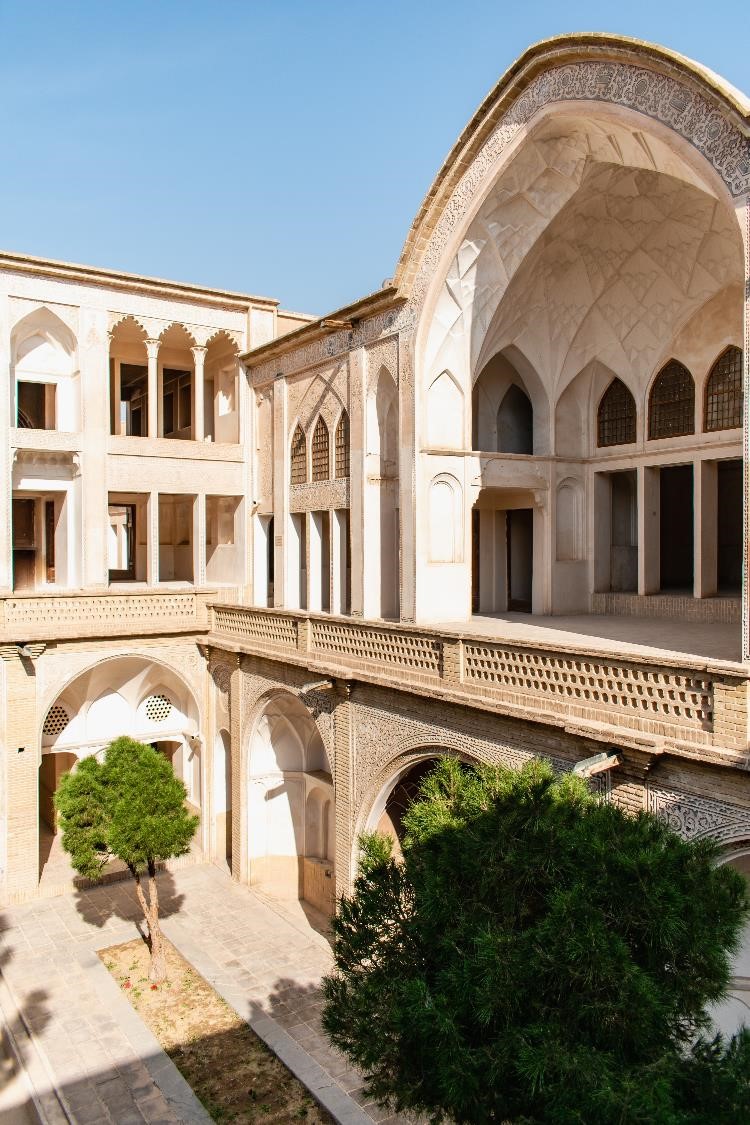
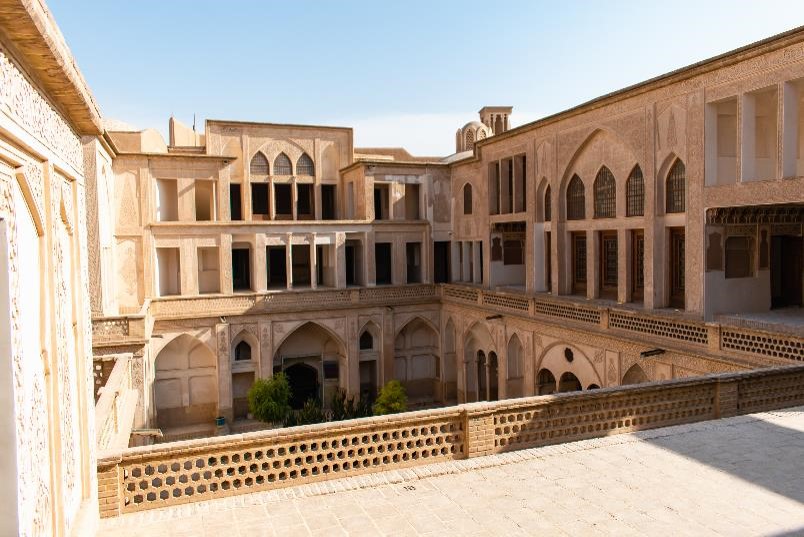
Sunken courtyards of Kashan
-
The Old Weaver's Hidden Smile
-
One Lens, One Pen: The Hatching of "Roam & Record"
The Postcard and the Ruin
What Novel Should You Read Before You Go?
What Novel Should You Read Before You Go?
The World of Yesterday — Stefan Zweig
If I had to choose just one book, this would be it. Zweig helps you understand what Vienna meant before the First World War: a multicultural society, an empire nearing its end, a middle class, culture, Viennese Jews, music, literature—and then the collapse of that entire world. The book is, in effect, the story of the death of an Austria. And afterward you can wander Vienna looking for the remains of that world.
For a Darker Austria: Thomas Bernhard
If you want to smash the postcard image of Austria, Bernhard is the better choice. In his work, Austria is often not a gentle, beautiful, innocent country, but a society trapped in its past, its hypocrisy, and its historical memory. This is the Austria that emerges from behind the city’s tidy façade.
If I had to choose just one book, this would be it. Zweig helps you understand what Vienna meant before the First World War: a multicultural society, an empire nearing its end, a middle class, culture, Viennese Jews, music, literature—and then the collapse of that entire world. The book is, in effect, the story of the death of an Austria. And afterward you can wander Vienna looking for the remains of that world.
For a Darker Austria: Thomas Bernhard
If you want to smash the postcard image of Austria, Bernhard is the better choice. In his work, Austria is often not a gentle, beautiful, innocent country, but a society trapped in its past, its hypocrisy, and its historical memory. This is the Austria that emerges from behind the city’s tidy façade.
Beyond the Postcard
Which Famous Sight Isn’t Worth the Trip, and Which Overlooked Place Is?
Which Famous Sight Isn’t Worth the Trip, and Which Overlooked Place Is?
Hallstatt: lovely, but not necessarily the best experience.
Hallstatt is genuinely beautiful, and its historical value is real. The problem is the ratio of fame to size. The famous image of the village—houses pressed together along the lake, mountains rising behind, the church tower—has been reproduced so endlessly on social media that the actual experience can fall short of the picture in your head. If you go only to capture that one famous photograph, you will likely spend much of the day in the company of other visitors.
The antidote: Bad Goisern, Obertraun, Bad Ischl.
Bad Ischl is especially appealing: a small town with imperial architecture, café culture, a river, and daily life—not simply a backdrop for a photo. Austria’s official tourism board even calls it the “hidden capital of the Salzkammergut.”
Hallstatt is genuinely beautiful, and its historical value is real. The problem is the ratio of fame to size. The famous image of the village—houses pressed together along the lake, mountains rising behind, the church tower—has been reproduced so endlessly on social media that the actual experience can fall short of the picture in your head. If you go only to capture that one famous photograph, you will likely spend much of the day in the company of other visitors.
The antidote: Bad Goisern, Obertraun, Bad Ischl.
Bad Ischl is especially appealing: a small town with imperial architecture, café culture, a river, and daily life—not simply a backdrop for a photo. Austria’s official tourism board even calls it the “hidden capital of the Salzkammergut.”
The Road as the Reward
Which Route Between Two Towns or Villages Is Itself the Destination?
Which Route Between Two Towns or Villages Is Itself the Destination?
The Semmering Railway
This is one of the best answers. The route from Gloggnitz through Semmering to Mürzzuschlag is not merely a way of getting from A to B. The Semmering Railway was built between 1848 and 1854, stretching 41 kilometers through tunnels, bridges, and structures that were engineering masterpieces for their time. UNESCO has inscribed it on the World Heritage list. With the coming of the railway, the mountain regions became accessible, and hotels and summer villas sprang up along the line. UNESCO explicitly counts this transformation as part of the route’s heritage value.
The Second Route: Grossglockner High Alpine Road
If you are traveling by car, this road deserves a day set aside for its own sake. The 48-kilometer road climbs through 36 hairpin bends to an altitude of 2,571 meters, connecting Salzburg to Carinthia. It is an even better choice in autumn—less traffic, clearer air, sharper views.
This is one of the best answers. The route from Gloggnitz through Semmering to Mürzzuschlag is not merely a way of getting from A to B. The Semmering Railway was built between 1848 and 1854, stretching 41 kilometers through tunnels, bridges, and structures that were engineering masterpieces for their time. UNESCO has inscribed it on the World Heritage list. With the coming of the railway, the mountain regions became accessible, and hotels and summer villas sprang up along the line. UNESCO explicitly counts this transformation as part of the route’s heritage value.
The Second Route: Grossglockner High Alpine Road
If you are traveling by car, this road deserves a day set aside for its own sake. The 48-kilometer road climbs through 36 hairpin bends to an altitude of 2,571 meters, connecting Salzburg to Carinthia. It is an even better choice in autumn—less traffic, clearer air, sharper views.
The Joke Behind the Politeness
And Now, the National Joke: What You Need to Understand
And Now, the National Joke: What You Need to Understand
One of the keys to understanding Austrian humor is this: Austrians like to poke fun at themselves—but not necessarily in the way an outsider might expect. In Austrian political and media culture, Kabarett holds a central place; social and political satire can take aim at politicians, the church, the middle class, old traditions, even Austrians themselves. But there is also an old identity joke: “Austrians often like to distinguish themselves from Germans—even when their language and a large part of their culture are shared.” For an Austrian, “being German” and “being German-speaking” are not the same thing.
And on a deeper level, Austrian humor often plays with one thing: the gap between the polite surface and the uncomfortable reality. The smile, the courtesy, the coffee, the palaces, the music on the first level—and beneath them, irony, politics, the past, social class, and complaint. This is why Karl Kraus, Thomas Bernhard, and the Kabarett tradition matter so much for understanding Austrian culture. And perhaps the best formula for understanding the Austrian joke is this: “If something looks too beautiful, too tidy, and too respectable, there is probably a joke hiding behind it.”
And on a deeper level, Austrian humor often plays with one thing: the gap between the polite surface and the uncomfortable reality. The smile, the courtesy, the coffee, the palaces, the music on the first level—and beneath them, irony, politics, the past, social class, and complaint. This is why Karl Kraus, Thomas Bernhard, and the Kabarett tradition matter so much for understanding Austrian culture. And perhaps the best formula for understanding the Austrian joke is this: “If something looks too beautiful, too tidy, and too respectable, there is probably a joke hiding behind it.”
Pumpkin seed oil;
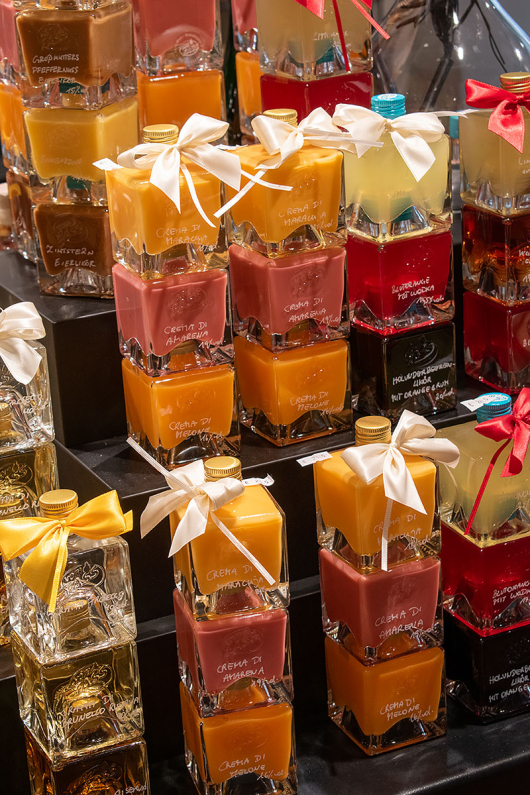
the taste of Styria: If I had to choose just one regional flavor for Austria, it would be Steirisches Kürbiskernöl. In Styria, pumpkin seed oil is part of the region’s culinary identity. It is used on salads, soups, beans, and even some desserts. Producing one liter of oil requires about 2.5 to 3 kilograms of seeds. This product has held EU geographical indication protection since 1996. Its flavor cannot exactly be described as “oily”; it is nutty, deep, and slightly earthy.
Wine and the Heuriger;
Austria’s vineyard culture: Around Vienna and the wine-growing regions, the Heuriger tells another story. A Heuriger is essentially a local wine tavern—a place where young wine and simple homemade food are served in an informal atmosphere. In Vienna, Grüner Veltliner and Gemischter Satz are paired with simple dishes. The tradition of opening a Heuriger with a sign above the entrance still continues.
the taste of Styria: If I had to choose just one regional flavor for Austria, it would be Steirisches Kürbiskernöl. In Styria, pumpkin seed oil is part of the region’s culinary identity. It is used on salads, soups, beans, and even some desserts. Producing one liter of oil requires about 2.5 to 3 kilograms of seeds. This product has held EU geographical indication protection since 1996. Its flavor cannot exactly be described as “oily”; it is nutty, deep, and slightly earthy.
Wine and the Heuriger;
Austria’s vineyard culture: Around Vienna and the wine-growing regions, the Heuriger tells another story. A Heuriger is essentially a local wine tavern—a place where young wine and simple homemade food are served in an informal atmosphere. In Vienna, Grüner Veltliner and Gemischter Satz are paired with simple dishes. The tradition of opening a Heuriger with a sign above the entrance still continues.
A Taste of Place
Which food or drink only makes sense in a particular region or social class?
Which food or drink only makes sense in a particular region or social class?
Hands That Remember
Which craft is still alive?
Which craft is still alive?
Hand forging: Yes—and, contrary to expectation, not just for the tourist’s eye. Freehand Blacksmithing was inscribed on Austria’s list of intangible cultural heritage in 2022. Nearly a hundred workshops in Austria still practice the craft. Working with glowing iron, hammer, anvil, and hand tools remains part of real working life. More importantly, the blacksmith does not only make new objects; repair and maintenance are also part of the trade.
Glass, wood, and architectural ornament: Some of Austria’s traditional crafts continue in the form of specialized architectural techniques: historical painting, sgraffito, gilding, imitation wood and stone, and the decoration of architectural surfaces. These techniques are inscribed on Austria’s intangible heritage list, and passing on their knowledge usually requires years of training.
Glass, wood, and architectural ornament: Some of Austria’s traditional crafts continue in the form of specialized architectural techniques: historical painting, sgraffito, gilding, imitation wood and stone, and the decoration of architectural surfaces. These techniques are inscribed on Austria’s intangible heritage list, and passing on their knowledge usually requires years of training.
Apricot dumplings—Marillenknödel;
when apricots are in season: Apricot dumplings (Marillenknödel) are one of those dishes that take on a different meaning when eaten at the right time of year. This traditional dessert is closely tied to Lower Austria, and especially to the Wachau. The Wachau apricot is also a product with a very distinct geographical identity. So if you find yourself in the Wachau in summer, instead of simply ordering an “Austrian” dessert, seek out the apricots of that very place.
Brotzeit bread;
bread as daily life: One of the most interesting examples is Lesachtaler Brot in the Lesachtal valley in Carinthia. Even today, only a few families still grow their own grain and mill their own flour. The tradition is inscribed on Austria’s list of intangible cultural heritage.
when apricots are in season: Apricot dumplings (Marillenknödel) are one of those dishes that take on a different meaning when eaten at the right time of year. This traditional dessert is closely tied to Lower Austria, and especially to the Wachau. The Wachau apricot is also a product with a very distinct geographical identity. So if you find yourself in the Wachau in summer, instead of simply ordering an “Austrian” dessert, seek out the apricots of that very place.
Brotzeit bread;
bread as daily life: One of the most interesting examples is Lesachtaler Brot in the Lesachtal valley in Carinthia. Even today, only a few families still grow their own grain and mill their own flour. The tradition is inscribed on Austria’s list of intangible cultural heritage.
Only Here, Only Now
Which food do locals eat on a particular occasion, not as a tourist attraction?
Fading Trades
Which craft is being forgotten?
Which craft is being forgotten?
Traditional charcoal burning: This is one of the saddest examples. Making charcoal the old way—by burning wood slowly in a low-oxygen setting—was once a vital part of the rural economy. But today the work is backbreaking and economically difficult. According to the Austrian Commission for UNESCO, only around fifteen people in Austria still practice the craft.
Scythe forging (Sensen): Sensenschmieden, or scythe forging, once essential to agriculture, is now mostly the legacy of a bygone rural economy. UNESCO has recorded that the craft gained special importance in the Eisenwurzen region, where centuries of specialized knowledge took shape.
Scythe forging (Sensen): Sensenschmieden, or scythe forging, once essential to agriculture, is now mostly the legacy of a bygone rural economy. UNESCO has recorded that the craft gained special importance in the Eisenwurzen region, where centuries of specialized knowledge took shape.
First choice: Styrian pumpkin seed oil — small, practical, and entirely tied to one region. Every time you pour it over a salad or soup, the memory of Styria comes back.
Second choice: a real piece of Loden fabric or a genuine Loden product — not a decorative garment with an “Austria” label. If it truly comes from a quality regional maker, Loden can become a lasting connection to Alpine clothing culture.
Third choice: a handwoven Styrian basket — in southern Styria, basket weaving with willow, straw, and split wood still continues. The tradition is inscribed on the intangible cultural heritage list, and weaving groups still pass on the knowledge of growing, harvesting, and processing willow.
Fourth choice: a small object from a blacksmith’s workshop — if you find an authentic, truly local workshop, a small iron piece — a hook, a tool, a practical item, or a decorative one — is far more valuable than an industrial souvenir. Some blacksmiths’ works even carry the maker’s personal stamp.
And another very good purchase: confectionery — Austria’s confectionery craft is still alive. In 2022, the UNESCO commission added the “Craft of Austrian Confectionery” to the intangible cultural heritage list. Around 1,300 confectioners work in Austria, and much of the skill is passed on through the dual master–apprentice system.
Second choice: a real piece of Loden fabric or a genuine Loden product — not a decorative garment with an “Austria” label. If it truly comes from a quality regional maker, Loden can become a lasting connection to Alpine clothing culture.
Third choice: a handwoven Styrian basket — in southern Styria, basket weaving with willow, straw, and split wood still continues. The tradition is inscribed on the intangible cultural heritage list, and weaving groups still pass on the knowledge of growing, harvesting, and processing willow.
Fourth choice: a small object from a blacksmith’s workshop — if you find an authentic, truly local workshop, a small iron piece — a hook, a tool, a practical item, or a decorative one — is far more valuable than an industrial souvenir. Some blacksmiths’ works even carry the maker’s personal stamp.
And another very good purchase: confectionery — Austria’s confectionery craft is still alive. In 2022, the UNESCO commission added the “Craft of Austrian Confectionery” to the intangible cultural heritage list. Around 1,300 confectioners work in Austria, and much of the skill is passed on through the dual master–apprentice system.
Souvenirs That Stay
What should I buy that will keep me connected to Austria even after the trip?
What should I buy that will keep me connected to Austria even after the trip?
The Living Calendar
Which local celebration is missing from the tourist calendar, yet belongs to the real calendar of the people?
Which local celebration is missing from the tourist calendar, yet belongs to the real calendar of the people?
Krampus
In many Alpine regions, early December brings the Krampuslauf: figures in terrifying masks move through the streets. To a tourist, it may look like a strange, fantastical performance. But its roots lie in winter rites and local tradition, and children grow up with it from an early age. Even Austria’s official tourism board points out that in many areas these customs remain part of everyday social life.
Almabtrieb; when the mountain comes back to the village
At the end of the grazing season, the cattle are brought down from the high pastures. The animals are decorated, people gather, and the village celebrates. To a tourist it is a colorful festival; to the farmer, it is the close of a season of labor. That difference matters. Austria’s traditional festivals are still tied to the farming calendar and the natural seasons—something that has largely vanished from daily life in Europe’s big cities.
Midsummer fires
In many mountain regions, Sonnwendfeuer or Johannisfeuer are lit around the summer solstice. Night falls. Fires appear on the hillsides. And suddenly the mountains become a map of light. Though now promoted in some tourist areas, this is one of those rituals best experienced among local people in the true setting of the region, not as a spectator at a commercial event.
In many Alpine regions, early December brings the Krampuslauf: figures in terrifying masks move through the streets. To a tourist, it may look like a strange, fantastical performance. But its roots lie in winter rites and local tradition, and children grow up with it from an early age. Even Austria’s official tourism board points out that in many areas these customs remain part of everyday social life.
Almabtrieb; when the mountain comes back to the village
At the end of the grazing season, the cattle are brought down from the high pastures. The animals are decorated, people gather, and the village celebrates. To a tourist it is a colorful festival; to the farmer, it is the close of a season of labor. That difference matters. Austria’s traditional festivals are still tied to the farming calendar and the natural seasons—something that has largely vanished from daily life in Europe’s big cities.
Midsummer fires
In many mountain regions, Sonnwendfeuer or Johannisfeuer are lit around the summer solstice. Night falls. Fires appear on the hillsides. And suddenly the mountains become a map of light. Though now promoted in some tourist areas, this is one of those rituals best experienced among local people in the true setting of the region, not as a spectator at a commercial event.
Austria is your paradise if:
1. You enjoy slow travel. Trains, walking, cafés, villages, and long pauses.
2. Architecture matters to you. Especially in Vorarlberg, where contemporary architecture has found its way even into villages, homes, public spaces, and bus stops.
3. You want nature in order to live in it, not just to photograph it. Austria’s mountains are wonderful for walking, cycling, skiing, and simply being outdoors.
4. You love regional food culture. From Bregenzerwald cheeses to Wachau wines and Styrian pumpkin seed oil.
5. Order and good infrastructure matter to you. Austria is an easy country for travelers who like to plan their journey fairly precisely.
6. You care about cultural travel, but you’re not museum-bound. Austria is deeply compelling for seeing the relationship between architecture, landscape, agriculture, and history.
1. You enjoy slow travel. Trains, walking, cafés, villages, and long pauses.
2. Architecture matters to you. Especially in Vorarlberg, where contemporary architecture has found its way even into villages, homes, public spaces, and bus stops.
3. You want nature in order to live in it, not just to photograph it. Austria’s mountains are wonderful for walking, cycling, skiing, and simply being outdoors.
4. You love regional food culture. From Bregenzerwald cheeses to Wachau wines and Styrian pumpkin seed oil.
5. Order and good infrastructure matter to you. Austria is an easy country for travelers who like to plan their journey fairly precisely.
6. You care about cultural travel, but you’re not museum-bound. Austria is deeply compelling for seeing the relationship between architecture, landscape, agriculture, and history.
For the Unhurried
What kind of traveler is this country a paradise for?
What kind of traveler is this country a paradise for?
If you expect everything to be cheap. Austria is not a classic budget destination—especially Vienna, Salzburg, and many Alpine regions in high season.
If you grow tired of “law and order.” Social order, punctuality, queues, and local rules are a real part of life.
If you are looking for loud, unruly nightlife. Vienna has nightlife, but Austria as a whole is not a country that has built its core identity on endless partying.
If you are only after major attractions. You may get bored. Much of Austria’s charm lies in small things: a train station, a village, a café, a mountain trail, a market, or a workshop.
And if you don’t like the mountains? It is not a complete mistake; Graz, Vienna, Burgenland, and the Wachau offer entirely different faces.
If you grow tired of “law and order.” Social order, punctuality, queues, and local rules are a real part of life.
If you are looking for loud, unruly nightlife. Vienna has nightlife, but Austria as a whole is not a country that has built its core identity on endless partying.
If you are only after major attractions. You may get bored. Much of Austria’s charm lies in small things: a train station, a village, a café, a mountain trail, a market, or a workshop.
And if you don’t like the mountains? It is not a complete mistake; Graz, Vienna, Burgenland, and the Wachau offer entirely different faces.
The Wrong Fit
For whom is it a complete mistake?
For whom is it a complete mistake?
The Sound of Austria
Lost in the Desert Sky
Keyhan Kalhor
Flower’s Reward
Mehran Mobini
Konj-e-Kharabat
Gholam Hossein Fathi
Keep Roaming
Contact@roamandrecord.com
We are waiting for your kind messages