My Notes on
F R A N C E
If France Were a Sensation
If France were reduced to a single sensation, what would it be?
If France were reduced to a single sensation, what would it be?
The sound would be the TGV pulling out of Paris, heading for the coast, the mountains, the vineyards. But underneath that, a quieter polyphony: French at the center, and at the edges, Basque, Breton, Corsican, Alsatian—voices that remind you France has never been just one thing.
The smell is harder. Fresh bread, wet earth, the sea. If forced, I'd say bread and butter—it belongs to the cities, to daily life. But the real geography of scent is different everywhere: salt air in Brittany, pine and the Mediterranean in the south, vineyard soil in Burgundy, forest and stone in the Alps and Pyrenees.
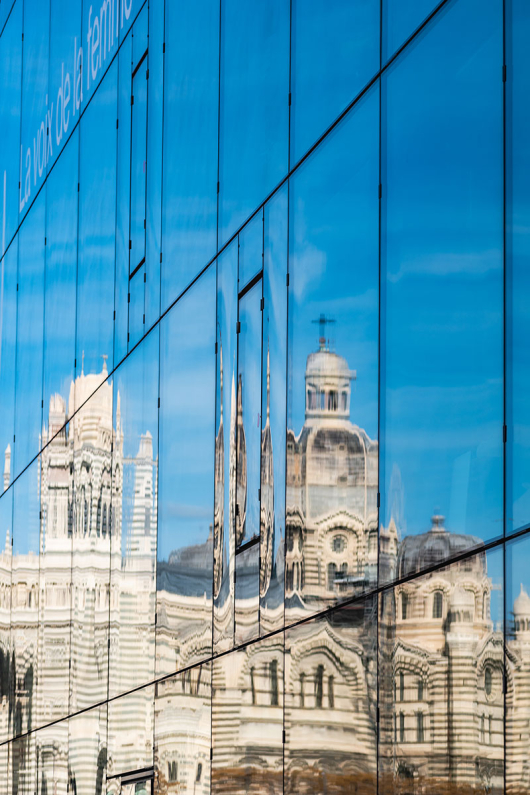
The color is gray-blue—not the postcard blue of the Riviera, but the blue of a clouded sky, the Atlantic, the rivers, the pale stone of old towns. A color that doesn't shout.
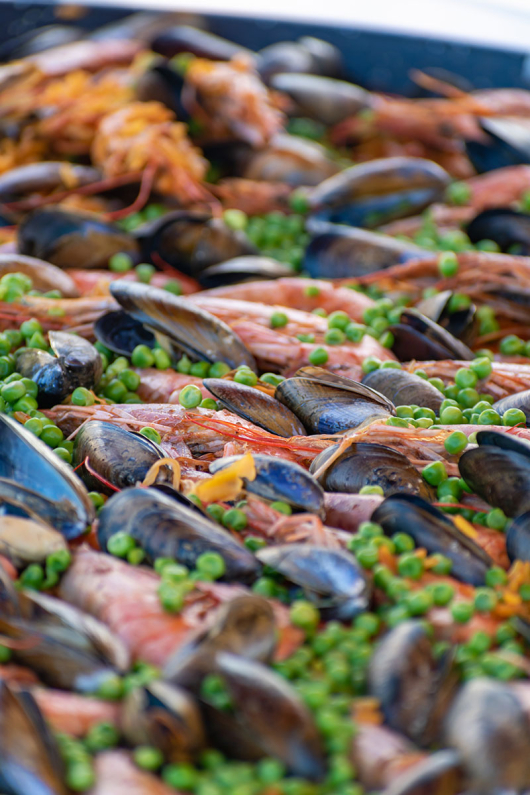
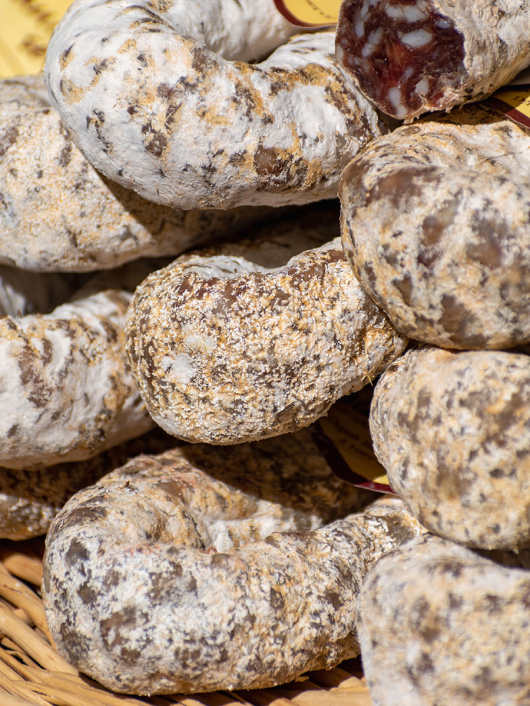
And the taste? If I must choose: aged cheese, bread, and wine. Because in France, food is geography. Butter and oysters in the west, Alpine cheese in the east, olive oil and Mediterranean flavors in the south. You can't separate what the French eat from where they are.
So perhaps the answer is: France tastes like itself, and nowhere else.
The smell is harder. Fresh bread, wet earth, the sea. If forced, I'd say bread and butter—it belongs to the cities, to daily life. But the real geography of scent is different everywhere: salt air in Brittany, pine and the Mediterranean in the south, vineyard soil in Burgundy, forest and stone in the Alps and Pyrenees.
The color is gray-blue—not the postcard blue of the Riviera, but the blue of a clouded sky, the Atlantic, the rivers, the pale stone of old towns. A color that doesn't shout.
And the taste? If I must choose: aged cheese, bread, and wine. Because in France, food is geography. Butter and oysters in the west, Alpine cheese in the east, olive oil and Mediterranean flavors in the south. You can't separate what the French eat from where they are.
So perhaps the answer is: France tastes like itself, and nowhere else.
Lines of Earth and Time
What forged the borders of France?
What forged the borders of France?
To look at France is to see a nation seemingly drawn by nature’s own hand, cradled by the sweeping arcs of the Rhine, the rugged spines of the Alps and Pyrenees, and the vast embraces of the Channel, the Atlantic, and the Mediterranean. Yet geography tells only half the story.
The France we know today is equally a tapestry woven from centuries of expansion, annexation, and political alchemy. Consider Alsace, a region that drifted like a pendulum between French and German hands in the twentieth century. To truly read the map of France, then, one must look beyond the mere contour lines of the earth and trace the deeper, human topography of war and monarchy, of revolution and republic, all pulled inward by the centripetal force of a centralized Paris.
The France we know today is equally a tapestry woven from centuries of expansion, annexation, and political alchemy. Consider Alsace, a region that drifted like a pendulum between French and German hands in the twentieth century. To truly read the map of France, then, one must look beyond the mere contour lines of the earth and trace the deeper, human topography of war and monarchy, of revolution and republic, all pulled inward by the centripetal force of a centralized Paris.
Beyond the France We Imagine
Where does France contradict the image tourists have of it?
Where does France contradict the image tourists have of it?
France is often imagined through Paris, Provence, the French Riviera, vineyards, and endless sunshine. Yet in the north and northeast, another France begins: wind and rain, ports and industry, war-scarred landscapes, red-brick architecture, and a cultural closeness to Belgium and Germany.
Alsace, for instance, often feels more French-German than conventionally French. It became part of the German Empire after the Franco-Prussian War of 1870, returned to France in 1919, and was placed under German control again during the Second World War. Brittany, too, offers a different face of the country: a rugged Atlantic coast, restless winds, cliffs, Celtic traditions, and a fiercely regional identity, stretching along some 2,700 kilometres of coastline.
Perhaps this is the France I find more revealing—not the postcard, but the country at its edges, where borders, weather, history, and memory quietly reshape what we think France is.
Alsace, for instance, often feels more French-German than conventionally French. It became part of the German Empire after the Franco-Prussian War of 1870, returned to France in 1919, and was placed under German control again during the Second World War. Brittany, too, offers a different face of the country: a rugged Atlantic coast, restless winds, cliffs, Celtic traditions, and a fiercely regional identity, stretching along some 2,700 kilometres of coastline.
Perhaps this is the France I find more revealing—not the postcard, but the country at its edges, where borders, weather, history, and memory quietly reshape what we think France is.
The France Off the Map
What’s missing from the mental map of France?
What’s missing from the mental map of France?
Ask me to picture France, and for years I’d have shown you a tidy hexagon: Paris at its heart, perhaps a ribbon of Mediterranean blue. But the real country is stranger, and wider.
The biggest absence from the official story is France’s overseas territories. We keep shrinking the nation to its European shape, yet it reaches into the Caribbean, South America, the Indian Ocean, the Pacific, the North Atlantic. Guadeloupe and Martinique in the Caribbean; French Guiana on the shoulder of Brazil; Réunion and Mayotte off Africa’s east coast; French Polynesia, New Caledonia, Wallis and Futuna scattered across the Pacific; Saint Pierre and Miquelon a stone’s throw from Canada. All together, roughly 120,000 square kilometers, more than 2.6 million people—fully French soil, folded into the same statistics by INSEE, the national bureau. French Guiana alone is Amazon rainforest, bordered by Brazil and Suriname.
To see France only as Europe is to leave the edges of the map blank. The nation I carry in my head is missing its own far shores.
The biggest absence from the official story is France’s overseas territories. We keep shrinking the nation to its European shape, yet it reaches into the Caribbean, South America, the Indian Ocean, the Pacific, the North Atlantic. Guadeloupe and Martinique in the Caribbean; French Guiana on the shoulder of Brazil; Réunion and Mayotte off Africa’s east coast; French Polynesia, New Caledonia, Wallis and Futuna scattered across the Pacific; Saint Pierre and Miquelon a stone’s throw from Canada. All together, roughly 120,000 square kilometers, more than 2.6 million people—fully French soil, folded into the same statistics by INSEE, the national bureau. French Guiana alone is Amazon rainforest, bordered by Brazil and Suriname.
To see France only as Europe is to leave the edges of the map blank. The nation I carry in my head is missing its own far shores.
Beyond the Map
Which French region feels like a different country?
Which French region feels like a different country?
When I search for the part of France that feels like an entirely different world, the wild, mountainous heart of Corsica offers the most resonant answer. Amid its stone villages and the haunting, polyphonic echoes of the peaks, an identity burns so fiercely that the island only yielded to the French crown in 1768, long after shedding its Genoese skin. Far to the west, Brittany feels less a province of Paris than a kin to Ireland or Wales. It is a land sculpted by salt and wind, where cliffs and lighthouses stand guard over Celtic myths—a fierce heritage the Republic has finally learned to embrace.
In the southwest, the French Basque Country stands as a quiet testament that political lines rarely dictate the borders of the soul. The Basque people straddle the Pyrenees, speaking Euskara, a tongue that shares no bloodline with French or Spanish. And in the east, Alsace opens a sunlit window onto Germany; its half-timbered houses and painted villages along the wine route bear the beautiful, tangled scars of a shared history. In the end, these regions remind us that culture, much like the human spirit, refuses to be confined by the neat, inked lines of a map.
In the southwest, the French Basque Country stands as a quiet testament that political lines rarely dictate the borders of the soul. The Basque people straddle the Pyrenees, speaking Euskara, a tongue that shares no bloodline with French or Spanish. And in the east, Alsace opens a sunlit window onto Germany; its half-timbered houses and painted villages along the wine route bear the beautiful, tangled scars of a shared history. In the end, these regions remind us that culture, much like the human spirit, refuses to be confined by the neat, inked lines of a map.
Destination Digest
Where Conversation Begins
What do people talk about over a meal or in a bakery queue?
What do people talk about over a meal or in a bakery queue?
In France, food is more than sustenance; it is where everyday conversation begins. Over bread and cheese, people move easily from politics and housing to the small dramas of neighbourhood life. The French spend, on average, more than two hours and twenty minutes a day eating—a meal not simply as a necessity, but as one of the day’s pleasures and rituals.
Even in the queue at the local boulangerie, conversation finds its way between the baguettes and croissants: which bakery is better, whether prices have risen, what is worth buying today. And here, even a simple greeting matters. Bonjour is not merely an introduction; it is part of the social ritual, a small acknowledgement that before we are customers or strangers, we are people sharing the same everyday world.
Even in the queue at the local boulangerie, conversation finds its way between the baguettes and croissants: which bakery is better, whether prices have risen, what is worth buying today. And here, even a simple greeting matters. Bonjour is not merely an introduction; it is part of the social ritual, a small acknowledgement that before we are customers or strangers, we are people sharing the same everyday world.
The Word That Opens Doors
What single word opens doors in France?
What single word opens doors in France?
In France, the door doesn't open with a smile or a rushed English phrase. It opens with a single word, said first, before anything else: Bonjour.
Not hello, not a nod—Bonjour. In the bakery, the hotel, the café, the little shop where you fumble for change. You say it the moment you step inside, before you ask, before you even know what you want. Then come the others: merci, s'il vous plaît, excusez-moi, au revoir, pardon. But none of them works unless Bonjour has already done its quiet work.
It's the smallest trick of traveling through France, and the one that changes everything. The door isn't locked; it just waits to be greeted.
Not hello, not a nod—Bonjour. In the bakery, the hotel, the café, the little shop where you fumble for change. You say it the moment you step inside, before you ask, before you even know what you want. Then come the others: merci, s'il vous plaît, excusez-moi, au revoir, pardon. But none of them works unless Bonjour has already done its quiet work.
It's the smallest trick of traveling through France, and the one that changes everything. The door isn't locked; it just waits to be greeted.
he Sacred Threshold
What defines the true nature of French hospitality?
What defines the true nature of French hospitality?
To truly grasp French hospitality, I find I must first unlearn the expectation of the instant, sun-drenched warmth found elsewhere in the Mediterranean. Here, the threshold of the home is a sacred boundary. I have learned that a cheerful exchange at the local café or a polite camaraderie at the office rarely translates to an invitation across the doorstep. To be invited inside is to cross a quiet, significant frontier from the public sphere into a deeply guarded private realm.
It is within this delicate dance of intimacy and distance that the ritual of the apéro finds its perfect grace. This pre-dinner gathering—just the clinking of glasses, a few savory bites, and the gentle hum of conversation—offers a taste of connection without the heavy commitment of a full meal. Ultimately, the subtle art of French hospitality lies in this very balance: to be welcomed into someone’s private world is a rare and cherished gift, yet it never demands the surrender of one's inner sanctuary.
It is within this delicate dance of intimacy and distance that the ritual of the apéro finds its perfect grace. This pre-dinner gathering—just the clinking of glasses, a few savory bites, and the gentle hum of conversation—offers a taste of connection without the heavy commitment of a full meal. Ultimately, the subtle art of French hospitality lies in this very balance: to be welcomed into someone’s private world is a rare and cherished gift, yet it never demands the surrender of one's inner sanctuary.
The Ritual of Bonjour
What everyday habit might surprise a traveler in France?
What everyday habit might surprise a traveler in France?
In France, one of the first small surprises is that you are expected to say “Bonjour” before asking for anything in a shop, bakery, or café. Forget it, and you may come across as rude. Lunch (déjeuner) is still an event rather than mere fuel; around half the population is eating at around 1 p.m., according to INSEE. A café, too, is rarely just about coffee. Sitting for a long while on a terrace, with nowhere urgent to be and nothing particular to buy, is part of the social rhythm.
Bargaining is not customary in ordinary shops or bakeries; it belongs more to antique markets and flea markets. And in a first encounter, politeness often means the formal “vous” rather than the familiar “tu”, which comes with friendship or informality. Even la bise—the customary cheek-kiss greeting—changes from one region to another. As a traveler, the safest rule is simple: wait, watch, and follow the other person’s lead.
Bargaining is not customary in ordinary shops or bakeries; it belongs more to antique markets and flea markets. And in a first encounter, politeness often means the formal “vous” rather than the familiar “tu”, which comes with friendship or informality. Even la bise—the customary cheek-kiss greeting—changes from one region to another. As a traveler, the safest rule is simple: wait, watch, and follow the other person’s lead.
The Scene That Says More Than the Louvre
What shows France more truthfully than its monuments?
What shows France more truthfully than its monuments?
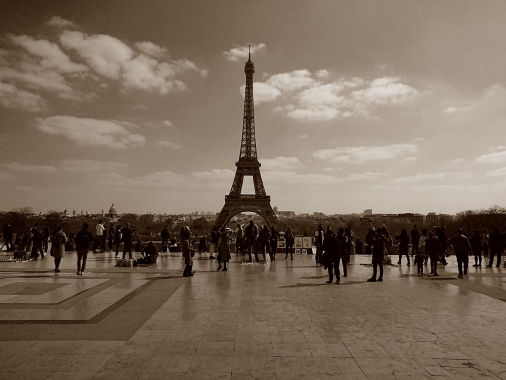
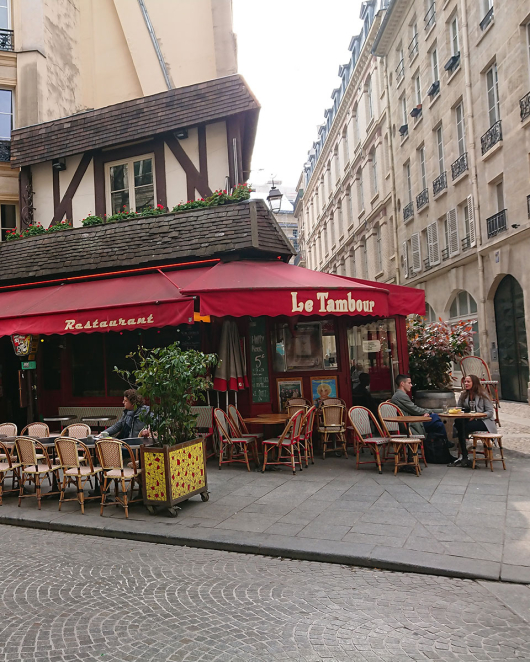
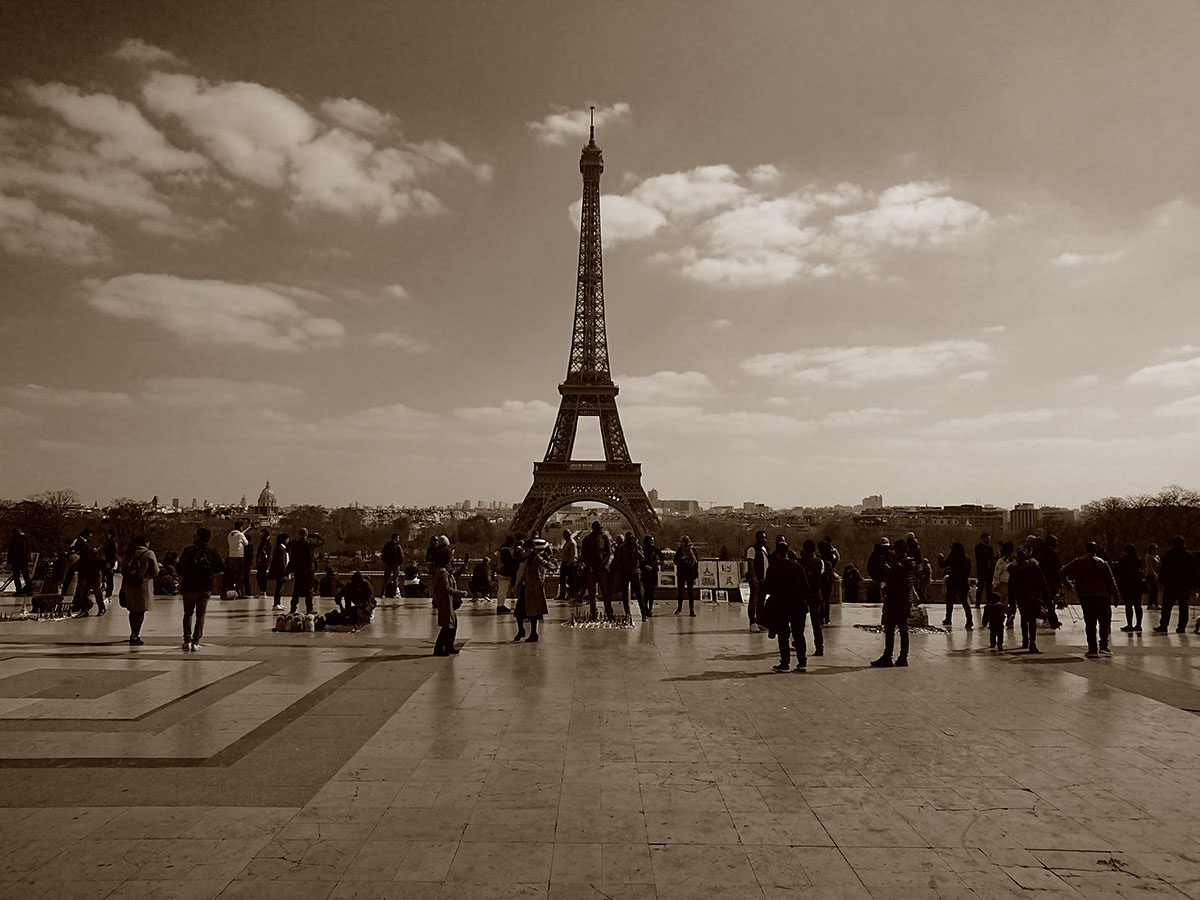
Forget the postcard France for a moment—the Louvre, the Eiffel Tower, the monuments polished for visitors. If you want to see the country clearly, sit down at a café terrace and do nothing.
Chairs face the street, not each other, and that tells you everything. The café isn't really about the coffee; it's about watching, lingering, being seen. Social life isn't something the French hide indoors. It spills onto the pavement, unhurried, unapologetic. In cities and villages alike, the long family lunch is the same truth in another form—a table where time, company, and pleasure still hold together.
One afternoon at a café teaches you more about France than a dozen museums. The art is in the sitting.
Chairs face the street, not each other, and that tells you everything. The café isn't really about the coffee; it's about watching, lingering, being seen. Social life isn't something the French hide indoors. It spills onto the pavement, unhurried, unapologetic. In cities and villages alike, the long family lunch is the same truth in another form—a table where time, company, and pleasure still hold together.
One afternoon at a café teaches you more about France than a dozen museums. The art is in the sitting.
Cities of France so far
The Art of Lingering
How do the French distinguish between wasting time and life itself?
How do the French distinguish between wasting time and life itself?
When I observe how the French divide their hours, I see a clear line drawn between merely passing the time and truly living it. To the French mind, a true waste of time is found in the sterile corridors of bureaucracy, the endless, fruitless commute, or the hollow ritual of a meeting held merely for the sake of meeting. Life, by contrast, unfolds on the sunlit café terrace. It is measured in the slow sipping of coffee, the lingering over a shared meal, the simple rhythm of a walk, or the quiet joy of a holiday spent with those we love.
The statisticians at INSEE confirm what the heart already suspects: leisure is the most joyful part of the day, while the grind of work and study fades into the background. Even the OECD notes the generous hours the French dedicate to the profound, everyday act of eating and drinking. And so, as I watch them savor a simple glass of wine, I realize the old cliché that the French truly know how to live is not entirely a myth—even if this elusive joie de vivre remains a beautiful ideal rather than a universal reality.
The statisticians at INSEE confirm what the heart already suspects: leisure is the most joyful part of the day, while the grind of work and study fades into the background. Even the OECD notes the generous hours the French dedicate to the profound, everyday act of eating and drinking. And so, as I watch them savor a simple glass of wine, I realize the old cliché that the French truly know how to live is not entirely a myth—even if this elusive joie de vivre remains a beautiful ideal rather than a universal reality.
The Myths France Still Lives By
What old stories still shape France today?
What old stories still shape France today?
Two collective memories still surface in everyday France. The first is a deep tradition of questioning authority, rooted in the French Revolution and generations of intellectual and workers’ movements. Protest is rarely seen simply as a disruption; it is part of the country’s political language, almost a civic reflex.
The second is the enduring myth of Joan of Arc, the heroine of the Hundred Years’ War who was transformed into a symbol of national salvation. Since the nineteenth century, political movements from left to right have claimed her for their own narratives. In time, Joan of Arc has become more than a historical figure: a kind of blank canvas on which France repeatedly redraws its ideas of the “real France” and the “real French.”
Perhaps that is what makes collective memory so powerful: the past does not simply remain behind us. It keeps finding new ways to speak.
The second is the enduring myth of Joan of Arc, the heroine of the Hundred Years’ War who was transformed into a symbol of national salvation. Since the nineteenth century, political movements from left to right have claimed her for their own narratives. In time, Joan of Arc has become more than a historical figure: a kind of blank canvas on which France repeatedly redraws its ideas of the “real France” and the “real French.”
Perhaps that is what makes collective memory so powerful: the past does not simply remain behind us. It keeps finding new ways to speak.
The Revolutionary the Guidebooks Miss
Which local hero do the usual guidebooks leave out?
Which local hero do the usual guidebooks leave out?
The guidebooks will give you the Louvre, Notre-Dame, Montmartre, the Eiffel Tower. But there is another Paris underneath—one that, for a brief, blazing moment in 1871, tried to live differently.
Its face is Louise Michel: teacher, writer, revolutionary, one of the central figures of the Paris Commune. She wasn't a monument; she was a woman on the barricades. Later she became a symbol of France's anarchist and social movements—proof that this is not only the country of 1789, but of failed revolutions and stubborn, unforgettable rebellions.
You can still find her in the street names, the métro stations, the murals, the political weather of the city. Not on the postcard, but in the bones.
Its face is Louise Michel: teacher, writer, revolutionary, one of the central figures of the Paris Commune. She wasn't a monument; she was a woman on the barricades. Later she became a symbol of France's anarchist and social movements—proof that this is not only the country of 1789, but of failed revolutions and stubborn, unforgettable rebellions.
You can still find her in the street names, the métro stations, the murals, the political weather of the city. Not on the postcard, but in the bones.
To walk through the layered streets of Marseille or Paris is to tread upon a landscape shaped as much by silent, lingering histories as by stone and mortar. Two seemingly quiet chapters have profoundly sculpted the face of France: the Algerian War and the Vichy regime. The Algerian War (1954–1962) was far more than a distant military campaign; it inflicted deep wounds of memory, forever altering the destinies of millions—the pieds-noirs, the harkis, and Algerian immigrants. Today, their legacy breathes in the complex social fabric of the cities and stands in quiet testimony in newer monuments, such as the 2022 Algerian War Memorial in Paris.
Similarly, the neat, comforting myth of a unified Resistance during the Second World War has yielded to a sobering reckoning with the Vichy regime’s tragic complicity. This layered, often painful past is etched into the very soil, preserved in the lieux de mémoire, those profound sites of memory. I have felt the heavy weight of this history within the cold, echoing cells of Montluc prison in Lyon, and in the haunting, frozen ruins of Oradour-sur-Glane, a village left deliberately untouched by time. For any traveler wishing to look beyond the polished veneer of museums, tracing these hidden, overlapping shadows of colonial and wartime grief is essential to truly understanding the human soul of contemporary France.
Similarly, the neat, comforting myth of a unified Resistance during the Second World War has yielded to a sobering reckoning with the Vichy regime’s tragic complicity. This layered, often painful past is etched into the very soil, preserved in the lieux de mémoire, those profound sites of memory. I have felt the heavy weight of this history within the cold, echoing cells of Montluc prison in Lyon, and in the haunting, frozen ruins of Oradour-sur-Glane, a village left deliberately untouched by time. For any traveler wishing to look beyond the polished veneer of museums, tracing these hidden, overlapping shadows of colonial and wartime grief is essential to truly understanding the human soul of contemporary France.
The Silent Stones
What silent histories shape the face of France?
What silent histories shape the face of France?
France, Before You Arrive
What should you experience before traveling to France?
What should you experience before traveling to France?
If the aim is to understand France rather than simply enjoy it, a few works can make the journey richer. For Provence, Jean de Florette and its sequel, Manon des Sources, reveal the south from within: water, land, farming, family, jealousy, and village life. Camus’s The Stranger, though set in colonial Algeria, opens another door onto France’s relationship with the Mediterranean, colonialism, and the identity crisis of the twentieth century.
Les Misérables offers a Paris far removed from museums and monuments—a city of poverty, inequality, revolt, and the margins. La Haine is perhaps essential for encountering contemporary France: its banlieues, young people, police, immigration, and social fractures. The Count of Monte Cristo, meanwhile, carries the spirit of the French novel into adventure, revenge, Marseille, and the Mediterranean.
And then there is The Man Who Planted Trees: a short, quiet story of rural southern France and the patient transformation of a landscape. If you have time for only one small book before you go, I might choose this one. It asks almost nothing of you, yet leaves you looking at the land differently.
Les Misérables offers a Paris far removed from museums and monuments—a city of poverty, inequality, revolt, and the margins. La Haine is perhaps essential for encountering contemporary France: its banlieues, young people, police, immigration, and social fractures. The Count of Monte Cristo, meanwhile, carries the spirit of the French novel into adventure, revenge, Marseille, and the Mediterranean.
And then there is The Man Who Planted Trees: a short, quiet story of rural southern France and the patient transformation of a landscape. If you have time for only one small book before you go, I might choose this one. It asks almost nothing of you, yet leaves you looking at the land differently.
The Myth France Tells Itself
What myth does France believe about itself?
What myth does France believe about itself?
Every nation has a story it whispers to itself, and France's is this: it is the country of universal values—liberty, equality, fraternity—where citizenship erases tribe and region. One nation, indivisible, undivided by blood or birthplace.
The stranger at the table might not hear the rest. France also shelters dozens of recognized regional languages—Basque, Breton, Corsican, Catalan—and countless cultures that don't fit the republican dream. The ideal says "one people"; the map says otherwise. This tension sits at the heart of the country, unresolved and unspoken.
Even Marianne, the face of the Republic, was never a real woman. She is an allegory, a story France tells itself to hold the pieces together. Like all myths, she works—as long as you don't look too closely.
The stranger at the table might not hear the rest. France also shelters dozens of recognized regional languages—Basque, Breton, Corsican, Catalan—and countless cultures that don't fit the republican dream. The ideal says "one people"; the map says otherwise. This tension sits at the heart of the country, unresolved and unspoken.
Even Marianne, the face of the Republic, was never a real woman. She is an allegory, a story France tells itself to hold the pieces together. Like all myths, she works—as long as you don't look too closely.
Our Stories from France
-
24 Easy and Quick Tips for Stunning Travel Portraits
-
The Art of Enough: Finding Joy in Simple Photography
-
Explore Magnificent Photographs: 20 Handpicked Online Galleries
-
Beyond Stereotypes: Unveiling the Enchantment of Iran
-
Sunken courtyards of Kashan
-
The Old Weaver's Hidden Smile
-
One Lens, One Pen: The Hatching of "Roam & Record"
The Art of the Complaint
What defines the French national joke?
What defines the French national joke?
To truly understand the French, I have found, one must first learn to speak the language of the complaint. It is the great national pastime: a daily chorus of grievances directed at the government, the trains, the taxes, the bureaucracy, and even the neighbors. Yet, this relentless grumbling is rarely born of genuine disdain. Rather, it is a deeply ingrained tradition of national self-criticism, a lineage stretching from Molière to modern political satire that the Académie Française proudly dubs the grand rire français, the great French laugh. In this context, the everyday plaisanterie is never merely a simple joke; it is a finely tuned instrument of irony, mockery, and gentle, or perhaps not-so-gentle, sarcasm.
Beneath this veneer of perpetual dissatisfaction lies a profound cultural anxiety. The true French fear is not of any external enemy, but of the quiet erosion of their cherished art de vivre. I hear it in their worries over the creeping pace of globalization, the homogenization of their cities into mere tourist traps, and the fading of local identities and culinary traditions. This is why the streets so often fill with the smoke of protests and the rhythm of strikes; to complain, after all, is to care. And so, I am never surprised when a friend will declare, with a theatrical sigh, that the country is an absolute disaster, only to add, with equal conviction, that they wouldn't dream of living anywhere else. It is a beautiful, enduring contradiction—the very heartbeat of the French soul.
Beneath this veneer of perpetual dissatisfaction lies a profound cultural anxiety. The true French fear is not of any external enemy, but of the quiet erosion of their cherished art de vivre. I hear it in their worries over the creeping pace of globalization, the homogenization of their cities into mere tourist traps, and the fading of local identities and culinary traditions. This is why the streets so often fill with the smoke of protests and the rhythm of strikes; to complain, after all, is to care. And so, I am never surprised when a friend will declare, with a theatrical sigh, that the country is an absolute disaster, only to add, with equal conviction, that they wouldn't dream of living anywhere else. It is a beautiful, enduring contradiction—the very heartbeat of the French soul.
Beyond the Famous France
Which famous places are worth skipping—and which hidden corners are worth the journey?
Which famous places are worth skipping—and which hidden corners are worth the journey?
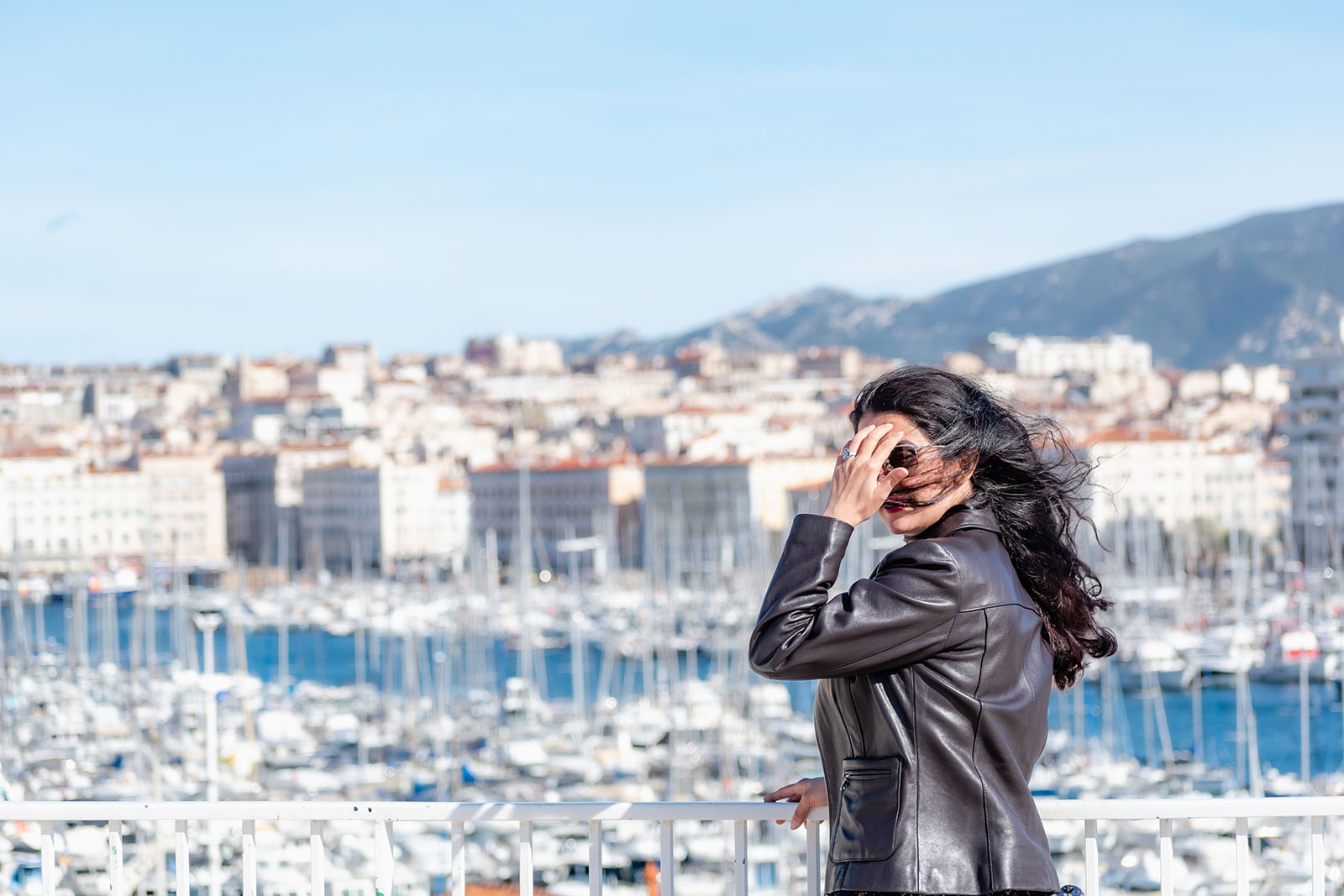
Some of France’s most celebrated sights are not always at their best when the crowds arrive. Mont-Saint-Michel, for instance, can feel almost overwhelmed at a summer midday. I would rather see the bay at low tide, arrive early or stay until evening, and wander the paths beyond the main approach. The Calanques near Marseille, especially Sugiton, have also felt the weight of overtourism and now require reservations during peak periods. West of the city, the Côte Bleue offers a quieter and less crowded alternative.
In Paris, too, there is something to be said for leaving the checklist behind. Instead of moving from one museum to another, I would wander along Canal Saint-Martin, through Belleville or La Villette, or simply give an entire morning to the eastern neighborhoods with no plan at all.
Perhaps the real France begins where sightseeing ends—when the itinerary loosens, the crowds thin, and you step a little off the beaten track.
In Paris, too, there is something to be said for leaving the checklist behind. Instead of moving from one museum to another, I would wander along Canal Saint-Martin, through Belleville or La Villette, or simply give an entire morning to the eastern neighborhoods with no plan at all.
Perhaps the real France begins where sightseeing ends—when the itinerary loosens, the crowds thin, and you step a little off the beaten track.
The Places Locals Keep to Themselves
Where do locals go when they want France to themselves?
Where do locals go when they want France to themselves?
In France, a "secret spot" doesn't stay secret long once word gets out. But a few places still hold their quiet.
La Soule, in the heart of the Basque Country, is the smallest and wildest corner of the region—not the postcard Basque of Biarritz and Saint-Jean-de-Luz, but valleys, mountains, stone villages, farming, and the Basque language still alive in daily use. If you want to understand the Basques, La Soule teaches more than the famous coast.
Côte Bleue, just west of Marseille, is the Calanques without the crowds—same limestone coves and turquoise water, but quieter, slower, more local.
And then there's Auvergne, in the center. Foreign tourists rarely make it here; they're too busy with Paris, Provence, the Côte d'Azur. But Auvergne offers a different France entirely: dormant volcanoes, high plateaus, meadows, cheese, villages built of dark volcanic stone. The Chaîne des Puys—a chain of nearly eighty volcanoes—is UNESCO-listed and still mostly empty.
If you're looking for a France that doesn't look like France, Auvergne is the answer.
La Soule, in the heart of the Basque Country, is the smallest and wildest corner of the region—not the postcard Basque of Biarritz and Saint-Jean-de-Luz, but valleys, mountains, stone villages, farming, and the Basque language still alive in daily use. If you want to understand the Basques, La Soule teaches more than the famous coast.
Côte Bleue, just west of Marseille, is the Calanques without the crowds—same limestone coves and turquoise water, but quieter, slower, more local.
And then there's Auvergne, in the center. Foreign tourists rarely make it here; they're too busy with Paris, Provence, the Côte d'Azur. But Auvergne offers a different France entirely: dormant volcanoes, high plateaus, meadows, cheese, villages built of dark volcanic stone. The Chaîne des Puys—a chain of nearly eighty volcanoes—is UNESCO-listed and still mostly empty.
If you're looking for a France that doesn't look like France, Auvergne is the answer.
The Capitals Beyond Paris
Which small city is the true capital of something?
Which small city is the true capital of something?
Paris may be France’s political and cultural capital, but some of its smaller cities quietly hold other crowns. Lyon is perhaps the country’s most convincing capital of gastronomy, where bouchons and food markets are part of everyday life. Bordeaux is inseparable from the vineyards around it, and remains the great capital of wine.
In Grasse, in the Alpes-Maritimes, perfume is more than something displayed behind the glass of a luxury boutique; it is a local history, making the town the true capital of French fragrance. Limoges has built its identity around porcelain, while Cognac has given its name to a drink in which geography, grapes, oak, cellars, time, and trade have slowly become a culture of their own.
Perhaps France’s most interesting capitals are not marked on maps. They are places where one craft, one flavor, or one scent becomes inseparable from the place itself.
In Grasse, in the Alpes-Maritimes, perfume is more than something displayed behind the glass of a luxury boutique; it is a local history, making the town the true capital of French fragrance. Limoges has built its identity around porcelain, while Cognac has given its name to a drink in which geography, grapes, oak, cellars, time, and trade have slowly become a culture of their own.
Perhaps France’s most interesting capitals are not marked on maps. They are places where one craft, one flavor, or one scent becomes inseparable from the place itself.
In France, I have long learned that the road is rarely just a means to an end; more often, the journey itself is the destination. To drive the Route Napoléon, winding from Grenoble down to Golfe-Juan, is to watch the very soul of the country shift—a slow, sun-drenched transition from the austere heights of the Alps to the lavender-scented warmth of Provence. For a more sudden, breathtaking leap in geography, I am drawn to the route from Annecy to Chamonix, where the landscape transforms in an instant from the glassy stillness of a lake to the jagged, icy grandeur of the glaciers.
Then there is the winding ascent from Bayonne to Saint-Jean-Pied-de-Port, a path that perfectly traces the journey from the salty, vibrant shores of the Basque coast to the rugged, silent peaks of the Pyrenees. Yet, the true poetry of the open road reveals itself in Corsica. Driving from Bastia to Corte and Ajaccio, I find myself caught in a beautiful, dizzying loop: the flash of the Mediterranean, the deep shade of ancient forests, the sudden rise of mountains, and the quiet stone of hilltop villages, all unfolding within a few short hours. It is, without question, a paradise for the wanderer.
Then there is the winding ascent from Bayonne to Saint-Jean-Pied-de-Port, a path that perfectly traces the journey from the salty, vibrant shores of the Basque coast to the rugged, silent peaks of the Pyrenees. Yet, the true poetry of the open road reveals itself in Corsica. Driving from Bastia to Corte and Ajaccio, I find myself caught in a beautiful, dizzying loop: the flash of the Mediterranean, the deep shade of ancient forests, the sudden rise of mountains, and the quiet stone of hilltop villages, all unfolding within a few short hours. It is, without question, a paradise for the wanderer.
The Road Itself
Which route is a destination in itself?
Which route is a destination in itself?
The Hours France Keeps for Itself
When should you visit the famous places to truly see them?
When should you visit the famous places to truly see them?
Some places only reveal themselves when the crowds go home.
Provence in autumn is not the Provence of the brochures. The light softens, the harvest comes in, the villages empty of summer. What remains is quieter, more golden, more itself. Mont-Saint-Michel at low tide is another country: the bay stretches wide and bare, and the abbey stops being a postcard and becomes a place again. Brittany is best in bad weather—wind, rain, waves that crash against granite. That is when it shows its true, dramatic face.
And Marseille in winter: sharp light, empty paths, the Calanques accessible without the fire-season restrictions of summer. The Mediterranean looks different when you're the only one watching it.
The French word for "off-season" doesn't do this justice. What I mean is: go when nobody else goes, and you'll find the country waiting for you alone.
Provence in autumn is not the Provence of the brochures. The light softens, the harvest comes in, the villages empty of summer. What remains is quieter, more golden, more itself. Mont-Saint-Michel at low tide is another country: the bay stretches wide and bare, and the abbey stops being a postcard and becomes a place again. Brittany is best in bad weather—wind, rain, waves that crash against granite. That is when it shows its true, dramatic face.
And Marseille in winter: sharp light, empty paths, the Calanques accessible without the fire-season restrictions of summer. The Mediterranean looks different when you're the only one watching it.
The French word for "off-season" doesn't do this justice. What I mean is: go when nobody else goes, and you'll find the country waiting for you alone.
The Mosaic Within
Which internal border changes everything?
On a map, France is a single, elegant hexagon; but to walk its soil is to wander through a mosaic of distinct worlds. I have found that to cross its invisible internal borders is to step into an entirely different reality. As I travel west from Provence toward Montpellier, the very air softens into the broader realm of Occitania, where the cuisine, the sun-baked stone, and the ancient lilt of Provençal and Gascon speak of a slower, sunnier south. Pushing further to the Basque coast, from Bayonne to the inland villages, the cultural palette abruptly shifts, and a fiercely independent, emerald-and-crimson spirit takes root.
Journey east to the edges of Champagne, and as I approach the painted villages of Alsace, the landscape dons a Germanic guise. Half-timbered houses and the melodic cadence of Alsatian speak of a borderland that has long looked eastward. Conversely, driving west toward the rugged shores of Finistère, the Parisian center fades into the Atlantic mist. Here, the Celtic soul of Brittany awakens, reminding me that the nation can be viewed just as powerfully from the wild ocean as from the Seine. Finally, to cross the water to Corsica is to pass through a threshold that feels less like an internal boundary and more like a departure for another continent. In this mountainous sanctuary, with its wild cuisine and the haunting, polyphonic echoes of its songs, the soul of France reveals its most beautiful, untamed diversity.
Journey east to the edges of Champagne, and as I approach the painted villages of Alsace, the landscape dons a Germanic guise. Half-timbered houses and the melodic cadence of Alsatian speak of a borderland that has long looked eastward. Conversely, driving west toward the rugged shores of Finistère, the Parisian center fades into the Atlantic mist. Here, the Celtic soul of Brittany awakens, reminding me that the nation can be viewed just as powerfully from the wild ocean as from the Seine. Finally, to cross the water to Corsica is to pass through a threshold that feels less like an internal boundary and more like a departure for another continent. In this mountainous sanctuary, with its wild cuisine and the haunting, polyphonic echoes of its songs, the soul of France reveals its most beautiful, untamed diversity.
A Taste of Place
Which food or drink makes sense only where it comes from?
Which food or drink makes sense only where it comes from?
To understand French food beyond the tourist menus, one must understand terroir—the intimate bond between geography, climate, soil, and human tradition. It is the philosophy behind France’s AOP system, which protects more than 1,200 products according to their place of origin and traditional methods of production.
Cassoulet, in the southwest, grew from the practical need for a hearty, affordable dish during cold winters. In Marseille, bouillabaisse has traveled from the fishermen’s pot to the tables of gastronomic heritage. In Brittany, buckwheat galettes speak of a harsh climate and local agriculture. And in the Alps, cheeses such as Comté and Beaufort seem to contain an entire mountain ecosystem in a single bite.
Perhaps this is the secret of French food: to taste a place, sometimes you only need to taste what grows there. A piece of Alpine cheese may tell you more about the mountains than a postcard ever could.
Cassoulet, in the southwest, grew from the practical need for a hearty, affordable dish during cold winters. In Marseille, bouillabaisse has traveled from the fishermen’s pot to the tables of gastronomic heritage. In Brittany, buckwheat galettes speak of a harsh climate and local agriculture. And in the Alps, cheeses such as Comté and Beaufort seem to contain an entire mountain ecosystem in a single bite.
Perhaps this is the secret of French food: to taste a place, sometimes you only need to taste what grows there. A piece of Alpine cheese may tell you more about the mountains than a postcard ever could.
Food in Its Right Place
What do the French eat for themselves, not for show?
What do the French eat for themselves, not for show?
Some things in France aren't meant to be attractions. They're meant to be lived.
The baguette is the anti-tourist answer. Visitors buy it for the photo; the French buy it for today. In 2022, the baguette was inscribed on UNESCO's Intangible Cultural Heritage list, but no French person needed the reminder. The correct experience is simple: walk to the boulangerie in the morning, take the warm loaf in your hand, tear off the end while walking home.
The apéritif is even less about the food. A glass, a few olives, some cheese, perhaps charcuterie before dinner—but the point is the gathering, the pause, the small ritual that says the evening has begun. UNESCO describes it as the opening of the French gastronomic meal. The French don't just eat; they build occasions around eating.
And kouign-amann, the Breton pastry of dough, butter, and sugar in almost reckless proportion, should be eaten in Douarnenez, the day it's baked. Not as a famous French dessert, but as something entirely local—a taste that belongs to the place it came from.
Eat these things where they live, and you stop being a spectator.
The baguette is the anti-tourist answer. Visitors buy it for the photo; the French buy it for today. In 2022, the baguette was inscribed on UNESCO's Intangible Cultural Heritage list, but no French person needed the reminder. The correct experience is simple: walk to the boulangerie in the morning, take the warm loaf in your hand, tear off the end while walking home.
The apéritif is even less about the food. A glass, a few olives, some cheese, perhaps charcuterie before dinner—but the point is the gathering, the pause, the small ritual that says the evening has begun. UNESCO describes it as the opening of the French gastronomic meal. The French don't just eat; they build occasions around eating.
And kouign-amann, the Breton pastry of dough, butter, and sugar in almost reckless proportion, should be eaten in Douarnenez, the day it's baked. Not as a famous French dessert, but as something entirely local—a taste that belongs to the place it came from.
Eat these things where they live, and you stop being a spectator.
The Fraying Thread
Which French crafts survive, and which are fading?
Which French crafts survive, and which are fading?
France's living crafts hover, I have come to see, on a knife's edge between renaissance and quiet ruin. In towns like Thiers, where blades have been forged for centuries, or Limoges, where porcelain still gleams with an almost sacred precision, the old savoir-faire endures with a stubborn grace. Vallauris shapes its clay; Lorraine breathes fire into glass and crystal. These places still burn brightly as citadels of mastery.
Yet renown, I have learned, is no shield against oblivion. The exquisite tapestries of Aubusson and the gossamer lace of Alençon—both enshrined on UNESCO's list of intangible heritage—now teeter on the brink of vanishing, their processes too intricate, their dwindling ranks of skilled hands too few. To mend this fraying thread of history, France has turned to the oldest remedy of all: the master-apprentice bond, a fragile yet vital lifeline passing these rare and luminous arts into the waiting hands of a new generation.
Yet renown, I have learned, is no shield against oblivion. The exquisite tapestries of Aubusson and the gossamer lace of Alençon—both enshrined on UNESCO's list of intangible heritage—now teeter on the brink of vanishing, their processes too intricate, their dwindling ranks of skilled hands too few. To mend this fraying thread of history, France has turned to the oldest remedy of all: the master-apprentice bond, a fragile yet vital lifeline passing these rare and luminous arts into the waiting hands of a new generation.
Bringing France Home
What can keep France alive after the journey ends?
What can keep France alive after the journey ends?
For a lasting souvenir, I would skip the Eiffel Tower figurine and look instead for something carrying the trace of a human hand and a particular piece of geography. A ceramic from Vallauris can bring Provence and the French Riviera back to the table each time it is used. A Thiers knife, from one of France’s historic centers of coutellerie, can remain a real kitchen tool for years. A small piece of genuine Aubusson tapestry, woven by hand on a horizontal loom, carries a tradition far more intimate than a mass-produced replica.
Then there are the things that disappear almost as soon as you bring them home: a wedge of Comté or Roquefort, Camembert de Normandie, Espelette pepper, Fleur de Sel de Guérande, Grenoble walnuts, or Corsican honey. Their names are tied to their landscapes through France’s AOP/IGP system, turning geography into something you can taste.
If I could choose only two things, I would take a Thiers knife and a piece of Comté. One stays; the other vanishes. Together, they turn France from a souvenir into part of everyday life.
Then there are the things that disappear almost as soon as you bring them home: a wedge of Comté or Roquefort, Camembert de Normandie, Espelette pepper, Fleur de Sel de Guérande, Grenoble walnuts, or Corsican honey. Their names are tied to their landscapes through France’s AOP/IGP system, turning geography into something you can taste.
If I could choose only two things, I would take a Thiers knife and a piece of Comté. One stays; the other vanishes. Together, they turn France from a souvenir into part of everyday life.
The Second France
Where can you find France's other self?
Where can you find France's other self?
If you only have time for one escape from Paris, go west.
The peripheries of France are not just distant regions; they are places where the very meaning of "French" begins to shift. Brittany is the strongest answer. Take the train from Paris to Rennes, then on to Saint-Malo, and finally to Finistère—the "end of the earth." The landscape changes, yes, but so does something deeper: the Celtic culture, the Breton language, the Atlantic weather, the slow rhythm of a coastal life that has never quite belonged to the capital.
Fontainebleau is lovely, a green refuge close to Paris. But Brittany is a different country wearing a French passport. You go there not to see more of France, but to understand that France contains worlds.
The train doesn't just carry you across a map. It carries you across a border most visitors never notice.
The peripheries of France are not just distant regions; they are places where the very meaning of "French" begins to shift. Brittany is the strongest answer. Take the train from Paris to Rennes, then on to Saint-Malo, and finally to Finistère—the "end of the earth." The landscape changes, yes, but so does something deeper: the Celtic culture, the Breton language, the Atlantic weather, the slow rhythm of a coastal life that has never quite belonged to the capital.
Fontainebleau is lovely, a green refuge close to Paris. But Brittany is a different country wearing a French passport. You go there not to see more of France, but to understand that France contains worlds.
The train doesn't just carry you across a map. It carries you across a border most visitors never notice.
Where France Fades
Which place defies the official narrative of France?
Which place defies the official narrative of France?
If I were to name the one place that turns the official narrative of France as a strictly continental European nation entirely on its head, it would undoubtedly be Corsica. Here, the Mediterranean sun beats down on a rugged, mountainous island that speaks and sings in a tongue entirely its own. It is a landscape dotted with some three hundred villages, their Romanesque and Baroque churches standing as quiet sentinels alongside the ninety-odd Genoese watchtowers that guard the coastline.
Yet, I have found that the true magic of this island lies not in its stone, but in its living, breathing culture. It echoes in the Corsican language, in the haunting, UNESCO-recognized polyphonic singing that rises from the valleys, and in the enduring rhythms of local cuisine, artisanal crafts, and deeply rooted village festivals. To truly know Corsica, one must look beyond the sun-drenched coasts of Bonifacio and Porto-Vecchio. I urge you to venture inland, into the rugged heart of Corte, Castagniccia, Niolu, and the hidden folds of interior Balagne. It is there, far from the coastal glare, that the familiar outline of "France" gently fades, and the fierce, authentic soul of Corsica finally takes center stage.
Yet, I have found that the true magic of this island lies not in its stone, but in its living, breathing culture. It echoes in the Corsican language, in the haunting, UNESCO-recognized polyphonic singing that rises from the valleys, and in the enduring rhythms of local cuisine, artisanal crafts, and deeply rooted village festivals. To truly know Corsica, one must look beyond the sun-drenched coasts of Bonifacio and Porto-Vecchio. I urge you to venture inland, into the rugged heart of Corte, Castagniccia, Niolu, and the hidden folds of interior Balagne. It is there, far from the coastal glare, that the familiar outline of "France" gently fades, and the fierce, authentic soul of Corsica finally takes center stage.
Villages at the Edge of France
Which village opens the door to a hidden culture?
Which village opens the door to a hidden culture?
Some French villages are more than beautiful places to pass through; they are gateways into cultures of their own. Saint-Jean-Pied-de-Port opens onto the Basque world, where the Basque language, white-and-red houses, Espelette peppers, and the Pyrenees shape a distinct sense of place. For a deeper experience, away from the crowds, I would wander farther into Labourd, Basse-Navarre, and especially Soule, around places such as Mauléon-Licharre.
In another corner of the country, Rostrenen offers a doorway into Inner Brittany, where traditional Fest-Noz gatherings remain part of living culture rather than a performance staged for visitors. The Fisel Festival, held in late August, brings local dance together with a contemporary Celtic spirit, keeping the region’s identity in motion.
Perhaps the best way to discover France is not to look for another famous monument, but to find the small places where a language, a dance, and a landscape still belong to the people who live there.
In another corner of the country, Rostrenen offers a doorway into Inner Brittany, where traditional Fest-Noz gatherings remain part of living culture rather than a performance staged for visitors. The Fisel Festival, held in late August, brings local dance together with a contemporary Celtic spirit, keeping the region’s identity in motion.
Perhaps the best way to discover France is not to look for another famous monument, but to find the small places where a language, a dance, and a landscape still belong to the people who live there.
France Is Not One Country
Who is France really for?
Who is France really for?
France can feel almost like paradise for the curious traveler, the food lover, the road-tripper drawn to dramatic changes in landscape—from the Atlantic coast to vineyards, mountains, the Mediterranean, and forests. It rewards the traveler of history, too, especially those interested in revolution, war, colonialism, resistance, and migration; and the cultural traveler who follows languages, music, architecture, and local rituals. For the slow traveler, France may be even richer: a country best understood one region at a time.
But France can be the wrong choice for someone looking only for a cheap destination, someone suffering from museum fatigue, expecting fluent English everywhere, seeking nothing but pristine, uncrowded nature, or growing impatient with regional differences.
France may be one political country, but in practice it is a collection of cultural micro-countries—each with its own landscape, rhythms, tastes, and way of seeing the world.
But France can be the wrong choice for someone looking only for a cheap destination, someone suffering from museum fatigue, expecting fluent English everywhere, seeking nothing but pristine, uncrowded nature, or growing impatient with regional differences.
France may be one political country, but in practice it is a collection of cultural micro-countries—each with its own landscape, rhythms, tastes, and way of seeing the world.
The Sound of France
Lost in the Desert Sky
Keyhan Kalhor
Flower’s Reward
Mehran Mobini
Konj-e-Kharabat
Gholam Hossein Fathi
Keep Roaming
Contact@roamandrecord.com
We are waiting for your kind messages