My Notes on
I T A L Y
Italy, Condensed
Can a nation be reduced to its pure sensory memory?
Can a nation be reduced to its pure sensory memory?
If you pressed me to find Italy's essence, I'd begin with the ear. It's not a melody, but a percussive rhythm—the pressurized hiss of an espresso machine, the dense, final thud of burnt grounds knocked into the filter, and the fragile, unmistakable clink of a porcelain cup meeting its saucer.
But that's just the opening note. The scent is a darker, sweeter triad: the bitter richness of dark-roasted coffee, the buttery vanilla that drifts from a pasticceria, and the grassy, peppery bite of freshly pressed olive oil. Visually, the entire country resolves into a single, earthy hue—terracotta, that ancient, sun-baked red of weathered palazzos and clay roof tiles. And on the tongue, the story finishes with the sharp, leafy bitterness of that same oil, the sun-warmed acidity of a ripe tomato, and the aromatic, piney whisper of basil and rosemary clinging to the final memory.
But that's just the opening note. The scent is a darker, sweeter triad: the bitter richness of dark-roasted coffee, the buttery vanilla that drifts from a pasticceria, and the grassy, peppery bite of freshly pressed olive oil. Visually, the entire country resolves into a single, earthy hue—terracotta, that ancient, sun-baked red of weathered palazzos and clay roof tiles. And on the tongue, the story finishes with the sharp, leafy bitterness of that same oil, the sun-warmed acidity of a ripe tomato, and the aromatic, piney whisper of basil and rosemary clinging to the final memory.
Contours of a Peninsula
How do natural borders shape the land?
How do natural borders shape the land?
I have always felt that a place is ultimately defined by its edges. To the north, the Alps sweep in a grand, natural arc, drawing a quiet, towering line between this peninsula and its neighbors—France, Switzerland, Austria, and Slovenia. Embracing it below is the Mediterranean, the great cradle that has sculpted the peninsula itself. Inland, the Apennines rise as a rugged spine, parting the rains toward the Tyrrhenian and Adriatic shores, while the Po, the longest of rivers, spills its lifeblood across the fertile northern plains
Italy, Elsewhere
The Place That Defies the Tourist Imagination
The Place That Defies the Tourist Imagination
South Tyrol / Alto Adige, especially the Ladin valleys around Alta Badia, is Italy without the Vespa, the pizza, or the dolce vita. German and Ladin are often the languages you hear; apple strudel replaces tiramisu, beer follows the German Purity Law of 1516, and traditional Tracht and lederhosen appear beneath the Dolomites, among Alpine huts and steep green valleys.
At times, it feels less like Italy than Austria or Switzerland—only with an Italian passport. Perhaps that is the paradox: travel becomes most interesting when a place refuses to look the way we imagined it.
At times, it feels less like Italy than Austria or Switzerland—only with an Italian passport. Perhaps that is the paradox: travel becomes most interesting when a place refuses to look the way we imagined it.
The Unrecorded Place
What survives when a place is erased from the official story?
What survives when a place is erased from the official story?
Molise. A small, mountainous sliver in the southeast, it serves as the punchline to a national joke—the Italy that, according to memes and whispers, simply isn't there. Erased from the mental maps of its own countrymen and omitted from the glossy tourist campaigns, it is the quiet ghost haunting the country's official portrait.
Yet it is precisely this neglect that has preserved it. The villages here remain unscrubbed, still wearing their ancient stone without apology. The festivals are not performances for visitors but stubborn, unbroken rituals of a life that moved to the rhythm of the land long before mass tourism arrived. Molise asks a quiet question of the traveler: perhaps to be overlooked is not to be absent, but simply to be saved from the noise of being seen. It doesn't shout for attention; it simply endures, a living archive of what Italy was before Italy became a postcard.
Yet it is precisely this neglect that has preserved it. The villages here remain unscrubbed, still wearing their ancient stone without apology. The festivals are not performances for visitors but stubborn, unbroken rituals of a life that moved to the rhythm of the land long before mass tourism arrived. Molise asks a quiet question of the traveler: perhaps to be overlooked is not to be absent, but simply to be saved from the noise of being seen. It doesn't shout for attention; it simply endures, a living archive of what Italy was before Italy became a postcard.
Nations Within
Where do a nation's true borders lie?
Where do a nation's true borders lie?
There are corners of the map where the national illusion dissolves, and you find yourself wandering through what feels entirely like another country.
In South Tyrol, the valleys hum with German and Ladin cadences; in Sardinia, an island so fiercely distinct in its language and spirit that its people will proudly tell you it is a nation unto itself. In both realms, I have felt the pull of an invisible frontier—a profound cultural boundary that quietly separates these worlds from the classical Italy of our imagination.
In South Tyrol, the valleys hum with German and Ladin cadences; in Sardinia, an island so fiercely distinct in its language and spirit that its people will proudly tell you it is a nation unto itself. In both realms, I have felt the pull of an invisible frontier—a profound cultural boundary that quietly separates these worlds from the classical Italy of our imagination.
Destination Digest
The Sacred Table
Arguments at the Table, Stories in the Bread Line
Arguments at the Table, Stories in the Bread Line
At the table or in the bakery queue, conversation tends to circle around food—what we have eaten, what we are going to cook, the best pizza, ragù, or local bread. Then come neighborhood gossip, football, the weather, and the latest local news.
Food is almost sacred here. You can argue about politics or football, but criticizing someone’s food is another matter altogether.
Food is almost sacred here. You can argue about politics or football, but criticizing someone’s food is another matter altogether.
The Spoken Key
What is the password to human space?
What is the password to human space?
You learn the liturgy of thresholds fast. A "Buongiorno" before noon, a "Buonasera" after—you must utter it stepping into a shop, a café, or a crowded lift. And to enter a home, or to slip through a knot of bodies, a quiet "Permesso" is the only coin that buys your passage. They are not greetings, exactly, but acknowledgments—small, spoken bows that announce your arrival into a shared sphere.
Without these syllables, you are not merely a foreigner; you are a ghost, or worse, an ill-mannered one. In a country built on the music of the voice, these words are the down payment on your good name. They do not just open doors; they declare that you see the other, that you respect the air they breathe. Leave them out, and no door truly opens—even if it's already unlocked.
Without these syllables, you are not merely a foreigner; you are a ghost, or worse, an ill-mannered one. In a country built on the music of the voice, these words are the down payment on your good name. They do not just open doors; they declare that you see the other, that you respect the air they breathe. Leave them out, and no door truly opens—even if it's already unlocked.
The Sacred Threshold
Where does hospitality meet its boundary?
Where does hospitality meet its boundary?
To be invited into an Italian home is to surrender your evening to a beautiful, unhurried ritual. It begins with the bright clink of an aperitivo and unfolds through a marathon of courses, conversation lingering long into the night. One always arrives bearing a small offering—a bottle of wine, perhaps, or flowers.
Yet, this boundless warmth observes its own quiet rules. I have learned never to rush the pacing, or to refuse a second helping, especially in the South, where a declined plate can feel like a rejected heart. One steers clear of money and politics. And while it is perfectly fine to perform the scarpetta—mopping the last drops of sauce with a piece of bread—the ultimate boundary remains intact. The hospitality is fiercely generous, but the home itself is a sanctuary, and its sacred threshold is always respected.
Yet, this boundless warmth observes its own quiet rules. I have learned never to rush the pacing, or to refuse a second helping, especially in the South, where a declined plate can feel like a rejected heart. One steers clear of money and politics. And while it is perfectly fine to perform the scarpetta—mopping the last drops of sauce with a piece of bread—the ultimate boundary remains intact. The hospitality is fiercely generous, but the home itself is a sanctuary, and its sacred threshold is always respected.
The Unwritten Rules
What everyday habits surprise a traveler?
What everyday habits surprise a traveler?
There are small habits that can feel strange to a traveler: saying hello to everyone when entering a shop or bar; standing unusually close, close enough to feel each other’s breath; and treating time loosely, where a twenty- to forty-five-minute delay is hardly a crime—and even less so in the south.
Bargaining is uncommon in ordinary shops. And ordering a cappuccino after eleven in the morning? That can feel like breaking an unwritten rule.
Bargaining is uncommon in ordinary shops. And ordering a cappuccino after eleven in the morning? That can feel like breaking an unwritten rule.
The Living Stage
Where does the true rhythm of a place reside?
Where does the true rhythm of a place reside?
The local market, the corner bar—these are the real theaters. The vendor asks after your family as naturally as he hands you your change. He offers a taste, a generous slice of cheese or a wedge of fruit, and then he calls out, "Who's last?"—a question that carries the weight of centuries of patient order. The transaction is almost incidental to the conversation.
It's in these small, daily exchanges—the repetition of names, the shared jokes, the knowing nods—that the deeper story unfolds. The museums are mausoleums, preserving the past in glass cases. But here, in the morning light and the noise of voices, the past simply blends into the present, a continuous thread of relationships. These brief encounters, so fleeting yet so reliable, speak more of Italy's soul than any fresco ever could. They are not a spectacle to be observed, but a life to be lived in.
It's in these small, daily exchanges—the repetition of names, the shared jokes, the knowing nods—that the deeper story unfolds. The museums are mausoleums, preserving the past in glass cases. But here, in the morning light and the noise of voices, the past simply blends into the present, a continuous thread of relationships. These brief encounters, so fleeting yet so reliable, speak more of Italy's soul than any fresco ever could. They are not a spectacle to be observed, but a life to be lived in.
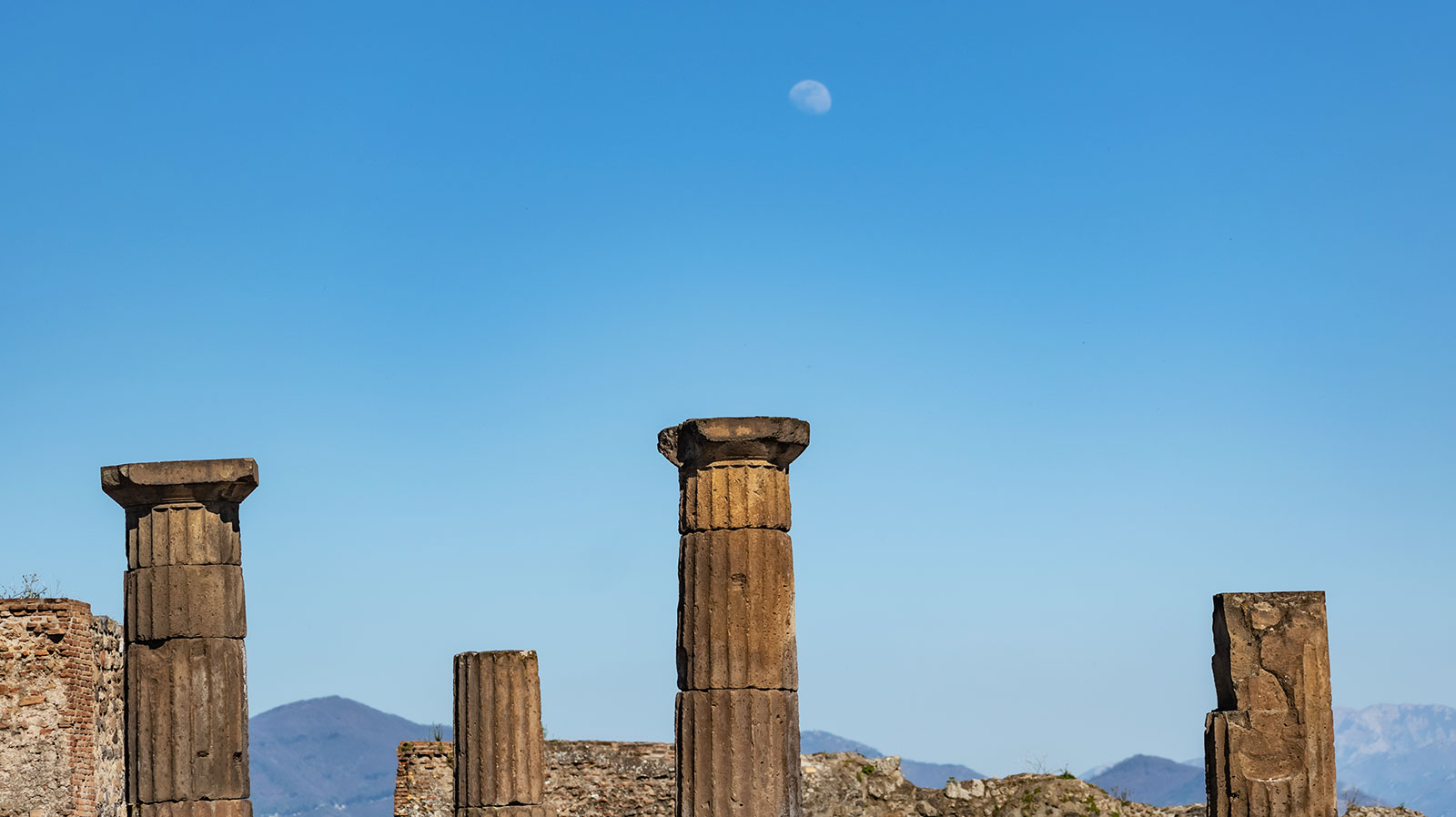
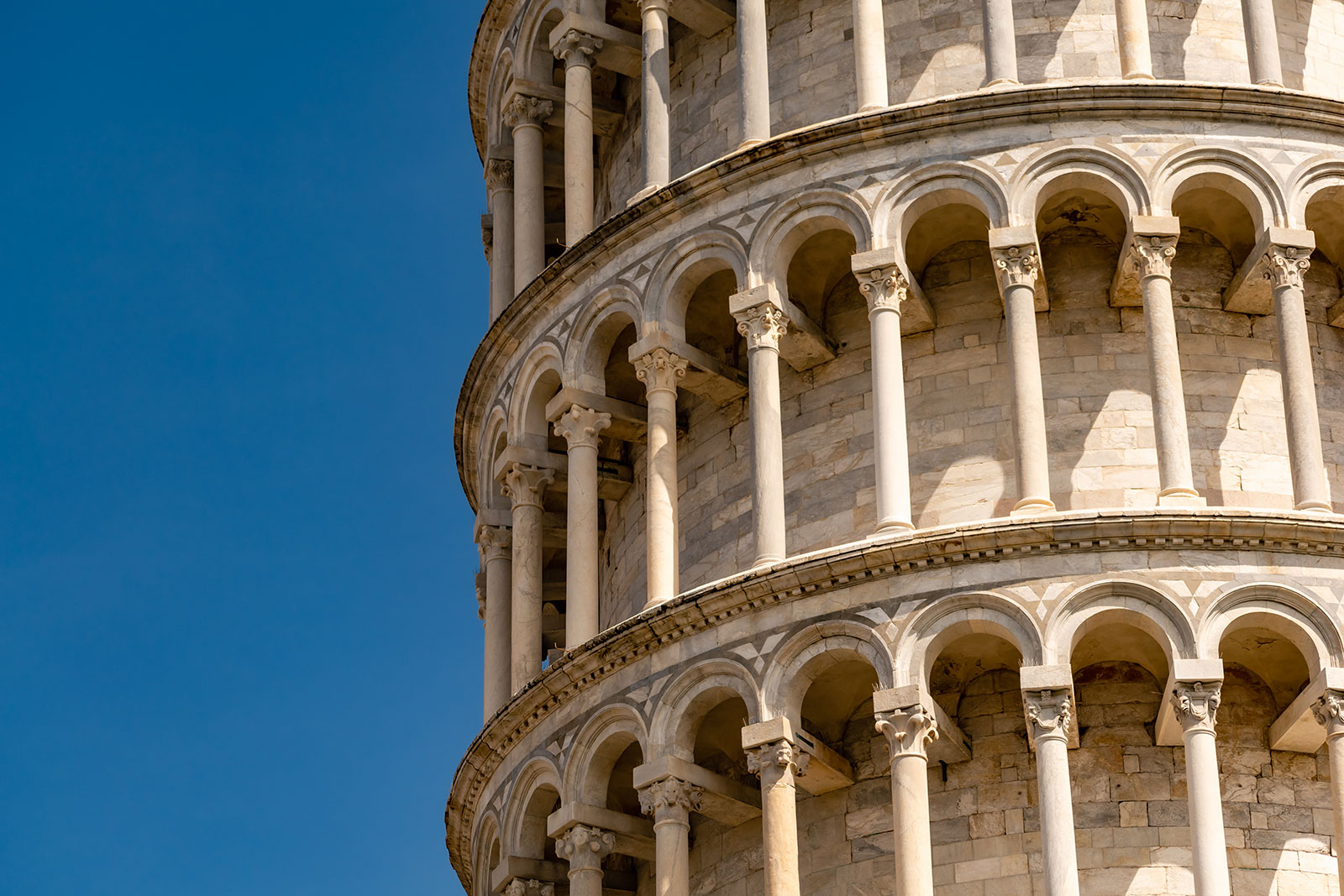
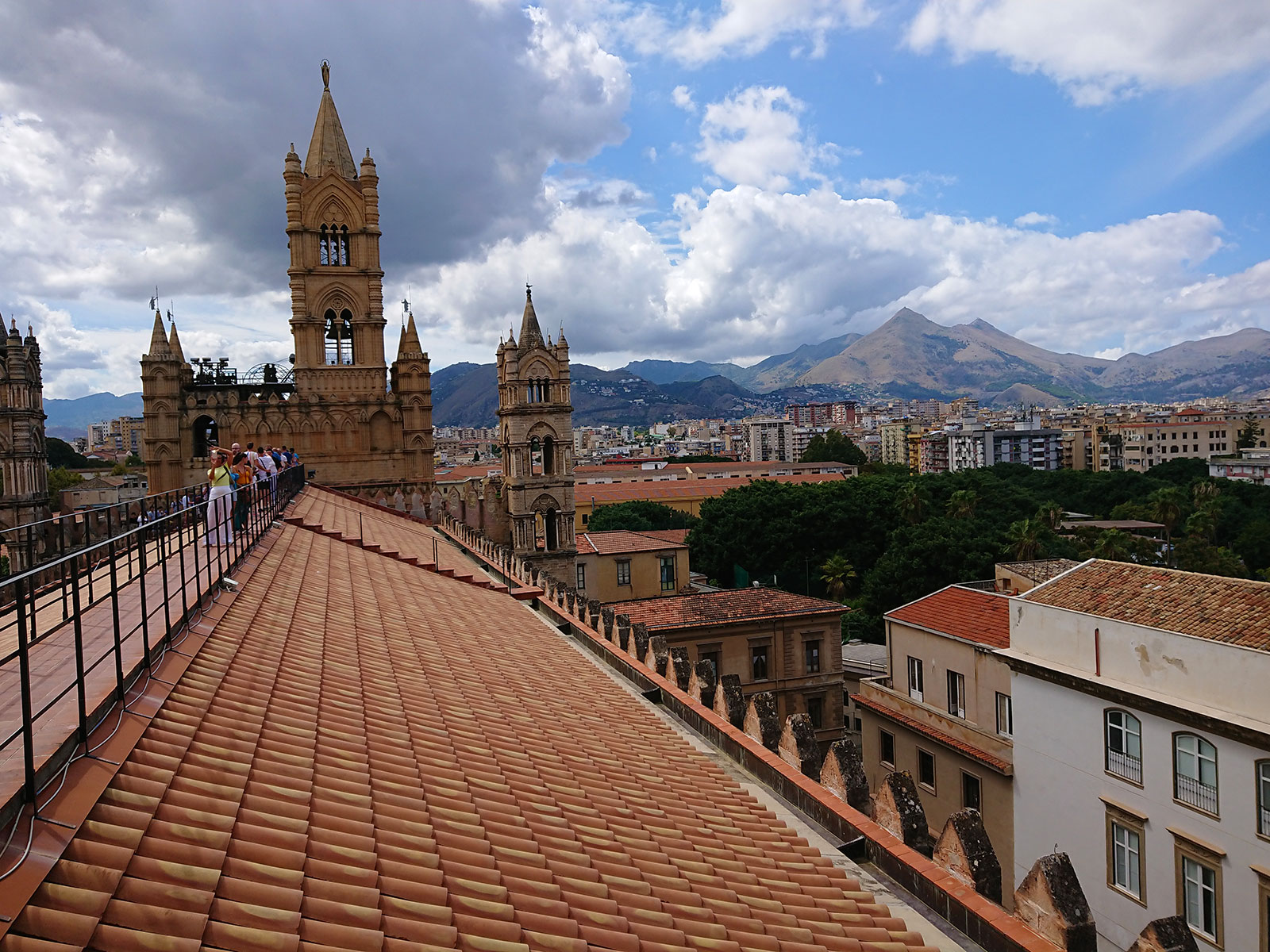
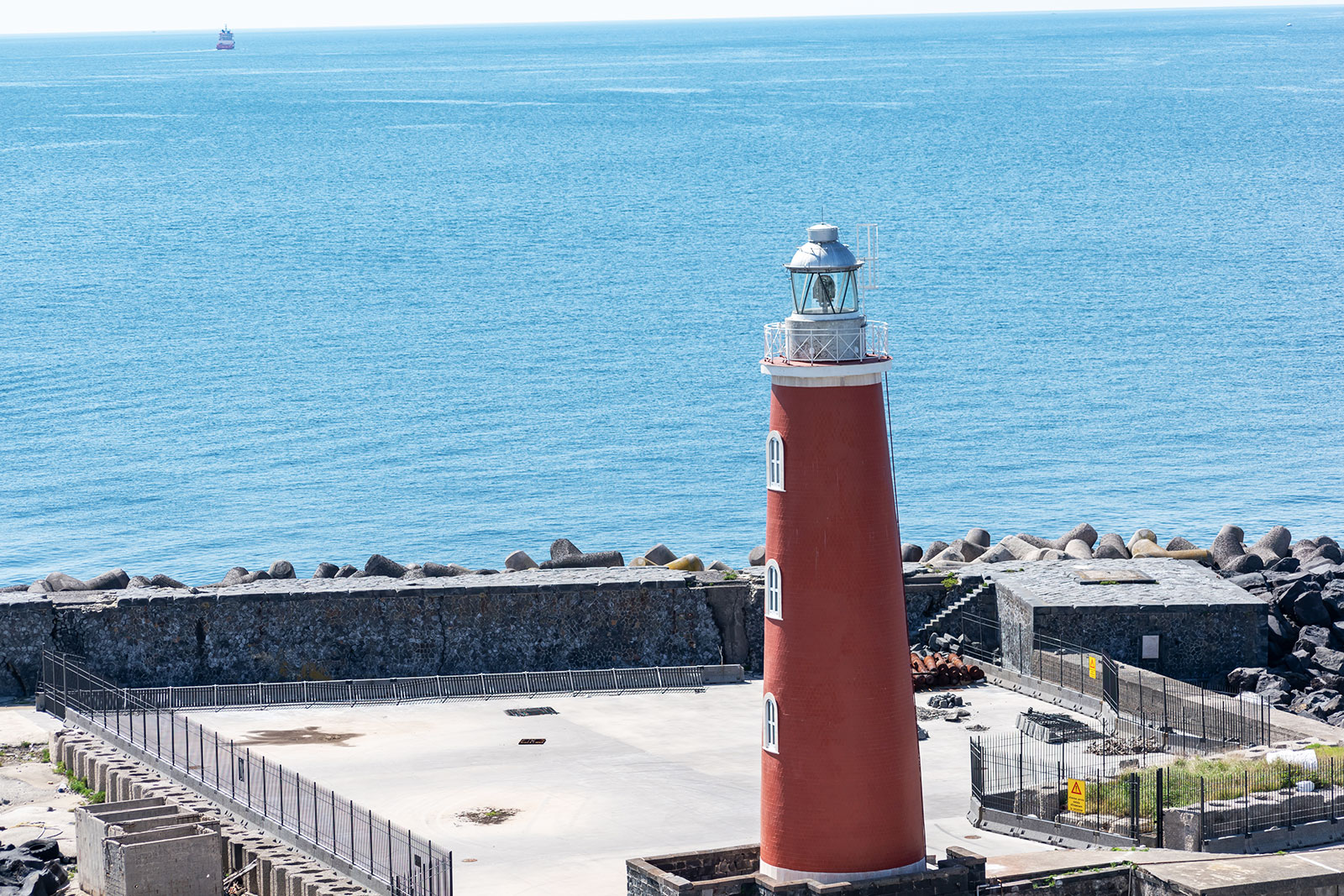
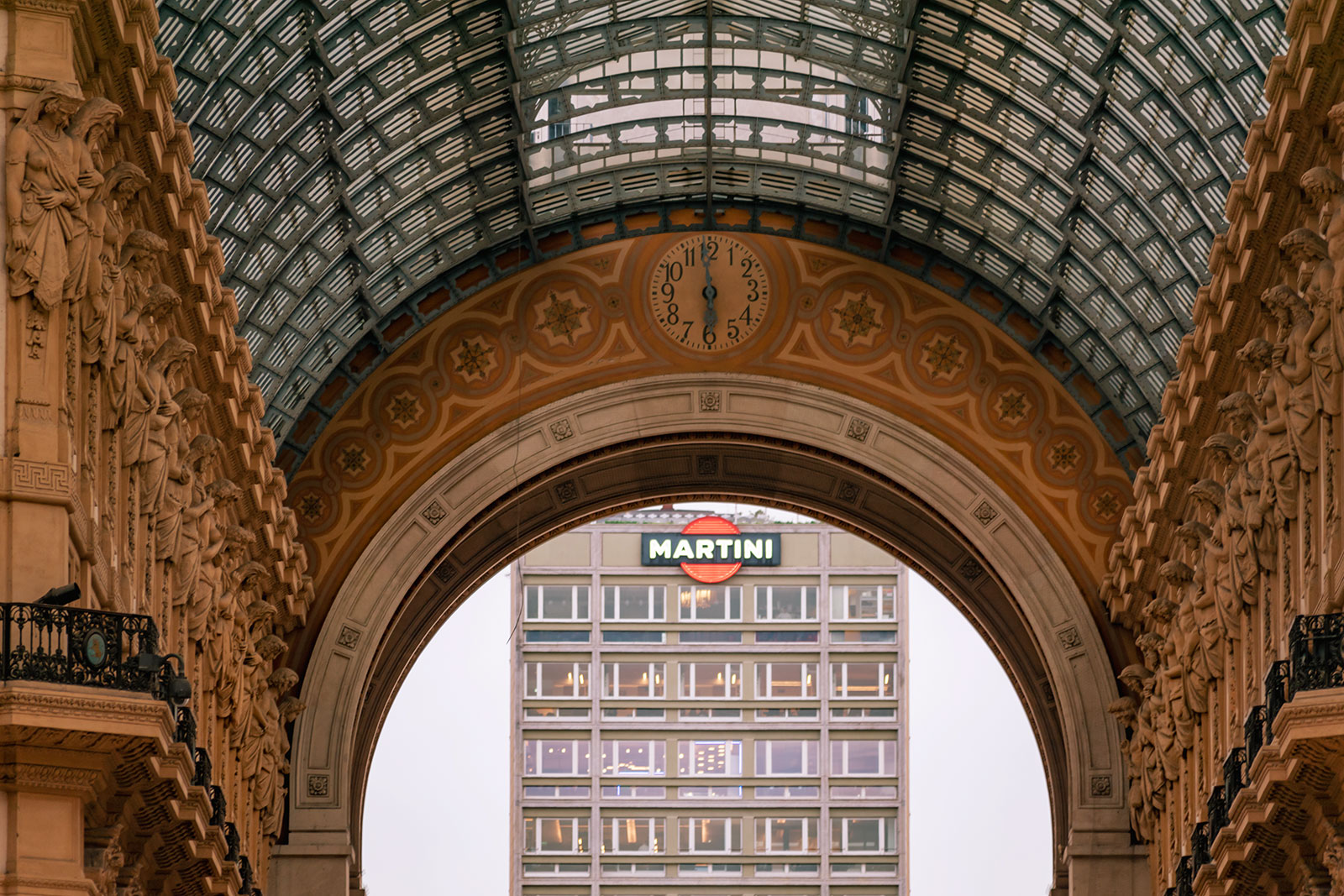
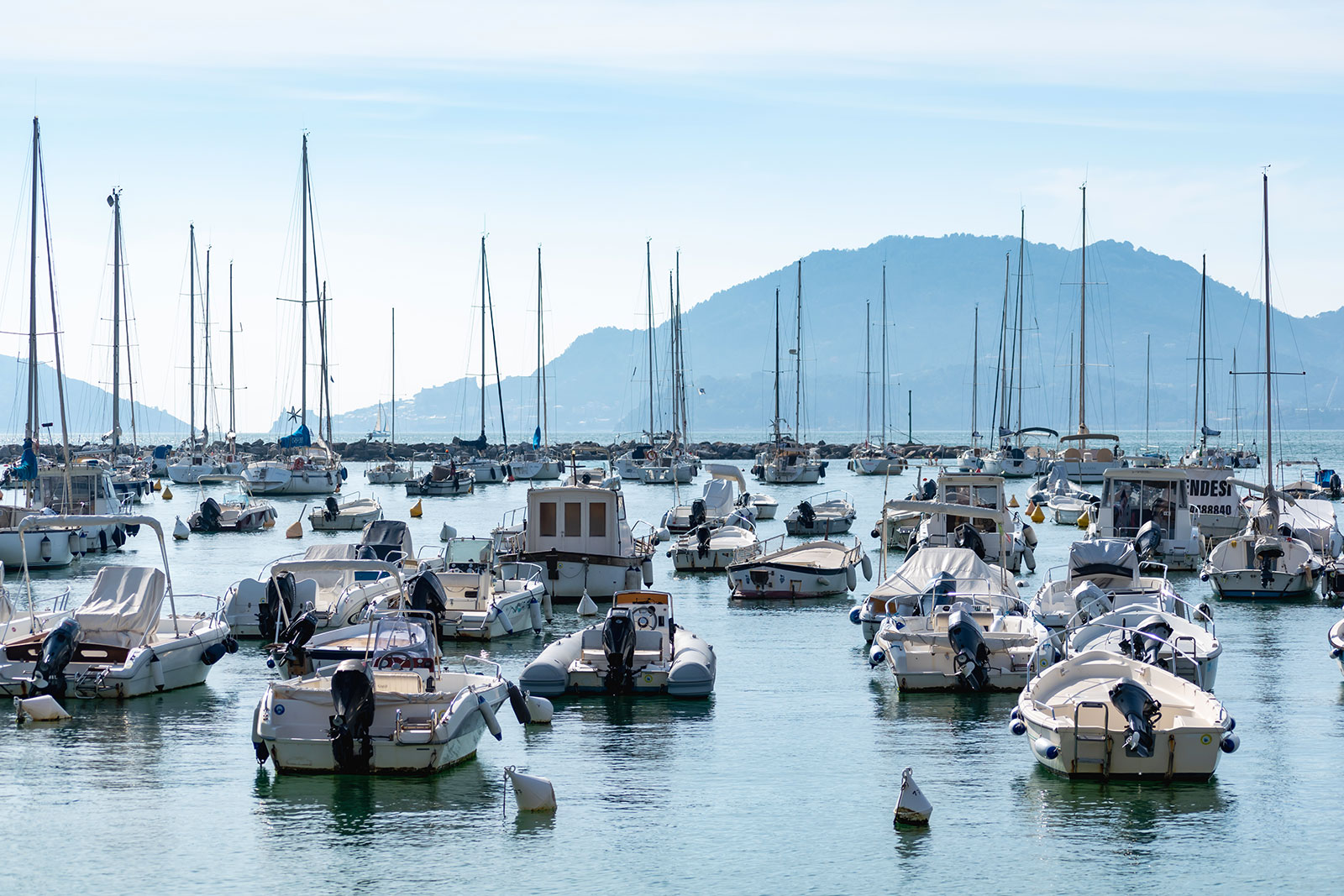
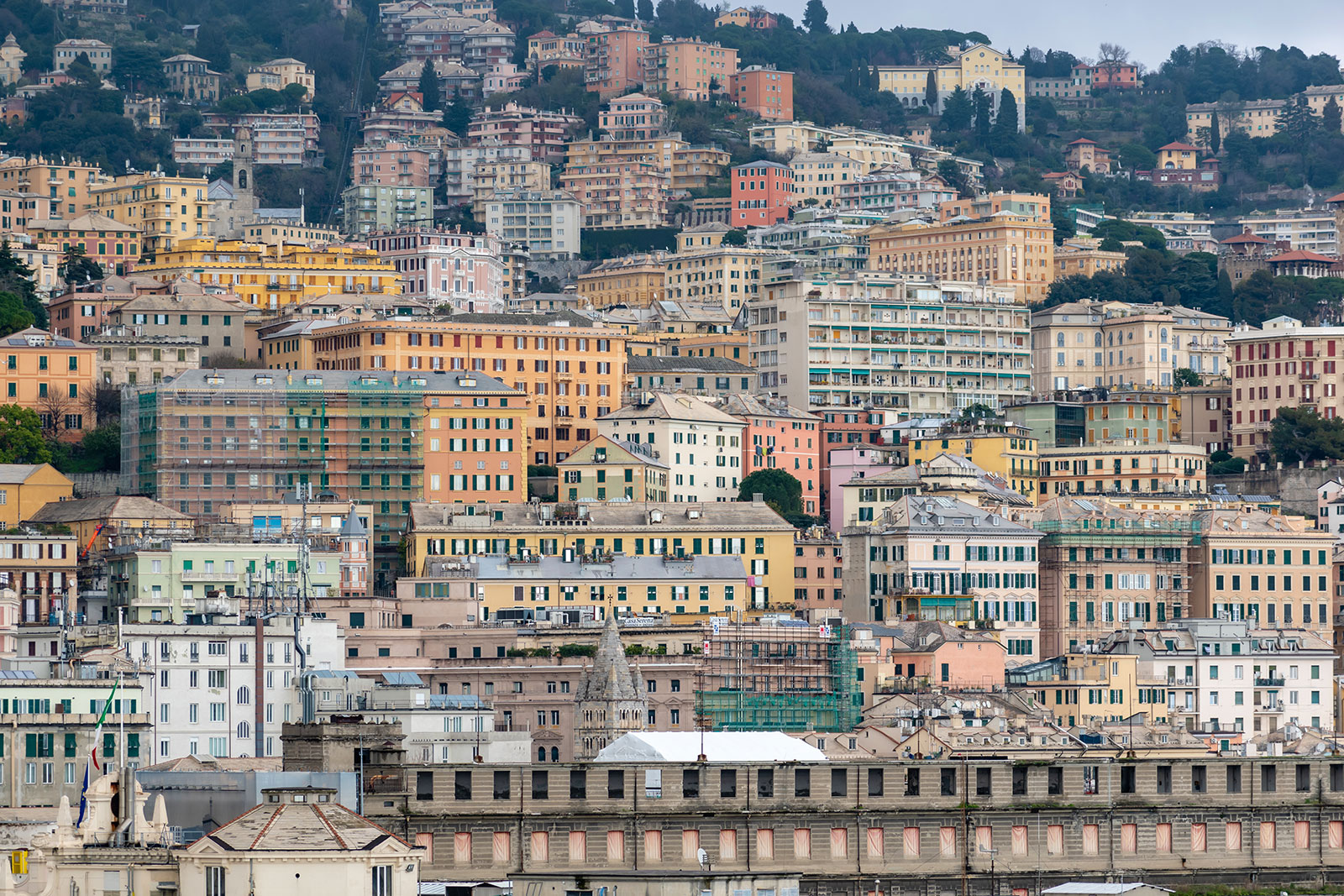
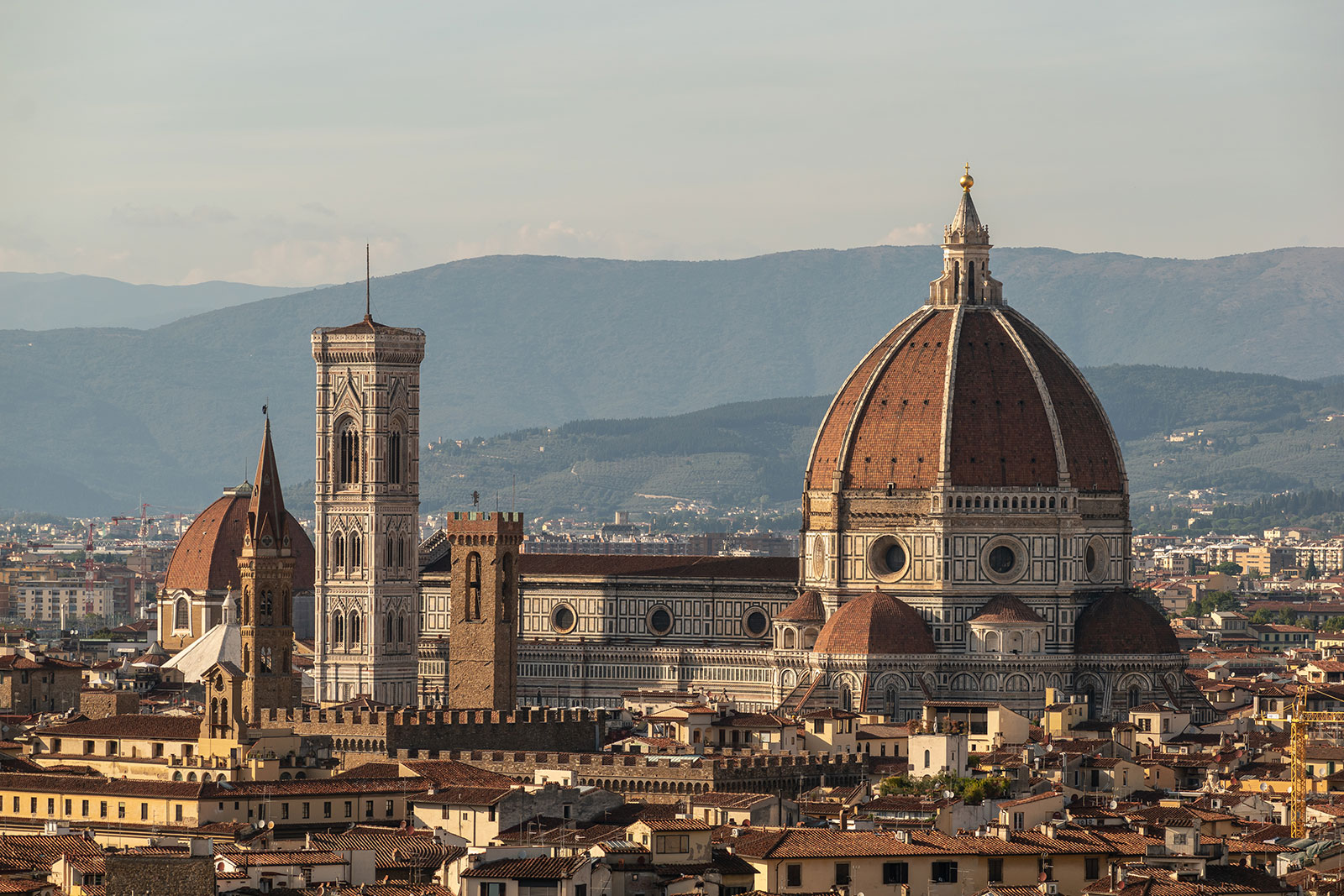
Cities of Italy so far
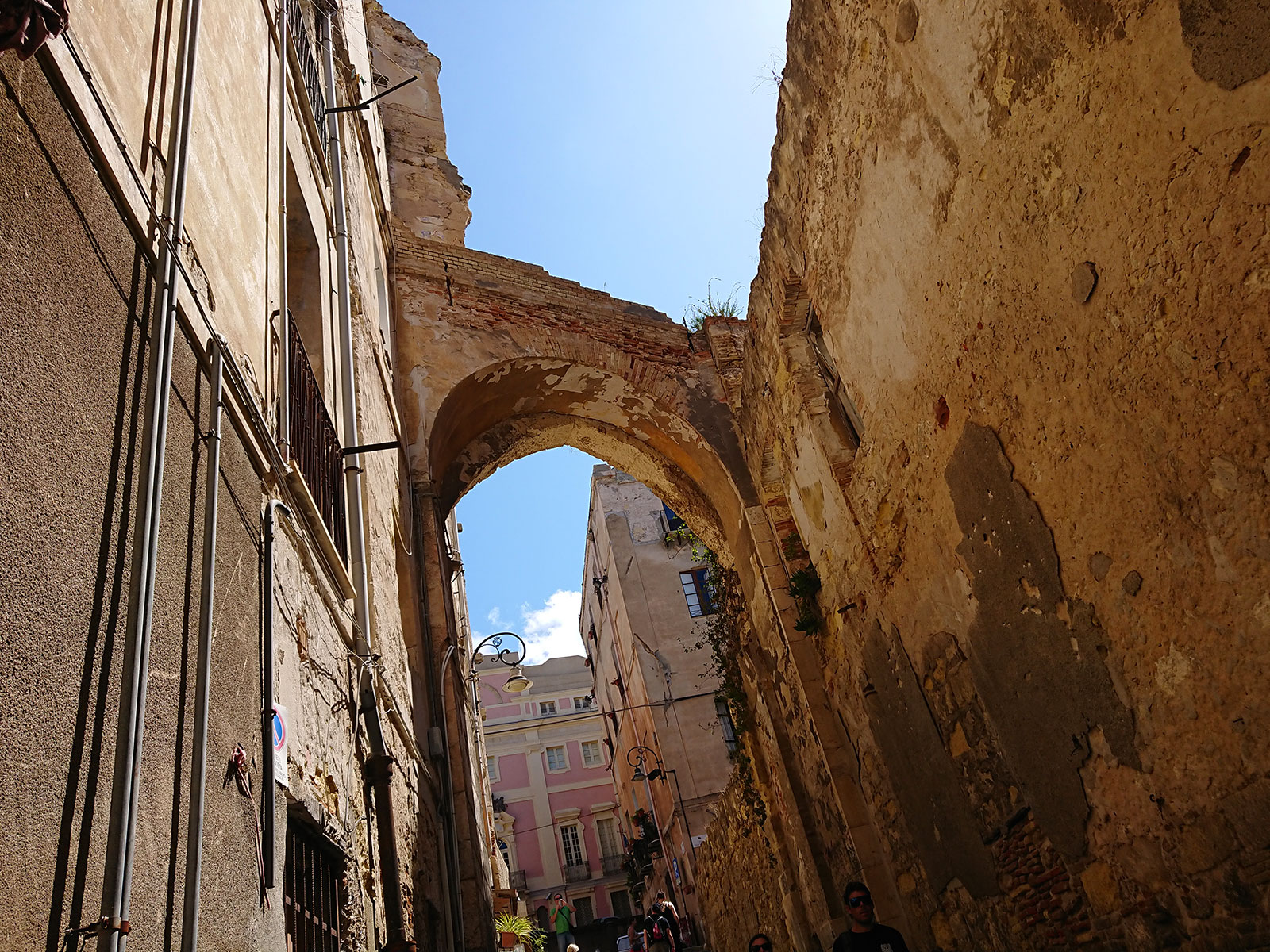
The Art of Lingering
What is time truly for?
What is time truly for?
I have learned in Italy that the true waste of time is never found in idleness, but in haste. To rush, to overwork, to swallow a meal on the move—this is how one squanders the hours.
Living, I’ve found, is the art of lingering. It is the long, unhurried meals, the quick espresso taken standing at the bar with a brief, bright exchange, the twilight passeggiata. Above all, it is the embrace of il dolce far niente—the sweet, unapologetic pleasure of doing nothing at all. In this beautiful paradox, time is not a currency to be spent on doing, but a quiet space to be inhabited for simply being.
Living, I’ve found, is the art of lingering. It is the long, unhurried meals, the quick espresso taken standing at the bar with a brief, bright exchange, the twilight passeggiata. Above all, it is the embrace of il dolce far niente—the sweet, unapologetic pleasure of doing nothing at all. In this beautiful paradox, time is not a currency to be spent on doing, but a quiet space to be inhabited for simply being.
The Old Ways
The Collective Memory Still Lives
The Collective Memory Still Lives
Campanilismo—the loyalty one feels toward the neighborhood bell tower—and bella figura, the art of looking good and preserving one’s dignity, are still very much alive. I see them in local rivalries, in fierce pride over regional food, and in the quiet fear of what other people might say.
Bandits and the Other Italy
What is the other history of a nation?
What is the other history of a nation?
The official histories, the ones bound in leather and placed on ministerial shelves, tell a neat story of unification and progress. But every country has its shadow narrative, its whispered counterpoint. In Italy, that shadow is often a figure like Giuseppe Mussolino from Calabria, or Samuele Stocchino from Sardinia. Their names are absent from the textbooks, but they live on in the oral tradition of their villages—folk heroes, not criminals.
These were men who, in the years following Italy's unification, found themselves on the wrong side of a distant, Piedmontese law that seemed designed to erase their way of life. They were the brigands, the outlaws, but to the peasants who knew them, they were also the ones who sometimes redistributed grain, punished oppressive landowners, and enacted a rough, personal justice when the state was either absent or cruel. They were the Robin Hoods of their small, forgotten valleys. The official narrative called them bandits; the local memory called them protectors. The truth, as always, lies somewhere in that contested space, a reminder that the story of a nation is never just the story of its rulers, but also of those who refused to bow.
These were men who, in the years following Italy's unification, found themselves on the wrong side of a distant, Piedmontese law that seemed designed to erase their way of life. They were the brigands, the outlaws, but to the peasants who knew them, they were also the ones who sometimes redistributed grain, punished oppressive landowners, and enacted a rough, personal justice when the state was either absent or cruel. They were the Robin Hoods of their small, forgotten valleys. The official narrative called them bandits; the local memory called them protectors. The truth, as always, lies somewhere in that contested space, a reminder that the story of a nation is never just the story of its rulers, but also of those who refused to bow.
There are silences that shape a city more deeply than any stone or spire. In the far northeast of Italy, where the map frays into Slovenia and Croatia, I have wandered through towns that still carry the quiet ache of a wound left unnamed. Between 1943 and 1954, in the brutal aftermath of war, Tito's partisans cast thousands into the foibe—deep limestone sinkholes that became unmarked graves—and drove as many as 350,000 Italians from their homes in Istria and Dalmatia.
What followed was not just an exodus, but an erasure. Entire villages emptied. Streets fell silent. And for decades, the Cold War sealed this grief behind a wall of political convenience—a truth too awkward for fragile alliances. It was only in 2004, with the Giorno del Ricordo, the Day of Remembrance, that Italy finally broke its long silence and gave the vanished a day to be mourned.
Even now, the absence lingers. You feel it in the half-empty facades, in the hesitant memories of the old, in the way certain corners seem to hold their breath. The stones, I have found, remember what the world once chose to forget.
What followed was not just an exodus, but an erasure. Entire villages emptied. Streets fell silent. And for decades, the Cold War sealed this grief behind a wall of political convenience—a truth too awkward for fragile alliances. It was only in 2004, with the Giorno del Ricordo, the Day of Remembrance, that Italy finally broke its long silence and gave the vanished a day to be mourned.
Even now, the absence lingers. You feel it in the half-empty facades, in the hesitant memories of the old, in the way certain corners seem to hold their breath. The stones, I have found, remember what the world once chose to forget.
The Weight of Absence
What do emptied cities remember?
What do emptied cities remember?
Before the Journey
What can stories teach us about a place before we arrive?
What can stories teach us about a place before we arrive?
Before the journey, I like to meet a place through the stories it has told about itself. For Italy, I would begin with Lampedusa’s The Leopard or Elena Ferrante’s My Brilliant Friend; with Vittorio De Sica’s Bicycle Thieves, a landmark of neorealism, or Paolo Sorrentino’s The Great Beauty; and, above all, with Dante’s Divine Comedy.
These works reveal an Italy beneath the postcard: an Italy of suffering and class, beauty and decline, memory and desire. They remind me that a country is not only its streets and monuments, but also the lives imagined, lost, and remembered within them.
These works reveal an Italy beneath the postcard: an Italy of suffering and class, beauty and decline, memory and desire. They remind me that a country is not only its streets and monuments, but also the lives imagined, lost, and remembered within them.
The Innocent Nation
What story does a nation tell itself to survive?
What story does a nation tell itself to survive?
Every country carries a founding myth, a story it whispers to itself in the dark hours of its history. For Italy, that story is the legend of the "bravo italiano"—the good Italian. It is a narrative of victimhood, of a people who were, at heart, decent and peaceable, merely swept along by the violent currents of fascism and Nazi occupation. The crimes committed in those terrible years, this story insists, were the work of a few fanatics, not the nation itself. The people were innocent; they were the ones who suffered.
This myth was born not in the war, but in the weary, wounded years that followed. It was a necessary balm for a fractured country, a way to rebuild a shattered identity by drawing a clear, if false, line between the regime and the population. It allowed a collective amnesia to settle like soft ash, obscuring the uncomfortable truth of collaboration and quiet complicity. This is the story many Italians grew up with, an almost sacred inheritance. And so, to this day, the legend endures, softening the edges of a complex and often brutal past, performing its quiet, comforting magic. It tells a story of collective suffering that conveniently obscures the quieter, more troubling story of complicity. It is a myth that, perhaps, every nation needs, but one that also, if we let it, prevents us from truly understanding the full shape of our own history.
This myth was born not in the war, but in the weary, wounded years that followed. It was a necessary balm for a fractured country, a way to rebuild a shattered identity by drawing a clear, if false, line between the regime and the population. It allowed a collective amnesia to settle like soft ash, obscuring the uncomfortable truth of collaboration and quiet complicity. This is the story many Italians grew up with, an almost sacred inheritance. And so, to this day, the legend endures, softening the edges of a complex and often brutal past, performing its quiet, comforting magic. It tells a story of collective suffering that conveniently obscures the quieter, more troubling story of complicity. It is a myth that, perhaps, every nation needs, but one that also, if we let it, prevents us from truly understanding the full shape of our own history.
Our Stories from Italy
-
What Does a Carbon Footprint Mean? (A Morning Coffee Story)
-
An Introduction to Sustainable Travel
-
The Instagram picture and the fragile truth behind it
-
24 Easy and Quick Tips for Stunning Travel Portraits
-
The Art of Enough: Finding Joy in Simple Photography
-
Explore Magnificent Photographs: 20 Handpicked Online Galleries
-
Beyond Stereotypes: Unveiling the Enchantment of Iran
-
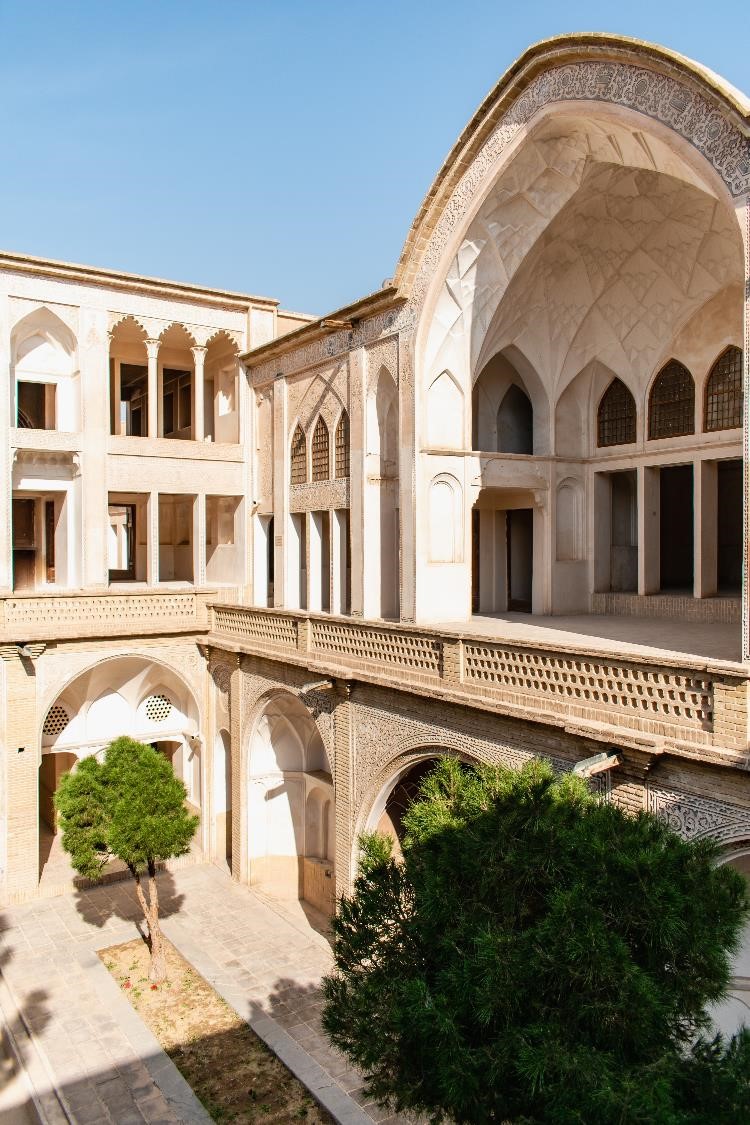
Sunken courtyards of Kashan
-
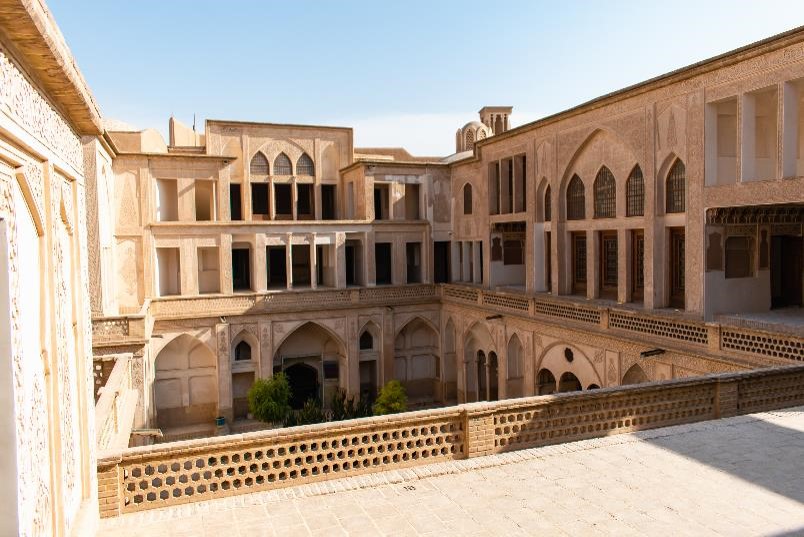
The Old Weaver's Hidden Smile
The Geography of a Laugh
What does a nation's humor reveal?
What does a nation's humor reveal?
To truly know a country, I have found, one must listen to what it laughs at. In Italy, the most famous punchline is a geographical ghost story: Il Molise non esiste—"Molise doesn't exist." It is a running joke about the country’s second-smallest, landlocked region, a place so easily bypassed on the map that it has become the national metaphor for insignificance. Yet, beneath the chuckle lies a poignant self-deprecation. It is a quiet, collective admission of the fear of being marginalized, of fading into the background of a grand, noisy history.
This same gentle mockery is turned upon the state itself, most famously the Carabinieri, the national military police. Tales of their legendary inefficiency and bureaucratic labyrinth are told with the affectionate exasperation one might reserve for a slow-witted uncle. Through these jokes, I hear a people using humor to navigate the absurdities of their own institutions, finding resilience and grace in the very act of laughing at the system that governs them.
This same gentle mockery is turned upon the state itself, most famously the Carabinieri, the national military police. Tales of their legendary inefficiency and bureaucratic labyrinth are told with the affectionate exasperation one might reserve for a slow-witted uncle. Through these jokes, I hear a people using humor to navigate the absurdities of their own institutions, finding resilience and grace in the very act of laughing at the system that governs them.
Beyond the Postcard
Is the famous always worth seeing?
Is the famous always worth seeing?
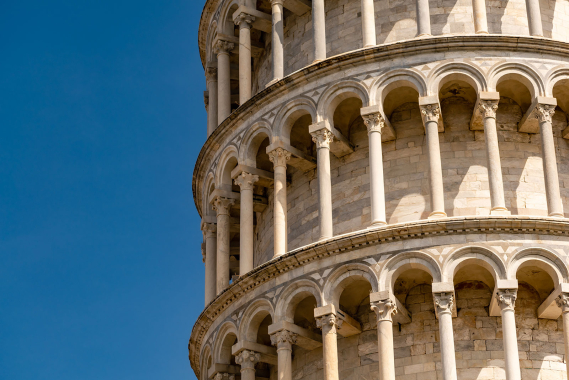
Some places are famous enough to become almost empty of surprise. In summer, the Leaning Tower of Pisa or the Cinque Terre can mean long queues, crowded paths, and the feeling of following everyone else’s itinerary.
I would rather look elsewhere. At the archaeological park of Paestum, ancient Greek temples rise almost in solitude. On Procida, near Naples, pastel-colored houses frame a quieter island life, where the rhythm still belongs more to the locals than to the tourists.
For me, this is often the better kind of travel: leaving the postcard behind and finding the place that has not yet been overwhelmed by its own fame.
I would rather look elsewhere. At the archaeological park of Paestum, ancient Greek temples rise almost in solitude. On Procida, near Naples, pastel-colored houses frame a quieter island life, where the rhythm still belongs more to the locals than to the tourists.
For me, this is often the better kind of travel: leaving the postcard behind and finding the place that has not yet been overwhelmed by its own fame.
The Other Italy
The Capitals of Italy, Beyond Politics
The Capitals of Italy, Beyond Politics
Some of Italy’s most important capitals have nothing to do with politics. Bologna is the capital of food—La Grassa, the fat one. Alba is the home of the white truffle. Modena is the capital of traditional balsamic vinegar. Parma rules over prosciutto and Parmigiano.
These are not capitals marked on political maps. They are found instead in markets, kitchens, cellars, and family tables. In Italy, sometimes the most important places are the ones that feed you.
These are not capitals marked on political maps. They are found instead in markets, kitchens, cellars, and family tables. In Italy, sometimes the most important places are the ones that feed you.
The Unmapped Shore
Where does Italy go to escape itself?
Where does Italy go to escape itself?
The guidebooks will show you the Amalfi Coast, the Cinque Terre, the crowded beaches of the Riviera. But the Italy that Italians keep for themselves is a different geography entirely—a secret archipelago of hidden coves and secluded lakes that exist just beyond the tourist's reach. These are the places you won't find on Instagram feeds or in glossy brochures; they are the quiet sanctuaries where the country exhales.
Punta Aderci in Abruzzo, a wild spit of land where the Adriatic meets untouched dunes. San Fruttuoso in Liguria, a tiny bay accessible only by boat or a punishing hike through coastal forest. And Lago Posta Fibreno in Lazio, a crystalline lake so still and hidden that it feels like a forgotten dream. Here, the crowds thin to nothing. The only sounds are the lapping of water and the distant laughter of Italian families who have known these spots for generations.
To find these places is to understand that Italy is not merely a museum to be visited, but a country to be lived in. The real Italy does not perform for an audience; it simply exists, quietly, stubbornly, in these pockets of solitude. And when you stumble upon one, you feel less like a tourist and more like someone who has been let in on a cherished secret—a momentary guest in a world that does not need to impress you, only to welcome you into its quiet, enduring presence.
Punta Aderci in Abruzzo, a wild spit of land where the Adriatic meets untouched dunes. San Fruttuoso in Liguria, a tiny bay accessible only by boat or a punishing hike through coastal forest. And Lago Posta Fibreno in Lazio, a crystalline lake so still and hidden that it feels like a forgotten dream. Here, the crowds thin to nothing. The only sounds are the lapping of water and the distant laughter of Italian families who have known these spots for generations.
To find these places is to understand that Italy is not merely a museum to be visited, but a country to be lived in. The real Italy does not perform for an audience; it simply exists, quietly, stubbornly, in these pockets of solitude. And when you stumble upon one, you feel less like a tourist and more like someone who has been let in on a cherished secret—a momentary guest in a world that does not need to impress you, only to welcome you into its quiet, enduring presence.
The Road Itself
Where does the journey end and the destination begin?
Where does the journey end and the destination begin?
In Italy, I have come to realize that a destination is often just an excuse for the journey. Take the Grande Strada delle Dolomiti, carving its way from Bolzano to Cortina, or the dizzying ascent of the Passo dello Stelvio with its forty-eight hairpin turns clinging to the edge of the sky. On these alpine routes, the asphalt is not a mere conduit to get from one place to another; it is the very experience itself.
This truth holds equally in the softer, sun-drenched landscapes of the north. Down in Piedmont, the Strada delle Langhe unfolds through the rolling geometry of vineyards, where the air tastes of Nebbiolo and time slows to the rhythm of the harvest. Driving here, I have found that the steering wheel becomes an instrument of attention. You are not simply passing through the landscape; you are moving deeply within it, discovering that the true arrival happens long before you ever reach your end.
This truth holds equally in the softer, sun-drenched landscapes of the north. Down in Piedmont, the Strada delle Langhe unfolds through the rolling geometry of vineyards, where the air tastes of Nebbiolo and time slows to the rhythm of the harvest. Driving here, I have found that the steering wheel becomes an instrument of attention. You are not simply passing through the landscape; you are moving deeply within it, discovering that the true arrival happens long before you ever reach your end.
Off-Season, On-Soul
What does a city reveal when it is empty?
What does a city reveal when it is empty?
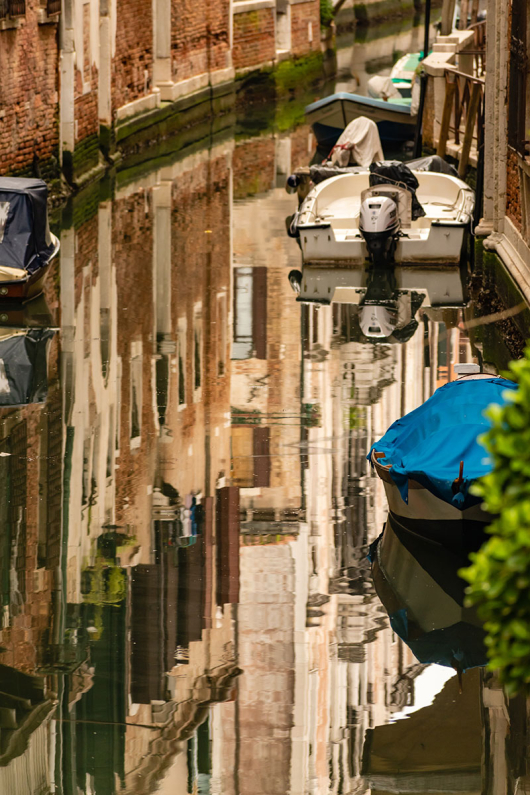
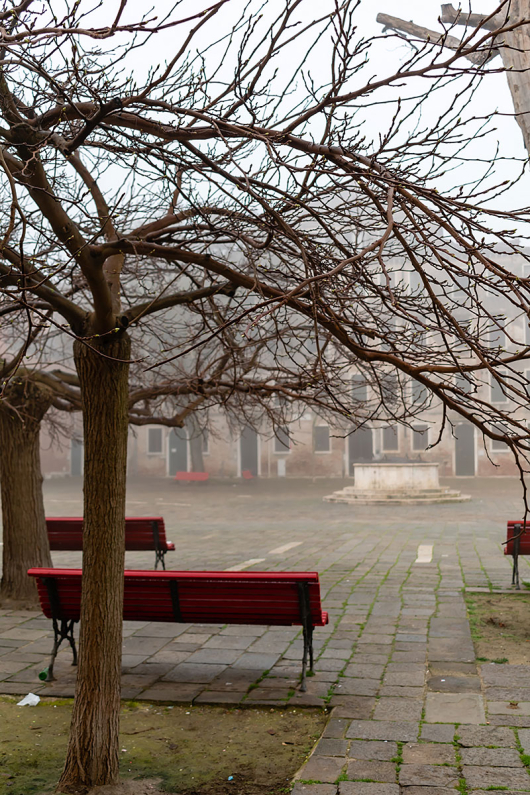
The guidebooks will show you Italy in sunlight—the golden hour, the crowded piazzas, the bustling streets. But the deeper Italy, the one that stays with you, often appears in the unexpected hours: Rome or Venice in an autumn rain, when the tourists have fled and the cobblestones gleam like mirrors. The city sheds its performance and becomes itself again, a quiet witness to its own history.
Rome in August is another kind of revelation. The locals have abandoned the capital for the coast, leaving the ancient streets to the brave few. The city feels borrowed, almost illicit—a stage emptied of its players, where you walk through the Forum alone, hearing only your own footsteps echo against the ruins. It is an eerie, unforgettable gift.
The Dolomites in fog or winter offer a different sort of magic. The postcard peaks dissolve into mist, revealing a landscape that feels more ancient and wild. And Matera at dawn, with its sassi carved into the ravine and the valley below still wrapped in morning haze—there is no other way to see it. The mist softens the edges, erases the centuries, and for a brief, crystalline moment, you see the city as it must have been when it was first carved from the rock, a secret carved into the earth itself.
To arrive at these moments is to understand that Italy is not a single image but a thousand shifting ones. It rewards those who come at the wrong time, who embrace the rain and the emptiness, who understand that the real beauty often lies not in the spectacle, but in the quiet, unexpected spaces in between. It is the art of being in the right place at the right time—or perhaps, more accurately, at the wrong time, when the crowds have gone and the soul of the place finally speaks.
Rome in August is another kind of revelation. The locals have abandoned the capital for the coast, leaving the ancient streets to the brave few. The city feels borrowed, almost illicit—a stage emptied of its players, where you walk through the Forum alone, hearing only your own footsteps echo against the ruins. It is an eerie, unforgettable gift.
The Dolomites in fog or winter offer a different sort of magic. The postcard peaks dissolve into mist, revealing a landscape that feels more ancient and wild. And Matera at dawn, with its sassi carved into the ravine and the valley below still wrapped in morning haze—there is no other way to see it. The mist softens the edges, erases the centuries, and for a brief, crystalline moment, you see the city as it must have been when it was first carved from the rock, a secret carved into the earth itself.
To arrive at these moments is to understand that Italy is not a single image but a thousand shifting ones. It rewards those who come at the wrong time, who embrace the rain and the emptiness, who understand that the real beauty often lies not in the spectacle, but in the quiet, unexpected spaces in between. It is the art of being in the right place at the right time—or perhaps, more accurately, at the wrong time, when the crowds have gone and the soul of the place finally speaks.
Invisible Frontiers
How does a landscape change its soul?
In my travels across the peninsula, I have often marveled at how a single, unseen line can rewrite the very soul of a place. To cross from Trentino into Alto Adige—or South Tyrol—is to experience a shift so absolute it feels like a quiet alchemy. Almost overnight, the terracotta roofs give way to timbered Alpine facades; the melodic cadence of Italian dissolves into the crisp, guttural rhythms of German and ancient Ladin. The air, once scented with rosemary and garlic, now carries the warm spice of apple strudel and roasted pork. It is a corner of the country where the ghost of the Habsburg Empire still lingers in the valleys, making you feel as though you have slipped into Austria without ever showing a passport.
Yet, the most profound internal frontier is the ancient, invisible divide that cleaves the peninsula from north to south. Drive from the wealthy, ordered plains of Emilia down into the sun-baked, chaotic sprawl of Campania, and you enter an entirely different world. The culinary metaphor is perfect: the rich, heavy butter of the north surrenders to the bright, golden olive oil of the south. The dialects grow louder and more theatrical, the architecture shifts from rigid symmetry to vibrant spontaneity, and the rhythm of life slows to the pulsing, unpredictable heartbeat of the Mediterranean. It is a journey not merely across a map, but across centuries of divergent histories.
Yet, the most profound internal frontier is the ancient, invisible divide that cleaves the peninsula from north to south. Drive from the wealthy, ordered plains of Emilia down into the sun-baked, chaotic sprawl of Campania, and you enter an entirely different world. The culinary metaphor is perfect: the rich, heavy butter of the north surrenders to the bright, golden olive oil of the south. The dialects grow louder and more theatrical, the architecture shifts from rigid symmetry to vibrant spontaneity, and the rhythm of life slows to the pulsing, unpredictable heartbeat of the Mediterranean. It is a journey not merely across a map, but across centuries of divergent histories.
The Bite of Belonging
Where is the true taste of a place hidden?
Where is the true taste of a place hidden?
The restaurants with white tablecloths will serve you a beautiful meal. But the real taste of Italy—the one that lingers in memory long after the trip is over—is rarely found at a sit-down dinner. It is found standing up, in the middle of a market, with sauce running down your chin. It is lampredotto in Florence—the fourth stomach of a cow, simmered in a fragrant broth and stuffed into a soft bun, served from a wheeled cart by a man who has been doing this for forty years. You eat it standing, and you do not ask for a fork.
In Venice, it is cicchetti—small, messy bites of fried seafood, marinated vegetables, or creamy cod spread on crusty bread—washed down with a tiny glass of ombra, the local white wine. You eat them standing at the counter of a bacaro, a humble wine bar, rubbing shoulders with the workmen and the elderly, no one in a hurry, everyone simply present. The ritual is as much the taste as the food itself.
Then there is scarpetta—the sacred act of wiping your plate clean with a piece of bread. This is not done in formal company, but in the comfort of a home or a familiar, welcoming trattoria, where the sauce is too good to leave behind. It is the highest compliment you can pay to the cook, a silent, almost reverent gesture that says, "This was worth every drop." And in Naples, it is the sfogliatella—a shell-shaped pastry of crisp, layered dough filled with sweet ricotta—that you must hunt down before the morning crowds arrive, when it is still warm from the oven and the streets are quiet.
These are not dishes you order from a menu; they are experiences you stumble into. They require no reservation, no guidebook, no pretension. To eat this way is to understand that Italy does not reveal itself to the passive observer. It waits for the traveler who is willing to stand, to get their hands messy, to follow the morning light to a street cart, and to taste a place not as a visitor, but as someone who has, for a brief, delicious moment, become part of its story.
In Venice, it is cicchetti—small, messy bites of fried seafood, marinated vegetables, or creamy cod spread on crusty bread—washed down with a tiny glass of ombra, the local white wine. You eat them standing at the counter of a bacaro, a humble wine bar, rubbing shoulders with the workmen and the elderly, no one in a hurry, everyone simply present. The ritual is as much the taste as the food itself.
Then there is scarpetta—the sacred act of wiping your plate clean with a piece of bread. This is not done in formal company, but in the comfort of a home or a familiar, welcoming trattoria, where the sauce is too good to leave behind. It is the highest compliment you can pay to the cook, a silent, almost reverent gesture that says, "This was worth every drop." And in Naples, it is the sfogliatella—a shell-shaped pastry of crisp, layered dough filled with sweet ricotta—that you must hunt down before the morning crowds arrive, when it is still warm from the oven and the streets are quiet.
These are not dishes you order from a menu; they are experiences you stumble into. They require no reservation, no guidebook, no pretension. To eat this way is to understand that Italy does not reveal itself to the passive observer. It waits for the traveler who is willing to stand, to get their hands messy, to follow the morning light to a street cart, and to taste a place not as a visitor, but as someone who has, for a brief, delicious moment, become part of its story.
A Taste of Place
Can food exist apart from its place?
Can food exist apart from its place?
Some foods and drinks make sense only when you place them back in their landscape. In Valle d’Aosta, Fontina and fonduta belong to the cold mountain climate and the milk of Alpine cows. Alba’s white truffle is an autumn treasure, inseparable from the soils of Piedmont. Real limoncello begins with the lemons of the Amalfi Coast or Sorrento.
Even pasta tells a story of geography: in the north, it is often made with soft wheat flour and eggs; in the south, with durum wheat flour and water. The ingredients change with the land, the climate, and the traditions passed down through generations.
Even pasta tells a story of geography: in the north, it is often made with soft wheat flour and eggs; in the south, with durum wheat flour and water. The ingredients change with the land, the climate, and the traditions passed down through generations.
The Journey That Stays
What should I bring home from Italy that will keep the journey alive?
What should I bring home from Italy that will keep the journey alive?
Not another magnet or miniature monument, but something that becomes part of everyday life: traditional balsamic vinegar from Modena, aged for twelve years or more; a wedge of Parmigiano Reggiano; local extra-virgin olive oil; a Bialetti moka pot; hand-painted ceramics from Deruta; or a piece of Florentine leather.
These are souvenirs that do not simply sit on a shelf. They are used, tasted, worn, and slowly become part of home. Each time they return to the table, the kitchen, or the hand, a small piece of Italy returns with them.
Perhaps the best souvenir is not something that reminds us where we have been, but something that allows the journey to continue.
These are souvenirs that do not simply sit on a shelf. They are used, tasted, worn, and slowly become part of home. Each time they return to the table, the kitchen, or the hand, a small piece of Italy returns with them.
Perhaps the best souvenir is not something that reminds us where we have been, but something that allows the journey to continue.
The Memory of Hands
What is lost when the hands stop making?
What is lost when the hands stop making?
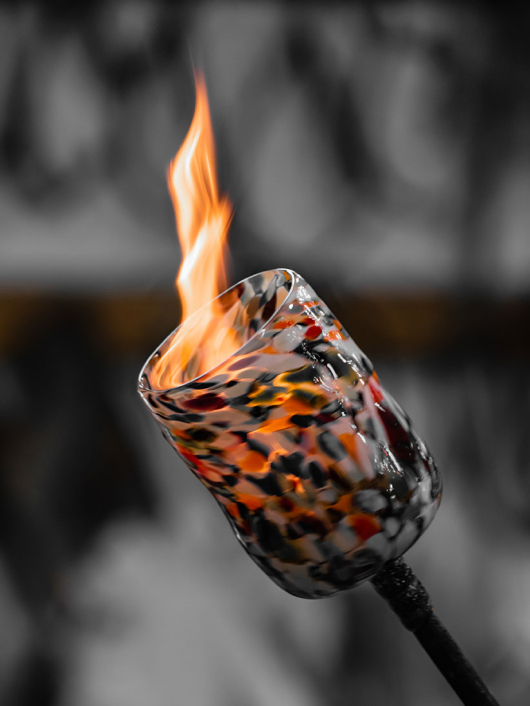
In my wanderings through Italy, I am continually struck by the hands that still shape its soul. There are crafts that have fiercely resisted the erosion of time, thriving in the bright light of the modern world. I have watched the glassblowers of Murano breathe fire into sand, and seen the vibrant, hand-painted ceramics of Deruta emerge from the kiln. In Tuscany, the rich scent of cured leather fills ancient botteghe, while in Emilia-Romagna, the slow, patient alchemy of traditional balsamic vinegar and golden olive oil continues its quiet, centuries-old vigil. These are not mere commodities; they are living conversations between the maker and the earth.
Yet, just beyond the reach of the tourist’s gaze, a quieter tragedy is unfolding. The delicate needlepoint lace of Burano, the intricate wood marquetry, and the rhythmic hammering of the village coppersmith and blade-maker are fading into memory. These arts demand a luxury the modern world no longer wishes to afford: time. In just the last decade, the country has lost over 400,000 artisans to the relentless tide of mass production and shifting economies. When an old master passes away without an apprentice to take up the tools, an entire vocabulary of human touch is silenced forever, leaving us with a world that is perfectly manufactured, but entirely devoid of a soul.
Yet, just beyond the reach of the tourist’s gaze, a quieter tragedy is unfolding. The delicate needlepoint lace of Burano, the intricate wood marquetry, and the rhythmic hammering of the village coppersmith and blade-maker are fading into memory. These arts demand a luxury the modern world no longer wishes to afford: time. In just the last decade, the country has lost over 400,000 artisans to the relentless tide of mass production and shifting economies. When an old master passes away without an apprentice to take up the tools, an entire vocabulary of human touch is silenced forever, leaving us with a world that is perfectly manufactured, but entirely devoid of a soul.
The Italy Within Italy
Where does Italy’s hidden diversity live?
Where does Italy’s hidden diversity live?
Small towns and villages can be gateways to cultures that are easy to miss on the usual tourist map.
In Salento’s Grecìa Salentina, eleven villages still preserve Griko, a Greek-derived language spoken by a small community in southern Puglia. Pitigliano, in Tuscany, known as “Little Jerusalem,” carries the memory of a historic Jewish quarter. And Alta Badia opens onto the world of the Ladin people, whose language and traditions have survived in the valleys of the Dolomites.
These places remind me that Italy is not one culture but a mosaic of smaller worlds—some only a few kilometres wide. To understand them, sometimes the best thing to do is simply to leave the city behind and listen.
In Salento’s Grecìa Salentina, eleven villages still preserve Griko, a Greek-derived language spoken by a small community in southern Puglia. Pitigliano, in Tuscany, known as “Little Jerusalem,” carries the memory of a historic Jewish quarter. And Alta Badia opens onto the world of the Ladin people, whose language and traditions have survived in the valleys of the Dolomites.
These places remind me that Italy is not one culture but a mosaic of smaller worlds—some only a few kilometres wide. To understand them, sometimes the best thing to do is simply to leave the city behind and listen.
The Neighboring Elsewhere
How far do you need to travel to find the other Italy?
How far do you need to travel to find the other Italy?
The capital cities—Rome and Milan—are the faces Italy shows to the world. They are grand, busy, and full of history that demands to be seen. But just a few hours from Rome, a train will carry you into a completely different country. Matera, carved into ancient stone, or the sun-bleached, trulli-studded hills of Puglia. Here, the rhythm changes. The clock slows. The food tastes of a drier, more herbaceous earth. This is not the Italy of the emperors or the fashion houses; it is the Italy of the farmers and the cave-dwellers, of the harsh sun and the quiet, enduring traditions. The south is not a place you merely pass through; it is a place that gets into your bones.
From Milan, a short hop of less than an hour takes you to Bergamo, a medieval jewel perched on its hillside, or to the serene, lake-studded majesty of Lago Maggiore. Here, the air is cooler, the architecture more Alpine. The atmosphere shifts from the bustling, businesslike energy of the north to a gentler, more pastoral calm. It is the Italy of the lakes and the mountains, a country of forests and deep, still waters, where the rhythm is set by the seasons and the shimmering reflections on the water.
These places are not distant in miles, but they are worlds apart in spirit. They are the second country within the country, the alternative Italy that waits for the curious traveler who steps off the main road. To see them is to understand that Italy is not a single story but a collection of distinct landscapes and souls. It is a country of neighborhoods, each with its own voice, its own history, its own way of life. The journey from one to the other is not just a change of scenery—it is a shift in the very tempo of your breath, a reminder that the heart of a place is often found not in its center, but in its edges.
From Milan, a short hop of less than an hour takes you to Bergamo, a medieval jewel perched on its hillside, or to the serene, lake-studded majesty of Lago Maggiore. Here, the air is cooler, the architecture more Alpine. The atmosphere shifts from the bustling, businesslike energy of the north to a gentler, more pastoral calm. It is the Italy of the lakes and the mountains, a country of forests and deep, still waters, where the rhythm is set by the seasons and the shimmering reflections on the water.
These places are not distant in miles, but they are worlds apart in spirit. They are the second country within the country, the alternative Italy that waits for the curious traveler who steps off the main road. To see them is to understand that Italy is not a single story but a collection of distinct landscapes and souls. It is a country of neighborhoods, each with its own voice, its own history, its own way of life. The journey from one to the other is not just a change of scenery—it is a shift in the very tempo of your breath, a reminder that the heart of a place is often found not in its center, but in its edges.
The Traveler's Mirror
Who is Italy really for?
Who is Italy really for?
Italy is not a destination; it is a temperament. For some, it is a paradise—a slow, messy, glorious immersion into a life that refuses to be rushed. This traveler arrives with time like a rare currency, spends it freely on a three-hour lunch, lingers over a second espresso, and finds unexpected joy in the chaos of a crowded market. They are not disturbed by the noise, the proximity, the beautiful disorder; they are nourished by it. They come not to check monuments off a list, but to lose themselves in the details—a particular shade of peeling plaster, the way an old man folds his newspaper, the precise bitterness of the local olive oil. For them, the imperfections are not flaws but the very texture of the experience.
But for another kind of visitor, this same country can be a profound mistake. The traveler who arrives with a clipboard, a tight schedule, and a checklist of must-see sights will find Italy an adversary. The trains that run on their own time, the shops that close for three hours in the middle of the day, the cash-only policies, the loud, physical warmth of strangers—these are not charming quirks but frustrating obstacles. They expect the efficiency of the north in a land that has never quite trusted the clock. And when they encounter the noise, the crowds, the delightful unruliness, they do not feel alive; they feel besieged.
The truth is, Italy does not perform for its visitors. It simply is. It offers no apology for its pace, its customs, its glorious indifference to the traveler's expectations. It rewards those who can surrender to its rhythm and punishes those who insist on imposing their own. Perhaps, in the end, the real question is not whether Italy is right for you, but whether you can find the right Italy within yourself.
But for another kind of visitor, this same country can be a profound mistake. The traveler who arrives with a clipboard, a tight schedule, and a checklist of must-see sights will find Italy an adversary. The trains that run on their own time, the shops that close for three hours in the middle of the day, the cash-only policies, the loud, physical warmth of strangers—these are not charming quirks but frustrating obstacles. They expect the efficiency of the north in a land that has never quite trusted the clock. And when they encounter the noise, the crowds, the delightful unruliness, they do not feel alive; they feel besieged.
The truth is, Italy does not perform for its visitors. It simply is. It offers no apology for its pace, its customs, its glorious indifference to the traveler's expectations. It rewards those who can surrender to its rhythm and punishes those who insist on imposing their own. Perhaps, in the end, the real question is not whether Italy is right for you, but whether you can find the right Italy within yourself.
The Edges of the Myth
What lies beyond the postcard myth?
What lies beyond the postcard myth?
We are often sold a postcard fiction of Italy—a loud, sun-drenched cliché of bustling piazzas and cinematic romance. But in my travels, I have found that the true soul of the country resides in its margins, in the quiet corners that gently subvert the official narrative.
To the south, Sardinia defies the romanticized myth of the Italian Mezzogiorno. It is a world entirely its own, pulsing with an ancient, untamed rhythm. I have felt this independence in its pre-Christian rituals and heard it in a language that answers to no mainland tongue. It is not the stereotypical South; it is an island of fierce, solitary pride.
To the north, the jagged peaks of the Dolomites and the valleys of South Tyrol offer another quiet rebellion. Here, you will find no buzzing Vespas and no trace of the cinematic dolce vita. Instead, the air carries the scent of apple strudel, and the villages echo with German and ancient Ladin. It is an alpine realm that feels more Innsbruck than Rome.
Yet, perhaps the most striking counter-narrative lies in the silent, overgrown heart of the peninsula itself. The popular imagination paints Italy as a crowded, vibrant tapestry of life. But when I wander into the abandoned forests and hollowed-out stone villages of the inner Apennines, I encounter a hauntingly different reality. This is the "empty Italy," quietly depopulated by decades of internal migration to the cities or abroad. It is a landscape of profound absence, reminding me that behind the loud, crowded vitality we expect, there lies a vast, whispering silence.
To the south, Sardinia defies the romanticized myth of the Italian Mezzogiorno. It is a world entirely its own, pulsing with an ancient, untamed rhythm. I have felt this independence in its pre-Christian rituals and heard it in a language that answers to no mainland tongue. It is not the stereotypical South; it is an island of fierce, solitary pride.
To the north, the jagged peaks of the Dolomites and the valleys of South Tyrol offer another quiet rebellion. Here, you will find no buzzing Vespas and no trace of the cinematic dolce vita. Instead, the air carries the scent of apple strudel, and the villages echo with German and ancient Ladin. It is an alpine realm that feels more Innsbruck than Rome.
Yet, perhaps the most striking counter-narrative lies in the silent, overgrown heart of the peninsula itself. The popular imagination paints Italy as a crowded, vibrant tapestry of life. But when I wander into the abandoned forests and hollowed-out stone villages of the inner Apennines, I encounter a hauntingly different reality. This is the "empty Italy," quietly depopulated by decades of internal migration to the cities or abroad. It is a landscape of profound absence, reminding me that behind the loud, crowded vitality we expect, there lies a vast, whispering silence.
The Living Calendar
Where does a culture keep its true time?
Where does a culture keep its true time?
To truly know a place, I have found, one must abandon the rigid schedule of the guidebook and surrender to the older rhythms of the local calendar. I have pulled up a chair at makeshift tables in obscure hamlets, sharing plates of wild boar, foraged snails, or sweet onions. These sagre—seasonal village feasts—are never staged for outsiders; they are the intimate, joyous rituals of a community celebrating the turning of the earth and its own survival.
Beyond these rustic gatherings, I have witnessed traditions that tap into an even more primal memory. In Gubbio, the Festa dei Ceri transforms steep medieval streets into a theater of breathless devotion, as locals shoulder towering wooden structures in a gravity-defying race. High in the isolated Alpine valleys, like Valfloriana, winter carnivals discard the bright, frivolous masks of Venice. Instead, villagers don grotesque, hand-carved wooden faces, stomping through the snow in ancient, almost pagan rites to chase away the dark.
These events, I have come to realize, are the true measure of a culture. They exist not to entertain the passing traveler, but to anchor a people to their soil and their shared history. This is the real calendar of Italy, measured not in peak tourist seasons, but in the enduring pulse of its communities.
Beyond these rustic gatherings, I have witnessed traditions that tap into an even more primal memory. In Gubbio, the Festa dei Ceri transforms steep medieval streets into a theater of breathless devotion, as locals shoulder towering wooden structures in a gravity-defying race. High in the isolated Alpine valleys, like Valfloriana, winter carnivals discard the bright, frivolous masks of Venice. Instead, villagers don grotesque, hand-carved wooden faces, stomping through the snow in ancient, almost pagan rites to chase away the dark.
These events, I have come to realize, are the true measure of a culture. They exist not to entertain the passing traveler, but to anchor a people to their soil and their shared history. This is the real calendar of Italy, measured not in peak tourist seasons, but in the enduring pulse of its communities.
The Sound of Italy
Lost in the Desert Sky
Keyhan Kalhor
Flower’s Reward
Mehran Mobini
Konj-e-Kharabat
Gholam Hossein Fathi
Keep Roaming
Contact@roamandrecord.com
We are waiting for your kind messages