My Notes on
R U S S I A
Sensing a Nation
Can a nation of such immense scale and diversity be captured by a single sensory experience?
Can a nation of such immense scale and diversity be captured by a single sensory experience?
If Russia were distilled into a single sound, smell, color, and taste, what would they be? It's a question that collapses a country of impossible scale into the language of the senses, and the answers are, by necessity, both true and incomplete.
Sound: The clatter of train wheels on relentless tracks. It’s not merely the Trans-Siberian Railway, but the sheer metaphor of it: a journey from west to Vladivostok that takes nearly a week, a constant, rhythmic percussion that echoes the country’s central truth—it is a place that never seems to end.
Smell: Wet wood, woodsmoke, and the sharp, clean bite of cold forest air. In the northern reaches of Karelia, where lakes and taiga stretch into eternity, this scent is the very essence of place. It’s the smell of traditional life, documented by UNESCO, where wooden villages stand in quiet dialogue with their vast, untamed surroundings.
Color: A sudden, startling shift: the blank white of snow morphing into dark green and the grey of stone. Russia, in its cliché, is a winter-white landscape. But its true palette is far more dramatic: the deep greens of its taiga, the golds of its steppes, the deep blue of Lake Baikal, and the volcanic greys and reds of Kamchatka. It is a land of extremes, where each hue belongs to a different, competing world.
Taste: If I had to choose, I’d say dark rye bread, smoky fish, and strong, hot tea. But this answer is a lie, or at least a deliberate simplification. The taste of Russia shifts radically from the Tatar cuisine in Kazan, a crossroads of East and West, to the complex, spice-laden traditions of the Caucasus, and the distinct, regional flavours of Siberia and the Far East. It’s a country of a hundred distinct palates.
In the end, perhaps that’s the point. To define Russia by a single sensory experience is like defining a continent by a single tree. Its true identity lies not in a single note, but in the vast and often dissonant symphony of its regions, a chorus of sounds, smells, colours, and tastes that refuse to be contained.
Sound: The clatter of train wheels on relentless tracks. It’s not merely the Trans-Siberian Railway, but the sheer metaphor of it: a journey from west to Vladivostok that takes nearly a week, a constant, rhythmic percussion that echoes the country’s central truth—it is a place that never seems to end.
Smell: Wet wood, woodsmoke, and the sharp, clean bite of cold forest air. In the northern reaches of Karelia, where lakes and taiga stretch into eternity, this scent is the very essence of place. It’s the smell of traditional life, documented by UNESCO, where wooden villages stand in quiet dialogue with their vast, untamed surroundings.
Color: A sudden, startling shift: the blank white of snow morphing into dark green and the grey of stone. Russia, in its cliché, is a winter-white landscape. But its true palette is far more dramatic: the deep greens of its taiga, the golds of its steppes, the deep blue of Lake Baikal, and the volcanic greys and reds of Kamchatka. It is a land of extremes, where each hue belongs to a different, competing world.
Taste: If I had to choose, I’d say dark rye bread, smoky fish, and strong, hot tea. But this answer is a lie, or at least a deliberate simplification. The taste of Russia shifts radically from the Tatar cuisine in Kazan, a crossroads of East and West, to the complex, spice-laden traditions of the Caucasus, and the distinct, regional flavours of Siberia and the Far East. It’s a country of a hundred distinct palates.
In the end, perhaps that’s the point. To define Russia by a single sensory experience is like defining a continent by a single tree. Its true identity lies not in a single note, but in the vast and often dissonant symphony of its regions, a chorus of sounds, smells, colours, and tastes that refuse to be contained.
The Quiet Divide
What natural or historical border truly shaped Russia?
What natural or historical border truly shaped Russia?
On a map, the Ural Mountains appear as a simple, decisive line. In reality, they are a profound paradox. Stretching some 2,100 kilometers from the edge of the Arctic Ocean to the northern steppes of Kazakhstan, this ancient range is traditionally hailed as the boundary between Europe and Asia.
Yet, through the lens of a traveler, the Urals do not split Russia into two nations. Instead, they fracture it into two distinct geographical experiences.
To the west lies European Russia: a dense tapestry of political history, bustling cities, and intricate transport networks, all anchored by the gravitational pull of Moscow and St. Petersburg. It is a world of familiar rhythms and crowded horizons.
Cross to the east, and the landscape exhales. Space opens up, and distances swell into something profound. Here begins Siberia: a realm of endless taiga forests, monumental rivers, remote mining towns, and the vast, echoing silence of the Far East.
Geographers note that the overwhelming majority of Russia’s population remains anchored west of this divide, while in the eastern expanses, economic and social tides often flow more naturally toward China than toward Europe.
What maps often omit is the geological truth: the Urals are ancient, eroded, and gentle enough to cross without effort. They are not a formidable physical wall. Rather, they are the quiet, ancient spine of a country—marking not a barrier of stone, but a subtle, undeniable shift in the very soul of the land.
Yet, through the lens of a traveler, the Urals do not split Russia into two nations. Instead, they fracture it into two distinct geographical experiences.
To the west lies European Russia: a dense tapestry of political history, bustling cities, and intricate transport networks, all anchored by the gravitational pull of Moscow and St. Petersburg. It is a world of familiar rhythms and crowded horizons.
Cross to the east, and the landscape exhales. Space opens up, and distances swell into something profound. Here begins Siberia: a realm of endless taiga forests, monumental rivers, remote mining towns, and the vast, echoing silence of the Far East.
Geographers note that the overwhelming majority of Russia’s population remains anchored west of this divide, while in the eastern expanses, economic and social tides often flow more naturally toward China than toward Europe.
What maps often omit is the geological truth: the Urals are ancient, eroded, and gentle enough to cross without effort. They are not a formidable physical wall. Rather, they are the quiet, ancient spine of a country—marking not a barrier of stone, but a subtle, undeniable shift in the very soul of the land.
A Different Russia
What does Dagestan reveal about the Russia we think we know?
What does Dagestan reveal about the Russia we think we know?
If a tourist’s mental picture of Russia is made of snow, Orthodoxy, imperial architecture, communism, forests, and cold northern cities, Dagestan unsettles almost all of it.
Here, Russia meets the Caspian Sea. Much of the republic is mountainous. Its population is predominantly Muslim, and dozens of ethnic groups and languages live side by side. Its architecture, food, music, and traditions feel closer to the Caucasus and the Caspian world than to the Russia many visitors imagine.
According to census data, Dagestan is Russia’s most ethnically diverse republic, home to Avars, Dargins, Kumyks, Lezgins, Laks, Tabasarans, and many others. Azerbaijanis, too, make up about 3.7 percent of the republic’s population. Its geography is just as varied: plains in the north, the Caucasus Mountains in the south, and roughly 350 kilometres of Caspian coastline.
Dagestan reminds me that Russia is not simply a northern, European land of snow and cold. It can also be Caucasian, Muslim, mountainous, and Caspian—a Russia that lies beyond the image we carry in our minds.
Here, Russia meets the Caspian Sea. Much of the republic is mountainous. Its population is predominantly Muslim, and dozens of ethnic groups and languages live side by side. Its architecture, food, music, and traditions feel closer to the Caucasus and the Caspian world than to the Russia many visitors imagine.
According to census data, Dagestan is Russia’s most ethnically diverse republic, home to Avars, Dargins, Kumyks, Lezgins, Laks, Tabasarans, and many others. Azerbaijanis, too, make up about 3.7 percent of the republic’s population. Its geography is just as varied: plains in the north, the Caucasus Mountains in the south, and roughly 350 kilometres of Caspian coastline.
Dagestan reminds me that Russia is not simply a northern, European land of snow and cold. It can also be Caucasian, Muslim, mountainous, and Caspian—a Russia that lies beyond the image we carry in our minds.
The Geography of Elsewhere
Which part of Russia feels like an entirely different country?
Which part of Russia feels like an entirely different country?
If I must choose just one region that defies the very idea of Russia, the answer fractures into a few distinct possibilities, each a world apart.
First, there is Dagestan: a country within a country. With its rugged mountain terrain, ancient stone fortresses, and a dizzying mosaic of languages and faiths, it offers the most profound rupture from the stereotypical image of Russia. It is Russia wearing the soul of the Caucasus.
Yet, for a different kind of geographical dislocation, Kaliningrad stands as a formidable rival. Marooned on the Baltic coast between Poland and Lithuania, this Russian exclave is a ghost of East Prussia. Until 1945, it was Königsberg; today, it is Russia’s westernmost outpost, a flat, windswept Baltic landscape where gothic echoes quietly persist beneath the Cyrillic alphabet. It is Russia dressed in the clothes of Central Europe.
But there is a third, more subtle contender: Karelia.
Nestled between the Slavic and Finno-Ugric worlds, historical Karelia stretches across the modern borders of Russia and Finland, its identity shaped by centuries of shifting frontiers. Nowhere is this more palpable than in Kenozero. Recognized by UNESCO, this landscape is a masterclass in human geography: a quiet sanctuary where Finno-Ugric forest traditions and Slavic agricultural life seamlessly merge. Here, ancient wooden villages, glassy lakes, and sky-painted chapels preserve a hybrid history that feels older than the nations that now claim it.
Finally, there is a deeper, more profound contradiction: Lake Baikal.
Baikal shatters the cliché of a gray, industrial Russia. It is an inland sea of staggering antiquity—25 million years old, plunging 1,700 meters deep, and holding a fifth of the world’s unfrozen fresh water. Millennia of isolation have forged an ecosystem found nowhere else on earth.
Yet Baikal is not merely a natural wonder; it is a psychological frontier. In its surrounding lands, like Buryatia, the cultural layers shift away from European Russia entirely, revealing deep Asian roots. Baikal serves as a mental border: before you reach it, you can still imagine Russia through a European lens. But standing beside its ancient, breathing waters, Russia suddenly and irrevocably becomes Inner Asia.
First, there is Dagestan: a country within a country. With its rugged mountain terrain, ancient stone fortresses, and a dizzying mosaic of languages and faiths, it offers the most profound rupture from the stereotypical image of Russia. It is Russia wearing the soul of the Caucasus.
Yet, for a different kind of geographical dislocation, Kaliningrad stands as a formidable rival. Marooned on the Baltic coast between Poland and Lithuania, this Russian exclave is a ghost of East Prussia. Until 1945, it was Königsberg; today, it is Russia’s westernmost outpost, a flat, windswept Baltic landscape where gothic echoes quietly persist beneath the Cyrillic alphabet. It is Russia dressed in the clothes of Central Europe.
But there is a third, more subtle contender: Karelia.
Nestled between the Slavic and Finno-Ugric worlds, historical Karelia stretches across the modern borders of Russia and Finland, its identity shaped by centuries of shifting frontiers. Nowhere is this more palpable than in Kenozero. Recognized by UNESCO, this landscape is a masterclass in human geography: a quiet sanctuary where Finno-Ugric forest traditions and Slavic agricultural life seamlessly merge. Here, ancient wooden villages, glassy lakes, and sky-painted chapels preserve a hybrid history that feels older than the nations that now claim it.
Finally, there is a deeper, more profound contradiction: Lake Baikal.
Baikal shatters the cliché of a gray, industrial Russia. It is an inland sea of staggering antiquity—25 million years old, plunging 1,700 meters deep, and holding a fifth of the world’s unfrozen fresh water. Millennia of isolation have forged an ecosystem found nowhere else on earth.
Yet Baikal is not merely a natural wonder; it is a psychological frontier. In its surrounding lands, like Buryatia, the cultural layers shift away from European Russia entirely, revealing deep Asian roots. Baikal serves as a mental border: before you reach it, you can still imagine Russia through a European lens. But standing beside its ancient, breathing waters, Russia suddenly and irrevocably becomes Inner Asia.
What Russia Talks About
What Do People Talk About Around a Table or in a Bakery Queue?
What Do People Talk About Around a Table or in a Bakery Queue?
The exact answer is not simply “politics.” Politics, the economy, and the state of the country naturally find their way into public conversation, but everyday life is usually grounded in much more ordinary things: prices and the quality of goods, work and income, housing and repairs, children and school, health, travel, the weather, food and shopping, and the problems of the city and public services.
And, especially within families, there is the dacha.
A dacha is more than a country house or summer cottage. In contemporary social research, it is a place for resting, gardening, partial self-sufficiency, family gatherings, and maintaining social ties. Even the physical work of tending a garden can become part of leisure. In that sense, the dacha is not simply somewhere people go; it is a small world where family, work, memory, and everyday life meet.
So imagine a Russian table: someone talking about this year’s tomatoes, the rising price of groceries, a leaking dacha roof, or plans for the summer. To me, such a conversation may reveal more about everyday Russia than a discussion of tsars or the Soviet Union ever could.
Even the smallest dacha arguments can open onto something larger. A fence, a pile of rubbish, a difficult neighbour, or a broken bridge can suddenly become a conversation about family, money, property, responsibility, and society. Perhaps this is how a country reveals itself—not only in its history and politics, but in the things people complain about, laugh about, and quietly try to fix every day.
And, especially within families, there is the dacha.
A dacha is more than a country house or summer cottage. In contemporary social research, it is a place for resting, gardening, partial self-sufficiency, family gatherings, and maintaining social ties. Even the physical work of tending a garden can become part of leisure. In that sense, the dacha is not simply somewhere people go; it is a small world where family, work, memory, and everyday life meet.
So imagine a Russian table: someone talking about this year’s tomatoes, the rising price of groceries, a leaking dacha roof, or plans for the summer. To me, such a conversation may reveal more about everyday Russia than a discussion of tsars or the Soviet Union ever could.
Even the smallest dacha arguments can open onto something larger. A fence, a pile of rubbish, a difficult neighbour, or a broken bridge can suddenly become a conversation about family, money, property, responsibility, and society. Perhaps this is how a country reveals itself—not only in its history and politics, but in the things people complain about, laugh about, and quietly try to fix every day.
Destination Digest
The Unwritten Russia
Where does the standard itinerary of Russia consciously choose to look away?
Where does the standard itinerary of Russia consciously choose to look away?
There is a standard itinerary, a neat little haiku of a journey: Moscow to St. Petersburg, onto the Trans-Siberian, and a pause at Lake Baikal. It is the official narrative distilled into railway tracks and gilded domes. But maps, as we know, are masterful liars. And this particular map conveniently erases a country the size of a lost continent.
It leaves out the North Caucasus, the Volga basin, Karelia in the frozen north, the soaring Altai, the vast stretches of Buryatia, and the volcanic, almost lunar landscapes of Kamchatka and Sakhalin. Even the Library of Congress, in its bureaucratic neutrality, refuses to treat it as a single entity, splitting its cartography into European Russia, Siberia, the Far East, the Caucasus, and the Arctic. The archivists implicitly admit what the tourist brochures refuse to: that "Russia" is, in fact, a plural noun.
Consider Altai. It is not merely a pretty postcard of alpine meadows. It is the geographic crossroads where Russia tips its hat to Mongolia, China, and Kazakhstan, a permafrost library holding the tattooed remains of the Pazyryk nomads—a culture that owes far more to the horse-riding steppes of Central Asia than to the chandelier-lit ballrooms of St. Petersburg. And yet, one could just as easily point to the Volga, a liquid highway that carries the distinct culinary and spiritual traditions of Tatar and Bashkir peoples, or to the jagged spine of the Urals, that ancient mountain divide that physically bisects the continent into Europe and Asia, mocking our neat, human-made categories.
Here lies the subtle deception of a single gaze: stay within the imperial capitals, and Russia presents itself as an eccentric, slightly brooding European cousin. But the moment you step into the Caucasus or lose yourself in the Altai, the mirage shatters. You realize the country is not split between two continents; it is a sprawling, unruly, and often dissonant conversation between them—a place whose true borders are drawn not in ink, but in the endless, shifting snow of its margins.
It leaves out the North Caucasus, the Volga basin, Karelia in the frozen north, the soaring Altai, the vast stretches of Buryatia, and the volcanic, almost lunar landscapes of Kamchatka and Sakhalin. Even the Library of Congress, in its bureaucratic neutrality, refuses to treat it as a single entity, splitting its cartography into European Russia, Siberia, the Far East, the Caucasus, and the Arctic. The archivists implicitly admit what the tourist brochures refuse to: that "Russia" is, in fact, a plural noun.
Consider Altai. It is not merely a pretty postcard of alpine meadows. It is the geographic crossroads where Russia tips its hat to Mongolia, China, and Kazakhstan, a permafrost library holding the tattooed remains of the Pazyryk nomads—a culture that owes far more to the horse-riding steppes of Central Asia than to the chandelier-lit ballrooms of St. Petersburg. And yet, one could just as easily point to the Volga, a liquid highway that carries the distinct culinary and spiritual traditions of Tatar and Bashkir peoples, or to the jagged spine of the Urals, that ancient mountain divide that physically bisects the continent into Europe and Asia, mocking our neat, human-made categories.
Here lies the subtle deception of a single gaze: stay within the imperial capitals, and Russia presents itself as an eccentric, slightly brooding European cousin. But the moment you step into the Caucasus or lose yourself in the Altai, the mirage shatters. You realize the country is not split between two continents; it is a sprawling, unruly, and often dissonant conversation between them—a place whose true borders are drawn not in ink, but in the endless, shifting snow of its margins.
The Toll of the Samovar
Which phrase is the true password that turns a Russian encounter from a transaction into a communion?
Which phrase is the true password that turns a Russian encounter from a transaction into a communion?
You can learn the traveler’s trinity: Zdravstvuyte for the stern official, Spasibo for the shopkeeper, Pozhaluysta for the sake of good manners. They are necessary, but they will keep you on the pavement, politely peering in through a window thick with frost. They are the currency of transaction, and transaction, in Russia, is never quite the same as connection.
To actually step over the threshold, you need a different lexicon entirely. You need “K chayu.” For tea. To arrive at a Russian home without a token for the samovar—a sticky pastry, a box of chocolates, a brittle slab of honey-cake—is to arrive without a key. It is a silent, wordless logic of mutual care, a ritual so deeply embedded in the social marrow that even the earnest textbooks at the University of Iowa register it as a fixed custom: one does not visit empty-handed; one brings something for the tea.
But the real magic lies not in what you bring, but in what is asked of you. When your host looks you in the eye and says, “Chay budesh?”—“Will you have tea?”—do not mistake it for a question about thirst. That would be a misreading of the highest order. The tea, dark as amber and strong enough to stand a spoon in, is merely the excuse. The sugar cubes and the dollops of jam are just the stage props.
What is really being offered is a temporary truce against the vast, encroaching cold outside. It is an invitation to unspool the official narrative, to lay down your guard, and to sit for an hour—or three—in the gloriously messy, cluttered, and profoundly human warmth of actual conversation. In the frozen geography of the Russian soul, formalities keep the world at bay; but the clink of a glass against its silver holder is the soft click of a lock turning. The door swings open, and you are finally, properly, inside the winter.
To actually step over the threshold, you need a different lexicon entirely. You need “K chayu.” For tea. To arrive at a Russian home without a token for the samovar—a sticky pastry, a box of chocolates, a brittle slab of honey-cake—is to arrive without a key. It is a silent, wordless logic of mutual care, a ritual so deeply embedded in the social marrow that even the earnest textbooks at the University of Iowa register it as a fixed custom: one does not visit empty-handed; one brings something for the tea.
But the real magic lies not in what you bring, but in what is asked of you. When your host looks you in the eye and says, “Chay budesh?”—“Will you have tea?”—do not mistake it for a question about thirst. That would be a misreading of the highest order. The tea, dark as amber and strong enough to stand a spoon in, is merely the excuse. The sugar cubes and the dollops of jam are just the stage props.
What is really being offered is a temporary truce against the vast, encroaching cold outside. It is an invitation to unspool the official narrative, to lay down your guard, and to sit for an hour—or three—in the gloriously messy, cluttered, and profoundly human warmth of actual conversation. In the frozen geography of the Russian soul, formalities keep the world at bay; but the clink of a glass against its silver holder is the soft click of a lock turning. The door swings open, and you are finally, properly, inside the winter.
The Threshold of Abundance
What are the true rituals and boundaries of Russian hospitality?
What are the true rituals and boundaries of Russian hospitality?
If I were to distill Russian hospitality into a single word, it would be abundance.
To be invited into a Russian home is not to be offered a mere cup of tea. It is to be swept into a current of relentless generosity. The progression is almost liturgical: tea, followed by sweets, a proper meal, drinks, an array of breads and accompaniments, and deep conversation, all governed by the unspoken but fiercely enforced mandate: have another helping.
This echoes the ancient tradition of khleb-sol (bread and salt)—a sacred offering that transforms a mere visitor into a protected guest. In more formal gatherings, the toast (тост) serves as the evening’s anchor. Here, raising a glass is never merely about drinking; it is an act of oration, of blessing, of honoring the absent, and of weaving the room into a single, collective heartbeat.
But where does this warmth end, and where lies its boundary? The rule is absolute: intimacy cannot be demanded at the doorstep.
In public spaces, a reserved shell is carefully maintained. Premature familiarity or informal address with a stranger is often met with a polite, impenetrable chill. The true threshold is crossed only when you are led past the formal entryway and into the kitchen—the sacred realm of late-night kuhonnye razgovory (kitchen conversations), where the social armor finally drops and genuine connection begins.
And so we arrive at the great Russian paradox: a stranger on the street may seem as distant and unyielding as a winter wind. Yet, that very same person, once they open their door to you, will gladly dismantle their own evening to ensure you are fed, heard, and entirely enveloped in their world.
To be invited into a Russian home is not to be offered a mere cup of tea. It is to be swept into a current of relentless generosity. The progression is almost liturgical: tea, followed by sweets, a proper meal, drinks, an array of breads and accompaniments, and deep conversation, all governed by the unspoken but fiercely enforced mandate: have another helping.
This echoes the ancient tradition of khleb-sol (bread and salt)—a sacred offering that transforms a mere visitor into a protected guest. In more formal gatherings, the toast (тост) serves as the evening’s anchor. Here, raising a glass is never merely about drinking; it is an act of oration, of blessing, of honoring the absent, and of weaving the room into a single, collective heartbeat.
But where does this warmth end, and where lies its boundary? The rule is absolute: intimacy cannot be demanded at the doorstep.
In public spaces, a reserved shell is carefully maintained. Premature familiarity or informal address with a stranger is often met with a polite, impenetrable chill. The true threshold is crossed only when you are led past the formal entryway and into the kitchen—the sacred realm of late-night kuhonnye razgovory (kitchen conversations), where the social armor finally drops and genuine connection begins.
And so we arrive at the great Russian paradox: a stranger on the street may seem as distant and unyielding as a winter wind. Yet, that very same person, once they open their door to you, will gladly dismantle their own evening to ensure you are fed, heard, and entirely enveloped in their world.
The Small Rules of Russia
Which everyday habits make Russia feel unfamiliar to a traveler?
Which everyday habits make Russia feel unfamiliar to a traveler?
One of the first things a traveler notices in Russia is how ordinary habits can feel quietly unfamiliar.
First, take off your shoes at the door. Walking into a home in street shoes is generally considered inappropriate, and you may well be offered a pair of slippers.
Second, personal space in a queue is not always what you might expect. In crowded places, on public transport, or while waiting in line, physical contact and the pressure of the crowd can be more commonplace than a Western visitor might expect.
Third, constant smiling is not necessarily a sign of politeness. In more formal encounters, an ever-present smile can even seem artificial. Warmth is often built through familiarity and trust rather than offered immediately with a smile.
And bargaining? Not usually in an ordinary shop. In traditional markets and informal settings, there may be room to negotiate, but Russia does not have the culture of constant haggling found in some Middle Eastern markets.
Then there is time. Russia has an interesting contradiction: punctuality matters, yet social encounters can stretch far beyond the time originally planned. You may arrive exactly on time for a meeting, only to discover that the meeting has its own idea of when it should end.
Perhaps this is what makes travel interesting. A country reveals itself not only through its monuments and grand history, but through the small habits at the doorway, in the queue, at the market, and around the clock.
First, take off your shoes at the door. Walking into a home in street shoes is generally considered inappropriate, and you may well be offered a pair of slippers.
Second, personal space in a queue is not always what you might expect. In crowded places, on public transport, or while waiting in line, physical contact and the pressure of the crowd can be more commonplace than a Western visitor might expect.
Third, constant smiling is not necessarily a sign of politeness. In more formal encounters, an ever-present smile can even seem artificial. Warmth is often built through familiarity and trust rather than offered immediately with a smile.
And bargaining? Not usually in an ordinary shop. In traditional markets and informal settings, there may be room to negotiate, but Russia does not have the culture of constant haggling found in some Middle Eastern markets.
Then there is time. Russia has an interesting contradiction: punctuality matters, yet social encounters can stretch far beyond the time originally planned. You may arrive exactly on time for a meeting, only to discover that the meeting has its own idea of when it should end.
Perhaps this is what makes travel interesting. A country reveals itself not only through its monuments and grand history, but through the small habits at the doorway, in the queue, at the market, and around the clock.
The Un-Museum
Which single scene captures Russia's living soul better than any museum?
Which single scene captures Russia's living soul better than any museum?
If I had to choose just one scene, it wouldn't be the gilded halls of the Kremlin. It would be a worn wooden table at the dacha. Tea, dark bread, sour pickles, fresh herbs, a simple stew. Around it, people talking of nothing much—the garden, the weather, a broken step.
Outside, a modest plot: someone tending tomato shoots, another hammering a loose latch, children disappearing into the tall grass. The conversation drifts, unhurried, between the vegetables, the repairs, and the quiet laughter of family.
Scholars, of course, have formalized this. They note the dacha isn't merely a second home; it’s a crucible of leisure, kinship, and social identity. Even recent research reaffirms it as a space for rest and self-definition. But you don't need a study to feel its weight. Museums narrate Russia’s official story. That scratched, sun-warped table, however, is where the country breathes, eats, and quietly remembers who it actually is.
Outside, a modest plot: someone tending tomato shoots, another hammering a loose latch, children disappearing into the tall grass. The conversation drifts, unhurried, between the vegetables, the repairs, and the quiet laughter of family.
Scholars, of course, have formalized this. They note the dacha isn't merely a second home; it’s a crucible of leisure, kinship, and social identity. Even recent research reaffirms it as a space for rest and self-definition. But you don't need a study to feel its weight. Museums narrate Russia’s official story. That scratched, sun-warped table, however, is where the country breathes, eats, and quietly remembers who it actually is.
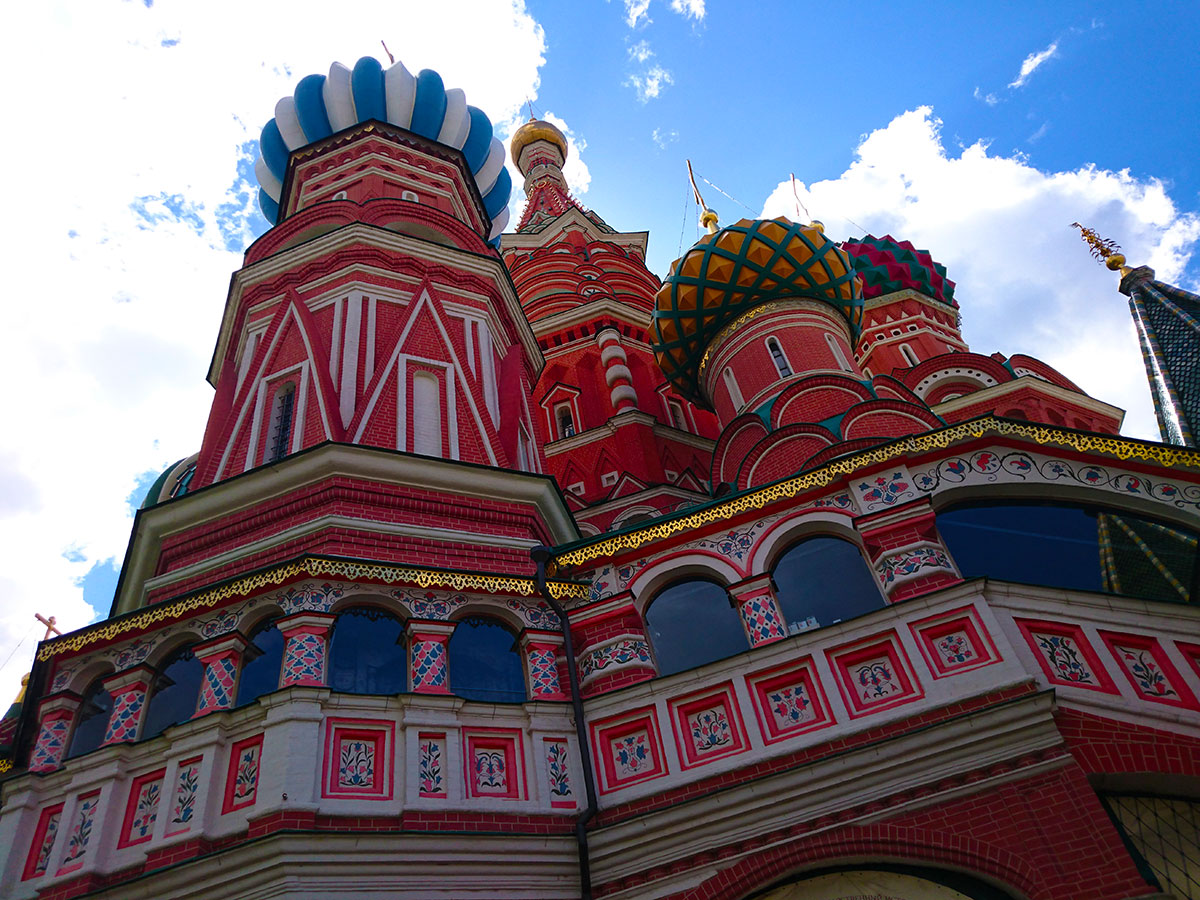
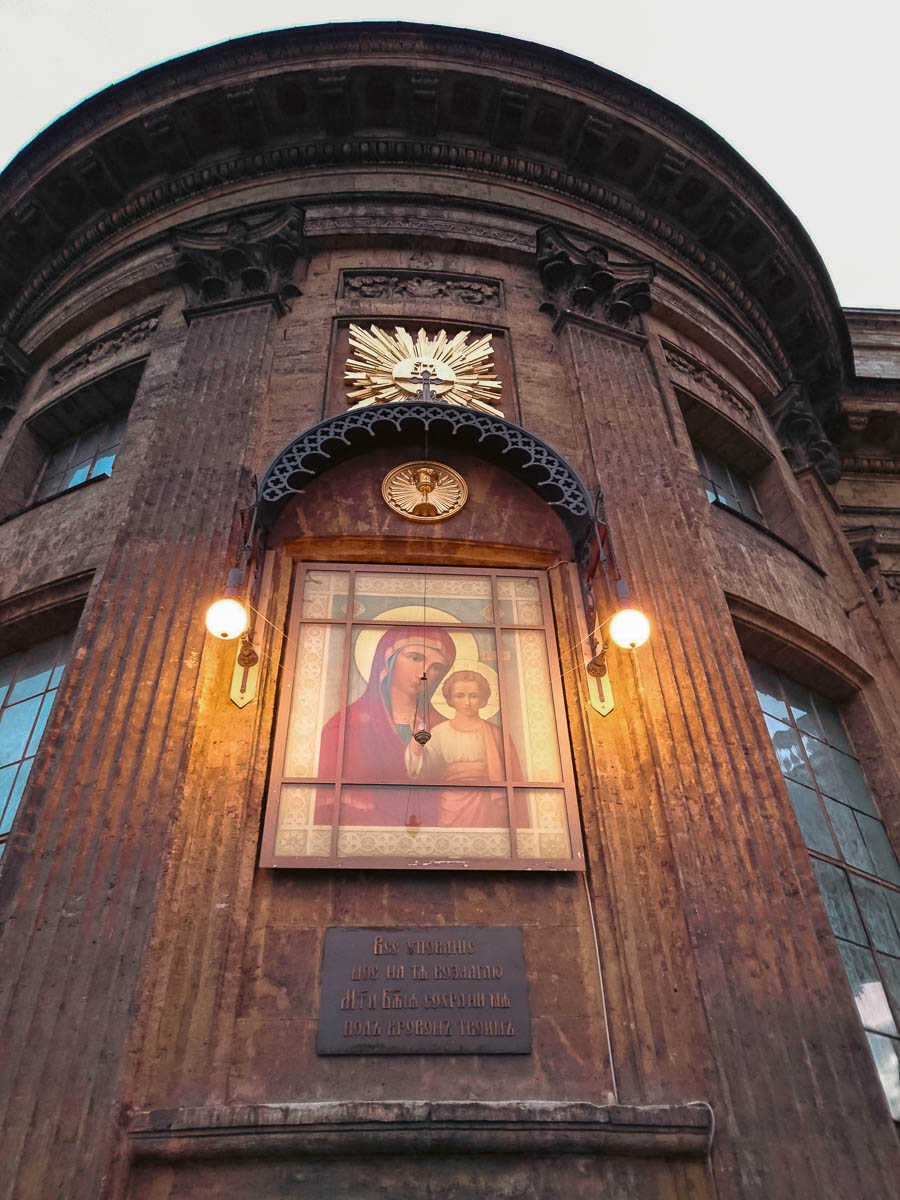
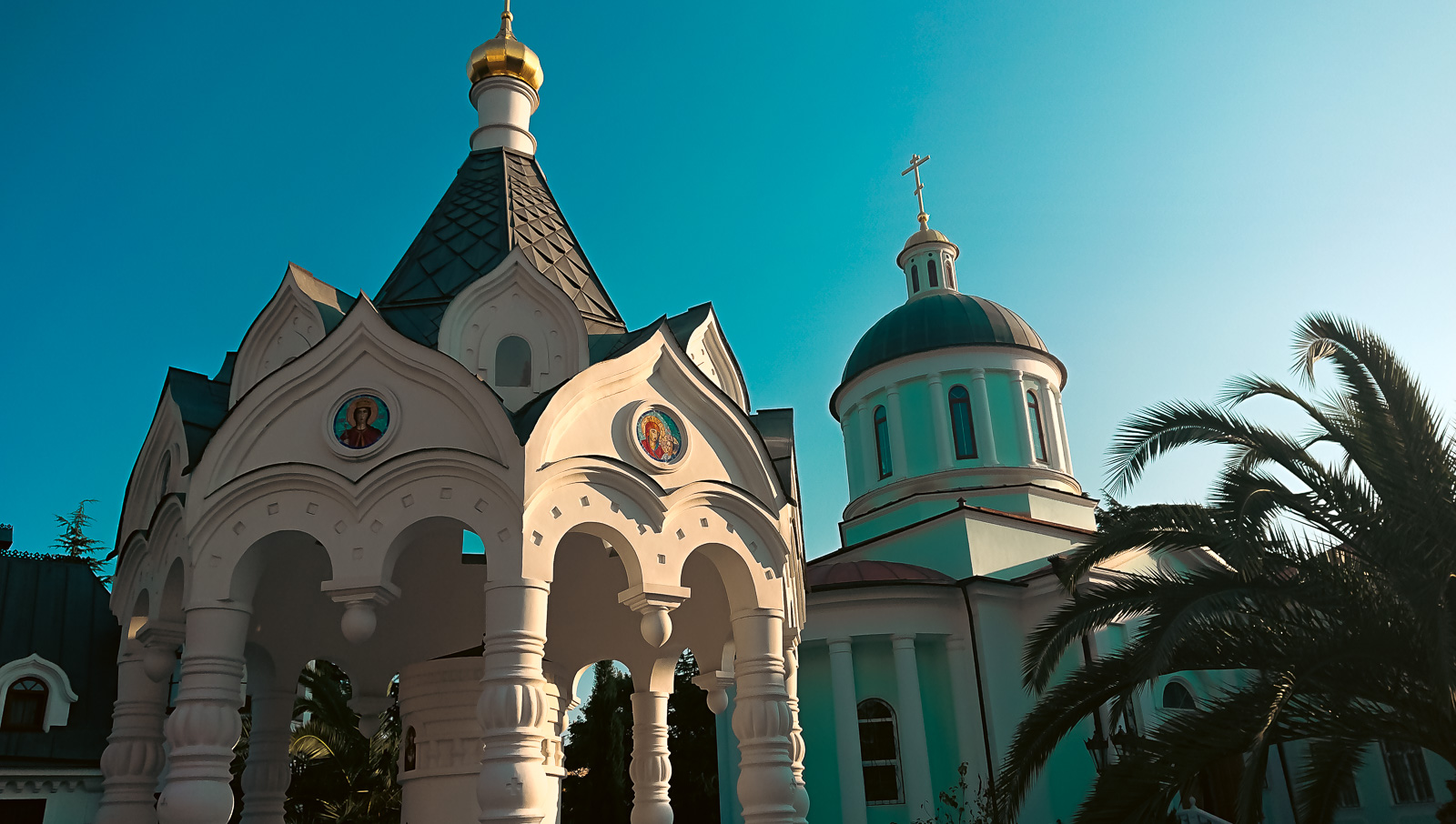
Cities of Russia so far
The Dacha Paradox
What separates wasting time from truly living?
What separates wasting time from truly living?
In modern cities, productivity reigns supreme. Yet, in the rustic embrace of a dacha, passing time is rarely wasted. Gardening may seem like labor to an outsider, but to the owner, it is pure leisure. Slow cooking might appear inefficient, yet it is the heartbeat of companionship. Hours lingering at a table might baffle a hurried traveler, but in true hospitality, it is the main event.
Recent 2026 studies underscore this: tending a garden, communing with nature, and gathering with family seamlessly blur the lines between labor, leisure, and love.
A quiet division emerges. Wasting time is aimless waiting and fruitless bureaucracy. Living is sharing bread, tending soil, drinking tea, deep conversation, and breathing in the wild. Russia is not merely a land of relentless toil, but a sanctuary for the art of unhurried existence.
Recent 2026 studies underscore this: tending a garden, communing with nature, and gathering with family seamlessly blur the lines between labor, leisure, and love.
A quiet division emerges. Wasting time is aimless waiting and fruitless bureaucracy. Living is sharing bread, tending soil, drinking tea, deep conversation, and breathing in the wild. Russia is not merely a land of relentless toil, but a sanctuary for the art of unhurried existence.
Enduring Russia
What still lives in Russia’s collective memory?
What still lives in Russia’s collective memory?
Perhaps Russia’s deepest collective memory is not a single legend, but the memory of survival.
World War II—known in Russia as the Great Patriotic War—remains one of the pillars of national memory. Over time, victory over Nazism became a national myth of strength, sacrifice, and the ability to endure suffering.
You can still see it in small things: flowers laid at memorials, a grandfather’s photograph in uniform, respect for veterans, Victory Day on May 9, and the quiet language of “we endured.”
For a traveler, this matters. In Russia, the war is not necessarily history in the past tense; it can still be part of a family’s identity.
Another enduring story is the feeling that Russia has always been surrounded by threats—from Napoleon to World War II and the Cold War. This does not describe every Russian. Yet in political memory, central power, security, and resistance to an outside enemy have often become intertwined.
Even official memory, however, is not the same everywhere; it is continually reshaped by local communities and their own memories.
World War II—known in Russia as the Great Patriotic War—remains one of the pillars of national memory. Over time, victory over Nazism became a national myth of strength, sacrifice, and the ability to endure suffering.
You can still see it in small things: flowers laid at memorials, a grandfather’s photograph in uniform, respect for veterans, Victory Day on May 9, and the quiet language of “we endured.”
For a traveler, this matters. In Russia, the war is not necessarily history in the past tense; it can still be part of a family’s identity.
Another enduring story is the feeling that Russia has always been surrounded by threats—from Napoleon to World War II and the Cold War. This does not describe every Russian. Yet in political memory, central power, security, and resistance to an outside enemy have often become intertwined.
Even official memory, however, is not the same everywhere; it is continually reshaped by local communities and their own memories.
Voices from the Unwritten East
Who are the forgotten voices behind Russia's imperial mask?
Who are the forgotten voices behind Russia's imperial mask?
Which hero escapes the official ledger? Not a czar, nor a general. It is Avdotya Ryazanochka, a woman who defied the Mongol khans not with armies, but with sheer tenacity, walking into enemy lands to free her captive kin. Her epic, performed traditionally by women, is a quiet subversion whispered in verse.
Push further east, and we meet a more profound ghost: the Olonkho storytellers of Yakutia. Their oral sagas, sprawling up to fifteen thousand lines, still animate the Sakha republic, conjuring spirits and warrior-gods from the Siberian mist. This ancient Turkic tradition, alive today, is Russia’s most overlooked continent.
Together, they correct the imperial map. While the Kremlin chronicles power, these voices chronicle endurance—a reminder that the country's true soul is not solely European, but a wild, polyglot hymn to the vast, untamed east.
Push further east, and we meet a more profound ghost: the Olonkho storytellers of Yakutia. Their oral sagas, sprawling up to fifteen thousand lines, still animate the Sakha republic, conjuring spirits and warrior-gods from the Siberian mist. This ancient Turkic tradition, alive today, is Russia’s most overlooked continent.
Together, they correct the imperial map. While the Kremlin chronicles power, these voices chronicle endurance—a reminder that the country's true soul is not solely European, but a wild, polyglot hymn to the vast, untamed east.
For Russia, five works are enough.
Crime and Punishment — Dostoevsky. If St Petersburg is your destination, this is almost essential. The city is not merely a backdrop; its narrow streets, canals, bridges and cramped rooms become part of the story’s psychology.
The Master and Margarita — Bulgakov. For Moscow: a city of satire, bureaucracy, faith, devils, intellectuals, communal apartments and Soviet life.
Anna Karenina — Tolstoy. A Russia suspended between city and countryside, aristocracy and agriculture, modernity and tradition.
Stalker — Tarkovsky. For me, the most important film. Not to see its locations, but to feel the Russian rhythm of space. After Stalker, you see Russia a little more slowly.
Roadside Picnic — the Strugatsky brothers. The novel behind Stalker, and a sharp introduction to a Soviet distrust of grand promises: science, progress, government, utopia—even our own desires.
Crime and Punishment — Dostoevsky. If St Petersburg is your destination, this is almost essential. The city is not merely a backdrop; its narrow streets, canals, bridges and cramped rooms become part of the story’s psychology.
The Master and Margarita — Bulgakov. For Moscow: a city of satire, bureaucracy, faith, devils, intellectuals, communal apartments and Soviet life.
Anna Karenina — Tolstoy. A Russia suspended between city and countryside, aristocracy and agriculture, modernity and tradition.
Stalker — Tarkovsky. For me, the most important film. Not to see its locations, but to feel the Russian rhythm of space. After Stalker, you see Russia a little more slowly.
Roadside Picnic — the Strugatsky brothers. The novel behind Stalker, and a sharp introduction to a Soviet distrust of grand promises: science, progress, government, utopia—even our own desires.
Before Russia
What should I experience before traveling to Russia?
What should I experience before traveling to Russia?
The Geography of Silence
What silent history shapes Russia’s remote towns?
What silent history shapes Russia’s remote towns?
To read Russia’s hidden layers, one must map the quiet geography of the Gulag. It was never merely an archipelago of prisons, but a vast, invisible lattice of forced labor, mines, railways, and remote settlements.
Towns like Magadan, Perm, and the Solovetsky Islands defy ordinary logic. As research reveals, these are not just dots on a map, but living archives of memory. Solovetsky, for instance, wears a dual face: a serene religious retreat for the modern traveler, and a profound monument to Soviet repression.
When wandering these outskirts, a traveler might wonder: Why does this road exist? Why this settlement in the middle of nowhere? The answer rarely lies in nature alone. To truly read the Russian landscape, one must also read the geography of repression.
Towns like Magadan, Perm, and the Solovetsky Islands defy ordinary logic. As research reveals, these are not just dots on a map, but living archives of memory. Solovetsky, for instance, wears a dual face: a serene religious retreat for the modern traveler, and a profound monument to Soviet repression.
When wandering these outskirts, a traveler might wonder: Why does this road exist? Why this settlement in the middle of nowhere? The answer rarely lies in nature alone. To truly read the Russian landscape, one must also read the geography of repression.
The Empire's Two Hearts
What foundational myth does Russia believe about itself that it simultaneously contradicts?
What foundational myth does Russia believe about itself that it simultaneously contradicts?
There is a quiet myth Russia tells itself, one that outsiders often miss. It is not about geography, though the maps are vast. It whispers that to be truly Russia, the nation must be great—in power, in suffering, in cultural depth, in the sheer capacity to endure what would crush others. This conviction is woven into the national memory: into the weight of its literature, the scars of its wars, the ghost of its imperial past.
Yet, paradoxically, this grand self-narrative lives side by side with its opposite—a quieter, more intimate truth: that the gritty, unglamorous reality of daily life has always been a world apart from the epic story told in the halls of power. A young generation, born after the Soviet collapse, can feel a flicker of nostalgia for that vanished empire while simultaneously holding a more complex, sometimes fractured view of the Russia they actually inhabit.
So Russia, it seems, does not believe in one story. It believes in several, often contradictory, all at once. It is a nation walking a psychological tightrope between its monumental self-image and the modest, messy, persistent hum of its everyday existence. Understanding this duality—the endless conversation between the myth and the mundane—is perhaps the truest key to its elusive soul.
Yet, paradoxically, this grand self-narrative lives side by side with its opposite—a quieter, more intimate truth: that the gritty, unglamorous reality of daily life has always been a world apart from the epic story told in the halls of power. A young generation, born after the Soviet collapse, can feel a flicker of nostalgia for that vanished empire while simultaneously holding a more complex, sometimes fractured view of the Russia they actually inhabit.
So Russia, it seems, does not believe in one story. It believes in several, often contradictory, all at once. It is a nation walking a psychological tightrope between its monumental self-image and the modest, messy, persistent hum of its everyday existence. Understanding this duality—the endless conversation between the myth and the mundane—is perhaps the truest key to its elusive soul.
Our Stories from Russia
-
Is Sustainable Tourism Only for Backpackers?
-
What Does a Carbon Footprint Mean? (A Morning Coffee Story)
-
An Introduction to Sustainable Travel
-
The Instagram picture and the fragile truth behind it
-
24 Easy and Quick Tips for Stunning Travel Portraits
-
The Art of Enough: Finding Joy in Simple Photography
-
Explore Magnificent Photographs: 20 Handpicked Online Galleries
-
Beyond Stereotypes: Unveiling the Enchantment of Iran
-
Sunken courtyards of Kashan
The Architecture of a Whisper
What does a nation’s laughter reveal about its survival?
What does a nation’s laughter reveal about its survival?
To truly read Russia, one must first understand the anekdot. It is rarely a mere joke in the Western sense, but a compact, subversive parable—political, social, or delightfully absurd.
During the Soviet era, the anekdot became a shadow broadcast. When state media proclaimed one reality, the people whispered another. It was a parallel history, a quiet rebellion where humor exposed the vast chasm between official slogans and daily life. To tell a political joke under Stalin was to risk everything; yet, this linguistic resistance endured.
The classic structure is simple: Power declares X. Reality whispers Y. And everyone knows the two shall never meet.
Thus, Russian laughter is rarely carefree. It is a knowing, collective exhale: We all know the truth, so we might as well laugh at it.
But beneath the punchline lies a deeper vulnerability. Russians do not merely mock the authorities; they laugh at their own powerlessness. They jest about endless queues, bureaucratic labyrinths, shortages, and the sheer absurdity of their own endurance.
The Russian anekdot is not just anti-government satire. It is a bitter, beautiful act of self-recognition.
During the Soviet era, the anekdot became a shadow broadcast. When state media proclaimed one reality, the people whispered another. It was a parallel history, a quiet rebellion where humor exposed the vast chasm between official slogans and daily life. To tell a political joke under Stalin was to risk everything; yet, this linguistic resistance endured.
The classic structure is simple: Power declares X. Reality whispers Y. And everyone knows the two shall never meet.
Thus, Russian laughter is rarely carefree. It is a knowing, collective exhale: We all know the truth, so we might as well laugh at it.
But beneath the punchline lies a deeper vulnerability. Russians do not merely mock the authorities; they laugh at their own powerlessness. They jest about endless queues, bureaucratic labyrinths, shortages, and the sheer absurdity of their own endurance.
The Russian anekdot is not just anti-government satire. It is a bitter, beautiful act of self-recognition.
Beyond Red Square
Which famous attraction is overrated, and which hidden place is worth the journey?
Which famous attraction is overrated, and which hidden place is worth the journey?
First, one correction: Red Square is worth it. Red Square and the Kremlin are not simply tourist traps; they are the historic heart of Moscow and among Russia’s most important architectural and political landmarks.
The problem begins when we reduce Russia to this single frame.
If I had to choose one alternative, I would trade an extra day in central Moscow for Kolomna—a historic town southeast of the capital, with its own Kremlin, old streets, local food, crafts, and a quieter rhythm of life.
Moscow’s Kremlin is the Russia that wants to be seen.
Kolomna is the Russia that is still being lived.
The problem begins when we reduce Russia to this single frame.
If I had to choose one alternative, I would trade an extra day in central Moscow for Kolomna—a historic town southeast of the capital, with its own Kremlin, old streets, local food, crafts, and a quieter rhythm of life.
Moscow’s Kremlin is the Russia that wants to be seen.
Kolomna is the Russia that is still being lived.
The Unframed North
Where does Russia still belong only to itself?
Where does Russia still belong only to itself?
Ask any traveler for a snapshot of Russia, and they will likely offer you the gilded spires of the Kremlin or the pastel facades of St. Petersburg. These are the official portraits, carefully composed for the postcard rack. But if you ask a Muscovite where they disappear to when they truly want to escape, a different name surfaces, often whispered with a knowing smile: Karelia.
Here, the map is not written in steel and stone, but in water and wood. Vast, mirror-like lakes are rimmed by dense, silent forests, and scattered among them are villages where log cabins huddle as they have for centuries, their onion domes carved not from brick, but from the same taiga that surrounds them. This is the Russia that doesn't pose for the tourist, a borderland of Finnish and Slavic echoes, where the air smells of pine and wet earth, and the only grand narrative is the slow, patient cycle of the seasons.
Take the island of Kizhi, floating on Lake Onega. Its famous wooden churches are not merely a museum piece; they are a testament to a forgotten architectural poetry, a dialogue between human hands and the raw, demanding landscape. But the true secret of Karelia is this: while the destination is sacred, the journey itself is the point—a slow immersion into a vast, quiet soul that international tourism has not yet managed to frame.
Here, the map is not written in steel and stone, but in water and wood. Vast, mirror-like lakes are rimmed by dense, silent forests, and scattered among them are villages where log cabins huddle as they have for centuries, their onion domes carved not from brick, but from the same taiga that surrounds them. This is the Russia that doesn't pose for the tourist, a borderland of Finnish and Slavic echoes, where the air smells of pine and wet earth, and the only grand narrative is the slow, patient cycle of the seasons.
Take the island of Kizhi, floating on Lake Onega. Its famous wooden churches are not merely a museum piece; they are a testament to a forgotten architectural poetry, a dialogue between human hands and the raw, demanding landscape. But the true secret of Karelia is this: while the destination is sacred, the journey itself is the point—a slow immersion into a vast, quiet soul that international tourism has not yet managed to frame.
The Road as Revelation
When does the journey eclipse the destination?
When does the journey eclipse the destination?
If I must choose a single road, it is the Chuysky Trakt. Winding from Biysk through the Altai Republic to the Mongolian border, it is less a highway than a geographic cross-section of the soul. Through my lens, I watch the European veneer of Russia dissolve into raw, golden valleys and high mountain passes. It is a visual pilgrimage from the Siberian taiga to the whisper of Central Asian steppes, culminating in a UNESCO-protected wilderness where the earth itself feels ancient.
Yet, if the Chuysky Trakt is Russia’s rugged spine, the Circum-Baikal Railway is its quiet, rhythmic heartbeat. Stretching 83 kilometers along the southern shore of Lake Baikal, this early twentieth-century marvel is now a five-day walking meditation. Here, you trace the edge of the world’s deepest lake, passing historic viaducts where the water perfectly mirrors the sky.
In both places, the map is not merely a guide; it is the revelation. The journey is the destination.
Yet, if the Chuysky Trakt is Russia’s rugged spine, the Circum-Baikal Railway is its quiet, rhythmic heartbeat. Stretching 83 kilometers along the southern shore of Lake Baikal, this early twentieth-century marvel is now a five-day walking meditation. Here, you trace the edge of the world’s deepest lake, passing historic viaducts where the water perfectly mirrors the sky.
In both places, the map is not merely a guide; it is the revelation. The journey is the destination.
The Other Russia
Where is Russia’s unofficial capital?
Where is Russia’s unofficial capital?
There are several good answers.
Suzdal — the capital of old Russia. If Moscow is Russia’s political capital, Suzdal might be its capital of historical imagination. Small in size but rich in churches, monasteries, wooden houses, and pastoral landscapes, it feels less like a city to visit than a place to slow down.
For me, that is the point: Suzdal should not simply be seen; it should be lingered in.
Derbent — the capital of Caspian Russia. I would choose Derbent as the unofficial capital of Russia’s Caspian world. Wedged between the Caucasus Mountains and the Caspian Sea, it has been a crossroads between north and south for nearly two thousand years.
Walk into its old lanes and Russia suddenly becomes something larger: Persian, Islamic, Caucasian, and Caspian all at once.
Suzdal — the capital of old Russia. If Moscow is Russia’s political capital, Suzdal might be its capital of historical imagination. Small in size but rich in churches, monasteries, wooden houses, and pastoral landscapes, it feels less like a city to visit than a place to slow down.
For me, that is the point: Suzdal should not simply be seen; it should be lingered in.
Derbent — the capital of Caspian Russia. I would choose Derbent as the unofficial capital of Russia’s Caspian world. Wedged between the Caucasus Mountains and the Caspian Sea, it has been a crossroads between north and south for nearly two thousand years.
Walk into its old lanes and Russia suddenly becomes something larger: Persian, Islamic, Caucasian, and Caspian all at once.
The Off-Hour Geography
When does Russia reveal its most authentic, unguarded self?
When does Russia reveal its most authentic, unguarded self?
If we see Baikal only in summer, we have missed its truest self. Winter transforms it into another planet entirely—a vast, frozen mirror where the ice cracks in electric blue veins and trapped methane bubbles hang beneath the surface like frozen galaxies. It is not merely beautiful; it is otherworldly, a landscape that seems to belong more to the moon than to any earthly map.
But there is a quieter magic closer to the old capitals. Suzdal in the morning mist, just before the tour buses grind into motion, is the Russia that postcards cannot capture. The fog drifts lazily over the river, softening the golden domes and the weathered wooden houses, making the town feel less like a museum piece and more like a living settlement that has simply refused to leave its own history. In that half-light, the architecture seems to breathe.
The lesson, perhaps, is one of timing. Official Russia is a creation of sunlight and clear skies. But the soul of the country—the one that lingers in memory—prefers the uncertainty of dawn, the brutality of a frozen lake, and the transformative power of weather that refuses to cooperate with the itinerary.
But there is a quieter magic closer to the old capitals. Suzdal in the morning mist, just before the tour buses grind into motion, is the Russia that postcards cannot capture. The fog drifts lazily over the river, softening the golden domes and the weathered wooden houses, making the town feel less like a museum piece and more like a living settlement that has simply refused to leave its own history. In that half-light, the architecture seems to breathe.
The lesson, perhaps, is one of timing. Official Russia is a creation of sunlight and clear skies. But the soul of the country—the one that lingers in memory—prefers the uncertainty of dawn, the brutality of a frozen lake, and the transformative power of weather that refuses to cooperate with the itinerary.
The Invisible Borders
Where does one Russia end and another begin?
To discover where one Russia fades and another emerges, you must cross its invisible internal borders.
First, the Urals. Leaving Yekaterinburg for the east, the shift is subtle—more geological than cultural—as the familiar European veneer yields to the vast, breathing expanse of Siberia.
But the true metamorphosis happens on the road from Irkutsk to Ulan-Ude. Through my lens, I watch Slavic Russia quietly dissolve into the Buryat and Asian world. The scent of incense replaces Orthodox candles; faces and architecture shift, revealing a deeply Buddhist soul that feels entirely removed from Moscow.
Southward, the journey from Makhachkala to Derbent offers a dramatic crescendo. Coastal plains rise into rugged mountains, unveiling a Caspian culture steeped in Islamic heritage. Derbent is a rare palimpsest where ancient fortress walls cascade seamlessly from the sea to the peaks.
Finally, for a European shift without traveling far, there is Vyborg. Nestled near the Finnish border, it wears a triad of Swedish, Finnish, and Russian heritage. From its medieval castle to Alvar Aalto’s library, it even boasts its own "Red Square"—a quiet, Nordic echo, entirely distinct from Moscow’s thunder.
In Russia, the map is never just a guide; it is a series of quiet revelations.
First, the Urals. Leaving Yekaterinburg for the east, the shift is subtle—more geological than cultural—as the familiar European veneer yields to the vast, breathing expanse of Siberia.
But the true metamorphosis happens on the road from Irkutsk to Ulan-Ude. Through my lens, I watch Slavic Russia quietly dissolve into the Buryat and Asian world. The scent of incense replaces Orthodox candles; faces and architecture shift, revealing a deeply Buddhist soul that feels entirely removed from Moscow.
Southward, the journey from Makhachkala to Derbent offers a dramatic crescendo. Coastal plains rise into rugged mountains, unveiling a Caspian culture steeped in Islamic heritage. Derbent is a rare palimpsest where ancient fortress walls cascade seamlessly from the sea to the peaks.
Finally, for a European shift without traveling far, there is Vyborg. Nestled near the Finnish border, it wears a triad of Swedish, Finnish, and Russian heritage. From its medieval castle to Alvar Aalto’s library, it even boasts its own "Red Square"—a quiet, Nordic echo, entirely distinct from Moscow’s thunder.
In Russia, the map is never just a guide; it is a series of quiet revelations.
Russia on the Table
What food or drink reveals a particular climate or social world?
What food or drink reveals a particular climate or social world?
In Karelia, kalitki tastes like the North: small rye pastries filled with potatoes, grains, rice, or cheese. Simple ingredients, shaped by a cold climate. It is not really a tourist dish. It belongs at breakfast, beside soup, or with tea and coffee. You understand its taste better in Karelia than on a Moscow menu.
In Tatarstan, chak-chak tells another story. Fried dough bound with honey, it is woven into weddings, celebrations, and hospitality. It is not simply Russian; it is Tatar, living within Russia.
In Buryatia, buuz shifts the table eastward—steamed meat dumplings rooted in Buryat and Inner Asian traditions. Traveling from Irkutsk toward Ulan-Ude, you can almost taste the geography changing.
And then there is tea. With the rise of the samovar, tea became more than a drink: a social technology for bringing people together. Before it, drinks such as sbiten and kvass held their own place.
If you think Russia’s national drink is only vodka, you are missing half the story.
Russia is also understood through a cup of tea.
In Tatarstan, chak-chak tells another story. Fried dough bound with honey, it is woven into weddings, celebrations, and hospitality. It is not simply Russian; it is Tatar, living within Russia.
In Buryatia, buuz shifts the table eastward—steamed meat dumplings rooted in Buryat and Inner Asian traditions. Traveling from Irkutsk toward Ulan-Ude, you can almost taste the geography changing.
And then there is tea. With the rise of the samovar, tea became more than a drink: a social technology for bringing people together. Before it, drinks such as sbiten and kvass held their own place.
If you think Russia’s national drink is only vodka, you are missing half the story.
Russia is also understood through a cup of tea.
The Bite Beyond the Souvenir
When does local food reveal its true cultural meaning?
When does local food reveal its true cultural meaning?
The souvenir shops in Kazan display it in neat, cellophane packages—golden nuggets of fried dough, drenched in honey, stacked like sugary ingots. They call it chak-chak, a local sweet to be sampled and bought. But to eat it from a package is to miss the point entirely. Its true flavor emerges not on a shop counter, but at a Tatar wedding, where it arrives as part of a ritual, passed around during celebrations, sticky and shared, a symbol of union and community. In that context, it ceases to be a confection and becomes a conversation.
The same quiet distinction applies to the Karelian kalitki, those open-faced rye pastries. You can order them in a tourist restaurant as a regional curiosity. But in a Karelian home, they appear beside soup or with tea, their filling shifting with the season—potato, millet, or berries. They are not a performance of tradition; they are simply what is eaten, unselfconsciously and with purpose.
The lesson is subtle, yet profound. Real food, the kind that tells you something honest about a place, cannot be tasted on demand. You must arrive at the right moment, in the right company, and let the meal happen naturally—not as a spectacle, but as life itself, unfolding around a table.
The same quiet distinction applies to the Karelian kalitki, those open-faced rye pastries. You can order them in a tourist restaurant as a regional curiosity. But in a Karelian home, they appear beside soup or with tea, their filling shifting with the season—potato, millet, or berries. They are not a performance of tradition; they are simply what is eaten, unselfconsciously and with purpose.
The lesson is subtle, yet profound. Real food, the kind that tells you something honest about a place, cannot be tasted on demand. You must arrive at the right moment, in the right company, and let the meal happen naturally—not as a spectacle, but as life itself, unfolding around a table.
The Soul of the Craft
What separates a living tradition from a manufactured souvenir?
What separates a living tradition from a manufactured souvenir?
To navigate Russia’s artisanal landscape, one must distinguish between a living craft and its commercialized ghost.
In Tatarstan, the valenki (felt boots) of Kukmor still breathe. Born in 19th-century family workshops, they have evolved from harsh winter survival gear into contemporary, functional art. Similarly, in Kazan, the intricate Tatar leather mosaic remains a traveler’s most profound souvenir—stitched not just for beauty, but for enduring utility.
Further along, the Palekh miniature offers a masterclass in adaptation, transforming historic icon painting into delicate lacquer boxes. Even Khokhloma, with its striking red, gold, and black wooden vessels, is not mere kitsch, but the enduring echo of a historic rural production system.
Yet, what truly faces the quiet threat of oblivion is not the object itself, but the oral lineage—the master-apprentice whisper. True tradition rarely resides in the glossy city souvenir shop. It survives in the humble, dusty corners of a rural workshop, quietly waiting to be seen.
In Tatarstan, the valenki (felt boots) of Kukmor still breathe. Born in 19th-century family workshops, they have evolved from harsh winter survival gear into contemporary, functional art. Similarly, in Kazan, the intricate Tatar leather mosaic remains a traveler’s most profound souvenir—stitched not just for beauty, but for enduring utility.
Further along, the Palekh miniature offers a masterclass in adaptation, transforming historic icon painting into delicate lacquer boxes. Even Khokhloma, with its striking red, gold, and black wooden vessels, is not mere kitsch, but the enduring echo of a historic rural production system.
Yet, what truly faces the quiet threat of oblivion is not the object itself, but the oral lineage—the master-apprentice whisper. True tradition rarely resides in the glossy city souvenir shop. It survives in the humble, dusty corners of a rural workshop, quietly waiting to be seen.
Bringing Russia Home
Main question: What can I buy that keeps me connected to Russia after I leave?
Main question: What can I buy that keeps me connected to Russia after I leave?
I would not make a matryoshka my first choice.
If I could take home just one thing, I would choose a small, useful piece of regional craft—something that belongs to a particular place and becomes part of everyday life.
My first choice would be Tatar leather mosaic from Kazan: a small bag, cardholder, belt, or handmade accessory. Each time I use it, it brings a memory back to life, unlike an ornament that simply gathers dust on a shelf.
Second, perhaps, a small Palekh lacquer box—but only if I knew it was genuinely handmade and authentic. This is less a souvenir than a piece of art.
Third, I might choose a modest Khokhloma wooden object: a bowl, spoon, or small dish rather than something large and ornate. The craft itself grew from such everyday objects.
And if I reached Ulan-Ude, I would look for something genuinely Buryat, rather than merely something labelled “Siberian souvenir.” There is something special about carrying home a Russia that tourism brochures often overlook.
So what would I avoid? The plastic matryoshka from an airport shop. Not because the matryoshka is unimportant—it has become part of Russia’s material culture—but because a mass-produced, anonymous object tells me almost nothing about where it came from.
My simple rule is this: the less a souvenir can tell you where it was made, the less it tells you about the place.
Instead of buying “Russia,” I would bring home Karelia, Tatarstan, Buryatia, Altai, Dagestan—or somewhere specific.
If I could take home just one thing, I would choose a small, useful piece of regional craft—something that belongs to a particular place and becomes part of everyday life.
My first choice would be Tatar leather mosaic from Kazan: a small bag, cardholder, belt, or handmade accessory. Each time I use it, it brings a memory back to life, unlike an ornament that simply gathers dust on a shelf.
Second, perhaps, a small Palekh lacquer box—but only if I knew it was genuinely handmade and authentic. This is less a souvenir than a piece of art.
Third, I might choose a modest Khokhloma wooden object: a bowl, spoon, or small dish rather than something large and ornate. The craft itself grew from such everyday objects.
And if I reached Ulan-Ude, I would look for something genuinely Buryat, rather than merely something labelled “Siberian souvenir.” There is something special about carrying home a Russia that tourism brochures often overlook.
So what would I avoid? The plastic matryoshka from an airport shop. Not because the matryoshka is unimportant—it has become part of Russia’s material culture—but because a mass-produced, anonymous object tells me almost nothing about where it came from.
My simple rule is this: the less a souvenir can tell you where it was made, the less it tells you about the place.
Instead of buying “Russia,” I would bring home Karelia, Tatarstan, Buryatia, Altai, Dagestan—or somewhere specific.
The Dawn Beyond the Ring
Where is the "second Russia" hidden just beyond the capital's reach?
Where is the "second Russia" hidden just beyond the capital's reach?
If you have only a few days to escape Moscow, the obvious answer is also the truest one: Suzdal. Not because it's a secret—it's a well-trodden path on the Golden Ring—but because within a mere 200 kilometers, the rhythm of the country shifts completely. The skyscrapers and the ceaseless traffic dissolve, replaced by whitewashed churches, onion domes that catch the light like frozen prayer, and low wooden houses scattered across a gentle, agricultural landscape.
To see it properly, however, you must resist the day-trip itinerary. The tour buses arrive at noon and leave by dusk, treating the town like a museum diorama. But stay the night. Walk out at dawn, when the mist clings to the Kamenka River and the only sound is a distant rooster or a creaking gate. That is the moment when the difference becomes tangible: Moscow is Russia as power, a statement of ambition and scale. Suzdal is Russia as dwelling, a place where history is not displayed but simply inhabited.
If, however, you are seeking not just a change of pace but a cultural rupture—a true "second country"—then you must push further east to Kazan. But that is not a short trip from Moscow; it is a journey into a different world entirely, where the Tatar and Muslim presence confronts the Orthodox narrative head-on, and Russia no longer looks like the country you thought you knew.
To see it properly, however, you must resist the day-trip itinerary. The tour buses arrive at noon and leave by dusk, treating the town like a museum diorama. But stay the night. Walk out at dawn, when the mist clings to the Kamenka River and the only sound is a distant rooster or a creaking gate. That is the moment when the difference becomes tangible: Moscow is Russia as power, a statement of ambition and scale. Suzdal is Russia as dwelling, a place where history is not displayed but simply inhabited.
If, however, you are seeking not just a change of pace but a cultural rupture—a true "second country"—then you must push further east to Kazan. But that is not a short trip from Moscow; it is a journey into a different world entirely, where the Tatar and Muslim presence confronts the Orthodox narrative head-on, and Russia no longer looks like the country you thought you knew.
The Unwritten Map
Where does the landscape shatter the official narrative?
Where does the landscape shatter the official narrative?
If I must choose a place that defies the monolithic image of Russia—endless snow, birch forests, and Soviet concrete—it is the Altai Mountains. Here, the script flips. Through my lens, I see not a northern expanse, but a realm of soaring peaks, arid steppes, and the quiet rhythm of Central Asian life. Driving the Chuysky Trakt to the Mongolian border, the landscape peels back its European skin. The Chuyskaya Steppe, perched at 1,800 meters, is among the coldest and driest, yet it feels profoundly wild and untethered. Altai is not Russia’s periphery; it is the very threshold to Inner Asia.
And if an island is required, I turn to Kizhi on Lake Onega. It reveals a Russia entirely absent from the grand narratives of Moscow or St. Petersburg: a world of weathered wood, still waters, and intimate village life. These UNESCO-listed wooden churches were never mere monuments; they were the beating heart of rural existence. Wandering here, one senses the ancient, quiet blending of Slavic and Finno-Ugric souls, preserved in the local dialect and the grain of the timber.
And if an island is required, I turn to Kizhi on Lake Onega. It reveals a Russia entirely absent from the grand narratives of Moscow or St. Petersburg: a world of weathered wood, still waters, and intimate village life. These UNESCO-listed wooden churches were never mere monuments; they were the beating heart of rural existence. Wandering here, one senses the ancient, quiet blending of Slavic and Finno-Ugric souls, preserved in the local dialect and the grain of the timber.
Beyond the Tourist Map
Where does a subculture begin?
Where does a subculture begin?
If your aim is to understand Altai culture, villages matter more than big cities. Places like Ust-Koksa and the villages of the Uymon Valley are gateways into an Altai world of mountains, herding, rivers, local traditions, and landscapes where daily life still moves to nature’s rhythm.
But for a more defensible choice, I would pick Ulan-Ude. It is not a small town, yet it is the gateway to a distinct subculture: the Buryats. With its museums, cultural centers, and layered history, the city stands where Russia begins to feel unmistakably Asian.
A journey from Irkutsk to Ulan-Ude, then through Buryat villages to Baikal can take you, within days, from Slavic Russia into its Asian soul.
For an even deeper departure from the usual Russian story, go to Kyzyl, in Tuva. Its nomadic heritage, horses, wrestling, and throat singing create a Russia that feels almost Central Asian. The Naadym festival, rooted in the life of herders, follows their seasonal rhythm.
That, perhaps, is what travel should seek: not the tourist’s calendar, but the calendar of the people.
But for a more defensible choice, I would pick Ulan-Ude. It is not a small town, yet it is the gateway to a distinct subculture: the Buryats. With its museums, cultural centers, and layered history, the city stands where Russia begins to feel unmistakably Asian.
A journey from Irkutsk to Ulan-Ude, then through Buryat villages to Baikal can take you, within days, from Slavic Russia into its Asian soul.
For an even deeper departure from the usual Russian story, go to Kyzyl, in Tuva. Its nomadic heritage, horses, wrestling, and throat singing create a Russia that feels almost Central Asian. The Naadym festival, rooted in the life of herders, follows their seasonal rhythm.
That, perhaps, is what travel should seek: not the tourist’s calendar, but the calendar of the people.
The Paradise and the Pitfall
Who should cross the steppe, and who should stay at home?
Who should cross the steppe, and who should stay at home?
Russia is a paradise for the traveler who understands that distance is not an inconvenience but an essential ingredient. This is a country of immensity, where the journey itself—the endless click of train wheels, the hypnotic blur of birch forests—becomes the destination. It is a geographical obsession, a living atlas that offers tundra and steppe, volcanoes and taiga, the frozen depths of Baikal and the jagged peaks of the Caucasus.
It is also a paradise for those fascinated by cultural mosaics. The official narrative of Slavic Russia is merely the surface; beneath it lie the Turkic traditions of Tatarstan, the Buddhist temples of Buryatia, the shamanic echoes of Tuva, the ancient Finno-Ugric whispers of Karelia. To travel here is to encounter not one culture, but many, coexisting in a vast, sometimes tense, always fascinating federation. The Chuysky Trakt, the old road winding through the Altai mountains toward Mongolia, epitomizes this: a path where the landscape itself seems to shift continents.
For whom, then, is it a profound mistake? For the seeker of frictionless ease, the traveller who expects seamless logistics and comfortable predictability. Russia can be stubborn, inefficient, and wilfully opaque. It is a place that demands patience, and punishes haste. For the one who wants only the polite, familiar postcard of European charm—the cafe and the museum—Moscow and St. Petersburg may suffice, but the country beyond will feel like an unwelcome interruption. And for those unwilling to sit with discomfort, to embrace the sudden silence of a snowbound village, Russia will remain a closed book. It does not perform its soul for the casual visitor; it waits, instead, for the traveller willing to risk the cold.
It is also a paradise for those fascinated by cultural mosaics. The official narrative of Slavic Russia is merely the surface; beneath it lie the Turkic traditions of Tatarstan, the Buddhist temples of Buryatia, the shamanic echoes of Tuva, the ancient Finno-Ugric whispers of Karelia. To travel here is to encounter not one culture, but many, coexisting in a vast, sometimes tense, always fascinating federation. The Chuysky Trakt, the old road winding through the Altai mountains toward Mongolia, epitomizes this: a path where the landscape itself seems to shift continents.
For whom, then, is it a profound mistake? For the seeker of frictionless ease, the traveller who expects seamless logistics and comfortable predictability. Russia can be stubborn, inefficient, and wilfully opaque. It is a place that demands patience, and punishes haste. For the one who wants only the polite, familiar postcard of European charm—the cafe and the museum—Moscow and St. Petersburg may suffice, but the country beyond will feel like an unwelcome interruption. And for those unwilling to sit with discomfort, to embrace the sudden silence of a snowbound village, Russia will remain a closed book. It does not perform its soul for the casual visitor; it waits, instead, for the traveller willing to risk the cold.
The Rhythm of the Soil
What dictates a people's true calendar?
What dictates a people's true calendar?
If I must choose a single event that ignores the tourist timetable to beat to the true pulse of the land, it is Sabantuy. In Tatarstan, this festival marks the end of the spring sowing. Its rhythm is dictated not by travel brochures, but by the soil. While grand spectacles unfold in Kazan, I always seek out the village squares. There, amid the dust and the traditional Koresh wrestling, the air hums with a profound respect for labor. It is less a cultural program than life itself, breathing.
For a winter awakening, I look to Sagaalgan in Buryatia. Anchored to the lunar new year, it is a quiet symphony of honoring elders, family reunions, and the steaming comfort of the Buuzyn Bayar dumpling festival.
To truly understand this duality, one must cross a singular internal border: the road from Irkutsk to Ulan-Ude. Irkutsk whispers of Slavic exiles and wooden Siberian lace. Yet, just across the shimmering expanse of Lake Baikal, Ulan-Ude reveals a world of Buddhist stupas, Mongolian echoes, and nomadic grace. It is a brief journey, yet it offers the most pristine cultural cross-section of the Russian soul.
For a winter awakening, I look to Sagaalgan in Buryatia. Anchored to the lunar new year, it is a quiet symphony of honoring elders, family reunions, and the steaming comfort of the Buuzyn Bayar dumpling festival.
To truly understand this duality, one must cross a singular internal border: the road from Irkutsk to Ulan-Ude. Irkutsk whispers of Slavic exiles and wooden Siberian lace. Yet, just across the shimmering expanse of Lake Baikal, Ulan-Ude reveals a world of Buddhist stupas, Mongolian echoes, and nomadic grace. It is a brief journey, yet it offers the most pristine cultural cross-section of the Russian soul.
The Sound of Russia
Lost in the Desert Sky
Keyhan Kalhor
Flower’s Reward
Mehran Mobini
Konj-e-Kharabat
Gholam Hossein Fathi
Keep Roaming
Contact@roamandrecord.com
We are waiting for your kind messages