

















The Evolution of Tourism Thinking
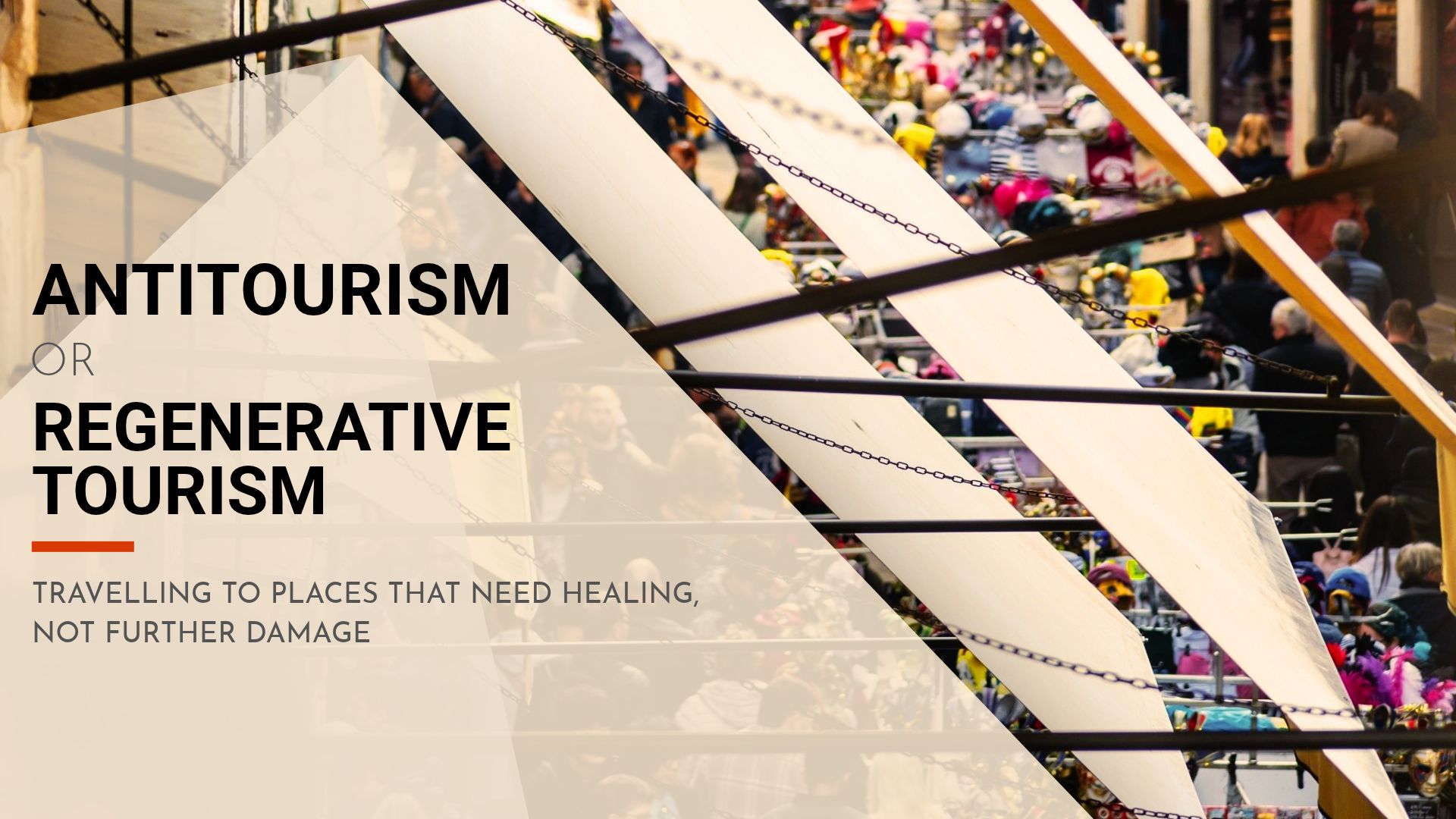
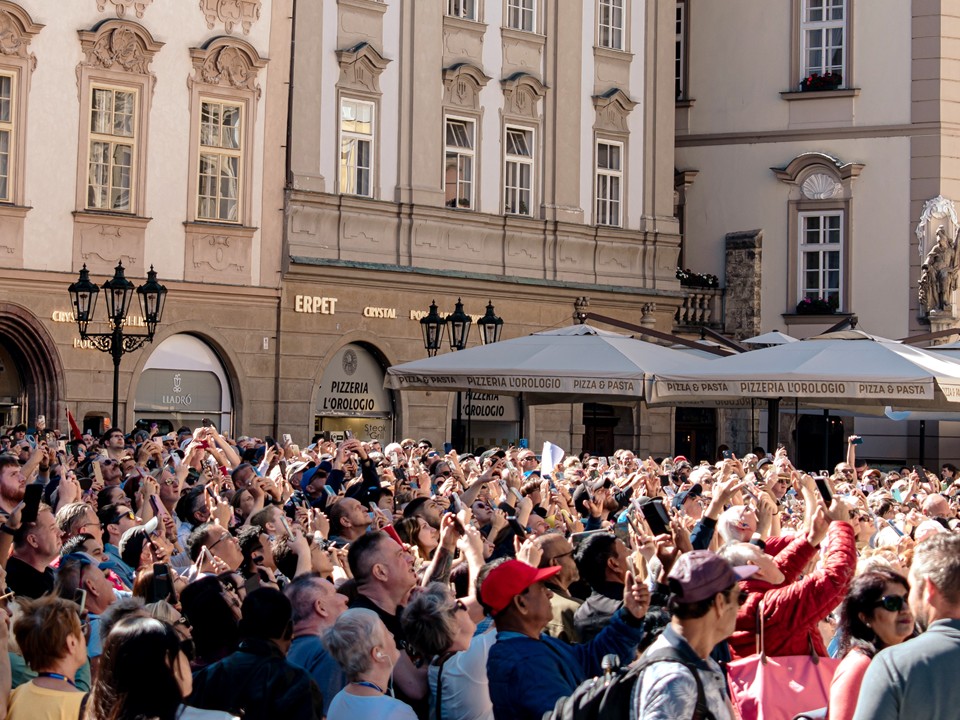
Picture a black-and-white photograph of Rome in the 1970s. Tourists are packed together at the foot of the Spanish Steps, probably stopping every now and then to smile for the camera. This image captures the traditional idea of tourism success: the more tourists a destination attracts, the more successful it is considered. But the consequences of this approach gradually became impossible to ignore: overcrowding, rising housing prices, environmental damage, and a declining quality of life for local residents. Venice and Barcelona are perhaps two of the clearest examples of the negative effects of overtourism.
In traditional tourism, a destination was treated like a product, and the more of it people consumed, the greater the economic growth. But this way of thinking gradually began to change. In the 1990s, the concept of Responsible Tourism emerged, focusing on reducing harm, respecting the cultures of host communities, and making more conscious choices as travellers.
The next step was the emergence of Sustainable Tourism, an approach that seeks to balance tourism's three key dimensions: environmental, economic, and social. It also takes into account the needs and interests of future generations.
Yet it was becoming clear that simply reducing the damage was no longer enough. The wounds inflicted on many tourist destinations ran too deep to be healed by damage control alone. This growing need paved the way for a new paradigm: Regenerative Tourism. Rather than simply trying to minimise the negative impacts of travel, it aims to repair, restore, and improve the places we visit.
Why Isn't Reducing Harm Enough?
Sustainable tourism is about preventing further damage and protecting the resources we still have. Regenerative tourism, however, goes a step further. Its aim is to restore what has already been damaged and strengthen the health and resilience of a destination. And this raises an important question: Can our travels leave a place better than we found it?
On one of your trips to Iran, I'd like to invite you to take a detour along the Dohezar Road in Mazandaran Province. In some stretches, the amount of rubbish scattered along the roadside is so overwhelming that, for a moment, you might wonder whether you've somehow ended up at a rubbish dump rather than on a scenic tourist route!
Of course, the problem goes far beyond this particular road, or even Iran. According to global estimates, around one million plant and animal species are at risk of extinction. Meanwhile, approximately 75% of land-based ecosystems and 66% of marine environments have been significantly altered by human activity. On top of all this, climate change is putting even greater pressure on ecosystems and making tourist destinations increasingly vulnerable.
Given these circumstances, simply behaving responsibly no longer seems to be enough. Perhaps it's time to ask ourselves a different question: How can we play a part in making a destination better, rather than simply trying to leave a smaller negative footprint behind?
A Destination as a Living System

I was standing in Piazzale Michelangelo in Florence, looking out over the city. Behind me stretched the green hills of Tuscany, many of them covered in vineyards whose grapes would eventually find their way into bottles of wine.
I found myself thinking about the people who, each caught up in the noise and rush of everyday life, were trying to make a living within the city's ancient walls. An economy so deeply intertwined with tourism that the line between guest and host had become increasingly blurred.
In the distance, the Cathedral of Santa Maria del Fiore stood out against the skyline. Rows of almost identical terracotta rooftops spread across the city like an orange carpet. My eyes instinctively searched for Bar Pasticceria Piccioli, a restaurant and pastry shop I'd visited the night before. I'd had one of the best steaks of my life there, accompanied by a glass of Tuscan wine recommended by the waiter.
At the same time, I was thinking about the people who had lived in this very city centuries ago, in a completely different era, each of them trying, just like us, to make ends meet.
A destination is a living system: a network of interconnected elements that includes nature, people, the economy, culture, language, food, architecture, historical memory, and biodiversity. Damage to any one of these elements can threaten the health of the entire system, disrupting its natural balance and functioning.
These walls, landscapes, and architectural treasures aren't simply products for us tourists to consume. This is home, a living environment shared by people and countless other species. A place we visit for a few days is someone else's entire life.
To better understand this idea, I'd like to introduce you to a few concepts from sustainable tourism.
The first is Biocapacity: the ability of an ecosystem to provide the resources we need, absorb waste, and withstand external pressures without losing its natural functions.
Another important concept is Tourism Carrying Capacity. This refers to the maximum level of visitors a destination can accommodate without causing unacceptable damage to the environment, the local community, or the quality of the visitor experience. It has several dimensions, including physical, ecological, social, cultural, and managerial capacity.
To make this a little clearer, let's look at a place I've experienced firsthand: the Rialto Bridge in Venice.
According to some estimates, to maintain acceptable conditions and avoid putting excessive pressure on the environment, local businesses, and residents' daily lives, the number of people crossing the bridge each day should not exceed around 5,000. In reality, however, the average daily footfall is estimated at somewhere between 15,000 and 20,000.
Crowding may be the most visible consequence of this kind of pressure, but it's certainly not the only one. When visitor numbers exceed a destination's carrying capacity, the strain on infrastructure, the environment, local businesses, and even the social relationships of residents begins to grow.
In other words, the problem isn't simply that a historic bridge has become crowded. It's that the balance of an entire living system is being disrupted.
From Antitourism to Regenerative Tourism: Against Destructive Tourism, Not Travel

Before we get into the details, let's clear something up right from the start. Antitourism doesn't mean being against travel. In fact, the concept emerged within the tourism industry itself and has no real meaning outside the context of travel and tourism.
In the articles and analyses I've read about sustainable tourism, I've come across three main interpretations of antitourism:
- Opposition to mass tourism and its destructive effects;
- Protests by local communities against the negative consequences of tourism;
- A call for more responsible and alternative ways of travelling.
None of these three approaches necessarily opposes travel itself. What they challenge is the uncontrolled and destructive side of tourism, along with its consequences.
Take Venice, for example. Before the COVID-19 pandemic, the city welcomed around 25 to 30 million tourists a year. Meanwhile, the number of people actually living in its historic centre, the area that attracts most visitors, had fallen to fewer than 50,000. In Barcelona, rent increases of more than 40% in some neighbourhoods over a decade have fuelled repeated protests against mass tourism. In the Balearic Islands, growing tourist pressure and its environmental consequences have led to restrictions on cruise ships, rental cars, and tourism capacity.
These are all examples of the three approaches to antitourism mentioned above.
But if antitourism isn't about opposing tourism itself, what alternative can we offer to its more destructive forms?
This brings us to Regenerative Tourism. Its main principles can be summed up in four key areas:
1. Creating value instead of extracting resources
Rather than simply consuming what a destination has to offer, we should contribute something to it. Put simply, a place should have something more to show for our visit than it did before we arrived.
2. Taking part in nature restoration
Protecting the environment is important, but it's not enough. Travellers can also play an active role in restoring nature, whether by helping plant native species, supporting habitat restoration, or taking part in the protection of endangered species.
3. Strengthening local culture
This goes beyond simply getting to know a few cultural attractions. It's about understanding how people live, respecting local customs and traditions, and discovering the stories and experiences of the host community. Perhaps, instead of spending our time taking the same old Instagram-worthy photos, we could make a little more effort to get to know the people who make a destination a living, meaningful place.
4. Preventing tourism revenue from leaking out of the local economy
One of the major challenges of tourism is that a considerable share of the money it generates often leaves the destination's local economy. According to estimates by the United Nations Environment Programme (UNEP), in some developing countries, as much as 80% of tourism revenue may flow out of the local economy. Supporting local businesses, buying locally made products, and using services provided by people in the area can help ensure that a greater share of this money stays within the destination.
I don't know about you, but for me, nothing is quite as fascinating as sitting down and having a conversation with local people. Listening to their stories, legends, habits, and ways of life, and discovering anything that helps me understand their world a little better. I think one of the most important changes regenerative tourism hopes to bring about is turning travellers from passive consumers into learners, conversationalists, active participants, buyers of local products, and supporters of host communities.
Perhaps, rather than focusing on the idea of antitourism, we should consider a more constructive alternative: regenerative tourism. An approach that doesn't oppose tourism but seeks to change its nature and the impact it has.
A traveller's first step towards regenerative tourism begins with making a conscious choice about where to go. A responsible destination isn't necessarily the most famous or popular one. Sometimes, we can look towards quiet villages with dwindling populations or no permanent residents, areas still recovering from floods or earthquakes, or places where traditional crafts and local production methods are on the verge of disappearing.
Of course, we shouldn't forget that post-disaster tourism must always have the consent of the local community, show full respect for those affected, and never turn human suffering into a tourist attraction. The goal is to help rebuild lives, not to stand by and watch other people's misery.
To make the differences between these approaches a little clearer, let's put three perspectives side by side.
In its simplest definition, tourism means travelling to a destination and enjoying the experience of being there. Ecotourism takes things a step further by combining that enjoyment with two additional elements: nature conservation and environmental education. But the next step is Regenerative Tourism. Alongside enjoyment, conservation, and learning, it also seeks to improve the condition of the destination and leave something positive behind.
You've probably heard of examples of this approach many times: planting native species, restoring forests, rebuilding natural habitats, helping protect sea turtles, monitoring biodiversity, and activities along those lines.
Community-Based and Regenerative Tourism: Leaving a Positive Footprint, Not Exploiting Poverty
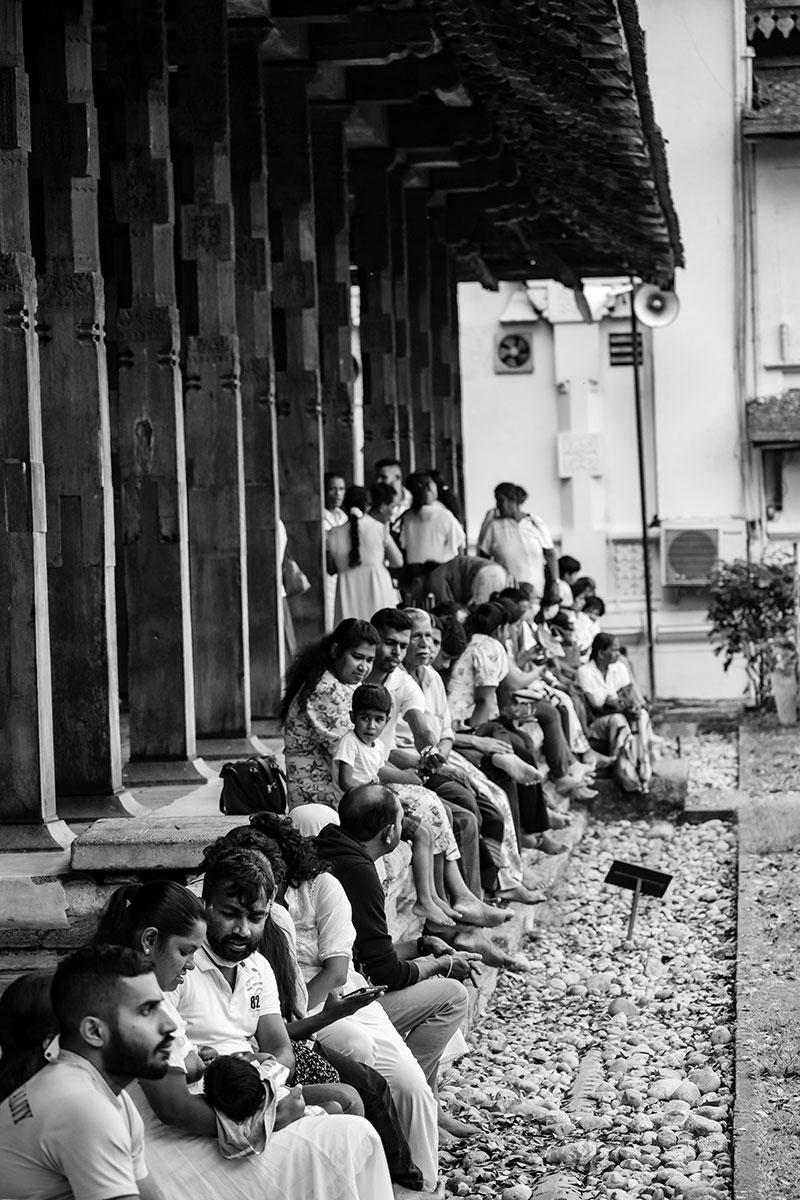
From the very beginning of this article, and even in some of my earlier pieces, I've kept coming back to one thing: people. After all, nothing matters more than people. You might say I'm taking a rather human-centred view, but sustainable tourism rests on two essential pillars: the environment and people. So it's only natural that people matter so much to us. If we want progress to be sustainable and long-lasting, we need to pay close attention to those who actually live in the places we visit.
Community-based tourism is one of the main pillars of regenerative tourism. It's an approach in which local people have a say in decision-making, own tourism businesses, keep the economic benefits within their communities, and have a real opportunity to preserve and pass on their culture. When local and Indigenous communities own tourism businesses, they're more likely to protect their cultural heritage because preserving their regional and community interests is a priority. At the same time, wealth is distributed more fairly among the people who live there.
You might be wondering how to tell whether a destination actually needs regeneration. In short, look for signs such as a declining population, schools closing down, traditional crafts being forgotten, high unemployment, a decline in agricultural activity, damaged ecosystems, or a drop in tourism following a crisis.
By travelling to places like these instead of choosing destinations already overwhelmed by tourists, we can make a deeper social impact. This time, rather than leaving behind only a carbon footprint, we can leave a positive one, too. A dollar spent on a trip is always worth a dollar to you, but its value isn't necessarily the same everywhere you spend it! Spending that dollar in a destination in need of regeneration can create far greater economic and social value than spending the same amount in an already overcrowded tourist hotspot.
One of the most important steps towards sustainable tourism is learning to ask questions. Though, for once, not of governments or bureaucratic institutions, but of ourselves! Here are a few questions I try to ask myself when it comes to regenerative tourism:
- Does the money I spend go directly to the local community?
- Am I taking anything away from nature?
- Am I giving anything back to nature?
- Can my presence help improve the quality of life of local people?
Let's look at a few examples of regenerative tourism from around the world. I won't go into too much detail, as I haven't experienced some of these places and initiatives myself.
In Costa Rica, travellers take part in monitoring sea turtle nests and protecting these creatures. In New Zealand, Indigenous-owned accommodation businesses operate in partnership with Māori communities, directing part of their revenue towards restoring the language, culture, and ecosystems. In Italy and Portugal, the restoration of agricultural land and farm tourism are increasingly linked to regenerative agriculture. In many national parks and protected areas, visitors also volunteer in activities such as beach clean-ups, coral reef restoration, and tree planting.
Of course, given that this is still a relatively new approach to sustainable tourism, more creative ways of regenerating destinations are emerging all the time. The important thing is to keep an open mind and be willing to embrace new ideas.
But there are risks along the way, too. We need to stay alert to potential harm and misunderstandings. I'll try to cover a few important points worth keeping in mind.
First, don't be taken in by words like "green", "eco", or "regenerative", especially when there is no evidence, credible certification, or transparent reporting to back up the claims. Words have no value on their own. What matters is the reality they're supposed to represent.
Another trap is being fooled by appearances. Many hotels and accommodation businesses that look traditional and locally owned, and even employ local staff, are actually owned by large foreign investors. As a result, a significant share of the money they generate leaves the destination instead of benefiting the local economy.
Want to know how to spot this? Even if you don't feel like doing much research, there's a simple trick: take what you see on Instagram with a grain of salt! Many places presented as authentic local accommodation may be hiding major corporate investment behind a charming traditional appearance.
Another thing to avoid is attempting regenerative activities without proper planning or expert guidance. Grabbing a shovel and starting to dig up someone's farm is hardly what regeneration is about! Good intentions don't give us the right to interfere in other people's lives or workplaces without the knowledge, consent, and coordination needed. You can't force help on someone who doesn't want it. In fact, you shouldn't even try. In many cases, well-meaning travellers who launch into regenerative activities without proper knowledge or planning end up creating unhealthy dependencies or even damaging the ecosystem they're trying to help.
And finally, one of the most serious dangers in this field: poverty tourism.
We should never turn people's poverty, crises, or suffering into attractions for tourism or photography. There's a fine but extremely important line here: the line between genuine regenerative tourism and the humiliation of vulnerable local communities. In authentic regenerative tourism, the dignity, freedom of choice, and interests of the host community must always come before any tourist experience or personal desire.
Final Thoughts: From Discovering the World to Taking Responsibility for It

The twentieth century was the age of discovering the world. The twenty-first, gradually, is becoming the age of taking responsibility for it. In this new way of thinking, travellers are no longer simply consumers of landscapes, cultures, and services. They become temporary guardians of the places they visit.
Every destination that welcomes us is part of our shared heritage, something entrusted to us for future generations. If our presence can make even a small contribution to restoring a forest, supporting a local business, preserving an Indigenous language, or bringing new life to a village that's slowly being forgotten, then travel becomes more than a personal memory. It becomes part of a wider cycle of healing, for both the planet and its communities.
Perhaps the most important question to ask before setting off is no longer, "What can this destination offer me?" but rather, "What will I leave behind when I go?"
That's the essence of regenerative tourism: travelling not just to see the world, but to play a part in making it better.