










Table of Contents
The Problem with Seasonal Travel and the Concentration of Tourists
Travelling to the Rhythm of Nature
The Benefits of Off-Season Travel for Tourists
Economic Benefits for Local Communities
Environmental Benefits of Off-Season Travel
Choosing the Right Time to Travel
Destination Management Through Off-Season Travel
Introduction
Every morning, we battle our way through heavy traffic to get to work, put in a full day from eight until dusk, put up with our boss’s grumbling and, at the end of the month, set aside whatever little money we have left after covering our expenses. All the while, we look forward to the Christmas holidays, when we can finally choose a destination, pack our bags and shake off the exhaustion of all those working days.
But by choosing Christmas as the time to travel, we unwittingly throw ourselves right into the heart of the peak tourist season.
We have all heard the term high season: the period when tourism demand, visitor numbers and, usually, the prices of travel-related services reach their highest levels.
At the opposite end of the spectrum lies another concept: low season (or off-season), when tourism demand falls to its lowest point of the year, and some tourist services may even be scaled back or shut down altogether.
More specialized classifications also recognize a third period: shoulder season, the transitional period between high and low seasons. It is generally characterized by fewer tourists, more moderate prices and relatively favorable weather conditions.
At first glance, it seems perfectly reasonable to assume that the low or shoulder season would be the best time to travel. But if that is the case, why do so many people still choose to travel during high season?
The holiday calendar is perhaps the most obvious reason. School and university breaks, combined with public holidays, offer people more opportunities to get away.
Climate is another factor. Pleasant temperatures, less rainfall, longer days and favorable conditions for swimming and enjoying the sea can all make a trip more enjoyable.
Special events also play their part. Festivals, sporting competitions and cultural celebrations draw large numbers of visitors to destinations around the world.
But are these constraints really the only reason travelers opt for the high season? What about organized tour itineraries, Instagram-driven travel trends and the influence of social habits and conventions? Do they not play a part in our choices, too?
And, for that matter, is Venice’s warm summer weather really so wonderful that it justifies putting up with all the hassles of travelling there, not to mention the rather less-than-pleasant experience of visiting the city at the height of the tourist season? Would a little cold in exchange for a better experience really be such a high price to pay?
In this article, we will explore the different aspects of travelling during the off-season. We will begin by looking at the problems associated with high-season travel, before turning to the idea of a destination’s rhythm. We will then examine the benefits of travelling in the low season from three perspectives: those of the traveler, the local community and the environment. Next, we will consider how to choose the right time to travel, before finally looking at the limitations and challenges of off-season travel.
Of course, all this information and comparison will be of limited value unless we first change the way we think about tourism. In an article entitled A Shift in Mindset: From Mindless Consumption to Conscious Comfort, I explored this change in perspective as the first step towards more sustainable tourism.
Put simply, when it comes to choosing when to travel, a shift in mindset means moving away from asking “When is the best time to visit?” and towards asking “When is the best time to experience living in harmony with a destination?”
Getting a little philosophical, are we? Don't worry! I'll do my best to explore all the aspects I've mentioned in the simplest possible terms as we go along.
The Problem with Seasonal Travel and the Concentration of Tourists

I'm one of those people who tend to steer clear of crowds and large gatherings of any kind. Even when I'm watching a film in a packed cinema, I find it difficult to concentrate on the screen. Of course, not everyone is like me! You might say that crowds don't bother you at all, and that you actually enjoy being surrounded by people.
So, for those who don't mind being in crowded places, what could possibly be wrong with travelling during the high season?
The problem, however, goes beyond crowds, congestion and the feeling of being just another face in a sea of tourists. When large numbers of visitors descend on a destination at the same time, they place considerable pressure on its resources and infrastructure — pressure that can sometimes exceed the destination's capacity to cope.
Water Resources
A concentrated influx of tourists drives up water consumption in hotels, swimming pools, restaurants and recreational facilities. At the same time, increased demand for laundry, cleaning and sanitation puts additional pressure on local water supplies. As a result, competition for access to water intensifies between tourists, local residents and agricultural activities — a situation that can make water shortages even worse, particularly on islands and in arid regions.
Energy
The arrival of large numbers of tourists also sends electricity consumption soaring, particularly for cooling and air conditioning. Energy demand in hotels, restaurants and recreational facilities reaches its peak, too. Meanwhile, the growing demand for travel drives up fuel consumption across air, land and sea transport. In such destinations, electricity grids often come under severe strain during periods of high demand.
Transportation
The concentration of tourists during the high season leads to congestion at airports, railway stations and bus terminals. Road traffic increases, and journey times grow longer. Demand for taxis, buses and other local transport services rises, sometimes exceeding the capacity of the transport network. Under these conditions, parking facilities and public transport systems can no longer adequately accommodate the simultaneous needs of visitors and local residents.
Waste Management
Even the most responsible traveler produces a certain amount of waste every day. When large numbers of tourists arrive at the same time, food waste and packaging waste increase, bringing with them a greater need for waste collection and transportation.
Waste-sorting and recycling facilities consequently come under pressure, and sometimes lack the capacity to process all the waste being generated. As a result, some of it ends up being disposed of directly, without proper sorting or an adequate waste-management plan.
This is where the consequences of irresponsible tourism — which, unfortunately, accounts for a considerable share of tourist activity — become even more apparent. The likelihood of rubbish being left behind on beaches and in natural environments rises dramatically.
Human Resources
When tourist numbers surge suddenly within a short period, the demand for staff in hotels, restaurants and other local businesses rises just as rapidly. During many high-demand periods, labour shortages emerge, paving the way for temporary hiring and precarious employment.
The excessive workload placed on employees also leads to a noticeable decline in service quality. Moreover, when employment opportunities are concentrated in the high season, workers' job security during the quieter months of the year is put at risk.
Now, you might ask: if one million people were to visit a destination over twelve months rather than all arriving during its busiest month, with tourist numbers spread more evenly throughout the year, would the same amount of resources still be consumed?
Perhaps the total resource consumption of one million tourists would not differ all that much, whether they visited over the course of one month or twelve. But here's the point: in the second scenario, the destination's capacity to cope with demand would come under considerably less strain throughout the year.
To put this into perspective, welcoming one million tourists in a single month means accommodating an average of around 33,000 visitors every day. Spread over twelve months, however, the daily demand for capacity would fall to fewer than 3,000 visitors.
Put simply, the issue is not just how many tourists a destination receives; when they arrive and how their numbers are distributed throughout the year matter just as much.
Travelling to the Rhythm of Nature
Have you ever danced the tango with a partner? Perhaps, like me, you've never actually tried it, but I'm sure you've seen it performed countless times. The beauty of the tango lies entirely in the harmony between the rhythm and movements of the two dancers. Now imagine one of them dancing twice as fast as their partner. What would happen? Even if they managed not to get their feet tangled or end up sprawled on the floor, there would certainly be little beauty left in their performance!
Sustainable travel works much the same way. If we cannot bring the rhythm of our travels into harmony with that of our destination, we end up harming both ourselves and the place we have come to visit.
Every destination has its own rhythm of life. Let's call it the Destination Rhythm.
We can define destination rhythm as the pattern of natural, social and economic changes that take place in a location throughout the year, encompassing everything from weather conditions and biological cycles to people's everyday activities and the cultural calendar.
This rhythm can be examined under four main categories:
1. Natural Rhythm: Seasonal biological patterns, animal migrations, rainfall, temperature and natural cycles.
2. Social Rhythm: Holidays, working hours, everyday life and local community celebrations.
3. Economic Rhythm: Employment periods, income patterns and the ebb and flow of local business activity.
4. Cultural Rhythm: Festivals, rituals, traditional ceremonies and local events.
But to get a better sense of natural rhythms, let's look at a few tangible examples.
All the examples below relate to biological cycles — the sequences of natural events that occur throughout the life of a living organism. These include reproduction, migration, growth, flowering, fruiting and hibernation.
Sea Turtle Nesting Season
Many species of sea turtles return to particular beaches at specific times of the year to lay their eggs. The eggs generally take around two months to hatch. Artificial lighting, human activity and beach degradation can all reduce the chances of successful reproduction.
The beaches of Florida and South Carolina in the United States, along with Turtle Beach on Iran's Hormuz Island, are among the well-known nesting grounds of sea turtles.
Bird Migration Season
Birds migrate in search of food, more favorable climatic conditions and suitable breeding habitats. These migrations generally take place in spring and autumn, although their precise timing depends on the species and its geographical location.
Wetlands and coastal areas along migratory routes play a vital role in providing birds with places to rest and replenish their energy. Around 1,843 migratory bird species have been identified worldwide, and billions of birds travel along intercontinental migration routes every year.
Iran's Anzali and Miankaleh wetlands, the Camargue wetlands in France and Romania's Danube Delta are among the habitats that welcome these migratory visitors.
Tourists entering areas where birds rest or feed can disturb them, drive them away from their habitats and, consequently, force them to expend additional energy.
Flowering Season
The timing of flowering depends on several factors, including temperature, rainfall, altitude and day length. Flowering is closely linked to the activity of pollinating insects and the reproductive cycles of many species. Any shift in flowering times can disrupt the delicate balance between plants and their pollinators.
You've probably heard of some of the world's most famous floral displays: Japan's cherry blossoms in spring, the tulip fields of the Netherlands in spring, and the wildflowers of Alpine meadows in late spring and summer.
Forest and Grassland Reproductive Seasons
Many trees produce fruit and seeds during specific periods of the year. These fruits and seeds provide an important food source for birds, mammals and insects. Grasslands, too, follow their own natural cycles, from flowering and seed production to the regeneration of vegetation.
Entering forests and grasslands during sensitive periods of growth and reproduction, or collecting their fruits, seeds and wildflowers, can disrupt and damage the natural cycles of these ecosystems.
These are the rhythms of the lead dancer in nature's tango. Nature is far too vast to change its rhythm for our sake. It either carries on dancing, or falls silent.
A sustainable traveler is someone who takes the time to observe nature's rhythms and finds a way to dance in step with them, rather than against them.
The Benefits of Off-Season Travel for Tourists
When it comes to tackling environmental problems, I've generally been an advocate of working on the demand side. Once demand takes shape in the right way, suppliers, however large or powerful they may be, will inevitably have to change course. They have little choice but to find a way to adapt to the demand that has emerged.
But when it comes to developing and improving the demand side of tourism, any recommendation we make to travelers must offer them a tangible benefit. Travelers need to be able to see, without much convincing, that choosing a sustainable option in any area of tourism can bring considerable advantages for them personally, too.
So, let's take a look at what off-season travel has to offer tourists themselves.
A More Relaxed and Immersive Experience
Viewed on a broader scale, tourism is essentially about selling experiences to customers. By choosing to travel during the quieter months, visitors can enjoy a more relaxed and immersive experience. In fact, the off-season offers greater opportunities for immersive tourism — an approach to travel that, rather than focusing on quick, fleeting visits to attractions, places greater emphasis on understanding the destination's surroundings, culture and everyday life.
But what exactly does the traveler stand to gain?
- More time to observe and discover the finer details
- Less time pressure when visiting attractions
- The freedom to linger longer in places they particularly enjoy
- A more peaceful experience of urban and natural spaces
- More opportunities to engage with their surroundings without the rush and crowds
Stronger Connections with Local People
Travelling in the off-season gives visitors more opportunities to connect directly with the people who live in their destination. Such encounters can lead to a better understanding of their way of life, customs, values and everyday experiences. In turn, they create the conditions for deeper cultural interaction with the host community.
Travelers have more time to talk to local residents, build better connections with small business owners, discover local foods and habits, and perhaps even find opportunities to take part in the everyday activities of the host community.
Ultimately, the gap between the tourist and the destination's real life begins to narrow.
Lower Travel Costs
The prices of tourism services fluctuate according to demand at different times of the year. In other words, tourism operates to a degree on the basis of seasonal pricing. In many destinations, lower demand can translate into lower prices for certain services, including hotels and other accommodation, airfares, organized tours, car rentals and some recreational activities.
During the quieter months, reduced demand creates a welcome opportunity for travelers to enjoy these financial advantages.
Better Photography Opportunities
If photography is as much a part of your travel experience as it is of mine, you could call the off-seasons a photographer's paradise.
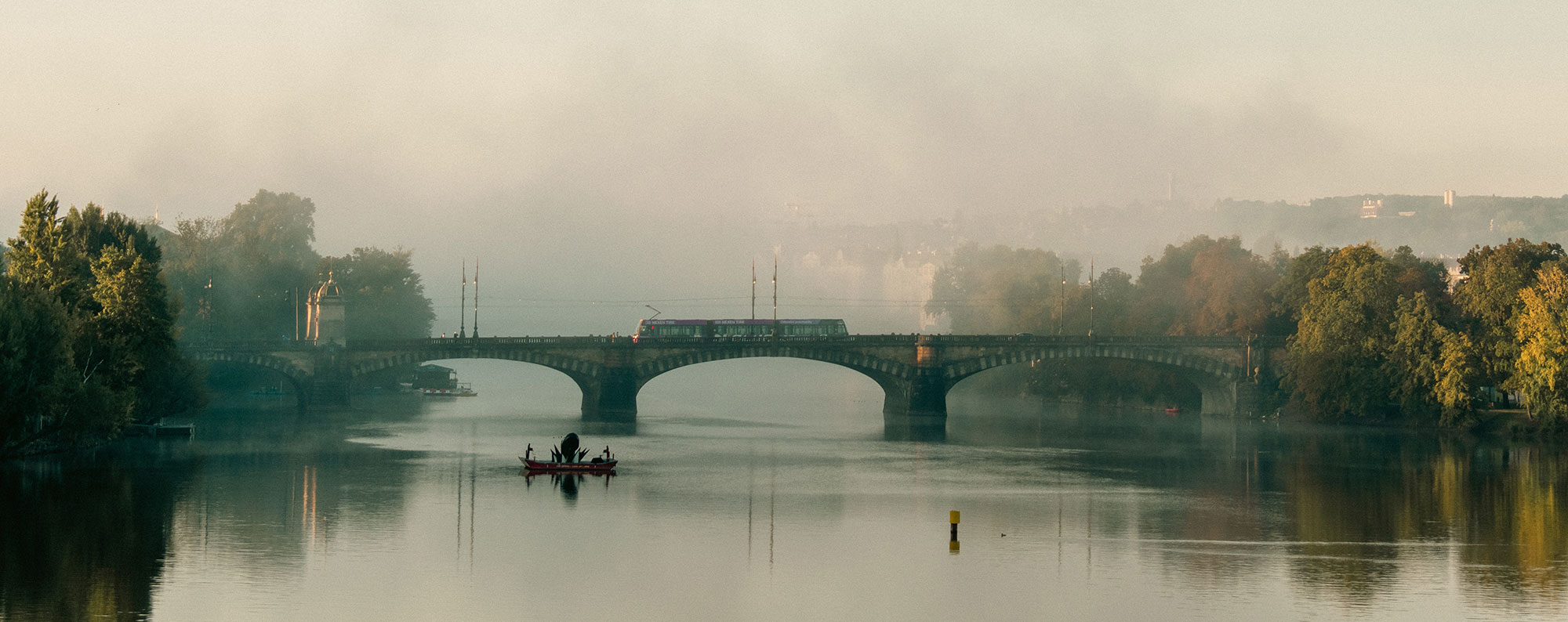
During these months, both by day and by night, there is a much lower chance of unwanted strangers wandering into your shots. You can photograph architecture and public spaces without the crowds, with greater freedom to experiment with angles and composition. You also have more opportunities to capture the everyday lives of local residents and make the most of different lighting and weather conditions, such as fog, rain, snow and overcast skies — conditions you are less likely to encounter on a typical summer trip.
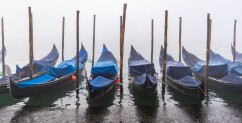
These are wonderful opportunities, at least for someone like me who has experienced them firsthand: Venice on misty winter mornings, Paris on rainy autumn days and Budapest under a blanket of winter snow.
Discovering the Real Destination
The activities, social relationships, habits and places that shape the everyday lives of local residents, and are not necessarily designed with tourists in mind, are all part of what makes up a destination's everyday life.
During the quieter months, travelers may have more opportunities to observe these less tourist-oriented aspects of local life: neighbourhood markets where people do their daily shopping, cafés and restaurants frequented by residents, the everyday rhythms of local neighbourhoods, traditional trades and small workshops, and public spaces beyond the main tourist routes.
Fewer Queues and Crowds
If you've travelled much, you've surely encountered this familiar scene countless times: visitors gathering at the same place, at the same time. Tourist congestion is arguably one of the surest ways to take the pleasure out of travelling. But by choosing the off-season, you can largely avoid it.
Travelling during the quieter months can offer several advantages:
- Shorter waits to enter tourist attractions
- Easier access to museums and cultural centres
- A more comfortable experience of public transport
- The freedom to explore at your own pace and according to your own schedule
- Fewer crowds in restaurants and public spaces
Of course, travelling in the off-season doesn't mean all these benefits will suddenly fall into our laps like some heavenly gift. But we're supposed to be rational creatures, aren't we? So, if we can enjoy even a small share of these advantages, why hesitate to choose the quieter months for our travels?
Economic Benefits for Local Communities

Year-Round Distribution of Tourism Income
By travelling during the off-season, tourists' spending is spread across different months of the year, creating an additional stream of income during periods when visitor numbers are lower. This increases sales opportunities for local businesses and helps smooth out the income fluctuations experienced by tourism-dependent occupations. Under these conditions, business owners can also plan their finances with greater certainty.
For example, in the rural areas of Tuscany, Italy, diversifying tourism activities throughout the year can help distribute income more evenly:
- Spring and Summer: Nature-based tourism and stays in rural accommodation
- Autumn: Tourism centred on the grape and olive harvests, alongside food-related experiences
- Winter: Cultural tourism, local food experiences and stays in rural villages
Reduced Dependence on a Short Tourist Season
When tourism relies heavily on just a few months of the year, it brings with it a range of consequences: greater vulnerability to adverse weather conditions, declining income during quieter months, difficulties covering businesses' fixed costs, and increased exposure to economic crises and travel restrictions. Reducing this seasonal dependency can help mitigate these adverse effects.
For instance, concentrating tourism activity in just two months of the year leaves a destination highly vulnerable to unforeseen travel restrictions. But when visitors are spread more evenly throughout the year, the destination has greater room to build resilience and weather sudden crises.
More Stable Employment
When tourism is seasonal, workers face a range of challenges, from short-term contracts to unemployment or reduced working hours during the quieter months. Employers, meanwhile, run the risk of losing trained and experienced staff.
Experienced workers naturally look for opportunities offering stable employment. If they find such opportunities elsewhere, they are likely to leave at the first chance. But by extending tourism activities into the off-season, businesses can offer longer-term contracts and find it easier to retain skilled employees. This, in turn, reduces fluctuations in workers' incomes while lowering employers' recruitment and retraining costs.
Supporting Local Businesses
When we talk about local businesses in the tourism industry, what exactly do we mean?
Examples include small, family-run accommodation providers, local restaurants and cafés, handicraft vendors, independent tour guides, farmers and food producers, and local transport operators.
Broadly speaking, any business owned by local residents or people rooted in the destination, which supplies products or services to its local economy, can be considered a local business.
These businesses depend heavily on the flow of income generated within their own destination. Unlike large international companies, they cannot spread their earnings across multiple tourist destinations. Travelling during the low-season can therefore help sustain their income streams.
A locally owned guesthouse in Venice, for instance, doesn't happen to have a branch on the beaches of the Canary Islands, where it can tap into another destination's tourist revenue during the winter months!
Reducing Seasonal Labour Migration
Labour migration in seasonal tourist destinations can take two main forms:
- Workers arriving from other regions to take up temporary jobs during the peak tourist season
- Local workers leaving during the quieter months in search of employment opportunities elsewhere
Expanding tourism activities beyond the high season can help bring greater balance to this uneven flow. And by choosing to travel during the quieter months, we, too, can play a part in improving this cycle.
Of course, there are other ways to address this problem. Creating complementary employment opportunities in areas such as agriculture, handicrafts and cultural services, alongside providing workers with training in multiple skills, can help retain the local workforce and make destinations more attractive to visitors during the off-season.
Environmental Benefits of Off-Season Travel
The environment is the most sensitive of the pillars of sustainable tourism. By planning trips in line with a destination's ecological capacity, it is possible to ease the pressure tourism places on the environment during particularly vulnerable periods.
It is worth bearing in mind, however, that simply shifting travel from one season to another does not necessarily reduce the environmental pressure on a destination. Taking local environmental conditions into account and choosing the right time to visit are especially important when planning a trip.
So, what positive effects can travelling during the off-season have on the environment?
Reduced Resource Consumption
Travelling during low-season can ease pressure on freshwater resources, particularly on islands and in arid regions. Demand for cooling, heating and electricity at accommodation facilities also tends to be lower, reducing the strain on energy resources. The volume of waste generated and collected within a short period is likely to decrease as well.
That said, travelling during the off-season does not necessarily reduce a destination's annual resource consumption. Its main advantage is that it eases the simultaneous pressure on the destination's infrastructure and limited resources.
Reducing Congestion-Related Emissions
With less traffic, shorter vehicle waiting times and more efficient use of public transport during low-season, emissions caused by congestion can be reduced. And if travel during these periods is combined with a slow travel approach, the number of journeys within the destination—and the pressure they create—can be reduced too.
Of course, a quieter destination does not automatically mean lower carbon emissions. If a traveler chooses an additional flight or a longer route simply to visit during the off-season, transport-related emissions may actually increase.
So let's be careful not to use the choice of a off-season as an excuse for making environmentally unfriendly travel decisions!
Reduced Pressure on Sensitive Habitats
Some habitats are more vulnerable to human presence at certain times of the year, particularly during breeding, nesting, migration or periods of plant growth. In such circumstances, it is better to speak of the right season rather than simply the off-season. Choosing an appropriate time to visit can help protect sensitive habitats from the pressure created by large numbers of tourists.
Opportunities for Ecosystem Recovery
The more dispersed tourist visits to natural areas are, and the longer the intervals between them, the more time ecosystems have to recover. Nature needs time to repair and regenerate itself. Distributing tourism throughout the year can give it that time and space, allowing natural environments to regain a more balanced state after periods of heavy visitor traffic.
Choosing the Right Time to Travel
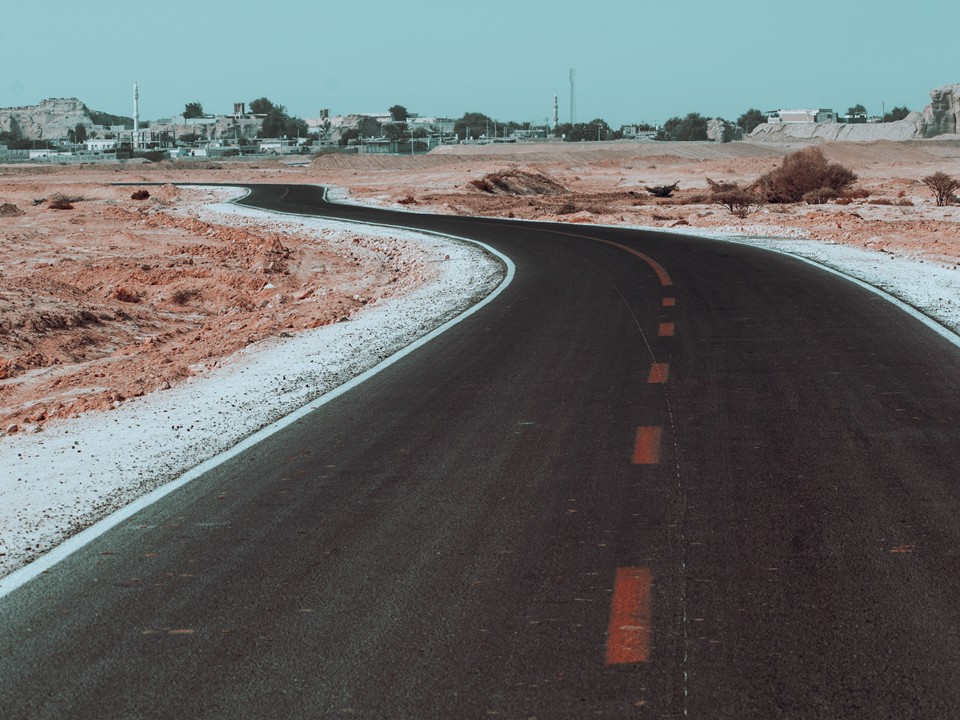
Now we come to the rather tricky part! Let's say I've managed to convince you that travelling during the low-season is the better option. Fine—but how do you go about choosing the right one?
Choosing the right time to travel is about more than simply finding a quieter or cheaper period. We also need to take into account natural conditions, conservation restrictions and the everyday life of the destination. Sometimes, what is the best time for tourists is not the best time for nature. I did warn you this was the tricky part!
Still, if we assume that the reader of this article is a responsible traveler, a little extra effort spent researching and looking into things shouldn't be too much to ask. After all, responsible travel isn't just about packing a suitcase; it also takes a bit of research and planning.
Checking the Destination's Ecological Calendar
Every destination has its own natural calendar. Bird migration, flowering seasons, turtle nesting, rainfall and changes in water levels can all influence whether a particular time is suitable for a visit. Before deciding when to travel, it's worth paying attention to these natural cycles:
- Bird migration and wintering seasons
- Flowering and pollination periods
- Breeding and reproduction seasons for wildlife
- Rainy and dry seasons, and natural fluctuations in water levels
Understanding Ecologically Sensitive Periods
Certain times of the year are more sensitive for wildlife and ecosystems. The presence of tourists during these periods can seriously disrupt natural cycles. These include:
- Bird breeding and turtle nesting seasons
- Bird migration and resting periods
- Mammal breeding seasons
- Periods when vegetation is recovering after droughts or wildfires
Seeking Local Knowledge
Local people usually have practical knowledge of the seasonal changes in the places where they live—knowledge that may not appear in general tourism calendars. After all, they're the hosts, and we're the guests!
Ask them about:
- When the seasons actually begin and end
- The condition of trails, rivers and roads
- Periods of water scarcity or adverse weather conditions
- The timing of agricultural and fishing activities, as well as local events and festivals
- Times when the presence of tourists may cause problems for the local community or the natural environment
Local guides who have worked in a destination for years can also be an invaluable source of insight.
Checking Conservation Regulations
Before settling on your travel dates, check the area's official regulations. Some restrictions apply year-round, while others are enforced only during certain periods.
- Seasonal closures of national parks and protected areas
- Restrictions on access to beaches, islands and natural habitats
- Requirements for permits or advance reservations
- Bans on entering designated trails or using drones
- Limits on visitor numbers and visiting hours
Checking Actual Weather Conditions, Not Just Tourism Marketing Claims
Phrases such as "the best time to visit" on tourism websites often offer an oversimplified picture of local weather conditions. A particular season may be ideal for a beach holiday, for example, but far less suitable for nature walks, photography or wildlife watching.
Tour operators (though certainly not all of them) are in the business of making money, and environmental responsibility is not always high on their list of priorities. So, steer clear of their glossy brochures as much as you can! Before setting off, do your own research and check the following:
- Average temperatures and rainfall figures from previous years
- Short-term weather forecasts for the days leading up to your trip
- The likelihood of heatwaves, floods, storms or wildfires
- Snow and wind conditions, and whether routes are accessible
- Climate change and unusual seasonal fluctuations
Destination Management Through Off-Season Travel
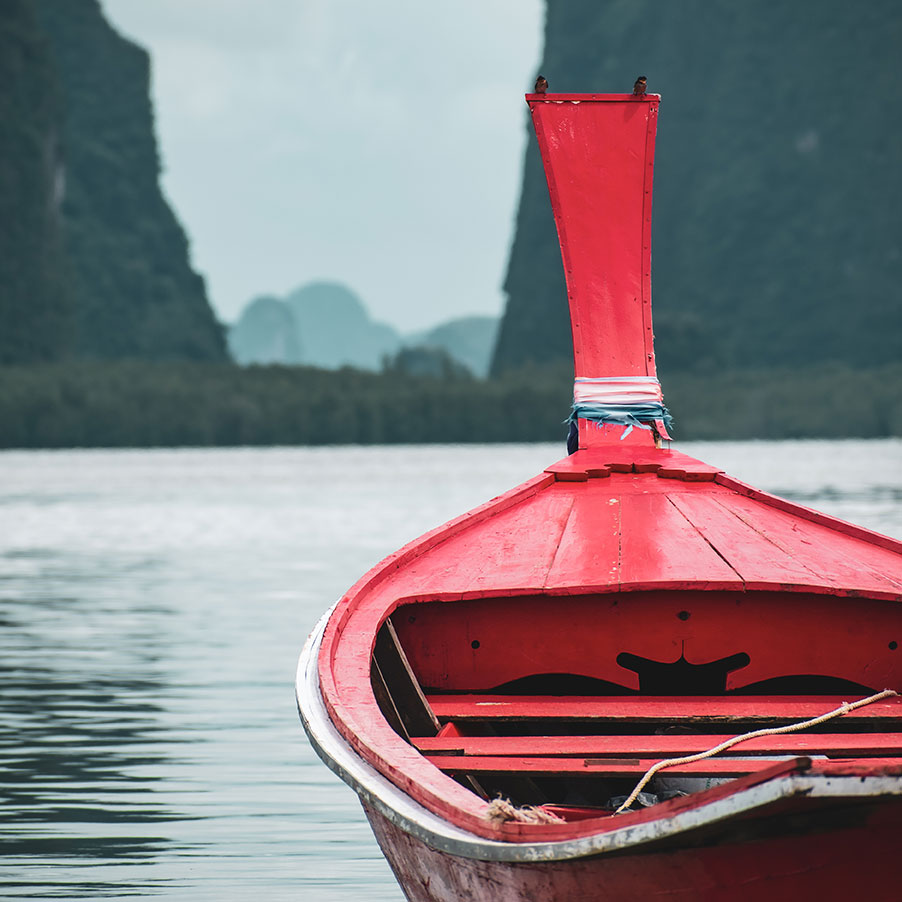
So far, we've looked at travelling during the off-season as a responsible choice on the part of us, the tourists. But there's another side to the story: the role of destination managers and tourism planners.
Smart destination management should distribute tourist demand across different times and places, without simply shifting the pressures of tourism from one season or area to another.
Incentives for Low-Demand Seasons
Governments and destination managers can make travelling during low-demand periods more appealing by offering targeted incentives.
- Discounts on accommodation, transport and tickets to tourist attractions
- Special travel packages for low-demand seasons
- Cultural, artistic and sporting events
- Support for local businesses to operate throughout the year
- Promoting seasonal experiences rather than recycling generic tourism messages
Developing Four-Season Tourism
The aim is to turn a destination into a place offering a variety of experiences throughout the year—not to keep every attraction open and active in every season.
- Developing nature trails and cycling routes during suitable seasons
- Promoting historical heritage, museums and cultural activities during the colder months
- Developing food and agricultural tourism, including harvest experiences
- Organising local events during low-demand periods
- Designing experiences that reflect the natural characteristics of each season
Dispersing Tourists Beyond Famous Attractions
One of the challenges of destination management is the concentration of tourists in a handful of well-known attractions or areas, while lesser-known places may have both the capacity to welcome visitors and attractions well worth discovering.
Possible solutions include:
- Promoting alternative routes and attractions near heavily visited sites
- Developing tourism in lesser-known towns and villages
- Creating connected routes linking several smaller destinations
- Directing visitors towards a wider range of cultural, natural and local experiences
- Using real-time information to guide tourists towards less crowded areas
Managing Destination Carrying Capacity
A destination's carrying capacity refers to its ability to accommodate tourists without causing unacceptable damage to the environment, the quality of life of local residents or the visitor experience. It is not simply a matter of how many hotel beds are available or how many tickets can be sold; it has several different dimensions.
We've explored the various dimensions of destination carrying capacity in a separate article. To manage it effectively, destinations can use tools such as:
- Setting daily or seasonal visitor limits
- Introducing timed entry for heavily visited attractions
- Monitoring visitor numbers and levels of congestion
- Tracking water and energy consumption, as well as waste generation
- Temporarily restricting access to sensitive areas
- Periodically reviewing destination management plans based on actual data
Challenges of Off-Season Travel
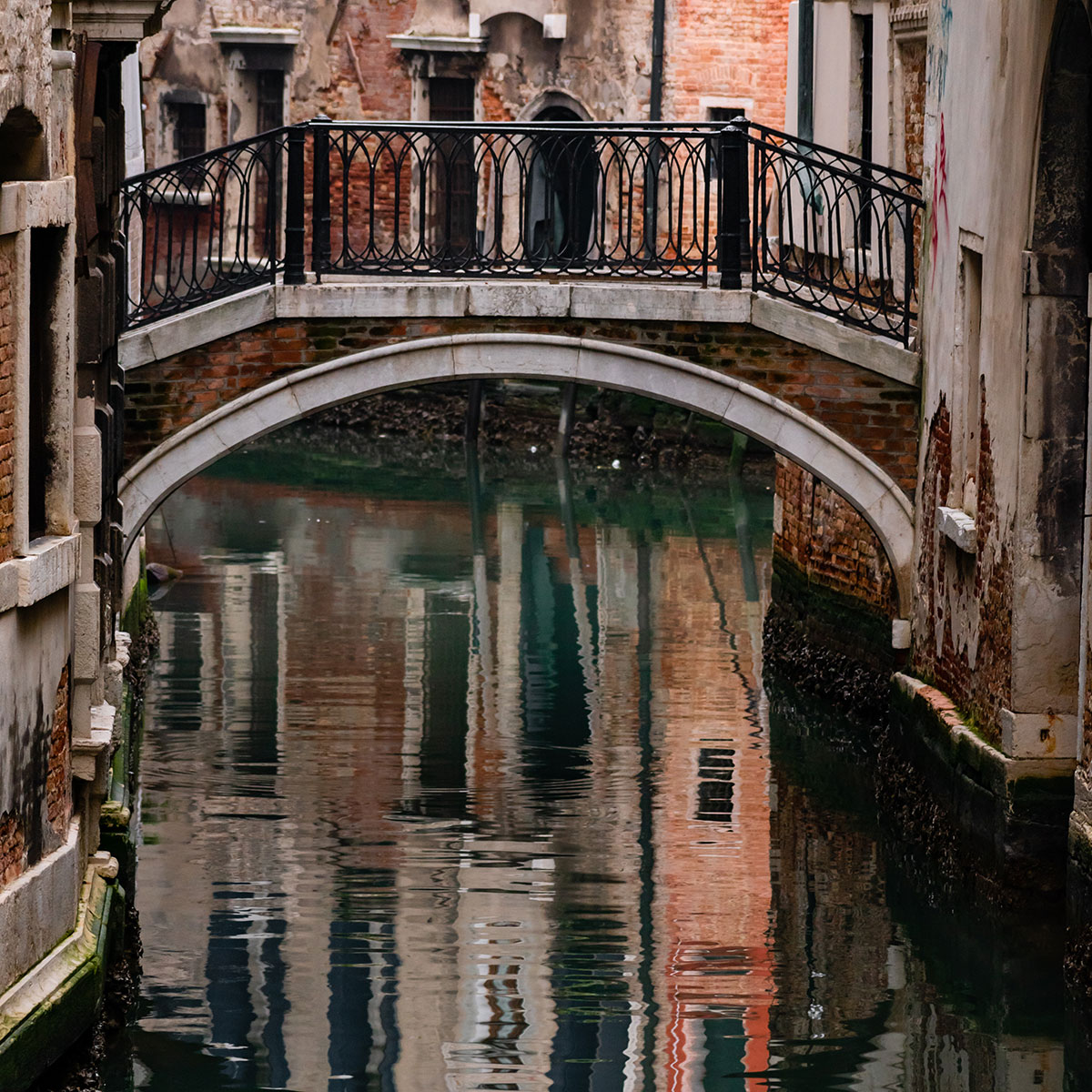
Travelling during the off-season isn't always cheaper, easier or better. Fewer tourists can also mean limited services, unfavorable weather and unexpected difficulties. Understanding these challenges helps us travel with a more realistic outlook and more reasonable expectations.
Unpredictable Weather
In many destinations, the low-season comes with unsettled and sometimes harsh weather. Heavy rain, storms or snow may set in; daylight hours grow shorter; temperatures can climb to exhausting highs or plunge to bone-chilling lows; nature trails and mountain roads may be closed, while flights, boat trips and tourist activities are cancelled.
If you're planning to travel during such a season, it's worth taking these uncertainties and their possible consequences into account when making your plans.
Limited Tourism Services
During periods of low demand, the economic wheels of many tourism businesses begin to turn more slowly, and some services may temporarily become unavailable. Hotels, restaurants and small guesthouses close their doors; flights and public transport services become less frequent; visiting hours at attractions and museums are reduced; nature tours and marine activities are suspended; and finding local guides and services can become more difficult.
If you're travelling during such a season, it's best to anticipate these limitations and plan your trip with a little more flexibility.
Additional Planning
Travelling outside the high season usually calls for a closer look at the details, since you can't always rely on the programmes and services available during the main tourist season. So, before packing your bags, take the time to check the following:
- Opening days and hours of attractions
- Public transport timetables
- Availability of accommodation and restaurant reservations
- Conditions on roads and nature trails
- Cancellation and date-change policies for bookings
- Access to medical and emergency services in remote areas
This simple but important check will help make your off-season trip a calmer and more reassuring experience.
Preparedness and Flexibility
One of the most important skills when travelling outside the high season is being prepared to change your plans. Rather than pinning all your hopes on a fixed itinerary and being caught off guard when circumstances change, it's better to have a few alternatives up your sleeve.
To that end, it's worth taking a few precautions:
- Have alternative activities in mind for rainy days.
- Bring clothing and equipment suited to the weather conditions.
- Allow extra time for getting around.
- Choose bookings that can be changed or cancelled.
- Check alternative routes and access to essential services in advance.
- Be prepared to drop or reschedule some activities if necessary.
With this kind of preparation, even if the weather or other circumstances don't go as expected, you're more likely to enjoy a calmer and more pleasant trip.
A Final Word
In this article, we've explored the reasons for travelling during the off-season, along with its benefits and challenges. I believe these points offer a good starting point for looking at travel differently and making more informed choices. Ultimately, though, it is the responsible traveler who gives meaning to all these explanations, checklists and suggestions through their own conscious decisions.
If the aim is to travel responsibly and sustainably, creating the conditions to do so needn't be all that difficult. Travelling during the off-season is one step towards more sustainable tourism. But unless it goes hand in hand with other sound choices, it can end up miles away from the very goal it was meant to serve.