My Notes on
I N D I A
India, Sensed
Can the chaos of a nation be distilled into a single sensory experience?
Can the chaos of a nation be distilled into a single sensory experience?
If we tried to hold India not by its borders or its histories, but by the sheer, uncontainable sensation of it, the first thing that comes to me is the train. Not just any train, but a long, congested, polyglot behemoth, perpetually shuttling from one discrete world to the next, carrying everything and everyone at once in a single, unbroken roar.
Its smell, then, would be a volatile alchemy—cardamom and cumin, wet earth and diesel smoke—shifting without warning with the monsoon, the market, the temple, the dust of the street. And colour? You might be tempted to say dusty saffron, the ochre that stains the light. But India is, in truth, a full, unapologetic palette: the wet, electrical green of Kerala, the salt-white of the Rann, the tawny browns of the Thar, the piercing blues of the Himalayas, the rust-reds of the Deccan plateau. Taste, finally, is fierce and sour and spiced—a thali where no single flavour ever dares to stand for the whole meal. Which is, I suppose, the only honest way to describe the place itself: a crowded symphony that refuses to resolve into a single note, yet somehow, impossibly, plays on.
Its smell, then, would be a volatile alchemy—cardamom and cumin, wet earth and diesel smoke—shifting without warning with the monsoon, the market, the temple, the dust of the street. And colour? You might be tempted to say dusty saffron, the ochre that stains the light. But India is, in truth, a full, unapologetic palette: the wet, electrical green of Kerala, the salt-white of the Rann, the tawny browns of the Thar, the piercing blues of the Himalayas, the rust-reds of the Deccan plateau. Taste, finally, is fierce and sour and spiced—a thali where no single flavour ever dares to stand for the whole meal. Which is, I suppose, the only honest way to describe the place itself: a crowded symphony that refuses to resolve into a single note, yet somehow, impossibly, plays on.
Borders of Stone
What natural borders shaped India?
What natural borders shaped India?
Whenever I think of India, I see it cradled between two great natural boundaries: the soaring Himalayas to the north and the ancient Western Ghats to the west. The Himalayas are far more than a mere wall of rock; to me, they are a profound climatic, riverine, and cultural divide, gently lifting the subcontinent away from the vastness of Central and East Asia. They are the very breath of the north, dictating the great river systems and the rhythm of the skies.
Then there are the Western Ghats, rising like a green spine along the coast. Here, the mountains catch the heavy, rain-laden monsoon winds, weaving a stark climatic poetry: the lush, emerald shores of Kerala on one side, yielding to the drier, sun-baked plateau on the other. Recognized by UNESCO as a vital cradle of global biodiversity, these ancient peaks are the true architects of the subcontinent's monsoon soul. Ultimately, it is these two great mountain walls—sculpted by ice and water—that have drawn the natural edges of India.
Then there are the Western Ghats, rising like a green spine along the coast. Here, the mountains catch the heavy, rain-laden monsoon winds, weaving a stark climatic poetry: the lush, emerald shores of Kerala on one side, yielding to the drier, sun-baked plateau on the other. Recognized by UNESCO as a vital cradle of global biodiversity, these ancient peaks are the true architects of the subcontinent's monsoon soul. Ultimately, it is these two great mountain walls—sculpted by ice and water—that have drawn the natural edges of India.
India Beyond the Map
What Part of India Lies Beyond the Tourist’s Mental Map?
What Part of India Lies Beyond the Tourist’s Mental Map?
Ladakh disrupts the familiar image of India. Instead of heat, humidity, and crowds, there is a high-altitude desert, dry air, rocky valleys, snow, Buddhist monasteries, and silence. From its architecture and monasteries to its Buddhist traditions, Ladakh feels less like the India of the Ganges and Rajasthan and more like the Tibetan Plateau and Central Asia. It was once an important link in the caravan trade between Kashmir, Punjab, Tibet, and Central Asia—a part of India that, in many ways, belonged to a much larger Asian world.
Yet if one part of the tourist’s mental map is truly missing, it is Northeast India: the eastern Himalayas, extraordinarily wet forests, a mosaic of peoples and languages, and a meeting of Christian, Buddhist, Hindu, and Indigenous traditions, beside Myanmar, Bangladesh, Bhutan, and China. Meghalaya, with its caves, waterfalls, valleys, and rainforests, and Sikkim, with its Lepcha, Bhutia, and Nepali heritage and Himalayan Buddhist culture, remind us that India is not one cultural world. It is many different worlds gathered under a single political name.
Yet if one part of the tourist’s mental map is truly missing, it is Northeast India: the eastern Himalayas, extraordinarily wet forests, a mosaic of peoples and languages, and a meeting of Christian, Buddhist, Hindu, and Indigenous traditions, beside Myanmar, Bangladesh, Bhutan, and China. Meghalaya, with its caves, waterfalls, valleys, and rainforests, and Sikkim, with its Lepcha, Bhutia, and Nepali heritage and Himalayan Buddhist culture, remind us that India is not one cultural world. It is many different worlds gathered under a single political name.
Elsewhere, Within
Which part of India feels most like a separate country?
Which part of India feels most like a separate country?
The answer, I find, depends entirely on the compass you choose to steer by.
If the measure is the lie of the land and the weight of the air, Kerala is the obvious candidate—that slender spill of green between the Arabian Sea and the Western Ghats, strung with over nine hundred kilometers of languid backwaters. It feels less like the India of crowded myth than a waterlogged, monsoon-drenched idyll of coconut palms and floating spice, a world unto itself.
Shift the criterion to culture, however, and Sikkim, that Himalayan wedge squeezed between Nepal, Bhutan, Tibet, and West Bengal, offers an even starker departure. In barely seven thousand square kilometers, it compresses a dizzying mosaic of Lepcha, Bhutia, and Nepali lives, its climate lurching from subtropical humidity to stark, breathless alpine heights as abruptly as its human geography turns.
Yet if we judge by sheer geographical isolation, the Andaman and Nicobar Islands—those lost specks adrift in the Bay of Bengal—win the prize. They feel less like a region of a country than a forgotten planet: tropical forests, volcanic outcrops, and a marine world so richly humming, where Great Nicobar still guards its indigenous peoples and a biodiversity so primordial it seems to remember a time before the mainland even existed.
If the measure is the lie of the land and the weight of the air, Kerala is the obvious candidate—that slender spill of green between the Arabian Sea and the Western Ghats, strung with over nine hundred kilometers of languid backwaters. It feels less like the India of crowded myth than a waterlogged, monsoon-drenched idyll of coconut palms and floating spice, a world unto itself.
Shift the criterion to culture, however, and Sikkim, that Himalayan wedge squeezed between Nepal, Bhutan, Tibet, and West Bengal, offers an even starker departure. In barely seven thousand square kilometers, it compresses a dizzying mosaic of Lepcha, Bhutia, and Nepali lives, its climate lurching from subtropical humidity to stark, breathless alpine heights as abruptly as its human geography turns.
Yet if we judge by sheer geographical isolation, the Andaman and Nicobar Islands—those lost specks adrift in the Bay of Bengal—win the prize. They feel less like a region of a country than a forgotten planet: tropical forests, volcanic outcrops, and a marine world so richly humming, where Great Nicobar still guards its indigenous peoples and a biodiversity so primordial it seems to remember a time before the mainland even existed.
The Unscripted Table
What is the essence of everyday Indian conversation?
What is the essence of everyday Indian conversation?
Whenever I find myself lingering at a bakery counter or sitting at a corner table in India, I am captivated by the kaleidoscope of conversation. It leaps effortlessly from the cricket pitch to the corridors of power, from the silver screen to the family dinner table, only to wander off into entirely uncharted territories.
In the east, particularly in Bengal, this beautiful, unscripted communion is captured by the word adda. It is the pure, unadulterated joy of talking without an agenda or a destination. Whether in a humble tea stall, a street kiosk, or a quiet cafe, the dialogue flows from statecraft to cinema, from literature to philosophy. In Kolkata, adda is the very heartbeat of civic life, just as the tea stalls of Kerala serve as its local parliaments. All it requires is a daily newspaper, a few plastic chairs, a steaming glass of tea, and a discussion that has absolutely no need to arrive at a final conclusion. To my mind, this simple, everyday tableau reveals the living soul of India far more profoundly than the grandest of its museums.
In the east, particularly in Bengal, this beautiful, unscripted communion is captured by the word adda. It is the pure, unadulterated joy of talking without an agenda or a destination. Whether in a humble tea stall, a street kiosk, or a quiet cafe, the dialogue flows from statecraft to cinema, from literature to philosophy. In Kolkata, adda is the very heartbeat of civic life, just as the tea stalls of Kerala serve as its local parliaments. All it requires is a daily newspaper, a few plastic chairs, a steaming glass of tea, and a discussion that has absolutely no need to arrive at a final conclusion. To my mind, this simple, everyday tableau reveals the living soul of India far more profoundly than the grandest of its museums.
Destination Digest
Beyond Namaste
What Words Open the Door?
What Words Open the Door?
If you learn only one word in India, let it be “Namaste”—the familiar greeting of respect. But for a more genuine connection, it is better to learn the local greeting wherever you go. “Dhanyavaad” means thank you, while “Ji” is a small suffix that adds respect to a person’s name or title.
Yet culturally, “Chai piyoge?”—“Would you like some tea?”—may open more doors than Namaste. In India, offering tea is rarely just about tea. It is an invitation to pause, talk, and begin a relationship. At home, at work, or beside a roadside stall, chai is woven into the country’s social life.
And India has never spoken with one voice. In Punjab, “Sat Sri Akal” feels more natural; in Tamil Nadu, “Vanakkam” is the familiar greeting. These small differences are a reminder that India is not one language, one culture, or even one way of saying hello. Sometimes, the simplest words are the first step into another world.
Yet culturally, “Chai piyoge?”—“Would you like some tea?”—may open more doors than Namaste. In India, offering tea is rarely just about tea. It is an invitation to pause, talk, and begin a relationship. At home, at work, or beside a roadside stall, chai is woven into the country’s social life.
And India has never spoken with one voice. In Punjab, “Sat Sri Akal” feels more natural; in Tamil Nadu, “Vanakkam” is the familiar greeting. These small differences are a reminder that India is not one language, one culture, or even one way of saying hello. Sometimes, the simplest words are the first step into another world.
The Edge of Welcome
Where does welcome end and ritual begin?
Where does welcome end and ritual begin?
It begins, as so many things here do, with a quiet inquiry: “Chai?” From that single, unassuming syllable, hospitality unfurls like a slow tide—tea gives way to something sweet, which yields to a full meal, while a polite “No, thank you” is often read not as a full stop but as the first note in a gentle, persistent refrain. For in countless homes, the repeated offer is not mere insistence but affection’s truest dialect.
Yet to paint this as a single, national scripture would be to misread the whole landscape. The ritual warps and recalibrates according to region, caste, faith, family, and the silent architecture of social standing. Even the way one eats becomes part of the unspoken code—the right hand remains the natural, unimpeachable instrument, a quiet grammar woven into the meal itself.
For the traveler, then, this warmth is not a borderless flood but a nuanced, layered choreography: part offering, part entreaty, part the acute, ongoing task of reading between the lines. It is a society that somehow holds, in the same steady gaze, the capacity to be staggeringly generous and fiercely hierarchical—often within the very same gesture.
Yet to paint this as a single, national scripture would be to misread the whole landscape. The ritual warps and recalibrates according to region, caste, faith, family, and the silent architecture of social standing. Even the way one eats becomes part of the unspoken code—the right hand remains the natural, unimpeachable instrument, a quiet grammar woven into the meal itself.
For the traveler, then, this warmth is not a borderless flood but a nuanced, layered choreography: part offering, part entreaty, part the acute, ongoing task of reading between the lines. It is a society that somehow holds, in the same steady gaze, the capacity to be staggeringly generous and fiercely hierarchical—often within the very same gesture.
The Space Between
What everyday habits surprise travelers in India?
What everyday habits surprise travelers in India?
For a traveler from the West, the first surprise is often the sheer nearness of strangers. On buses and trains, in markets and queues, bodies fold into one another with a casual intimacy that quietly dismantles every notion of personal space you thought you carried with you. It is not intrusion so much as a different grammar of togetherness.
Then there is the dance of bargaining—a lively back-and-forth in the old bazaars that simply dissolves the moment you step into a modern mall with its fixed price tags.
But the deepest shift, I think, lies in how India inhabits time. The tired cliché of a nation perpetually running late misses the point entirely. In the glass towers of its tech hubs, the clock ticks as sharply as anywhere on earth. Yet step into a family home or a neighborhood tea stall, and time softens. It ceases to be a measure of productivity and becomes, instead, a container for presence—a truth embodied most beautifully in adda, where hours dissolve into conversation for its own sake.
Then there is the dance of bargaining—a lively back-and-forth in the old bazaars that simply dissolves the moment you step into a modern mall with its fixed price tags.
But the deepest shift, I think, lies in how India inhabits time. The tired cliché of a nation perpetually running late misses the point entirely. In the glass towers of its tech hubs, the clock ticks as sharply as anywhere on earth. Yet step into a family home or a neighborhood tea stall, and time softens. It ceases to be a measure of productivity and becomes, instead, a container for presence—a truth embodied most beautifully in adda, where hours dissolve into conversation for its own sake.
Chai and Home
What Simple Scene Says More About India Than a Museum?
What Simple Scene Says More About India Than a Museum?
If I had to choose one ordinary scene instead of a museum to understand India, I would choose a chai stall at dusk: a few people standing around, one ordering tea, another reading the newspaper, someone talking about cricket, another turning the conversation toward politics. The vendor knows the regulars. In that small corner, food, conversation, social class, politics, the local economy, and neighborhood life all meet.
In Kolkata, it might become an adda—a conversation that can stretch for hours simply because there is nowhere else to be. In Kerala, it might be a place to read the news and talk. And if I had to choose a second scene, it would be a family gathered around a meal, where food is not merely nourishment but part of family, religious, and social life.
Perhaps India can be understood better through these two simple images than through any grand monument: chai on the street, and food at home.
In Kolkata, it might become an adda—a conversation that can stretch for hours simply because there is nowhere else to be. In Kerala, it might be a place to read the news and talk. And if I had to choose a second scene, it would be a family gathered around a meal, where food is not merely nourishment but part of family, religious, and social life.
Perhaps India can be understood better through these two simple images than through any grand monument: chai on the street, and food at home.
Tea and the Ticking Clock
What does a culture count as loss, and what as life?
What does a culture count as loss, and what as life?
To the productivity-obsessed eye, an hour spent lingering over a cup of tea, trading gossip and idle argument, looks like pure, unadulterated waste. But step into the local idiom—into the quiet, capacious world of the adda—and you realize this is not the antithesis of living; it is living itself. No measurable output emerges from that hour, yet something far more durable is brewed: the invisible fabric of belonging, the nightly parliament of neighbourhood news and familiar faces.
The local tea stall, then, is never merely a vendor of beverages. It is a nervous system—a modest, steam-scented agora where acquaintance is renewed, rumour is refined, and the unhurried rhythms of community are kept alive.
And yet, to stop there would be to tell only half the story. Contemporary India is equally a nation of cutthroat competition, of urban clocks ticking with a metallic insistence, of entrance exams that turn childhood into a high-stakes race and time into a pure, pressurized currency. Even the old joint family—that bedrock of collective existence—now bends and cracks under the weight of modern, atomized striving, reshaped by the demands of a globalized economy.
So the true pulse of this place lies in its unresolvable, living tension. India is, at once, the land that whispers, "You must push ahead"—and the one that insists, with an equal, unshakeable warmth, "Come, sit down, let's have a chai."
The local tea stall, then, is never merely a vendor of beverages. It is a nervous system—a modest, steam-scented agora where acquaintance is renewed, rumour is refined, and the unhurried rhythms of community are kept alive.
And yet, to stop there would be to tell only half the story. Contemporary India is equally a nation of cutthroat competition, of urban clocks ticking with a metallic insistence, of entrance exams that turn childhood into a high-stakes race and time into a pure, pressurized currency. Even the old joint family—that bedrock of collective existence—now bends and cracks under the weight of modern, atomized striving, reshaped by the demands of a globalized economy.
So the true pulse of this place lies in its unresolvable, living tension. India is, at once, the land that whispers, "You must push ahead"—and the one that insists, with an equal, unshakeable warmth, "Come, sit down, let's have a chai."
Cities of India so far
The Endless Tale
How does the Ramayana live on in modern India?
How does the Ramayana live on in modern India?
When I search for the living memory of India, I do not look to its silent ruins, but to the Ramayana. Yet, to speak of it as a single, fixed epic is to miss its true magic. It is not merely an ancient manuscript, but a vast, breathing mosaic of tales surrounding Rama, Sita, Hanuman, and Ravana. Across the subcontinent, the story is continually reborn—in the cadence of folk songs, the grace of temple dance, the intimacy of oral storytelling, and the rhythm of daily devotion.
What moves me most is how every community has gently bent the epic to its own light. From the Bhil and Gond tribes of the central forests to the Khasi and Mizo in the misty northeastern hills, each has woven the narrative into their local geography and memory, transforming a grand myth into their own intimate autobiography. You see this legacy made flesh during Ramlila, the grand theatrical reenactments of North India. For days, and sometimes weeks, the ancient heroes step out of the verses and into the dusty streets, reminding us that in India, the past is never truly past; it is simply waiting for its next performance.
What moves me most is how every community has gently bent the epic to its own light. From the Bhil and Gond tribes of the central forests to the Khasi and Mizo in the misty northeastern hills, each has woven the narrative into their local geography and memory, transforming a grand myth into their own intimate autobiography. You see this legacy made flesh during Ramlila, the grand theatrical reenactments of North India. For days, and sometimes weeks, the ancient heroes step out of the verses and into the dusty streets, reminding us that in India, the past is never truly past; it is simply waiting for its next performance.
Saving the Forgotten
Which Local Hero Is Missing from the Books?
Which Local Hero Is Missing from the Books?
In the popular story of India, some local heroes remain in the shadow of Gandhi and Nehru. One of them is Rani Gaidinliu, a young Zeliangrong leader from Northeast India who resisted British rule. Her story reminds us that the history of India’s independence was never only the history of Delhi. Even the Indian Ministry of Culture has created an “Unsung Heroes” project to document lesser-known figures of the independence struggle—a reminder that the memory of freedom is often far more local than the textbooks suggest.
Another is Ghulam Yazdani, an archaeologist and director of the Archaeology Department of Hyderabad, who devoted three decades to documenting and preserving the heritage of the Deccan. His work later became fundamental to understanding the region’s history, yet he remains almost invisible to the ordinary traveler.
There is something deeply appealing about this kind of heroism in India: not the person who built a palace, but the person who saved something from being forgotten.
Another is Ghulam Yazdani, an archaeologist and director of the Archaeology Department of Hyderabad, who devoted three decades to documenting and preserving the heritage of the Deccan. His work later became fundamental to understanding the region’s history, yet he remains almost invisible to the ordinary traveler.
There is something deeply appealing about this kind of heroism in India: not the person who built a palace, but the person who saved something from being forgotten.
The Unseen Tremor
Which silent rupture still defines India’s streets and souls?
Which silent rupture still defines India’s streets and souls?
Perhaps the quietest tremor that still shapes the face of so many Indian cities and villages is the Partition of 1947. The drawing of a single, brutal line across a map turned millions into fugitives overnight, launching one of history’s largest and most wrenching forced migrations. Yet its aftermath is not merely a chapter bound in library archives. It breathes in the subtle accents of a Delhi neighbourhood, in the distinctive family recipe carried over from a lost home in Lahore, in the surname above a shop that hints at a Sindhi origin, and in the refugee camp that slowly, imperceptibly, hardened into a permanent, thriving colony.
The oral histories passed down around kitchen tables are not exclusively tales of rupture and bloodshed; they often shimmer with improbable stories of grace—neighbours from the faith suddenly deemed foreign, who risked everything to extend a hand across the new divide. To walk through Amritsar, Kolkata, or the bylanes of old Delhi today is to move through a city recovering from an invisible earthquake. The buildings remain upright, reassuringly unchanged, but the lives unfolding within them are no longer quite the ones that were there before. The physical frame endures; the human soul of the street carries a different, quieter, irrevocable history.
The oral histories passed down around kitchen tables are not exclusively tales of rupture and bloodshed; they often shimmer with improbable stories of grace—neighbours from the faith suddenly deemed foreign, who risked everything to extend a hand across the new divide. To walk through Amritsar, Kolkata, or the bylanes of old Delhi today is to move through a city recovering from an invisible earthquake. The buildings remain upright, reassuringly unchanged, but the lives unfolding within them are no longer quite the ones that were there before. The physical frame endures; the human soul of the street carries a different, quieter, irrevocable history.
If I were to pack my mind before journeying to India, I would leave the standard guidebooks behind and carry instead five essential companions. I would begin with Satyajit Ray’s Pather Panchali, which strips away the postcard illusions to reveal the raw, unfiltered soul of a Bengali village—the heavy monsoon rain, the sudden thrill of a passing train, and the quiet, universal ache of longing.
For a more intimate portrait, I would turn to R.K. Narayan’s The Guide. Through the gentle humor of the fictional Malgudi, Narayan captures the beautiful, absurd intersections of faith, ambition, and everyday life. Yet, to understand the deeper scars of the land, one must read Khushwant Singh’s Train to Pakistan, a heartbreaking reminder of how swiftly the fragile tapestry of coexistence can be torn apart by the arbitrary lines drawn on a map.
To grasp the chaotic, vibrant pulse of the modern nation, Salman Rushdie’s Midnight’s Children is indispensable, rendering a country born at the exact stroke of midnight in a swirl of magical realism. Finally, I would carry a simple, perhaps local, telling of the Ramayana. To know this ancient Ramkatha is to hold a master key; suddenly, the recurring symbols and everyday characters you meet on the road cease to be mere scenery, and become part of a living, breathing mythology.
For a more intimate portrait, I would turn to R.K. Narayan’s The Guide. Through the gentle humor of the fictional Malgudi, Narayan captures the beautiful, absurd intersections of faith, ambition, and everyday life. Yet, to understand the deeper scars of the land, one must read Khushwant Singh’s Train to Pakistan, a heartbreaking reminder of how swiftly the fragile tapestry of coexistence can be torn apart by the arbitrary lines drawn on a map.
To grasp the chaotic, vibrant pulse of the modern nation, Salman Rushdie’s Midnight’s Children is indispensable, rendering a country born at the exact stroke of midnight in a swirl of magical realism. Finally, I would carry a simple, perhaps local, telling of the Ramayana. To know this ancient Ramkatha is to hold a master key; suddenly, the recurring symbols and everyday characters you meet on the road cease to be mere scenery, and become part of a living, breathing mythology.
The Inner Itinerary
What prepares the mind for India?
What prepares the mind for India?
The India That Changes
What Myth About Itself Does India Believe That Outsiders Often Miss?
What Myth About Itself Does India Believe That Outsiders Often Miss?
One of India’s most powerful myths about itself is that “India has always been India”—an ancient land of continuous civilization, carrying a memory that stretches back thousands of years. The idea is not without foundation. India’s literary, philosophical, religious, and oral traditions do reach deep into the past.
And yet India is not a civilization frozen in time. It is a civilization that is continually rewriting itself. The Ramayana changes as it travels from one place to another; languages and cities evolve; migrants arrive, empires disappear, borders shift, and even oral traditions are reinvented with each generation.
Perhaps this is India’s deeper myth: to remain India, it has never had to remain unchanged. It can transform—and still remain itself.
And yet India is not a civilization frozen in time. It is a civilization that is continually rewriting itself. The Ramayana changes as it travels from one place to another; languages and cities evolve; migrants arrive, empires disappear, borders shift, and even oral traditions are reinvented with each generation.
Perhaps this is India’s deeper myth: to remain India, it has never had to remain unchanged. It can transform—and still remain itself.
The Laugh We Hide Behind
What anxieties fuel India's most familiar jokes?
What anxieties fuel India's most familiar jokes?
There is no single national joke in India, yet several recurring obsessions have quietly become a common currency of humour. The bureaucratic rite of passage—the endless forms, the ritual stamp, the signature that sends you to another desk—is one. Another is the revered art of Jugaad, that ingenious, improvised fix which is as much a survival tactic as a punchline, born of a collective anxiety about systemic failure and the relentless necessity of fending for yourself.
Cricket, of course, offers a secular scripture for mockery and devotion, while the family's eternal refrain—"So, when will you get married?"—draws its laugh from the very real, very taut wire stretched between tradition and personal freedom. Beneath the surface humour about traffic, politics, and religion, however, the deeper concerns are seldom far away: money, status, education, the uncertain future of the family line.
What makes Indian humour so quietly profound, as R.K. Narayan understood so well in The Guide, is that it nearly always emerges from the open, aching space between the public self and the private one—the gap between what we are and what the world insists we should be.
Cricket, of course, offers a secular scripture for mockery and devotion, while the family's eternal refrain—"So, when will you get married?"—draws its laugh from the very real, very taut wire stretched between tradition and personal freedom. Beneath the surface humour about traffic, politics, and religion, however, the deeper concerns are seldom far away: money, status, education, the uncertain future of the family line.
What makes Indian humour so quietly profound, as R.K. Narayan understood so well in The Guide, is that it nearly always emerges from the open, aching space between the public self and the private one—the gap between what we are and what the world insists we should be.
Our Stories from India
-
The Instagram picture and the fragile truth behind it
-
24 Easy and Quick Tips for Stunning Travel Portraits
-
The Art of Enough: Finding Joy in Simple Photography
-

Explore Magnificent Photographs: 20 Handpicked Online Galleries
-

Beyond Stereotypes: Unveiling the Enchantment of Iran
-
Sunken courtyards of Kashan
-
The Old Weaver's Hidden Smile
-
One Lens, One Pen: The Hatching of "Roam & Record"
Beyond the Marble
What hidden gems outweigh India's famous monuments?
What hidden gems outweigh India's famous monuments?
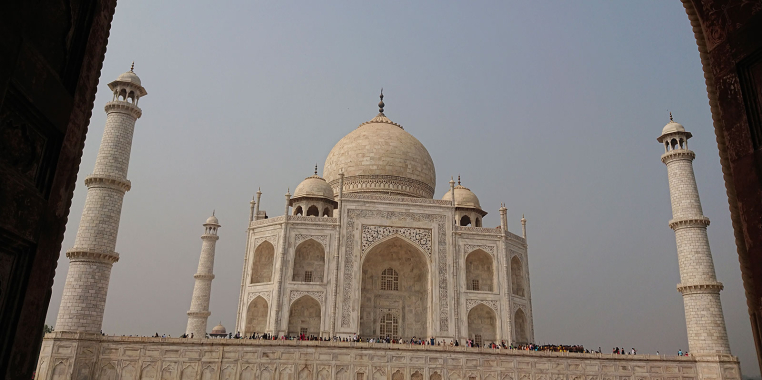
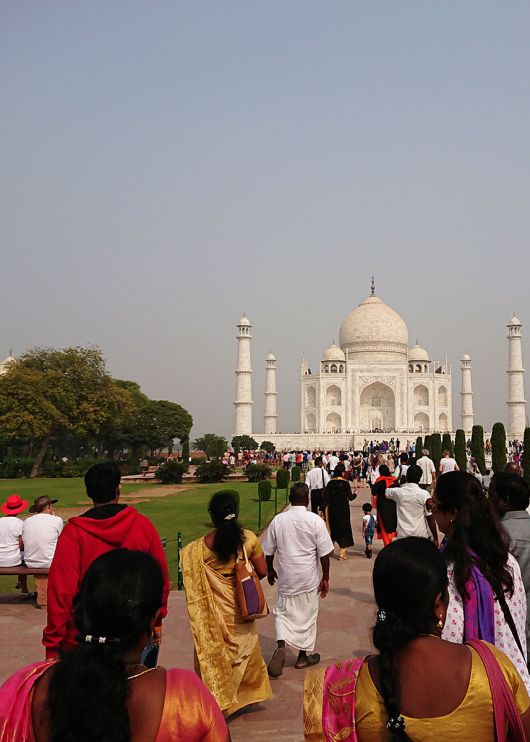
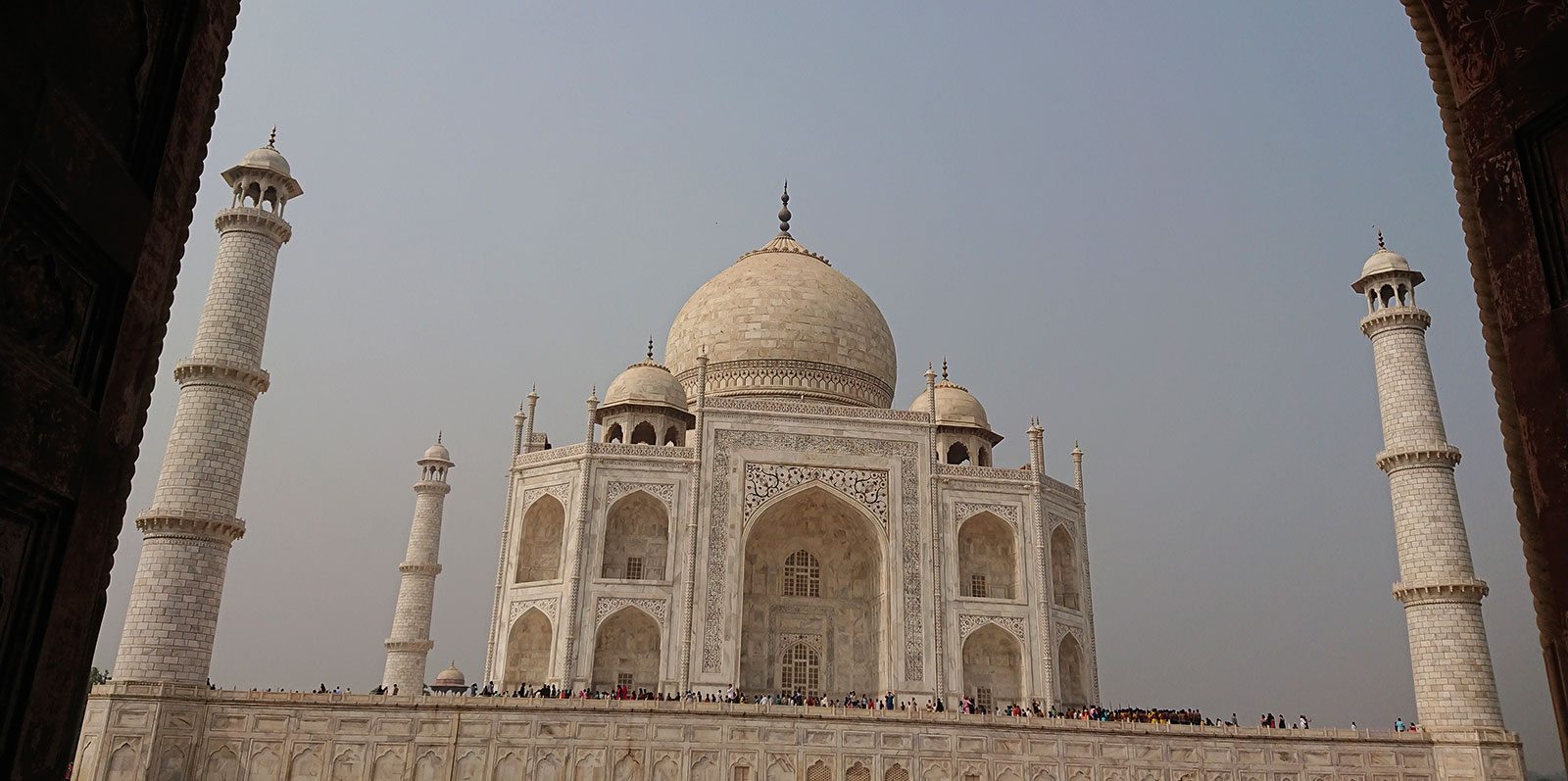
If I were to trade a celebrated monument for a hidden sanctuary, I would gently steer the traveler away from Agra and toward Orchha. The Taj Mahal is, without question, a breathtaking triumph of marble and world heritage. Yet, too often, a grand journey to India is reduced to a mere pilgrimage for a single photograph.
Orchha, nestled in Madhya Pradesh along the quiet curves of the Betwa River, offers something far more elusive: the living rhythm of a forgotten era. With its sprawling Bundela palaces and ancient temples, it invites you not just to gaze at a building, but to inhabit a memory. You visit the Taj to witness a masterpiece; you wander through Orchha to understand a city.
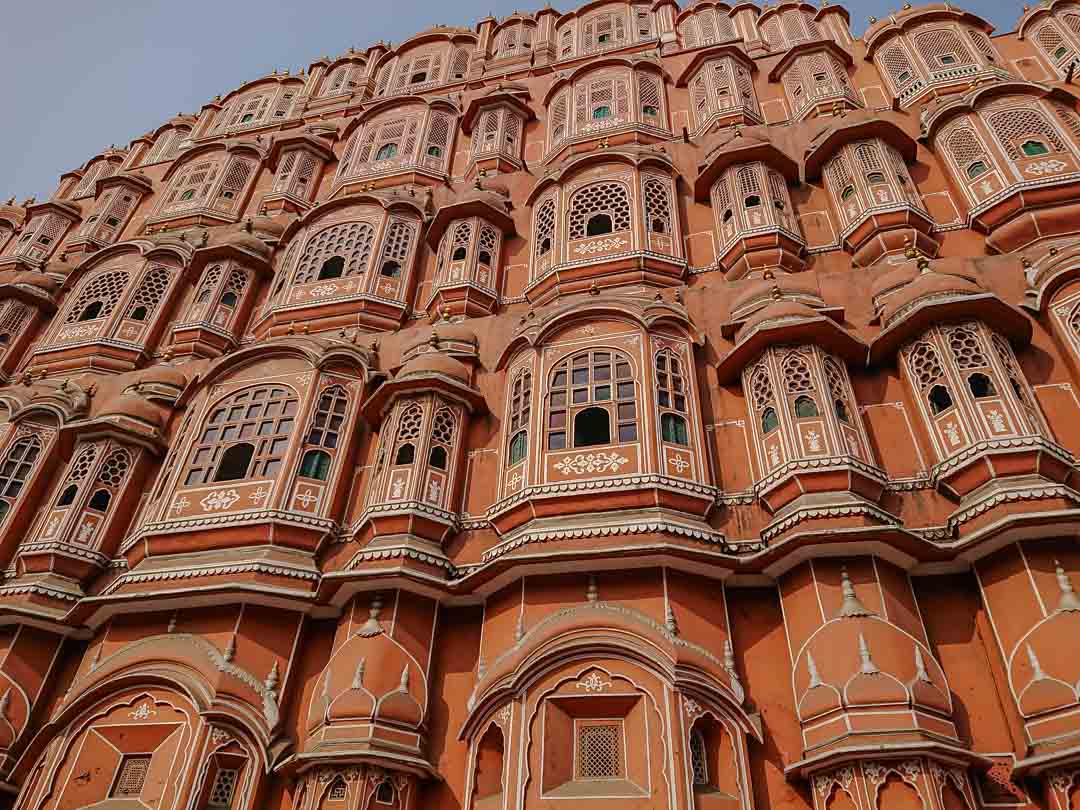
By this same quiet logic, the misty, stepped palaces of Bundi offer a far more intimate escape than the crowded tourist circuit of Rajasthan. And for those seeking the very edges of the subcontinent, the emerald embrace of the Ziro Valley in Arunachal Pradesh reveals a Northeast India that exists beautifully beyond the reach of every cliché.
Orchha, nestled in Madhya Pradesh along the quiet curves of the Betwa River, offers something far more elusive: the living rhythm of a forgotten era. With its sprawling Bundela palaces and ancient temples, it invites you not just to gaze at a building, but to inhabit a memory. You visit the Taj to witness a masterpiece; you wander through Orchha to understand a city.
By this same quiet logic, the misty, stepped palaces of Bundi offer a far more intimate escape than the crowded tourist circuit of Rajasthan. And for those seeking the very edges of the subcontinent, the emerald embrace of the Ziro Valley in Arunachal Pradesh reveals a Northeast India that exists beautifully beyond the reach of every cliché.
Places with a Rhythm
Which Place Do Locals Keep for Themselves?
Which Place Do Locals Keep for Themselves?
We should be careful with the phrase “local secret.” Once a place appears online, it is no longer entirely hidden. Still, Mawphanlur in Meghalaya is a good example: a hill village where people come to escape the city, sleep beneath open skies, and sit quietly with the landscape.
Perhaps more intriguing is Churah Valley in Himachal Pradesh, far removed from the tourist rhythms of Manali and Shimla. There are villages, local temples, slower days, and a road that becomes part of the journey itself. The official Himachal Pradesh tourism site lists it among the state’s more unexplored and less-visited places.
The important thing is this: a truly local place usually has no great attraction. It has a rhythm. You do not go there to see something. You go there to feel how life moves when nobody is performing it for tourists.
Perhaps more intriguing is Churah Valley in Himachal Pradesh, far removed from the tourist rhythms of Manali and Shimla. There are villages, local temples, slower days, and a road that becomes part of the journey itself. The official Himachal Pradesh tourism site lists it among the state’s more unexplored and less-visited places.
The important thing is this: a truly local place usually has no great attraction. It has a rhythm. You do not go there to see something. You go there to feel how life moves when nobody is performing it for tourists.
The Moving Destination
Which route is its own reward?
Which route is its own reward?
In India, the destination, it often turns out, is not the city you eventually step off at, but the path you take to get there. The Kalka–Shimla Railway is the enduring proof: a narrow-gauge relic of the Raj, now a UNESCO treasure, that coils through a hundred tunnels and across countless viaducts as it inches, almost reverently, from the dusty plains into the crisp, pine-scented air of the Himalayas. To step off at Shimla is almost an afterthought; the true journey was the slow, winding ascent itself.
Switch to the western flank, and the Konkan Railway offers a completely different geography. Here, from the open carriage window, the Arabian Sea winks between coconut groves, rice paddies flash past in a green blur, and the Western Ghats loom and recede in a fluid, uninterrupted dance. There is no single vista; there is only the seamless, shifting panorama of a coastal life that never quite stays still.
A fast aeroplane shrinks the map to a mere abstraction, giving you distance without texture. A slow train, however, insists on reading every contour and line. For a traveler trying to truly compass this land, the truest guide is often the one marked not by runways, but by tracks.
Switch to the western flank, and the Konkan Railway offers a completely different geography. Here, from the open carriage window, the Arabian Sea winks between coconut groves, rice paddies flash past in a green blur, and the Western Ghats loom and recede in a fluid, uninterrupted dance. There is no single vista; there is only the seamless, shifting panorama of a coastal life that never quite stays still.
A fast aeroplane shrinks the map to a mere abstraction, giving you distance without texture. A slow train, however, insists on reading every contour and line. For a traveler trying to truly compass this land, the truest guide is often the one marked not by runways, but by tracks.
Capitals of the Soul
What are India's true cultural capitals?
What are India's true cultural capitals?
If New Delhi holds the reins of political power, it is Lucknow that wears the crown of Awadhi grace. Here, the legacy of the Nawabs lingers not just in the grandeur of its architecture, but in the refined cadence of its language and the very air. Food, I have found, is never merely about the heat of spices; it is a slow, aromatic alchemy of tender kebabs, fragrant biryanis, and stews that have simmered for hours, served with breads that tell a story of their own.
Travel east to Kolkata, and you find the undisputed capital of adda. In this city, a humble tea stall or a fading café becomes a parliament of the soul. The simple act of sitting and talking—debating politics, dissecting literature, or arguing over football for hours on end—is elevated to a high art form. To converse, here, is simply to live.
Finally, there is Ahmedabad, the quiet capital of introverted architecture. Step into the old city, and you are drawn into the pols—those densely woven, gated neighborhoods of traditional courtyard homes, narrow winding alleys, and communal wells. This intricate, UNESCO-recognized urban fabric teaches a beautiful lesson: the true genius of Indian architecture is often hidden from the grand avenues, flourishing quietly within the intimate shadows of an alleyway rather than standing proud atop a monument.
Travel east to Kolkata, and you find the undisputed capital of adda. In this city, a humble tea stall or a fading café becomes a parliament of the soul. The simple act of sitting and talking—debating politics, dissecting literature, or arguing over football for hours on end—is elevated to a high art form. To converse, here, is simply to live.
Finally, there is Ahmedabad, the quiet capital of introverted architecture. Step into the old city, and you are drawn into the pols—those densely woven, gated neighborhoods of traditional courtyard homes, narrow winding alleys, and communal wells. This intricate, UNESCO-recognized urban fabric teaches a beautiful lesson: the true genius of Indian architecture is often hidden from the grand avenues, flourishing quietly within the intimate shadows of an alleyway rather than standing proud atop a monument.
The Right Time to See
When Should We See a Place Differently?
When Should We See a Place Differently?
Some places should not be seen at their usual hour or in their usual season. Goa, for instance, is fixed in the traveler’s imagination as a place of beaches and sunshine. But during the monsoon, usually from early June to late September, it becomes something greener, wetter, and almost unexpectedly alive. Dudhsagar Falls is especially dramatic then.
In Kerala, rain is part of the land’s natural and cultural character. During the monsoon, the backwaters, lush vegetation, and everyday life seem to take on another intensity. And in Hampi, the hour matters. Early in the morning, soft light settles over the rocks and ruined temples, revealing a different landscape altogether, while the midday heat can flatten much of its magic.
Sometimes, knowing where to go is not enough. To truly see a place, we also need to know when to be there.
In Kerala, rain is part of the land’s natural and cultural character. During the monsoon, the backwaters, lush vegetation, and everyday life seem to take on another intensity. And in Hampi, the hour matters. Early in the morning, soft light settles over the rocks and ruined temples, revealing a different landscape altogether, while the midday heat can flatten much of its magic.
Sometimes, knowing where to go is not enough. To truly see a place, we also need to know when to be there.
The Geography of Taste
Which dish only makes sense in its native climate?
Which dish only makes sense in its native climate?
Certain foods in India are less recipes than coordinates, plotted precisely on the map of a specific latitude and altitude. To lift them out of their native soil is to watch them lose their essential soul, becoming mere curiosities rather than lived necessities.
In Odisha, consider Pakhala—fermented rice, soaked and cooled, served with a modest accompaniments of fried vegetables, badi chura, and a sharp seasoning. The state has officially enshrined it, even marking March 20th as Pakhala Dibasa. Yet you cannot truly taste it in a polished Delhi restaurant; its logic only clicks into place when the afternoon sun bears down with an almost personal ferocity, and the body craves that singular, sour relief against the oppressive heat.
Travel down to Kerala, and puttu—that humble, steamed cylinder of rice flour and grated coconut—becomes an entirely different proposition. Eaten with a searing fish curry, it is less a meal than a geological statement, reflecting the twin gifts of a rain-soaked coast: abundant rice and coconut, set against the inexhaustible bounty of the sea. It is a taste best understood in the humid, verdant kitchens where the state’s responsible tourism initiatives have wisely chosen to preserve it, rather than in any sterile, air-conditioned showcase.
Ascend to the northern heights of Darjeeling or the Himalayas, and you enter yet another culinary universe. Here, momo, thukpa, chang, and the famous butter tea are not exotic distractions but daily anchors—forged in thin, biting air and steeped in the intermixing traditions of Nepali, Sikkimese, Tibetan, and Bengali cultures. One cannot separate the broth from the cold that necessitates it. And so, a single nation resolves into three distinct climates, each with its own irreducible, untranslatable grammar of the palate.
In Odisha, consider Pakhala—fermented rice, soaked and cooled, served with a modest accompaniments of fried vegetables, badi chura, and a sharp seasoning. The state has officially enshrined it, even marking March 20th as Pakhala Dibasa. Yet you cannot truly taste it in a polished Delhi restaurant; its logic only clicks into place when the afternoon sun bears down with an almost personal ferocity, and the body craves that singular, sour relief against the oppressive heat.
Travel down to Kerala, and puttu—that humble, steamed cylinder of rice flour and grated coconut—becomes an entirely different proposition. Eaten with a searing fish curry, it is less a meal than a geological statement, reflecting the twin gifts of a rain-soaked coast: abundant rice and coconut, set against the inexhaustible bounty of the sea. It is a taste best understood in the humid, verdant kitchens where the state’s responsible tourism initiatives have wisely chosen to preserve it, rather than in any sterile, air-conditioned showcase.
Ascend to the northern heights of Darjeeling or the Himalayas, and you enter yet another culinary universe. Here, momo, thukpa, chang, and the famous butter tea are not exotic distractions but daily anchors—forged in thin, biting air and steeped in the intermixing traditions of Nepali, Sikkimese, Tibetan, and Bengali cultures. One cannot separate the broth from the cold that necessitates it. And so, a single nation resolves into three distinct climates, each with its own irreducible, untranslatable grammar of the palate.
The Taste of Pause
What foods belong to their moment?
In India, I have come to realize that certain flavors are inextricably bound to their moment and place. They are not spectacles to be consumed, but quiet rhythms of daily life. Take pakhala in Odisha: rice soaked and cooled by the night, eaten with humble accompaniments to endure the fierce summer heat. To order it merely as a piece of "exotic local cuisine" is to miss its gentle poetry entirely. It is sustenance born of the sun, not a curiosity for the camera.
The same holds true for tea, which here is less a national beverage than a ritual of pause. In the misty heights of Darjeeling, the experience is defined by the local mountain leaf and its delicate muscatel whisper, best savored while gazing out over the valleys. And when you sit down for a glass of masala chai in the bustling plains, it is an invitation to simply stop and breathe. It is a drink meant for the quiet communion of the moment, never a prop for a photograph.
The same holds true for tea, which here is less a national beverage than a ritual of pause. In the misty heights of Darjeeling, the experience is defined by the local mountain leaf and its delicate muscatel whisper, best savored while gazing out over the valleys. And when you sit down for a glass of masala chai in the bustling plains, it is an invitation to simply stop and breathe. It is a drink meant for the quiet communion of the moment, never a prop for a photograph.
The Hands That Remain
Which Crafts Are Still Alive—and Which Are Fading?
Which Crafts Are Still Alive—and Which Are Fading?
India is still a land of living crafts—from weaving and textile printing to metalwork, pottery, and embroidery. But a craft being alive does not mean it is safe. Banaras brocades and sarees, for instance, remain a living industry with Geographical Indication (GI) status. Their value lies not simply in the gold-thread patterns, but in the hands and hours of the weaver.
Channapatna wooden toys are another small but distinctive example, still made in the region and carrying a sense of place in their simple forms. Elsewhere, however, many crafts face the danger of losing the chain of knowledge that passes from one generation to the next. Organizations such as the Crafts Council of India have emphasized the need to revive crafts that are slowly disappearing.
So the real question is not simply, “Does this craft still exist?” It is the more difficult one: “Can—and will—the next generation make a living from it?”
Channapatna wooden toys are another small but distinctive example, still made in the region and carrying a sense of place in their simple forms. Elsewhere, however, many crafts face the danger of losing the chain of knowledge that passes from one generation to the next. Organizations such as the Crafts Council of India have emphasized the need to revive crafts that are slowly disappearing.
So the real question is not simply, “Does this craft still exist?” It is the more difficult one: “Can—and will—the next generation make a living from it?”
The Keepable Thread
Which keepsake outlasts the journey?
Which keepsake outlasts the journey?
When I think of bringing something back from India—something that might outlast the jolt of return and keep the country quietly humming in the background of my days—my instinct is to bypass the marble elephants and the magnetised Taj Mahals entirely. They are too obvious, too mute. Instead, I reach for a length of cloth that knows its own address: a Banarasi silk, a painted Kalamkari, a Phulkari’s vivid geometry, or the wild, gold-flecked Muga of Assam. These are not mere fabrics; they are woven records, carrying the official GI-tag of their region, the distinct rhythm of a weaver's hand, and the living, intricate breath of a specific community.
A small, painted wooden toy from Channapatna, if bought directly from its maker rather than a glossy airport kiosk, holds more of the city’s daily hum than any shiny, factory-stamped bauble ever could. It carries the modest, tactile charm of ordinary life. Similarly, a piece of Dhokra casting—shaped by the ancient, lost-wax method—feels less like a trinket and more like an intimate heirloom, steeped in the tribal memory of metal and fire, a direct link to the ancestral kiln.
Yet my final, favourite choice might simply be a chest of Darjeeling tea, sealed with its proper pedigree. It is perishable, yes, but that is precisely its virtue. While it lasts, each steeped cup dissolves the distance, evoking the misty slopes and that singular, crisp highland air. The best souvenir, I have come to think, is the one that disappears into a daily ritual, lingering just long enough to remind you, with every sip, that the journey never truly ended.
A small, painted wooden toy from Channapatna, if bought directly from its maker rather than a glossy airport kiosk, holds more of the city’s daily hum than any shiny, factory-stamped bauble ever could. It carries the modest, tactile charm of ordinary life. Similarly, a piece of Dhokra casting—shaped by the ancient, lost-wax method—feels less like a trinket and more like an intimate heirloom, steeped in the tribal memory of metal and fire, a direct link to the ancestral kiln.
Yet my final, favourite choice might simply be a chest of Darjeeling tea, sealed with its proper pedigree. It is perishable, yes, but that is precisely its virtue. While it lasts, each steeped cup dissolves the distance, evoking the misty slopes and that singular, crisp highland air. The best souvenir, I have come to think, is the one that disappears into a daily ritual, lingering just long enough to remind you, with every sip, that the journey never truly ended.
The Second Country
Where lies the "second country" just beyond Delhi?
Where lies the "second country" just beyond Delhi?
If you step just beyond the fevered sprawl of Delhi, you need not travel far to cross into another country entirely. Forget the well-trodden pilgrim path to Agra; instead, let the road carry you into the arid, sun-baked embrace of Shekhawati. Here, in the quiet desert towns of Mandawa and Fatehpur, the landscape shifts into a realm of introverted courtyards, ancient stepwells, and the faded echoes of old caravan routes.
In the eighteenth and nineteenth centuries, the region’s prosperous merchants poured their fortunes into havelis—mansion after mansion adorned with breathtaking, intricate frescoes. To wander through Mandawa today is to stroll through a living, breathing gallery, where this painted heritage remains intimately woven into the rhythm of daily life.
If your vision of a second country leans toward the untamed, the nearby Asola Bhatti Wildlife Sanctuary offers a quiet, green retreat just beyond the capital's edge. Yet, for the narrative I wish to unfold, my compass points firmly to Mandawa. It is here that the monumental India of emperors gently yields to a more intimate, mercantile India—a land of painted walls, desert dust, and small towns that hold the world within their courtyards.
In the eighteenth and nineteenth centuries, the region’s prosperous merchants poured their fortunes into havelis—mansion after mansion adorned with breathtaking, intricate frescoes. To wander through Mandawa today is to stroll through a living, breathing gallery, where this painted heritage remains intimately woven into the rhythm of daily life.
If your vision of a second country leans toward the untamed, the nearby Asola Bhatti Wildlife Sanctuary offers a quiet, green retreat just beyond the capital's edge. Yet, for the narrative I wish to unfold, my compass points firmly to Mandawa. It is here that the monumental India of emperors gently yields to a more intimate, mercantile India—a land of painted walls, desert dust, and small towns that hold the world within their courtyards.
Beyond the Official India
Where does India contradict its own image?
Where does India contradict its own image?
If the official image of India is warm, humid, crowded, tropical, and densely populated, Ladakh turns it upside down: a high-altitude desert, cold and dry, shaped by Buddhist culture and deep Tibetan ties. Indian tourism often calls it “Little Tibet.” So, if you think you know India, I would say: see Ladakh first.
At the other end of the map, the Andaman & Nicobar Islands turn India into rainforest, mangroves, coral reefs, and open ocean. But they are also home to Indigenous communities such as the Jarawa, Sentinelese, Onge, Great Andamanese, Shompen, and Nicobarese. Some of their territories are legally protected, and visiting, meeting, or photographing these communities is prohibited. This is not an edge of India meant to satisfy a traveler’s curiosity. Sometimes, the most respectful way to travel is simply not to go.
At the other end of the map, the Andaman & Nicobar Islands turn India into rainforest, mangroves, coral reefs, and open ocean. But they are also home to Indigenous communities such as the Jarawa, Sentinelese, Onge, Great Andamanese, Shompen, and Nicobarese. Some of their territories are legally protected, and visiting, meeting, or photographing these communities is prohibited. This is not an edge of India meant to satisfy a traveler’s curiosity. Sometimes, the most respectful way to travel is simply not to go.
The Measure of the Journey
Who is India truly meant for?
Who is India truly meant for?
To my mind, India is a paradise for the traveler who can make peace with a certain beautiful disorder. It is for those who see food as culture on a plate, who welcome the unfamiliar as a gift, and who prefer the meandering grace of slow travel over a frantic checklist of sights. It is a haven for those drawn to the deep, sedimentary layers of history—from the whispers of ancient civilizations to the overlapping faiths of Hinduism, Islam, Sikhism, and Buddhism, and the lingering echoes of empire.
Yet, for the traveler who demands pristine order, unyielding predictability, and the sterile comfort of the standardized, India can be a profound mistake. If you flee from crowds or feel uneasy before the stark, unvarnished realities of economic disparity, the country can quickly feel less like a destination and more like an ordeal. Take Delhi: even with its sleek modern metro, it remains a fiercely dense, multi-layered labyrinth, meant to be unraveled on foot, down narrow alleys, and in the back of a rattling rickshaw.
Ultimately, the truest measure of your readiness is wonderfully simple. If the thought of waking up and saying, "I have absolutely no idea what will happen today," fills you with a quiet thrill, India will enchant you. But if that very same uncertainty fills you with dread, then you have, perhaps, booked the wrong ticket.
Yet, for the traveler who demands pristine order, unyielding predictability, and the sterile comfort of the standardized, India can be a profound mistake. If you flee from crowds or feel uneasy before the stark, unvarnished realities of economic disparity, the country can quickly feel less like a destination and more like an ordeal. Take Delhi: even with its sleek modern metro, it remains a fiercely dense, multi-layered labyrinth, meant to be unraveled on foot, down narrow alleys, and in the back of a rattling rickshaw.
Ultimately, the truest measure of your readiness is wonderfully simple. If the thought of waking up and saying, "I have absolutely no idea what will happen today," fills you with a quiet thrill, India will enchant you. But if that very same uncertainty fills you with dread, then you have, perhaps, booked the wrong ticket.
The Living Valley
Which town is a gateway to a subculture?
Which town is a gateway to a subculture?
If I were to choose a single small town that serves as a portal into a distinct subculture, I would point you toward Ziro in Arunachal Pradesh. Nestled in this emerald valley is the Apatani community, where agriculture, architecture, water management, rituals, and the relationship with the land are not separate threads but a single, seamless tapestry of life.
Here, a village is never merely a place to rest your head. It is language and harvest, structure and ceremony, earth and memory, all woven together. This is why the Northeast of India must never be mistaken for simply "pristine wilderness." Behind that breathtaking landscape pulse living, breathing cultures that demand to be encountered on their own terms, not reduced to a picturesque backdrop for a traveler's photograph.
Ziro, to my mind, is not just a beautiful valley to pass through. It is a doorway into an entire world.
Here, a village is never merely a place to rest your head. It is language and harvest, structure and ceremony, earth and memory, all woven together. This is why the Northeast of India must never be mistaken for simply "pristine wilderness." Behind that breathtaking landscape pulse living, breathing cultures that demand to be encountered on their own terms, not reduced to a picturesque backdrop for a traveler's photograph.
Ziro, to my mind, is not just a beautiful valley to pass through. It is a doorway into an entire world.
The Calendar People Live By
What calendar does India really live by?
What calendar does India really live by?
In India, the real calendar belongs to the people. It is not made only of the great tourist festivals—Diwali, Holi, or Pushkar—but of countless regional rituals, harvest celebrations, local pilgrimages, and village ceremonies that quietly shape the rhythm of everyday life. The Indian government itself recognizes this diversity: through Mera Gaon Meri Dharohar (“My Village, My Heritage”), tens of thousands of villages are being documented through their festivals, food, rituals, and traditions.
In Shekhawati, the Jeenmata Mela is one such local pilgrimage. In Ladakh, Losar marks the Ladakhi and Tibetan New Year, closely tied to Buddhist rituals and monastic life. In Kerala, Onam is woven into the harvest season and the region’s cultural identity, while in Tamil Nadu, Pongal is a thanksgiving to the sun, nature, and cattle. In Assam, Bihu follows the agricultural cycle and the New Year; in Maharashtra, Gudi Padwa marks the beginning of a new year and the agricultural season.
Further east and northeast, the calendar becomes even more varied: Durga Puja in Kolkata, Chhath Puja in Bihar and Uttar Pradesh, and Nagaland’s Hornbill Festival, which brings together the cultures and traditions of different Naga communities. Alongside them are more intimate celebrations such as Moatsu and Tsungremmong, part of the living calendars of local communities.
Some of these traditions are now recognized as Intangible Cultural Heritage by India and UNESCO—from Durga Puja, Garba, and Ramlila to Buddhist Chanting of Ladakh, Mudiyettu, and Ramman. In December 2025, Deepavali was also added to UNESCO’s list. But perhaps the more important calendar is the one that never appears on a tourist brochure: the one by which people know when to pray, harvest, gather, remember, and celebrate.
In Shekhawati, the Jeenmata Mela is one such local pilgrimage. In Ladakh, Losar marks the Ladakhi and Tibetan New Year, closely tied to Buddhist rituals and monastic life. In Kerala, Onam is woven into the harvest season and the region’s cultural identity, while in Tamil Nadu, Pongal is a thanksgiving to the sun, nature, and cattle. In Assam, Bihu follows the agricultural cycle and the New Year; in Maharashtra, Gudi Padwa marks the beginning of a new year and the agricultural season.
Further east and northeast, the calendar becomes even more varied: Durga Puja in Kolkata, Chhath Puja in Bihar and Uttar Pradesh, and Nagaland’s Hornbill Festival, which brings together the cultures and traditions of different Naga communities. Alongside them are more intimate celebrations such as Moatsu and Tsungremmong, part of the living calendars of local communities.
Some of these traditions are now recognized as Intangible Cultural Heritage by India and UNESCO—from Durga Puja, Garba, and Ramlila to Buddhist Chanting of Ladakh, Mudiyettu, and Ramman. In December 2025, Deepavali was also added to UNESCO’s list. But perhaps the more important calendar is the one that never appears on a tourist brochure: the one by which people know when to pray, harvest, gather, remember, and celebrate.
The Sound of India
Lost in the Desert Sky
Keyhan Kalhor
Flower’s Reward
Mehran Mobini
Konj-e-Kharabat
Gholam Hossein Fathi
Keep Roaming
Contact@roamandrecord.com
We are waiting for your kind messages