
Imam Khomeini Mosque
A Safavid masterpiece uniting faith, art, and architecture in harmony






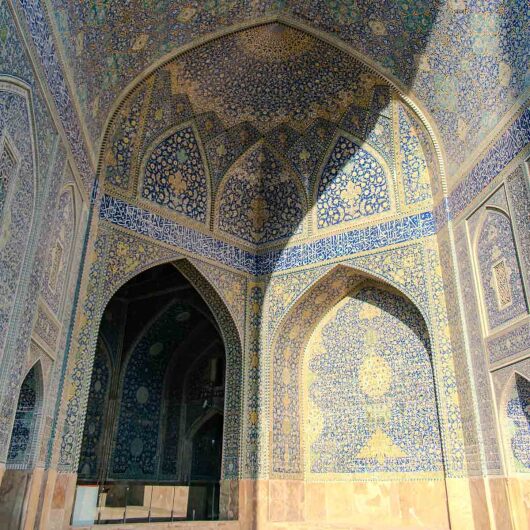
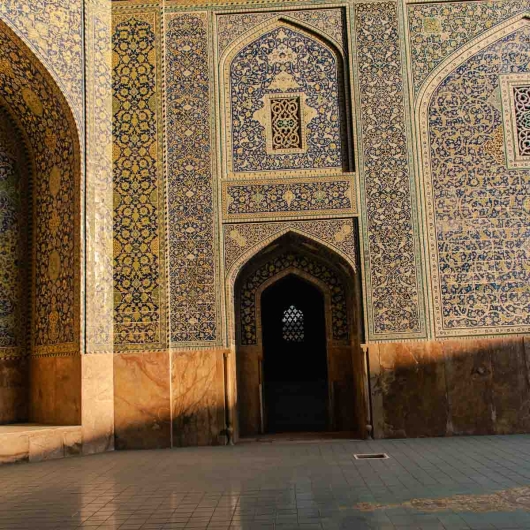
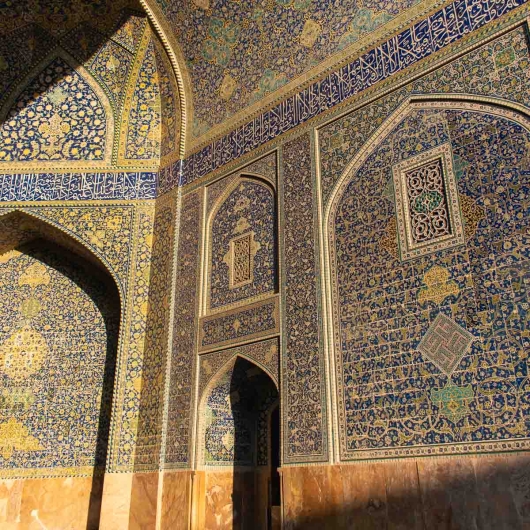
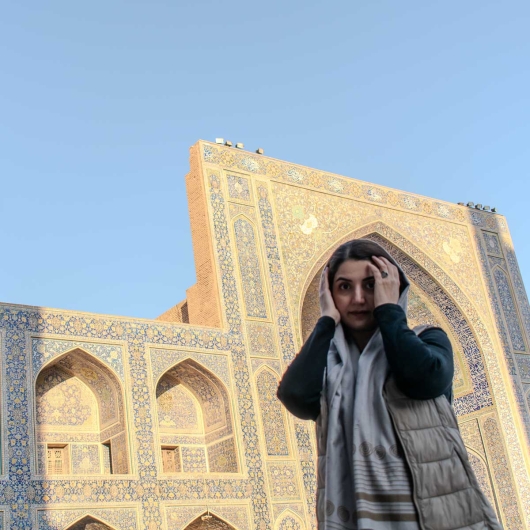
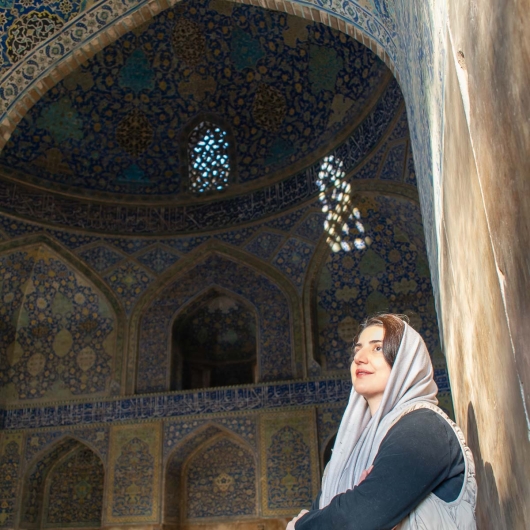
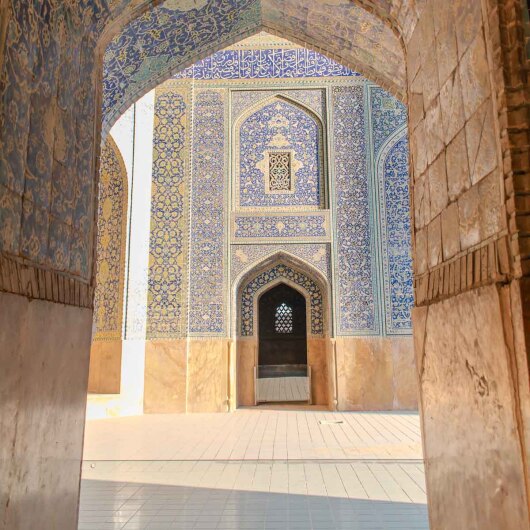
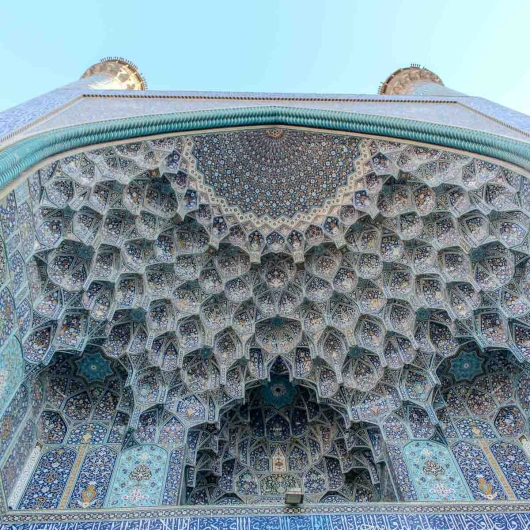
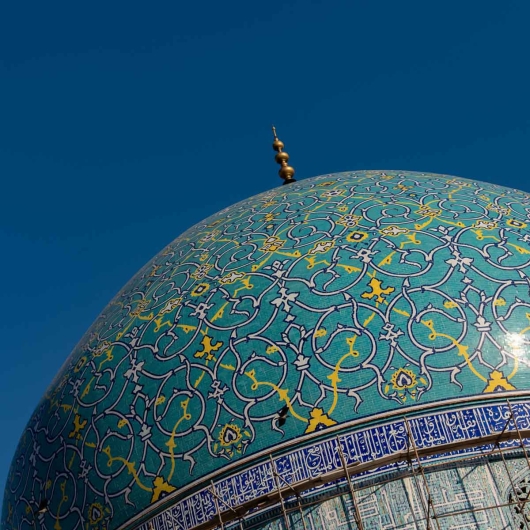
Harmony of Faith & Light
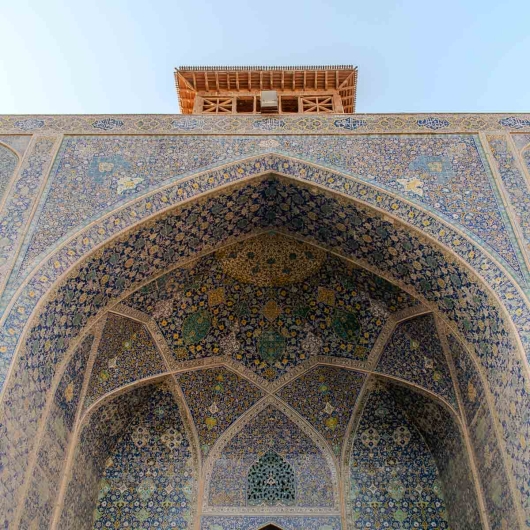
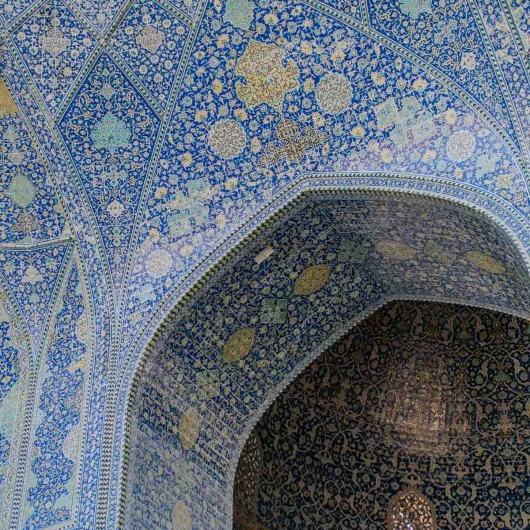
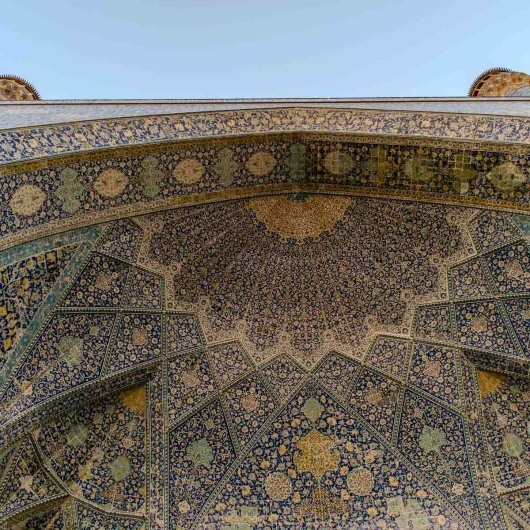
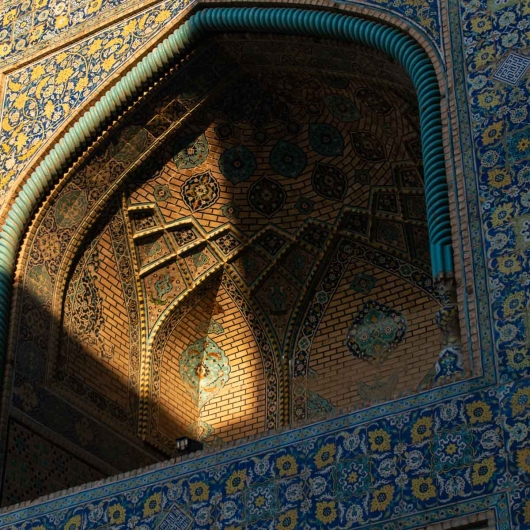
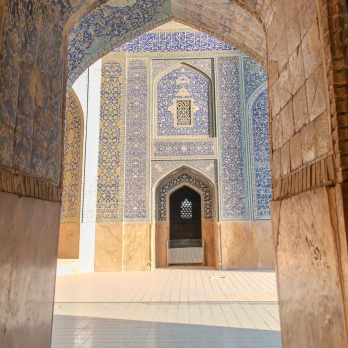
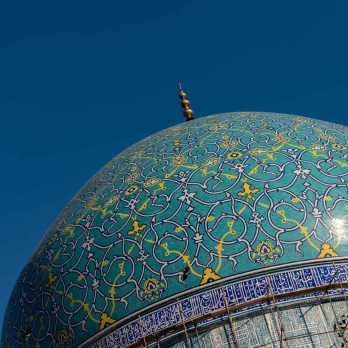
At the heart of Isfahan’s majestic Naqsh-e Jahan Square stands the Imam Khomeini MosqueMosque (also historically known as Shah Mosque, Soltani Mosque, or Masjed-e Jame Abbasi) — a Safavid-era masterpiece that turns stone and tile into poetry. Its turquoise domes, intricate mosaics, and soaring arches reflect the height of Persian artistry, inviting every visitor to step into a world where faith and beauty shine in perfect harmony.
Getting to Imam Mosque
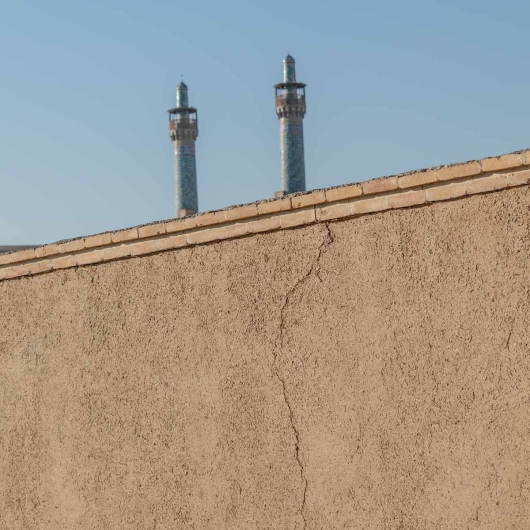
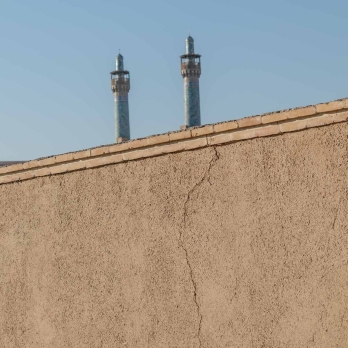
Located on the southern edge of Isfahan’s majestic Naqsh-e Jahan Square, the Imam Khomeini Mosque is impossible to miss—its turquoise dome and tall minarets gleam across the skyline.
You can stroll there from the historic center, hop in a taxi by asking for “Masjed-e Imam,” or ride the metro to Imam Hossein Square and walk fifteen minutes south.
Legacy of Shah Abbas
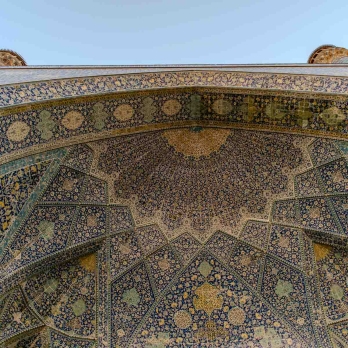
Commissioned by Shah Abbas I in 1611, the Imam Khomeini Mosque was built to honor his grandfather, Shah Tahmasp.
As part of Abbas’s grand vision to make Isfahan a global capital of art and faith, the mosque rose in breathtaking scale and beauty—its dazzling design and craftsmanship securing its place among the greatest masterpieces of Islamic architecture.
Marvels of Imam Mosque
Masjed-e Jame Abbasi dazzles with extraordinary features: its central dome carries whispers across the hall, showcasing acoustic genius; the seven-color mosaic tiles shift hues with sunlight, creating a living, shimmering facade; & the angled entrance iwan aligns perfectly with Mecca while harmonizing with Naqsh-e Jahan Square, offering visitors a breathtaking blend of design, devotion, and architectural brilliance.
Mosque Architects Artists
The mosque was crafted by master architects Ali Akbar Esfahani and Mohib Ali Beikollah, with calligraphy by Alireza Abbasi, Abdolbaghi Tabrizi, Mohammad Reza Emami, and Mohammad Saleh Emami. Remarkably, during its construction, nearby marble quarries were discovered, and their stone was used throughout the mosque.
Unique Mosque Architecture
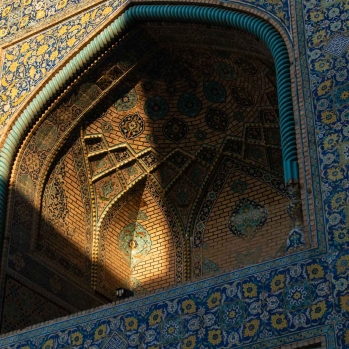
Imam Mosque showcases post-Islamic architectural brilliance with a grand dome, four minarets, two prayer halls, and a stunning marble mihrab.
During the Safavid era, Soleymaniyeh and Naseriyeh schools flanked the mosque.
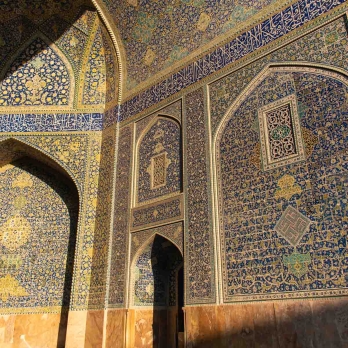
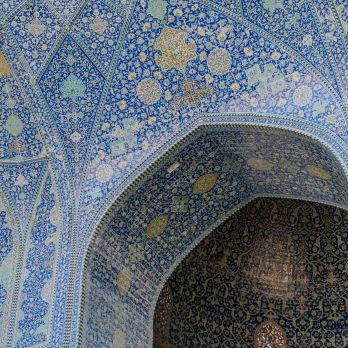
Its seven-color tilework, intricate stone carving, and harmonious design create a sense of unity so perfect it feels as if one artist crafted the entire masterpiece.
Stunning Mosque Views
From anywhere in Naqsh-e Jahan Square, Imam Mosque’s beautiful dome captivates the eye, especially at night when lights enhance its splendor. Inside the prayer halls, visitors feel the majesty and history, as if traveling back in time. This timeless experience reflects the skill and artistry of the craftsmen who created this historic masterpiece centuries ago.
Mosque Structural Highlights
Imam Mosque is built with 18 million bricks, 474,000 tiles, and abundant marble. Each main minaret reaches 33 meters, with additional taller minarets above the prayer halls.
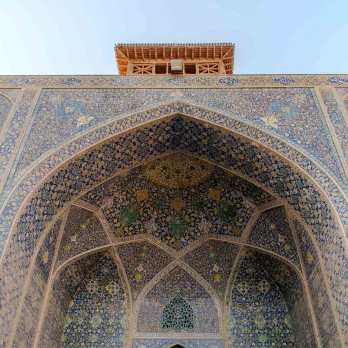
The mosque features a grand dome over the central courtyard, four iwans, east and west prayer halls, and the Naseriyeh and Soleymaniyeh schools, all aligned with the qibla and Naqsh-e Jahan Square.
Shah Mosque Basins
Imam Mosque features seven ornate basins, crafted from jade, marble, and lime stone. Highlights include the entrance jade basin, western and eastern prayer hall basins, and marble basins under the dome. Two additional basins are located near the eastern main entrance, showcasing the mosque’s intricate craftsmanship and attention to detail throughout its sacred spaces.
Legacy of Shah Abbas
Commissioned by Shah Abbas I in 1611, the Imam Khomeini Mosque was built to honor his grandfather, Shah Tahmasp.
As part of Abbas’s grand vision to make Isfahan a global capital of art and faith, the mosque rose in breathtaking scale and beauty—its dazzling design and craftsmanship securing its place among the greatest masterpieces of Islamic architecture.
Marvels of Imam Mosque
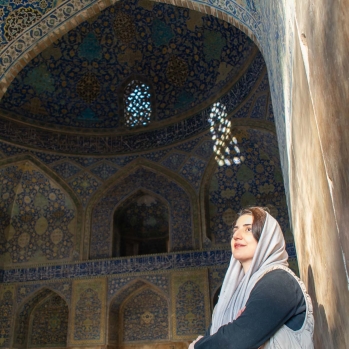
Masjed-e Jame Abbasi dazzles with extraordinary features: its central dome carries whispers across the hall, showcasing acoustic genius; the seven-color mosaic tiles shift hues with sunlight, creating a living, shimmering facade; & the angled entrance iwan aligns perfectly with Mecca while harmonizing with Naqsh-e Jahan Square, offering visitors a breathtaking blend of design, devotion, and architectural brilliance.
Grandeur and Artistic Mastery
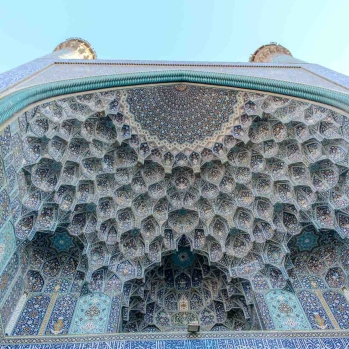
Step into a world of grandeur at this mosque, where soaring 42-meter minarets, a vast symmetrical courtyard, and four majestic iwans inspire awe. Every inch dazzles with intricate floral and geometric tiles, elegant calligraphy, delicate muqarnas, and exquisite marblework. A true masterpiece of scale, symmetry, and artistic detail, it’s a must-see for travelers seeking architectural beauty and cultural splendor.
Best Visiting Times
For the perfect visit, explore the mosque early morning for soft light, cool temperatures, and peaceful photos, or late afternoon to capture warm sunlight on intricate tiles. Spring and autumn offer ideal weather, while summer brings heat and winter fewer crowds.
Avoid Friday midday prayers and public holidays to enjoy a more serene experience. Evening visits reveal a magical, illuminated atmosphere.
Awe-Inspiring Mosque Experience
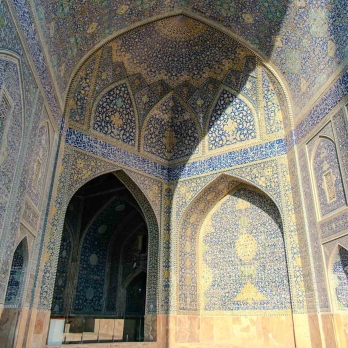
Visiting the Imam Mosque leaves you spellbound. Its monumental architecture inspires awe, while tranquil courtyards offer serenity for reflection. The intricate tilework, calligraphy, and stonecraft evoke artistic amazement, and the sacred atmosphere fosters spiritual elevation.
Walking these historic spaces connects you to centuries of devotion, blending beauty, history, and spirituality into an unforgettable experience.
Visitor Guidelines Mosque
When visiting the mosque, dress modestly—women should wear headscarves and loose clothing, men avoid shorts and sleeveless shirts. Long coats are often provided if needed.
Remove shoes before entering prayer halls and carpeted areas; shoe racks are available. Following these simple rules ensures a respectful and seamless experience while exploring this magnificent and sacred site.
More Mosque Visiting Tips
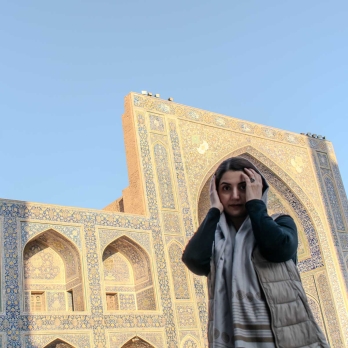
When exploring the mosque, maintain respectful behavior—keep voices low, be discreet with photography, and never point feet toward the mihrab.
Look up and down to admire both the stunning domes and intricate floor patterns. Stay hydrated, especially in warmer months, but drink discreetly inside prayer halls. These simple practices ensure a mindful, enjoyable, and immersive visit.
Nearby Attractions
Beyond the mosque, explore Naqsh-e Jahan Square, a UNESCO gem. Visit Ali Qapu Palace with royal views, the intricate Sheikh Lotfollah Mosque, and the bustling Qeysarie Bazaar for local crafts and spices. Nearby, discover Chehel Sotoun and Hasht Behesht Palaces, the historic Jameh Mosque, and iconic Zayandeh Rud bridges, offering a rich blend of history, culture, and stunning architecture just steps away.
Cultural Heritage Landmark
The mosque is the religious heart of Isfahan, hosting daily and Friday prayers.
A symbol of Safavid glory, it showcases Shah Abbas I’s ambition & artistic patronage. Its groundbreaking architecture influenced Persian mosque design for centuries. Serving as a cultural icon and historic civic center, it unites religion, commerce, and governance, standing as a proud emblem of Isfahan’s identity and global heritage.
UNESCO Heritage Treasure
The mosque is a UNESCO World Heritage Site, part of Naqsh-e Jahan Square since 1979. Recognized as a masterpiece of human creativity, it exemplifies Safavid-era architecture and innovation. Celebrated for its historical significance, it showcases the interchange of human values and stands as an outstanding example of monumental design, preserving a defining chapter in the world’s architectural heritage.
Mosque Legends Tales
The mosque is steeped in fascinating stories: Shah Abbas’s impatience spurred workers during construction, while the dome’s acoustic secret amazes visitors with perfect sound. The stunning single-slab marble mihrab is said to have been transported from Shiraz with immense effort. These tales of ingenuity, dedication, and clever design add depth and charm, enriching every visit with history, culture, and a touch of legend.
Artistic Inspiration Mosque
The mosque has inspired literature, art, and photography for centuries. Featured in Persian travelogues and poetry, it symbolizes Isfahan’s beauty and architectural genius.
Western travelers like Jean Chardin documented it extensively, while its striking design appears in countless miniatures, paintings, and photographs.
Entry Fee & Value
Admission costs about IR 1,000,000 (around $1 USD), making it an incredible bargain. Prices may vary slightly, so check locally. And is it worth it? Absolutely yes. For the price of a cup of coffee, you gain entry to one of the world’s most breathtaking architectural masterpieces—a priceless experience for any traveler.
Must-Bring Essentials
When visiting the mosque, pack a headscarf, modest clothing, and comfortable shoes for easy entry and walking. Bring water, small cash for fees or bazaar purchases, and a camera to capture stunning details. Don’t forget sun protection—hat, sunglasses, sunscreen—and a small bag to carry shoes while moving between sections. Being prepared ensures a comfortable and memorable visit.
Family Friendly Visit
The mosque is suitable for families, elderly, and children. Families can explore history and art together, while children enjoy its vibrant colors and scale—supervision is essential. Elderly visitors will find flat, spacious courtyards and resting benches, though some steps and uneven stone surfaces require caution. Walking distances are moderate. Overall, it’s a welcoming, educational, and awe-inspiring destination for all ages.
Tour And Reservation
Visiting the mosque does not require a reservation—tickets are available at the entrance. While a guided tour isn’t mandatory, it’s highly recommended. A knowledgeable guide helps you appreciate the intricate architecture, historical context, and symbolic details, transforming your visit from a simple walk-through into a rich, memorable experience. On-site guides or group tours are easily accessible.
Things To Avoid
When visiting the mosque, avoid loud noise and respect the quiet inside prayer halls. Follow the dress code and refrain from inappropriate clothing. Be careful with photography—don’t photograph worshippers without permission or use flash. No eating or drinking inside prayer halls, and never touch delicate tilework. Always respect worshippers, especially during prayers, ensuring a mindful and respectful experience in this space.
Nighttime Mosque Experiences
At night, the mosque glows beautifully, especially its grand entrance and dome, creating a magical scene from Naqsh-e Jahan Square. Evening visits offer a lively atmosphere, while special religious observances during Eid, Ramadan, and Muharram provide a moving cultural experience. Occasionally, sound and light shows highlight the mosque and square’s history.
Other Places in Isfahan
Contact@roamandrecord.com
We are waiting for your kind messages